How to Tighten a Car Seat: Expert Tips for Safety

Strapping your child safely into their car seat is one of the most important things you can do as a parent. But what if you’re not sure how tight the seat should be?
You’re not alone. Many parents find themselves questioning if their child’s car seat is secured correctly. Imagine the peace of mind you’ll have knowing that every trip is as safe as possible for your little one. In this guide, you’ll discover simple, effective steps to tighten a car seat correctly, ensuring your child’s safety on every journey.
Read on to empower yourself with the knowledge that can make all the difference in the world.
Choosing The Right Car Seat
Choosing the right car seat is crucial for your child’s safety. A properly fitted car seat can protect them during travel. It’s important to consider the seat’s type, age, and weight requirements. This ensures the best fit for your child.
Types Of Car Seats
There are three main types of car seats: infant seats, convertible seats, and booster seats. Infant seats are designed for newborns and young babies. They provide support for the head and neck. Convertible seats can be adjusted as your child grows. They are suitable for infants and toddlers. Booster seats are for older children who have outgrown convertible seats. They ensure the seatbelt fits correctly.
Age And Weight Requirements
Each car seat type has specific age and weight limits. Infant seats are generally used for babies under 12 months. Convertible seats are for children up to 40 pounds. They can be rear-facing or forward-facing. Booster seats are used for children who are at least 4 years old. They require a minimum weight of 40 pounds. Always check the manufacturer’s guidelines for exact specifications.
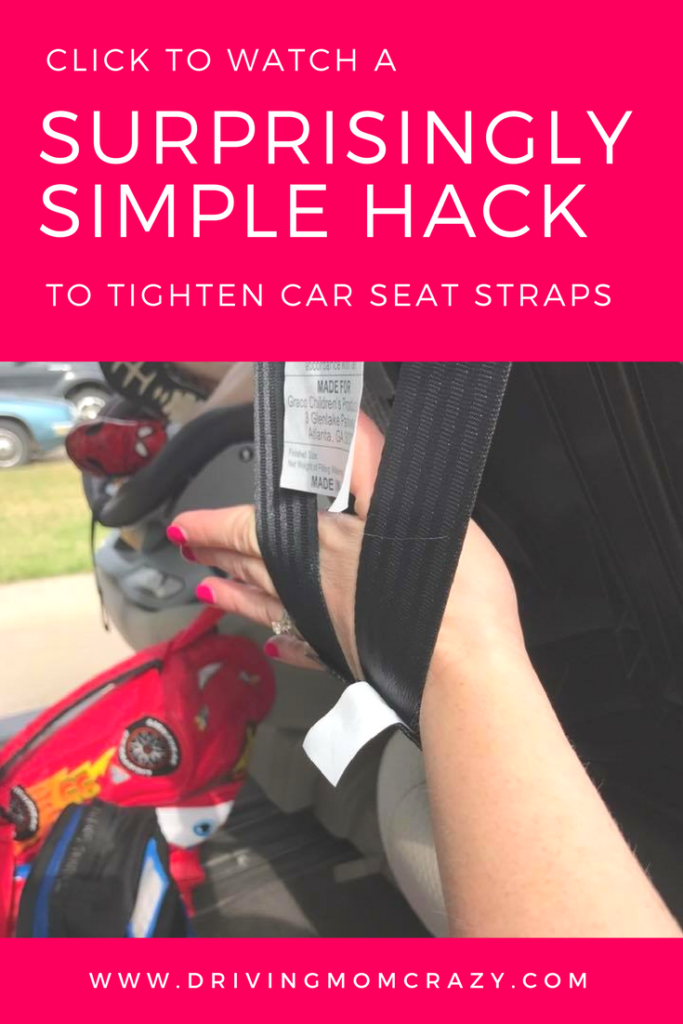
Credit: drivingmomcrazy.com
Preparing For Installation
Getting ready to install a car seat is important. Ensuring it is secure can protect your child. Preparing well makes the process easier. Follow these steps to begin.
Read The Manual
The first step is crucial. Read the car seat manual. It offers specific guidance. Every car seat has unique instructions. Following them ensures proper installation. It also helps you avoid mistakes.
Inspect The Seat And Vehicle
Before installation, check the car seat. Look for damages or missing parts. A faulty seat may not protect well. Next, inspect your vehicle’s seat. Ensure it is clean and ready. Remove any items that may interfere.
Positioning The Car Seat
Proper positioning is crucial for your child’s safety in the car. A well-positioned car seat can protect during sudden stops or impacts. This section will guide you on choosing the right spot and angle for the car seat.
Selecting The Right Spot
The safest spot is the back seat. Preferably, place the car seat in the middle. This reduces the risk during side impacts. Check your car’s manual for specific recommendations. Some cars have designated spots for car seats. Ensure the seat fits snugly between seat belts or LATCH anchors.
Adjusting The Recline Angle
Correct recline is vital for your child’s comfort and safety. For infants, a more reclined position is needed. It helps keep their airways open. Check the car seat’s level indicator to find the right angle. Older children can sit more upright. Make sure the recline does not affect the seat’s secure fit.

Credit: erfmission.com
Securing The Car Seat
Securing a car seat correctly is crucial for child safety. A loose seat can put your child at risk. It is vital to ensure the car seat is snug. You need to use the right method for your car and seat. There are two main ways: using seat belts or the LATCH system. Each method has steps to follow for a secure fit. Let’s explore these methods to ensure your child’s safety.
Using Seat Belts
First, check the car seat manual. Find the path for the seat belt. Thread the belt through the correct path. Make sure there are no twists in the belt. Buckle the seat belt into the car. Push the car seat down and tighten the belt. Pull the seat belt all the way out. This will lock the seat belt in place. Check the seat for movement. It should not move more than an inch side-to-side. If it does, tighten the belt further.
Latch System Installation
The LATCH system is simpler for many. Locate the lower anchors in your car. They are usually in the seat crease. Attach the car seat’s connectors to the anchors. Push the seat down firmly. This helps with a tight fit. Adjust the strap to remove slack. Pull the strap to tighten the connection. Check the seat’s movement. It should not move more than an inch. If it does, adjust the strap again.
Checking For Tightness
Ensuring your car seat is tight is crucial for child safety. A loose seat can compromise protection during travel. Regular checks can prevent issues and keep your child secure. This section focuses on methods to verify the tightness of your car seat.
The Inch Test
The inch test is simple and effective. After installing the seat, give it a firm tug. Move it side-to-side and front-to-back. It should not shift more than an inch in any direction. Less movement means better safety. If the seat moves too much, it needs adjustment.
Adjusting For A Snug Fit
A snug fit requires a few steps. First, examine the seat belt or anchor straps. They must be tight without slack. Use your body weight to press down on the seat. This helps to tighten it more. Check the recline angle. It should match the seat’s instructions. A proper angle contributes to tightness. Ensure the straps are secure. They should lie flat without twists. Double-check all connections. A thorough check ensures the seat stays firm.
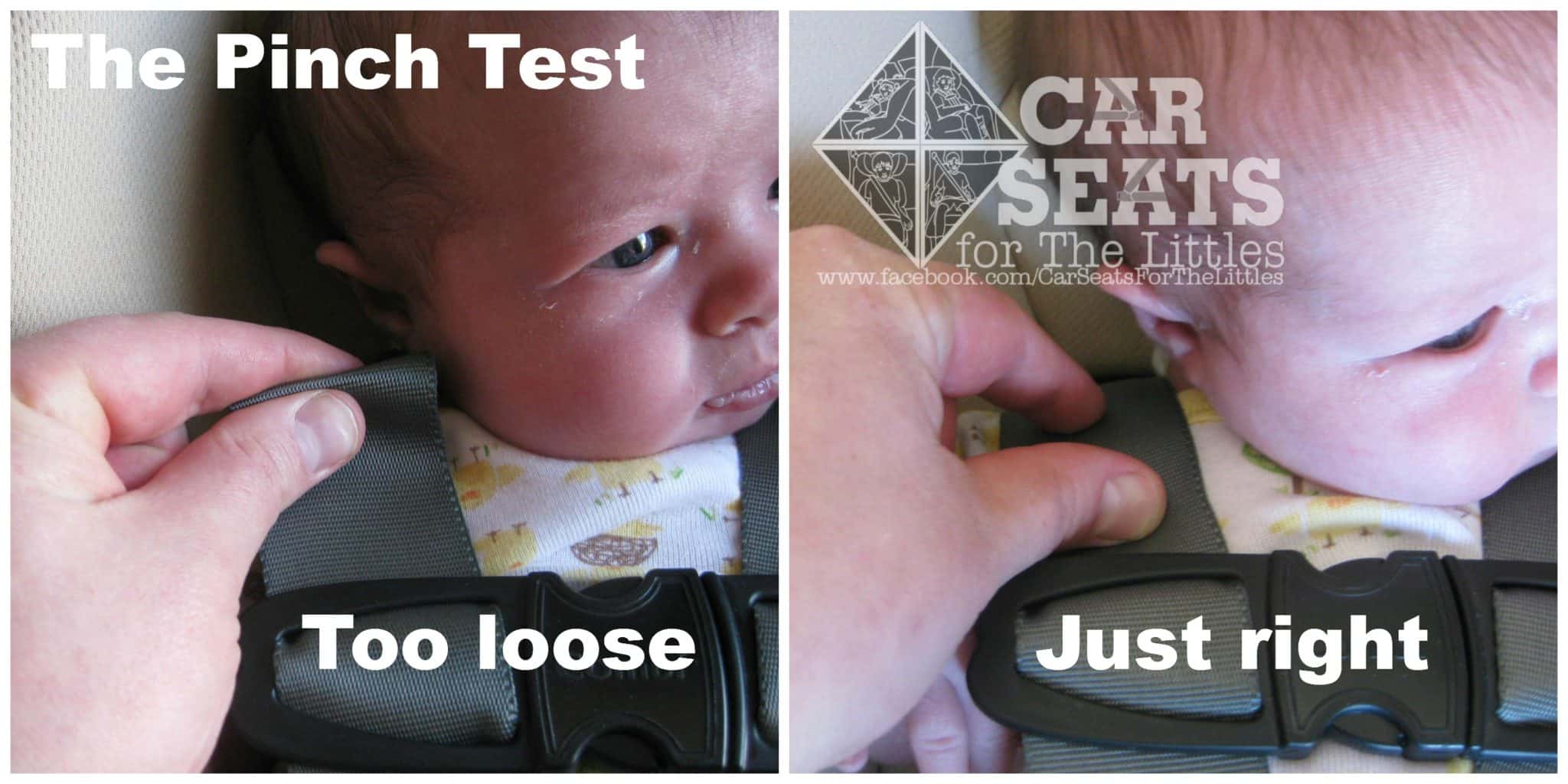
Credit: csftl.org
Common Mistakes To Avoid
Securing a car seat correctly ensures your child’s safety. Many parents make simple errors when tightening a car seat. These mistakes can compromise safety. Understanding these common missteps is crucial.
Incorrect Belt Path
Using the wrong belt path is a common mistake. Every car seat has specific belt paths. Follow the instructions carefully. Incorrect paths reduce stability. Always check the manual before installation.
Loose Harness Straps
Loose harness straps are another frequent error. Straps must be snug against your child. Many parents leave them too loose. This can be dangerous in an accident. Pull the straps until secure. Check regularly to ensure tightness.
Additional Safety Tips
Ensuring your child’s car seat is correctly installed is crucial. Besides proper tightening, extra safety measures can add assurance. These tips help keep your child secure during every ride. Safety is not just about installation; it’s ongoing vigilance.
Regular Inspections
Check the car seat routinely. Look for loose straps or worn buckles. Inspect the seat’s base and padding for any damage. Test the seat’s stability by shaking it gently. It should not move more than an inch side-to-side or front-to-back. Regular checks catch issues early.
Professional Installation Services
Consult experts for installation help. Car seat technicians are trained in safety guidelines. They ensure the seat fits your vehicle correctly. Many communities offer free inspection events. These services provide peace of mind. Professionals know the latest safety standards.
Frequently Asked Questions
How Do I Know If My Car Seat Is Tight Enough?
Check for minimal movement in all directions. A properly tightened car seat shouldn’t move more than one inch. Firmly grip the seat near the belt path. Wiggle it side-to-side and front-to-back. Ensure the seat is securely fastened to the car’s seat.
What Tools Are Needed To Tighten A Car Seat?
Typically, no tools are necessary to tighten a car seat. Your hands should suffice for most installations. Refer to the car seat manual for specific instructions. Some seats may have built-in tightening mechanisms. Ensure the use of the proper car seat belt or latch system.
Can A Loose Car Seat Affect Safety?
Yes, a loose car seat can compromise safety during a collision. Proper installation ensures the seat absorbs impact effectively. A tightly secured seat helps protect the child. Review installation guidelines and tighten the seat regularly. Frequent checks can prevent safety risks.
How Often Should I Check My Car Seat’s Tightness?
Check your car seat’s tightness regularly, ideally before every trip. Frequent checks ensure the seat remains securely fastened. Adjustments may be needed after bumps or sudden stops. Routine inspections prevent safety hazards. Regular maintenance is crucial for safety.
Conclusion
Ensuring your car seat is tight keeps your child safe. Follow the steps carefully. Check for a secure fit regularly. Your child’s safety matters most. A properly tightened seat protects in sudden stops. Double-check the seat’s position often. Make adjustments as needed.
Stay informed about seat guidelines. Safety standards can change. Practice makes perfect with installation. Your confidence grows with experience. Remember, a snug fit gives peace of mind. Keep your child safe every trip. Prioritize safety with every drive. Adjustments help maintain security.
Always buckle up your child correctly. Your child’s comfort and safety come first.