


How to Get Mold Out of Car Seat Fabric: Quick Tips

Mold in your car seat fabric can feel like a nightmare. It’s not just about the unsightly stains or the musty smell; it’s also about your family’s health.
Mold can trigger allergies and even respiratory issues. You want your car to be a safe and pleasant space, right? Imagine driving to work or picking up your kids without worrying about hidden mold spores. Here’s the good news: getting rid of mold isn’t as daunting as it seems.
With the right approach, you can restore your car seats to their former glory. In this guide, you’ll discover simple, effective steps to banish mold for good. Say goodbye to the stress of moldy car seats and hello to a cleaner, healthier ride. Ready to tackle that mold once and for all? Let’s get started.
Identifying Mold In Car Seats
Mold in car seats can cause serious health problems. Identifying mold early helps you take quick action. Mold grows in damp, warm places. Car seats can be the perfect spot if they get wet. Wet car seats provide the warmth and moisture mold needs.
Recognizing Visible Mold
Look for spots or stains on the fabric. Mold spots are often black or green. They may look fuzzy or slimy. The texture can help identify mold presence. If you see spots like these, it might be mold.
Smelling Unusual Odors
Does your car seat smell musty? A musty smell often signals mold. Mold has a distinct, earthy smell. This odor can be strong and unpleasant. If your car smells musty, inspect the seats for mold.
Noticing Allergic Reactions
Are you sneezing or coughing in the car? Mold can cause allergies. Symptoms include sneezing, coughing, and itchy eyes. These reactions can indicate mold presence. If symptoms arise, check car seats for mold.
Feeling Dampness In The Fabric
Touch the car seat fabric. Does it feel damp? Mold loves moist environments. Damp fabric can be a breeding ground for mold. If the seats feel wet, inspect for mold immediately.
Spotting Color Changes
Check for changes in seat color. Mold can alter fabric colors. Look for faded or discolored patches. These changes can be a sign of mold. Inspect any unusual color shifts in the fabric.
Credit: bigsmobile.com
Safety Precautions
Mold in car seats isn’t just unsightly. It’s also unhealthy. Removing it requires care to protect yourself. Always prioritize safety while cleaning moldy car seat fabric. Following safety precautions is essential to avoid health risks.
1. Wear Protective Gear
Always wear gloves to protect your hands. Mold can irritate skin. Use a mask to avoid inhaling spores. Goggles are important to shield your eyes. These items minimize exposure to harmful mold particles.
2. Choose A Well-ventilated Area
Clean your car seats in an open space. Fresh air disperses mold spores. It reduces the risk of inhaling them. Open car windows and doors for better airflow. This helps in drying the seats faster.
3. Use Mild Cleaning Solutions
Avoid harsh chemicals. They can damage fabric and irritate skin. Opt for mild, non-toxic cleaners. Vinegar or baking soda solutions work well. They are effective yet gentle on fabric.
4. Test Cleaning Products First
Test the cleaner on a small area. Check for discoloration or damage. If safe, proceed with cleaning. This prevents further harm to your car seats. Always follow product instructions carefully.
5. Dispose Of Mold Properly
After cleaning, dispose of mold safely. Seal moldy materials in plastic bags. Throw them in outdoor trash bins. This prevents mold from spreading indoors. Keep your environment safe and clean.
Basic Cleaning Supplies
Dealing with mold on car seat fabric? You need the right cleaning supplies. Basic tools and products can make a huge difference. They help you remove mold effectively. The right supplies also ensure the car seat stays undamaged. Let’s explore what you need for this task.
Soap And Water
Start with mild soap and warm water. This basic solution works well for cleaning. It breaks down mold on the fabric surface. Use a soft cloth to scrub gently. Avoid harsh scrubbing to protect the fabric.
White Vinegar
White vinegar is a natural mold killer. Its acidity helps to kill mold spores. Mix it with water in a spray bottle. Spray on the affected area and let it sit. Wipe with a clean cloth after a few minutes.
Baking Soda
Baking soda is a safe cleaning agent. It also absorbs moisture, reducing mold growth. Sprinkle it on the car seat and leave it for a while. Vacuum the residue for a fresh and clean seat.
Brush And Vacuum Cleaner
A soft-bristled brush helps in loosening mold. Brush the fabric gently before vacuuming. Use a vacuum cleaner to remove loose mold. It also helps in removing baking soda residues.
Protective Gear
Wear gloves and a mask for safety. Mold can cause health issues if inhaled. Proper gear prevents direct contact with mold spores.

Credit: www.reddit.com
Homemade Cleaning Solutions
Dealing with mold on car seat fabric can be a hassle. Homemade cleaning solutions offer a simple and effective way to tackle this issue. These solutions are not only cost-effective but also safe for your car’s interior. Let’s explore two popular methods that use common household items.
Vinegar And Water Mix
Vinegar is a natural disinfectant. It helps kill mold spores effectively. To make the solution, mix equal parts of vinegar and water. Use a spray bottle for easy application. Lightly spray the affected area. Let the solution sit for 15 minutes. This allows the vinegar to penetrate the fabric. Afterward, scrub gently with a soft brush. Rinse with a clean, damp cloth. Dry thoroughly to prevent future mold growth.
Baking Soda Paste
Baking soda is great for absorbing moisture. It also neutralizes odors. To create a paste, mix baking soda with a little water. Stir until it forms a thick consistency. Apply the paste directly to the moldy area. Let it sit for about 30 minutes. This gives the paste time to absorb the mold. Wipe off the paste with a damp cloth. Ensure the seat is completely dry afterward.
Commercial Mold Removers
Dealing with mold in your car seat fabric is challenging. Commercial mold removers offer a practical solution. These products are designed to tackle stubborn mold stains effectively. They contain chemicals that break down mold spores. This makes it easier to wipe away the residue.
Understanding Commercial Mold Removers
Commercial mold removers are available in various forms. Some are sprays, while others are wipes or liquids. Each type has its own method of application. They are formulated to penetrate deep into fabrics. This helps eliminate mold at its source.
Why Choose Commercial Mold Removers?
These products are convenient and easy to use. They are readily available in stores or online. Most removers require minimal effort for application. A simple spray or wipe can make a significant difference. They save time compared to homemade solutions.
How To Use Commercial Mold Removers
Start by reading the instructions on the product label. Follow the directions carefully to ensure safety. Test a small area of the fabric first. This checks for any adverse reactions. Apply the remover and let it sit for the recommended time. Then, wipe or rinse the fabric as directed.
Safety Tips When Using Commercial Mold Removers
Wear gloves to protect your skin from chemicals. Ensure proper ventilation in the area you are working. Avoid direct contact with the mold remover. Keep the product out of reach of children and pets. Follow all safety precautions listed on the label.
Step-by-step Cleaning Process
Removing mold from car seat fabric can be a daunting task. Mold can be stubborn, but with patience and proper techniques, you can eliminate it effectively. The step-by-step cleaning process involves careful attention to detail. Follow these steps to restore your car seats to their original state.
Vacuuming The Area
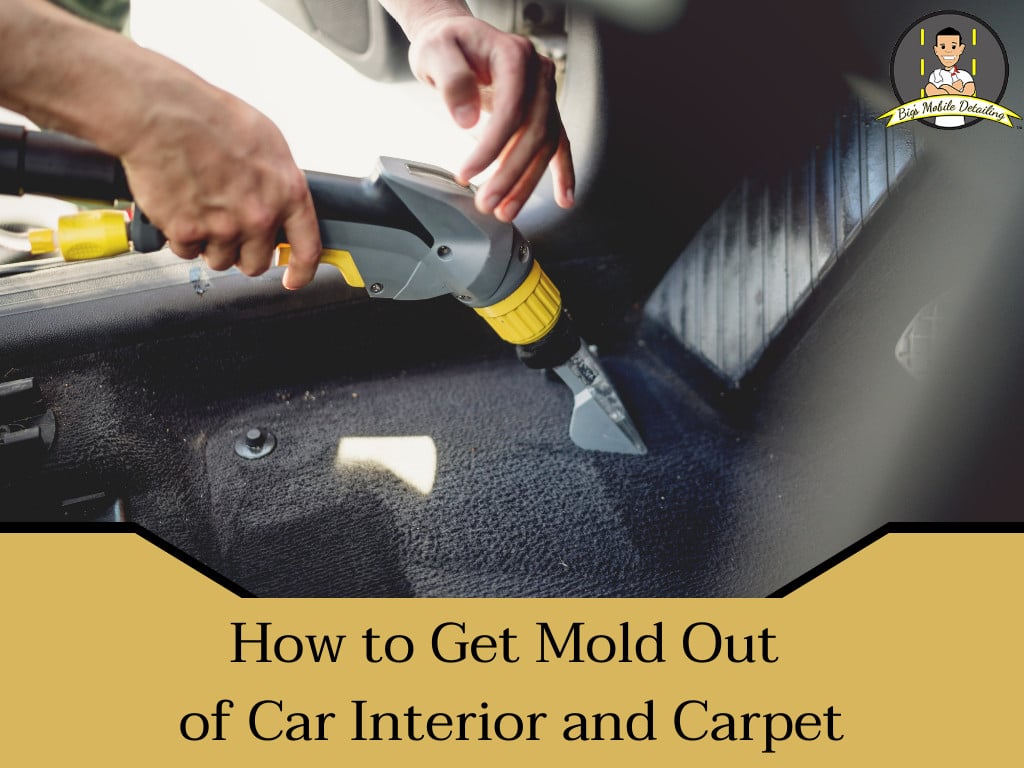
Begin by vacuuming the affected area thoroughly. Use a vacuum with a brush attachment. This helps remove loose mold spores and dirt. Ensure you cover all surfaces, including seat seams and folds. Vacuuming prepares the fabric for deeper cleaning.
Applying The Solution
Prepare a cleaning solution using equal parts water and white vinegar. Fill a spray bottle with the mixture for easy application. Vinegar is a natural mold killer. Spray the solution generously on the moldy area. Let it sit for at least 10 minutes. This helps break down the mold structure.
Scrubbing And Rinsing
After the solution has soaked in, scrub the area using a soft brush. Work in circular motions to lift the mold. Avoid using excessive force to prevent fabric damage. Once scrubbed, rinse the area with clean water. Use a damp cloth to wipe away residues. Ensure the fabric is free of vinegar and mold remnants.
Drying Techniques
After removing mold from your car seat, drying is crucial. Proper drying prevents mold from returning. It also helps maintain the fabric’s quality. Let’s explore effective drying methods.
Use Sunlight
Sunlight acts as a natural mold killer. Park your car in a sunny spot. Open all the doors and windows. This allows air to circulate freely. Direct sunlight dries the fabric quickly. It also kills remaining mold spores.
Apply A Hair Dryer
A hair dryer is a handy tool. Set it to a warm setting. Hold it a few inches from the fabric. Move it back and forth. This ensures even drying. Avoid using high heat. It could damage the seat fabric.
Utilize A Wet/dry Vacuum
A wet/dry vacuum removes excess moisture. It speeds up the drying process. Use it on the wet areas. Make sure the vacuum is set to ‘wet’. This method is effective for deep-seated moisture.
Place Fans Inside
Fans help circulate air inside the car. Position them to face the wet seats. The constant airflow aids in drying. This method is safe and effective. It works well alongside sunlight.
Use Absorbent Towels
Absorbent towels can be very effective. Press them gently on the wet areas. They soak up excess moisture. Replace damp towels with dry ones. This method is simple and cost-effective.
Preventing Future Mold Growth
Mold in car seat fabric can be a real headache. It can ruin the interior’s look and cause health issues. So, preventing mold growth is crucial. Keeping your car seat fabric mold-free requires regular care. This section will focus on simple steps to prevent future mold growth.
Regular Cleaning
Regular cleaning keeps mold away. Wipe your car seats weekly. Use a soft cloth and mild cleaner. Clean spills immediately. Mold loves moisture. So, don’t let liquids soak into the fabric. Vacuum the seats often. This removes dust and dirt. Mold feeds on dirt. Less dirt means less chance for mold.
Proper Ventilation
Ventilation is key to preventing mold. Open windows when parked. Let fresh air circulate. Keep the car dry. Moisture invites mold. Use a dehumidifier if needed. It reduces moisture levels. Avoid parking in damp places. Wet environments boost mold growth.
When To Seek Professional Help
Persistent mold on car seat fabric may need expert cleaning. Unusual odors or health issues signal it’s time for help. Professional services ensure thorough mold removal, keeping your car safe and fresh.
Removing mold from car seat fabric can be tough. Some situations need expert intervention. Knowing when to call a pro can save time and effort. It also ensures safety and health.Signs That Mold Is Too Severe
Visible signs of mold may indicate a serious problem. Large patches or deep stains can be overwhelming. Professional help ensures thorough cleaning. Experts have tools that reach deep fibers. This prevents mold from returning.Persistent Mold Odor
A lingering musty smell means mold might still be present. Odors often hide in unseen areas. Professionals use special equipment to detect and remove hidden mold. This ensures the car is odor-free.Concerns About Health And Safety
Mold can affect health, causing allergies or respiratory issues. If you or passengers feel unwell, seek professional help. Experts handle mold safely, reducing health risks.Lack Of Proper Equipment
Removing mold needs special tools and cleaners. Home remedies may not be effective. Professionals have access to industrial-grade equipment. They use these to effectively clean and sanitize car seats.Recurrent Mold Issues
Mold returning after cleaning signals an underlying issue. Moisture or ventilation problems may cause this. Professionals identify and fix these issues, preventing future mold growth. Ensuring lasting results. `
Credit: www.reddit.com
Frequently Asked Questions
How Do You Remove Mold From Car Seats?
To remove mold, vacuum the seat, apply a vinegar solution, and scrub with a brush. Rinse with water and dry thoroughly. Ensure proper ventilation to prevent mold recurrence.
Can Vinegar Kill Mold On Car Seat Fabric?
Yes, vinegar effectively kills mold due to its acidic nature. Spray a vinegar solution on the moldy area, scrub gently, and rinse. This helps in removing mold stains and odor.
Is Baking Soda Effective For Mold Removal?
Baking soda is effective for mold removal. It absorbs moisture and deodorizes. Mix with water to form a paste, apply, scrub gently, and rinse off for best results.
Can Mold On Car Seats Be Dangerous?
Yes, mold can be dangerous, causing allergies and respiratory issues. It’s crucial to address mold promptly. Regular cleaning and ventilation help prevent health risks associated with mold exposure.
Conclusion
Removing mold from car seat fabric is easier than it seems. Start with proper cleaning techniques. Use appropriate mold-killing solutions. Ensure thorough drying to prevent mold return. Regular checks help maintain clean seats. Remember, prevention is key. Keep your car interior dry and ventilated.
Mold-free seats enhance your driving experience. A clean car feels fresh and inviting. Don’t let mold spoil your ride. With these tips, your seats stay in top condition. Enjoy a healthier environment in your car. Happy travels without worry about mold!


