


How to Adjust Car Seat: Ultimate Guide for Perfect Driving Comfort

Getting comfortable behind the wheel is more than just a luxury—it’s a must for your safety and focus. If your car seat isn’t set just right, you could be risking fatigue, poor posture, or even slower reaction times.
But don’t worry—adjusting your car seat properly is easier than you think. In this guide, you’ll learn simple steps to find the perfect seat position that keeps you comfortable and in control. Ready to drive smarter and safer? Let’s get started.
Choosing The Right Seat Position
Choosing the right seat position is important for comfort and safety. The correct position helps you control the car better. It also reduces tiredness during long drives. Adjusting your seat properly supports good posture. It makes driving less stressful and more enjoyable.
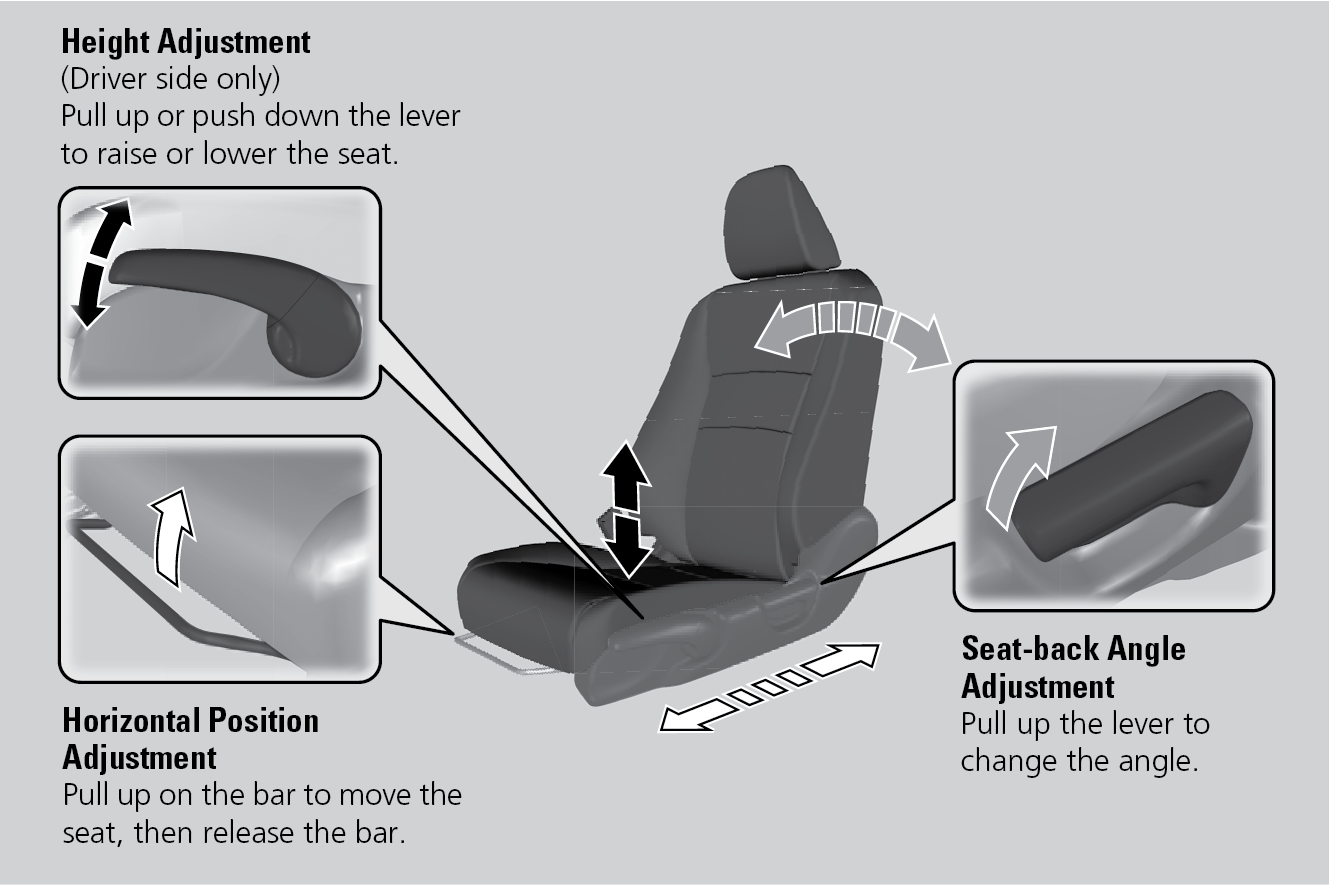
Setting Seat Height
Start by setting the seat height so you see the road clearly. Your eyes should be level with the middle of the windshield. Avoid sitting too low or too high. The ideal height allows you to see over the steering wheel and dashboard. Adjust until you feel comfortable and have a clear view.
Adjusting Seat Distance
Move the seat forward or backward to reach the pedals easily. Your feet should press the pedals without stretching or bending too much. Keep a slight bend in your knees for better control. Make sure your back stays against the seat. This helps avoid strain and keeps you ready to react.
Tilting The Seat Backrest
Tilt the backrest to support your spine’s natural curve. A slight recline of about 100 to 110 degrees feels best. Avoid leaning too far back or sitting too upright. Your shoulders should touch the seatback without feeling pushed forward. This position reduces back pain and keeps you alert.
Optimizing Lumbar Support
Good lumbar support helps keep your back comfortable during drives. It reduces strain on your lower back and improves posture. Adjusting this support correctly can prevent pain and tiredness on long trips.
Locating Lumbar Adjuster
The lumbar adjuster is usually on the side of the car seat. It can be a knob, lever, or button. Some cars have electronic controls near the seat base or door panel. Check your car manual if you don’t see it right away.
Customizing Support Levels
Turn or press the lumbar control to change support firmness. Start with a soft setting. Increase support until you feel your lower back gently pushed forward. It should feel natural, not hard or painful. Adjust for each trip to stay comfortable.
Positioning Headrest For Safety
The headrest plays a key role in protecting your neck during a crash. A correctly positioned headrest reduces whiplash injuries. Adjust it carefully to fit your height and posture. Proper alignment keeps your head supported and safe.
Height Adjustment
Raise or lower the headrest so the top aligns with the top of your head. Your head should be centered with the headrest. Avoid positioning it too low or too high. This keeps your neck stable in sudden stops.
Angle Adjustment
Set the headrest angle to follow the curve of your neck. It should not push your head forward or lean too far back. A slight tilt helps maintain comfort and safety. Proper angle supports your head naturally.
Credit: techinfo.honda.com
Adjusting Steering Wheel
Adjusting the steering wheel is key for a safe, comfortable drive. It helps you control the car easily. A poorly positioned steering wheel can cause strain and reduce control. Taking time to adjust it properly improves your driving experience. Every driver’s ideal position can differ. Finding the right setting makes a big difference.
Tilt And Telescopic Adjustments
Most cars allow you to move the steering wheel up or down. This is called tilt adjustment. It helps you find a height that feels right. Some cars also let you pull the steering wheel closer or push it away. This is telescopic adjustment. Use these controls to place the wheel where your hands rest naturally. Avoid having the wheel block your view of the dashboard.
Maintaining Proper Reach
Your hands should reach the steering wheel without stretching. Keep a slight bend in your elbows for comfort. Sit close enough to press the pedals fully. Too far away can delay your reaction time. Too close can cause cramped arms. Adjust the wheel so you can grip it firmly at the “9 and 3” or “10 and 2” positions. This gives the best control and reduces fatigue during driving.
Setting Seatbelt For Comfort
Setting the seatbelt for comfort is key to a safe and pleasant drive. A well-adjusted seatbelt feels secure without causing discomfort. It supports your body and helps protect you in case of sudden stops.
Proper seatbelt adjustment improves your focus on the road. It stops the belt from rubbing your neck or digging into your shoulder. This simple step makes long trips easier and safer.
Height And Fit
Adjust the seatbelt height to match your shoulder level. The belt should lie across your chest, not your neck. Make sure the lap belt sits low on your hips.
Check that the belt is snug but not too tight. You should fit one or two fingers between the belt and your body. This fit keeps you secure and comfortable during the drive.
Ensuring Safety Compliance
Always follow your vehicle’s seatbelt guidelines. Proper adjustment meets safety standards and protects you better. Avoid twisting the belt or placing it under your arm.
Use the seatbelt locking feature for added safety on steep roads. Check for damage or wear regularly and replace if needed. A correctly adjusted seatbelt is your first line of defense.

Credit: techinfo.honda.com
Tips For Long Drives
Long drives can be tiring. Adjusting your car seat correctly helps you stay comfortable. It also keeps you alert and safe on the road.
Small changes to your seat and posture make a big difference. Follow these tips to reduce fatigue and keep your body fresh.
Preventing Fatigue
Set your seat so your knees bend slightly. Your feet should reach pedals without stretching. Keep your back straight and close to the seat. This helps reduce muscle strain and tiredness.
Adjust the headrest to support your neck. Avoid leaning forward or slouching. Take breaks every two hours to rest your body and mind.
Stretching And Posture Changes
Stop often to stretch your legs and back. Move your neck gently from side to side. Roll your shoulders to release tension.
Change your sitting position a little during the drive. Shift your weight between hips. This keeps blood flowing and prevents stiffness.
Common Mistakes To Avoid
Adjusting your car seat seems simple, but many drivers make common mistakes. These errors can affect comfort and safety during driving. Avoiding these mistakes helps you sit correctly and drive with ease.
Overextending Seat Distance
Sitting too far from the steering wheel reduces control and increases reaction time. Your arms should bend slightly when holding the wheel. Feet must reach pedals comfortably without stretching. Overextending can cause fatigue and reduce your ability to brake quickly.
Ignoring Lumbar Support
Many drivers forget to adjust lumbar support. Proper support keeps your lower back healthy and reduces pain. Lack of support leads to slouching and discomfort on long drives. Adjust the lumbar cushion to fit the natural curve of your spine.

Credit: www.chiccousa.com
Frequently Asked Questions
How Do I Adjust My Car Seat For Comfort?
To adjust your car seat for comfort, move it forward or backward to reach the pedals easily. Adjust the seat height to see clearly. Tilt the seatback to support your spine. Ensure your arms slightly bend when holding the steering wheel for a relaxed drive.
Why Is Proper Car Seat Adjustment Important?
Proper car seat adjustment improves driving comfort and safety. It reduces fatigue on long drives. Correct positioning helps maintain good posture and prevents back pain. It also ensures better control of the vehicle and enhances airbag effectiveness during collisions.
How Do I Set The Correct Seat Height?
To set the correct seat height, raise or lower the seat until your hips are level with your knees. Your feet should comfortably reach the pedals without stretching. Your line of sight should allow a clear view of the road and dashboard.
Can Seat Adjustment Prevent Driving Fatigue?
Yes, proper seat adjustment can prevent driving fatigue. It supports your back and reduces muscle strain. Comfortable positioning improves blood circulation and keeps you alert. Adjusting lumbar support and seat angle also helps maintain energy during long trips.
Conclusion
Adjusting your car seat helps you drive safely and comfortably. Sit up straight and reach pedals with ease. Check your mirrors after adjusting the seat. Small changes can make a big difference on long drives. Always take a moment to set your seat before starting.
A good seat position reduces tiredness and improves control. Practice these steps each time you drive. Your body will thank you for the support. Safe and comfortable driving starts with the right seat adjustment.


