


How Should a Newborn Fit in a Car Seat: Safety Tips

Bringing your newborn home for the first time is a moment filled with excitement and a bit of anxiety. You want to ensure every journey is safe and comfortable for your little one, starting with that very first car ride.
The way your newborn fits in a car seat is crucial, not just for comfort, but for their safety. You might be asking yourself, “Am I doing this right? ” Or “Is my baby secure enough? ” These are common concerns that every new parent faces.
By the end of this article, you will feel confident and reassured, knowing exactly how your newborn should fit in a car seat. You’ll learn the essential steps to make every trip a safe one, giving you peace of mind and allowing you to focus on enjoying these precious moments with your baby. Let’s dive into the details that will transform your car seat worries into car seat expertise.
Credit: csftl.org
Choosing The Right Car Seat
Newborns need extra care, especially during travel. A proper car seat ensures their safety. Parents often feel overwhelmed by choices. Understanding car seats can simplify decisions. Knowing what to look for makes selection easier.
Types Of Car Seats
Car seats come in different types. Infant car seats are designed for newborns. They face the rear of the vehicle. Convertible car seats grow with your child. They start as rear-facing, then switch to forward-facing. All-in-one car seats offer extended use. They convert from rear-facing to booster seats. Each type serves different stages of growth.
Features To Look For
Safety is a top priority. Look for a five-point harness system. It secures the baby at the shoulders, hips, and between the legs. Side impact protection adds extra safety. Check for easy installation. Some seats offer a base for quick setup. Adjustability is key. Headrests and harnesses should be adjustable without rethreading. A removable cover simplifies cleaning. Comfort features matter too. Soft padding and breathable fabric keep the baby comfortable. Ensure the seat fits your car’s size and shape.
Positioning The Car Seat
Ensuring your newborn’s safety in a car begins with correct seat positioning. A well-positioned car seat reduces risk during travel. It keeps your baby snug and secure. Proper positioning also enhances comfort for your little one. Let’s explore key aspects of positioning your baby’s car seat.
Rear-facing Position
Always place your newborn in a rear-facing position. This is crucial for safety. The back of the car seat should face the front of the vehicle. This protects the baby’s head, neck, and spine. Rear-facing seats cradle your baby in case of sudden stops. They absorb impact more effectively than forward-facing seats. Check the seat’s manual for specific rear-facing guidelines.
Securing The Car Seat
Properly securing the car seat is essential. Start by placing the seat in the back of the car. Use the vehicle’s seat belt or the LATCH system. Both methods ensure stability. Pull the seat belt tight if using it. Ensure there is no slack. For the LATCH system, connect the hooks to the anchors. Tighten until the seat is immovable. Always double-check for secure installation. Adjust as needed to prevent any movement.
Placing The Newborn In The Car Seat
Placing a newborn in a car seat requires care and attention. Proper positioning ensures safety and comfort during travel. This guide will help new parents with crucial steps.
Adjusting The Harness
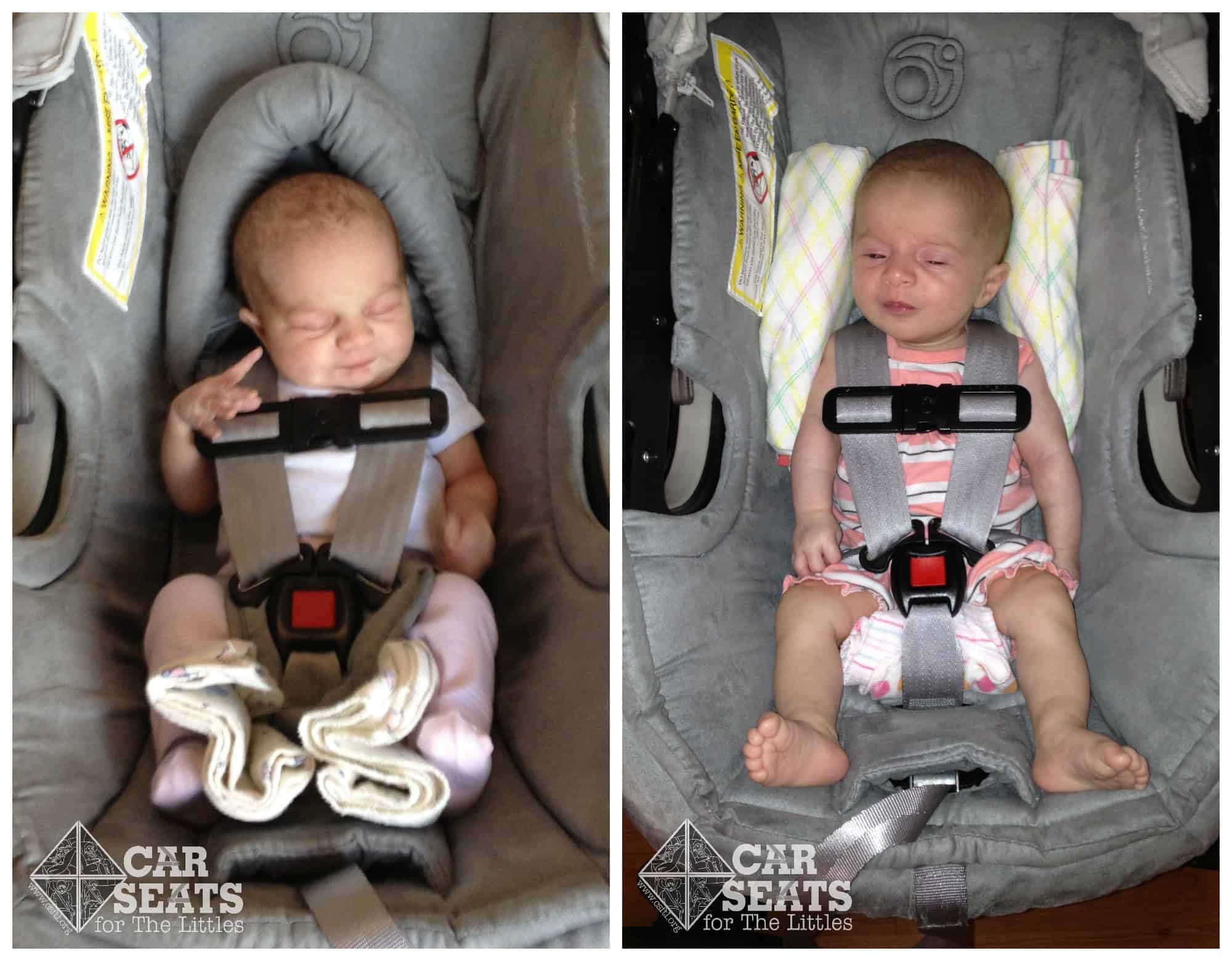
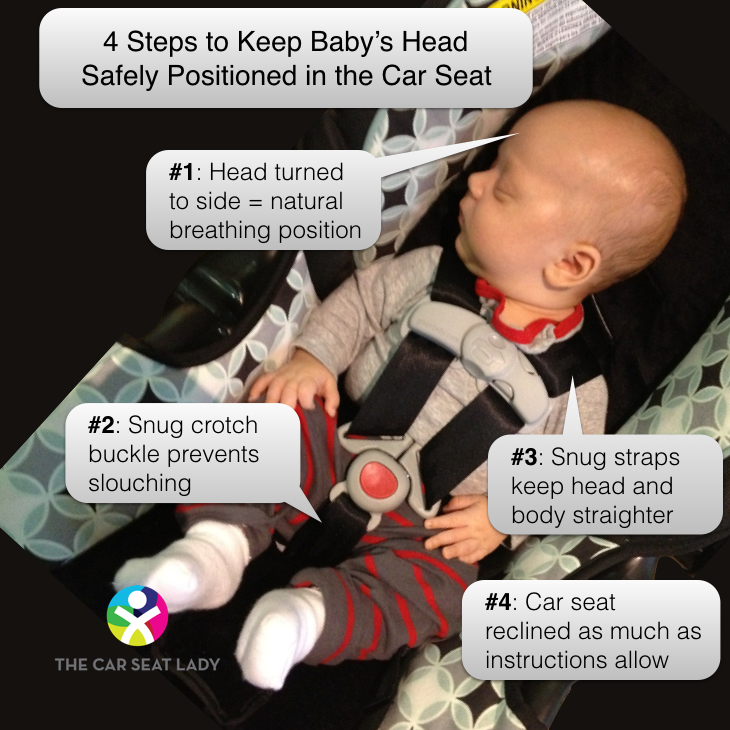
Ensure the harness fits snugly. Straps should be flat and untwisted. The harness clip must be at armpit level. This keeps the baby secure.
Proper Head And Neck Support
Support the newborn’s head and neck. Use rolled blankets if needed. Avoid bulky clothing. This prevents the head from tilting forward.

Credit: vicarseattechs.com
Car Seat Safety Checks
Ensuring that a newborn fits properly in a car seat is crucial for safety. Parents often wonder if their baby’s seat is correctly installed. Conducting thorough car seat safety checks can prevent accidents. It’s essential to know the key aspects that ensure a secure fit. This section will guide you through ensuring a snug fit and avoiding common mistakes.
Ensuring A Snug Fit
A snug fit keeps your baby safe during travel. First, check the harness straps. They should be at or below the baby’s shoulders. This prevents the baby from slipping out. Adjust the straps to lay flat against the body. There should be no slack in the harness. You can test this by pinching the straps. If you can pinch, tighten them. The chest clip should sit at armpit level. This helps keep the harness in place.
Avoiding Common Mistakes
Many parents make mistakes with car seats. One common mistake is using bulky clothing. Avoid using thick coats or blankets under the straps. These can create gaps in the harness. Instead, use a thin blanket over the baby after strapping them in. Another mistake is incorrect seat angle. Newborns need a reclined seat. Use the angle indicator on the seat to adjust properly. Ensure the seat is firmly installed. It should not move more than an inch side to side. Regular checks will ensure continued safety.
Additional Safety Tips
Ensuring your newborn is safe in a car seat is crucial. Many parents focus on securing the seat, but additional precautions enhance safety. Simple actions can make a big difference.
Monitoring Temperature
Keep your car at a comfortable temperature. Newborns cannot regulate their body heat well. Check the car seat’s temperature before placing your baby inside. A car left in the sun can get hot quickly. Use shades or a sun visor to block direct sunlight. In cold weather, dress your baby in layers. Remove bulky coats once in the seat, replacing them with a blanket over the straps.
Regularly Inspecting The Seat
Regular checks of the car seat are vital. Ensure straps are tight and not twisted. The seat should be firmly attached to the car. Look for any signs of wear or damage. Plastic parts can become brittle over time. Check if the seat is expired as they have a limited lifespan. Always follow the manufacturer’s guidelines for maintenance.
Resources For Parents
Finding the right resources for ensuring your newborn fits snugly in their car seat is crucial. Parents often seek guidance from reliable sources to ensure safety. These resources provide essential information to ease this process.
Consulting With Experts
Pediatricians and certified car seat technicians are invaluable resources. They offer advice tailored to your child’s specific needs. Experts understand the importance of correct positioning. They can demonstrate how to secure your newborn safely.
Consulting professionals ensures peace of mind. Many hospitals provide car seat checks before discharge. This helps parents feel confident about their newborn’s safety. Consider scheduling a consultation with a local expert.
Useful Online Guides
Online guides can be an excellent resource for parents. Websites like the American Academy of Pediatrics offer detailed instructions. These guides break down complex information into simple steps. They include videos and diagrams to aid understanding.
Forums and parenting websites provide firsthand experiences. Parents share tips and tricks for fitting newborns properly. These communities offer support and answer questions. Exploring these online resources can be incredibly helpful.
Credit: thecarseatlady.com
Frequently Asked Questions
How To Choose The Right Newborn Car Seat?
Choose a car seat designed for newborns with a rear-facing position. Ensure it meets safety standards and fits your vehicle. Check the seat’s weight and height limits to match your baby’s size. Comfort and ease of installation are also crucial factors when selecting the perfect car seat.
What Is The Correct Car Seat Position For Newborns?
Newborns should be placed in a rear-facing car seat. This position provides optimal protection for their head, neck, and spine. Ensure the seat is reclined at the correct angle, usually around 45 degrees, to keep your newborn’s airway open and maintain comfort during travel.
How Tight Should The Harness Be On A Newborn?
The harness should be snug with no slack. Ensure you can fit only one finger between the harness and your baby’s shoulder. Adjust the straps to sit at or below the baby’s shoulders. Proper harness tension ensures safety and prevents the baby from slipping out during sudden stops.
Can Newborns Use Convertible Car Seats?
Yes, newborns can use convertible car seats designed for infants. Ensure the seat is rear-facing for optimal safety. Check if the seat includes infant inserts for added support. Convertible seats offer long-term use, transitioning from rear-facing to forward-facing as your child grows.
Conclusion
Ensuring your newborn is snug in their car seat matters. It keeps them safe during trips. Check straps often. Make sure they are tight but comfortable. Adjust the seat angle, as needed. A properly fitted car seat helps protect your little one.
Always follow the seat instructions. Check for updates or recalls regularly. Safety should always be your top priority. Traveling with peace of mind is priceless. Make every journey safe and enjoyable for your family. Keep learning and stay informed. Your baby’s safety is in your hands.


