


What is the Narrowest Car Seat: Top Compact Picks for Small Spaces

Are you struggling to find a car seat that fits perfectly in your vehicle without taking up too much space? Choosing the narrowest car seat can make a huge difference in comfort and convenience for both you and your child.
But how do you know which one is truly the slimmest without sacrificing safety and comfort? You’ll discover exactly what makes a car seat narrow, why it matters, and which models top the list. Keep reading to find the perfect fit that keeps your little one safe and your car organized.
Why Choose A Narrow Car Seat
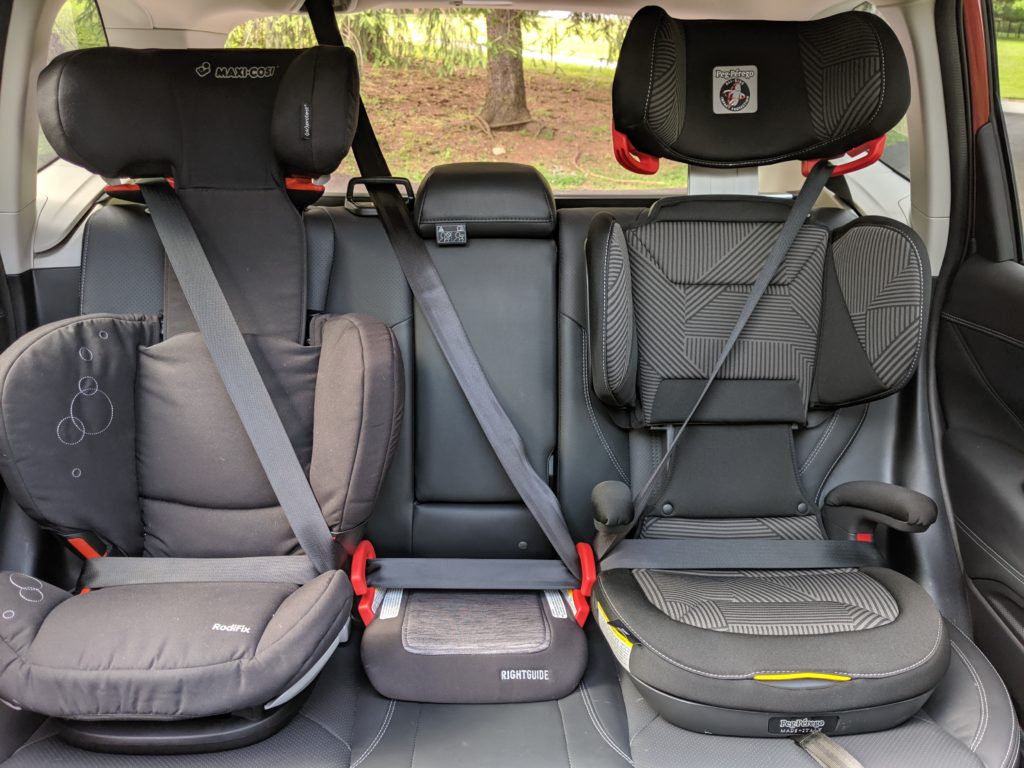
Choosing a narrow car seat can make a big difference for many drivers and passengers. These seats fit better in small cars and tight spaces. They offer comfort without crowding the vehicle. Narrow car seats keep safety and convenience in mind. They suit families and individuals who want practical seating options.
Benefits For Small Cars
Small cars often have limited space inside. Narrow car seats fit these vehicles better. They allow more room for other passengers or cargo. This means you can carry more people comfortably. The seat fits without blocking doors or windows. It keeps the interior less crowded and easier to move in.
Improved Passenger Comfort
Narrow car seats provide enough space for each passenger. They reduce the feeling of being cramped. Passengers can sit with better posture. This helps during long trips by lowering fatigue. The seats offer support without taking too much room. Comfort and space go hand in hand with these seats.
Enhanced Safety In Tight Spaces
Safety is a top priority in any vehicle. Narrow car seats allow easier access to seat belts and airbags. They help keep passengers secure without extra bulk. The seat fits tightly, reducing unwanted movement in crashes. This design helps protect passengers in smaller vehicles. It is a smart choice for safety in tight spaces.
Credit: realendpoints.com
Key Features Of Narrow Car Seats
Narrow car seats offer a smart solution for tight spaces. They fit well in small cars and crowded back seats. These seats keep children safe without taking up too much room. Understanding their key features helps you choose the right one for your needs.
Compact Dimensions
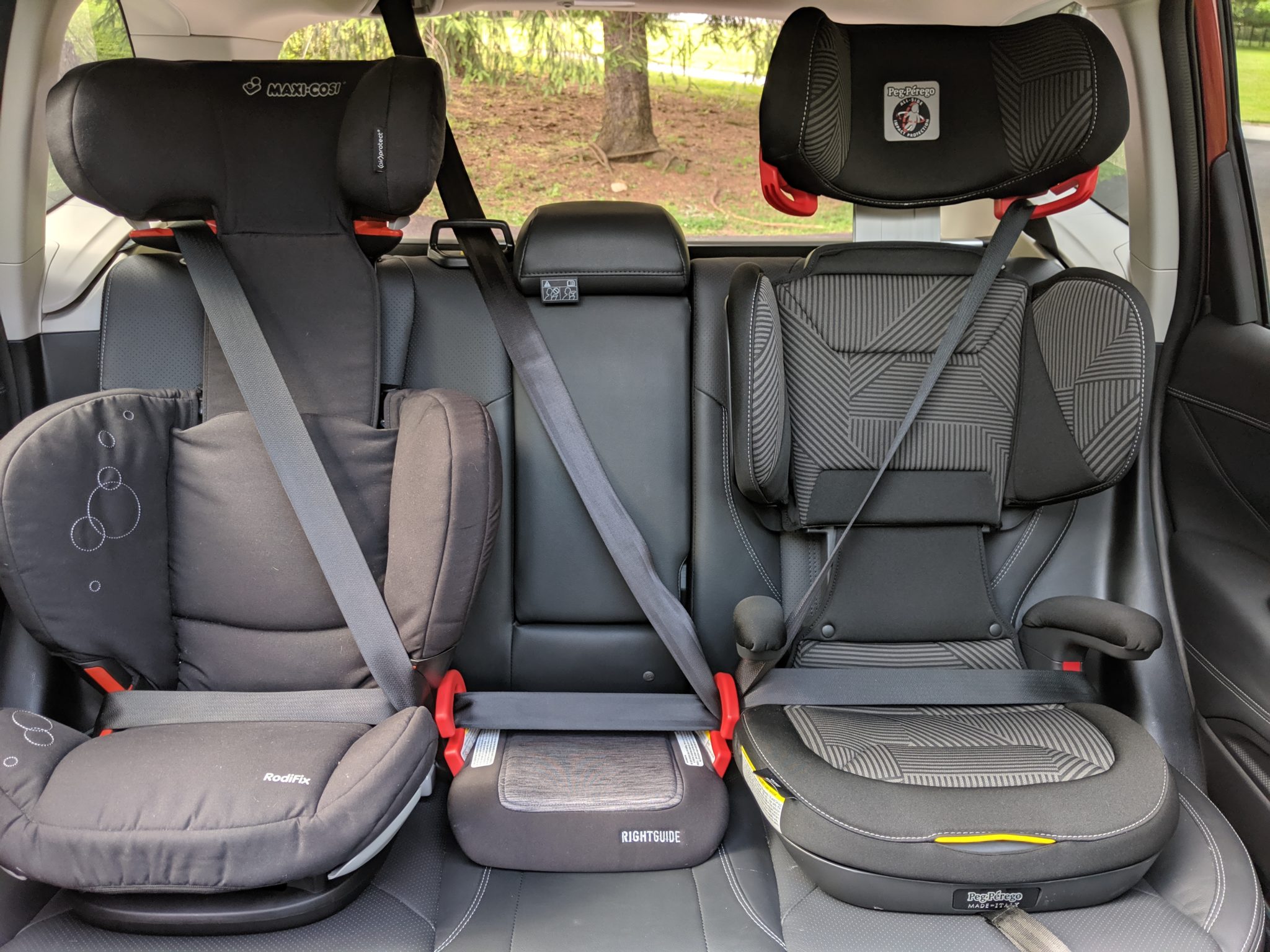
Narrow car seats have smaller widths than regular seats. This design saves space in your vehicle. They fit side by side easily, even in compact cars. Parents appreciate the extra room for passengers and gear. Compact size does not mean less safety or comfort.
Lightweight Materials
Manufacturers use light materials to make narrow car seats. This makes them easy to carry and install. Light seats reduce strain when moving between cars. Despite being light, these seats remain strong and durable. They balance safety with convenience perfectly.
Adjustable Design Elements
Adjustability improves the fit and comfort of narrow car seats. Features like adjustable headrests and harnesses grow with your child. Some seats recline to provide better comfort on long trips. These elements ensure proper support and safety at all times.
Top Narrow Car Seats For Small Spaces
Small cars need special car seats. Narrow car seats save space and fit better in tight spots. These seats make travel safe and easy for families with less room.
Choosing a narrow car seat means you can fit more seats or have extra space for bags. Comfort and safety stay top priorities even in compact designs.
Best Overall Compact Seat
The best overall compact seat offers strong safety and comfort. It fits well in small back seats without squeezing your child. Easy to install and adjust, it suits many car models. Parents appreciate its light weight and simple design. This seat suits most budgets and needs.
Budget-friendly Options
Budget-friendly narrow seats provide safety without high costs. These seats focus on essential features. They often have basic padding but meet safety rules. Easy to clean materials help busy parents. Perfect for small cars and short trips. A good pick for families who want value.
Premium Narrow Car Seats
Premium narrow car seats blend style, comfort, and safety. They use advanced materials and offer extra padding. Features include adjustable headrests and side impact protection. These seats fit tight spaces with sleek designs. Ideal for parents who want quality and space-saving together.
Installation Tips For Narrow Seats
Installing a narrow car seat can be tricky. It needs to fit perfectly to keep your child safe. Small gaps and tight spaces require careful attention. Follow these tips to install the seat correctly and efficiently.
Maximizing Space Efficiency
Place the car seat close to the vehicle seat edges. Avoid leaving large gaps on either side. Adjust the seat angle to fit better if possible. Remove bulky seat covers before installation. Keep the seatbelt or latch straps clear and untwisted. These steps create more room for the narrow car seat.
Ensuring Secure Fit
Check the seat’s manual for exact installation instructions. Use the vehicle’s lower anchors or seat belt firmly. Tighten straps until the seat moves less than one inch. Test by pushing side to side and front to back. Lock the seat in place to prevent shifting during travel. Safety depends on a strong, secure fit.
Common Installation Mistakes
Do not install the seat loosely or with twisted straps. Avoid placing the seat on soft or uneven cushions. Never skip the seatbelt locking step. Ignoring the angle indicator can cause improper positioning. Using the wrong belt path reduces safety. These errors can reduce protection in a crash.
Comparing Narrow Vs. Standard Car Seats
Choosing the right car seat matters for both safety and comfort. Narrow car seats and standard car seats differ in size and design. This affects how much space they use, how comfortable they are, and how safe they keep a child. Understanding these differences helps parents make better choices.
Space Utilization
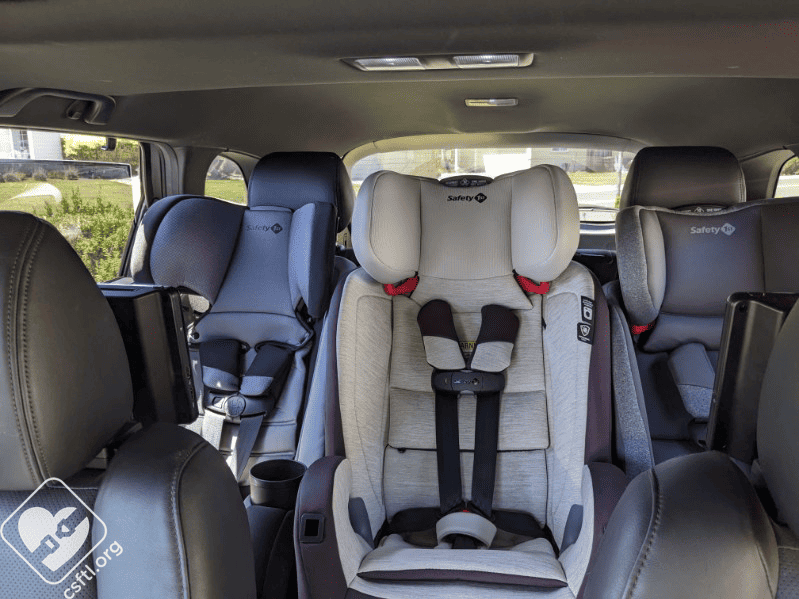
Narrow car seats save space inside the vehicle. They fit better in small cars or tight back seats. This allows for more seats or extra room for passengers. Standard seats take up more space but often offer a wider fit. Parents with multiple children often prefer narrow seats to fit more easily.
Comfort Levels
Standard car seats usually provide more padding and room. This can feel more comfortable for bigger children or long trips. Narrow seats may feel tighter but still offer good support. Comfort depends on the child’s size and seat design. Trying the seat before buying helps check comfort.
Safety Considerations
Both narrow and standard seats meet safety rules. The size does not reduce protection. Proper installation is key to safety for any seat. Parents should follow instructions carefully and use the seat correctly. Choosing the right seat for the child’s age and weight is most important.
Credit: csftl.org
Maintaining Narrow Car Seats
Narrow car seats need special care to stay in good shape. These seats take up less space, so dirt and damage can affect them quickly. Proper maintenance helps keep them clean and comfortable for every ride. Simple steps can extend the life of your narrow car seats and keep them looking fresh.
Cleaning Tips
Clean narrow car seats regularly to avoid buildup. Use a soft brush to remove dust and crumbs. Wipe with a damp cloth and mild soap for stains. Avoid harsh chemicals that can damage fabric or leather. Let the seats dry fully before using the car again.
Wear And Tear Prevention
Protect narrow seats by avoiding heavy or sharp objects. Use seat covers to reduce friction and spills. Encourage passengers to sit gently and avoid jumping on seats. Regularly check seat belts and buckles for damage. Small care steps help prevent big problems later.
When To Replace
Replace narrow car seats when padding feels thin or broken. Look for tears, cracks, or fading that cleaning can’t fix. Seats that no longer support comfort or safety need replacement. Check your car manual for seat lifespan advice. Safety should guide your decision to change seats.
Credit: propelbikes.com
Frequently Asked Questions
What Defines The Narrowest Car Seat On The Market?
The narrowest car seat is designed with a slim profile, measuring typically under 16 inches wide. It fits well in tight spaces, allowing multiple seats in the back. These seats balance safety, comfort, and compact dimensions for smaller vehicles.
Which Car Seats Are Best For Small Cars?
Car seats labeled as “narrow” or “compact” are ideal for small cars. Brands like Diono and Graco offer narrow models. They maximize space without compromising safety, making them perfect for compact vehicles or multiple child seating.
Are Narrow Car Seats Safe For Toddlers?
Yes, narrow car seats meet all safety standards. They undergo rigorous crash testing like wider seats. Always choose seats with proper harness systems and certifications to ensure toddler safety without sacrificing space.
How To Measure If A Car Seat Fits Your Car?
Measure your car’s rear seat width and compare it with the car seat’s base width. Check door clearance and seat belt compatibility. Confirm the seat fits snugly without movement for proper installation and safety.
Conclusion
Choosing the narrowest car seat can save space in your vehicle. It fits better in tight spots and crowded cars. Narrow seats still offer good safety and comfort for your child. Always check the seat’s measurements before buying. Make sure it meets safety standards.
A narrow car seat helps families with small cars travel easier. Keep your child safe and comfortable on every trip. Simple, smart choices matter for your child’s ride.


