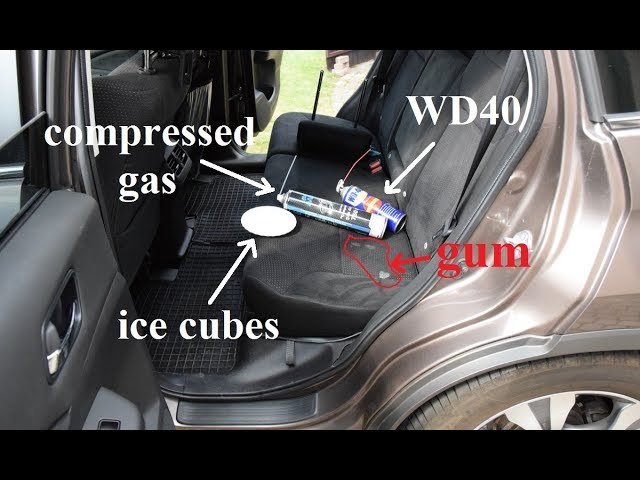


How to Remove Stains from Car Seat Upholstery: Expert Tips

Imagine getting into your car only to be greeted by unsightly stains on your seat upholstery. It’s frustrating, right?
Whether it’s from a spilled coffee, muddy shoes, or a wayward marker, those stains can make your car feel less inviting. You may even feel a bit embarrassed when giving rides to friends or family. But don’t worry—you can reclaim your car’s pristine look with a few simple techniques.
Are you tired of hiding those stains with seat covers or simply ignoring them? This article is here to help you tackle the problem head-on. You’ll learn effective methods to remove stubborn stains and restore your car seats to their former glory. By the end of this guide, you’ll have all the tips and tricks you need to make your car’s interior look as good as new. So, let’s dive in and get those seats spotless!
Types Of Upholstery Materials
Understanding the types of upholstery materials is crucial for stain removal. Each material demands a unique cleaning approach to ensure no damage occurs. By knowing your car seat’s material, you can apply the best stain removal techniques.
Fabric Upholstery
Fabric upholstery is common in many vehicles. It’s comfortable but prone to stains. Spills can soak in quickly, making immediate action essential. For fabric, a gentle cleaner works best. Always test a small area first. Use a soft brush to scrub the stain lightly. Avoid excess water to prevent mold.
Leather Upholstery
Leather upholstery offers a luxurious feel. Yet, it requires special care. Stains can easily damage the surface if left untreated. Use a leather-specific cleaner for best results. Always follow the product’s instructions. Avoid using too much liquid. Buff the area with a dry cloth after cleaning. Regular conditioning helps maintain leather’s shine.
Vinyl Upholstery
Vinyl upholstery is durable and easy to clean. It’s resistant to many stains but not all. For stains, use a mild soap solution. Gently wipe the area with a soft cloth. Avoid harsh chemicals that might cause discoloration. Rinse with clean water and dry with a towel. Regular maintenance keeps vinyl looking new.
Common Stains And Their Causes
Car seat upholstery often faces various stains daily. Understanding these stains helps in their removal. Stains originate from many sources, turning clean seats into a mess. Let’s explore some common causes of stains.
Food And Beverage Spills
Food crumbs and drinks often spill in cars. Sticky soda or juice leaves marks. Greasy fast-food wrappers can stain fabrics. Chocolate and candy also create stubborn spots.
Pet Stains
Pets bring joy but also stains. Muddy paws dirty seats fast. Pet hair and dander stick to fabric. Sometimes, pets have accidents, causing unpleasant stains.
Ink And Dye Marks
Pens and markers can leak in cars. Ink stains are tough on upholstery. Clothing dyes might transfer onto seats. Blue jeans and dark fabrics are common culprits.
Oil And Grease
Oil and grease stains are tricky. They often come from auto repairs. Sometimes from greasy takeout bags. These stains penetrate fabric deeply, needing special care.
Preparation For Cleaning
Removing stains from car seat upholstery can be a daunting task. Proper preparation makes the cleaning process easier and more effective. This section will guide you through the necessary steps before you start cleaning. Follow these steps to ensure your car seats are ready for a thorough clean.
Gathering Tools And Supplies
First, gather all the tools and supplies you will need. Basic items include a soft brush, clean cloths, and a vacuum cleaner. Purchase a good upholstery cleaner suited for your car seats. Some stains might require a special solution or spot remover. Read the labels to ensure they are safe for your upholstery material.
Testing Cleaning Products
Always test cleaning products on a small, hidden area first. This ensures the product won’t damage or discolor your seats. Apply a small amount and wait for a few minutes. Check for any adverse reactions. If everything looks fine, proceed with confidence to clean the rest of the seat.
Vacuuming The Upholstery
Before applying any cleaner, vacuum the upholstery thoroughly. Remove all loose dirt and debris from the car seats. Use a vacuum with a soft brush attachment to avoid damage. Pay special attention to the seams and crevices. This step prevents dirt from spreading during cleaning, ensuring a spotless finish.
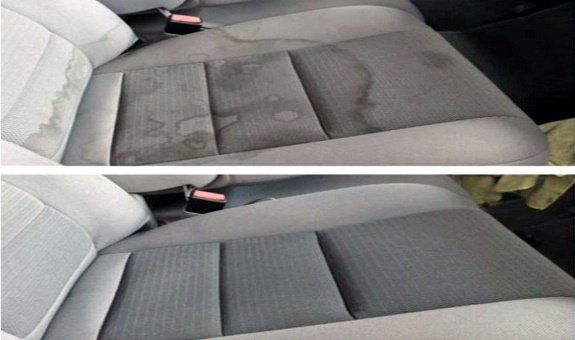
Credit: www.veishop.com
Stain Removal Techniques
Removing stains from car seat upholstery can be challenging. Various techniques can help you restore your seats to their original look. Whether your stains are from food spills, ink, or dirt, different methods can tackle them effectively. Explore these methods to see which suits your needs.
Using Homemade Solutions
Baking soda works well for stubborn stains. Mix it with water to form a paste. Apply the paste to the stain and let it sit for a few minutes. Then, gently scrub with a soft brush. Vinegar and dish soap also make a powerful cleaning duo. Combine equal parts vinegar and water. Add a small amount of dish soap. Spray the mixture onto the stain and wipe with a cloth.
Applying Commercial Cleaners
Commercial cleaners offer a convenient solution. Choose a cleaner designed for car upholstery. Follow the instructions on the label for best results. Test the cleaner on a hidden area first. This ensures no damage to the fabric. Use a soft cloth or sponge to apply the cleaner. Work in small sections to avoid soaking the seat.
Steam Cleaning Methods
Steam cleaning provides a deep clean. Use a steam cleaner with an upholstery attachment. Start by vacuuming the seat to remove loose dirt. Fill the steam cleaner with water. Allow it to heat up before use. Move the steam nozzle over the stain in slow motions. This helps loosen the stain particles. Always follow the manufacturer’s instructions for safe use.
Handling Stubborn Stains
Dealing with stubborn stains on car seats can be frustrating. Whether it’s ink marks, food stains, or grease spots, these blemishes require special attention. Ignoring them can lead to permanent damage. Let’s explore effective methods to tackle persistent stains.
Persistent Ink Marks
Ink stains can be tricky. Act quickly to prevent them from setting. Blot the stain with a clean cloth. Avoid rubbing, which spreads ink further. Use rubbing alcohol or hand sanitizer. Dab gently on the affected area. Test a small spot first to ensure it doesn’t damage the fabric. Repeat until the stain fades. Rinse with clean water and dry thoroughly.
Set-in Food Stains
Food stains often become stubborn over time. Begin by scraping off excess food. Apply a mixture of mild detergent and water. Use a soft brush to scrub gently. This helps to lift the stain from the fabric. For tougher stains, try a vinegar solution. Mix equal parts of vinegar and water. Blot the stain until it lightens. Rinse with clean water afterwards.
Deep Grease Spots
Grease spots penetrate deeply into upholstery fibers. Sprinkle baking soda over the stain. Let it sit for 15 minutes to absorb grease. Vacuum the area thoroughly. Apply a mix of dish soap and warm water. Use a cloth to dab the solution on the stain. Repeat if necessary for stubborn spots. Rinse with water and dry completely.
Preventive Measures
Keeping your car seats clean is crucial. It helps maintain their beauty and value. Simple preventive measures can save you a lot of trouble. Protect your car seats from stains with regular care.
Regular Maintenance
Regular vacuuming prevents dust build-up. Dust can lead to stains. Use a soft brush for gentle cleaning. It helps remove dirt without damaging upholstery. Clean the seats once a week for best results.
Protective Seat Covers
Seat covers are a wise investment. They shield your seats from spills and dirt. Choose waterproof covers for added protection. Covers come in various styles and materials. Select one that complements your car’s interior.
Immediate Spill Response
Act quickly when spills occur. Blot the area with a clean cloth. Avoid rubbing as it spreads the stain. Use a mild cleaner if needed. Test the cleaner on a hidden area first. Prompt action keeps stains from setting.
Frequently Asked Questions
How Can I Remove Coffee Stains From Car Seats?
To remove coffee stains, blot the area with a paper towel. Mix a solution of water and vinegar in equal parts. Apply it to the stain and scrub gently with a soft brush. Rinse with clean water and blot dry.
Repeat if necessary for stubborn stains.
What Is The Best Cleaner For Car Upholstery?
A mild detergent mixed with water is effective for cleaning car upholstery. Alternatively, use a commercial upholstery cleaner designed for car interiors. Test a small area first to ensure it doesn’t damage the fabric. Always follow the cleaner’s instructions for best results.
How Do I Remove Ink Stains From Car Seats?
Blot the ink stain immediately with a clean cloth. Apply rubbing alcohol to the stain using a cotton ball. Gently dab, don’t rub, to avoid spreading the ink. Rinse with water and blot dry. Repeat the process until the stain disappears completely.
Can Baking Soda Remove Car Seat Stains?
Yes, baking soda can effectively remove stains. Sprinkle baking soda over the stain and let it sit for 15 minutes. Vacuum the area thoroughly. For tougher stains, create a paste with baking soda and water, apply to the stain, scrub gently, and rinse.
Conclusion
Removing stains from car seat upholstery is simple with the right steps. Start with gentle solutions and gradually move to stronger ones if needed. Always test on a small area first to avoid damage. Regular cleaning prevents stubborn stains from setting in.
Keep your car seats fresh and welcoming with consistent care. Remember, a clean car seat makes every drive more pleasant. By following these tips, you protect your car’s interior and maintain its value. Enjoy a spotless ride every time. Happy cleaning!