


What is Rear Facing Car Seat: Ultimate Safety Guide for Parents

Are you sure your child’s car seat is the safest choice? Understanding what a rear facing car seat is could make all the difference in protecting your little one during a car ride.
This simple switch might be the key to keeping your child safer in an accident. If you want to learn how this type of car seat works and why experts recommend it, keep reading—you owe it to your child’s safety.
Benefits Of Rear Facing Car Seats
Rear facing car seats provide important safety benefits for young children. They offer better protection by supporting a child’s body in a crash. This type of seat helps reduce injuries and keeps toddlers safer during travel.
The benefits of rear facing car seats are clear. Understanding these can help parents make the best choice for their child’s safety.
Enhanced Protection For Toddlers
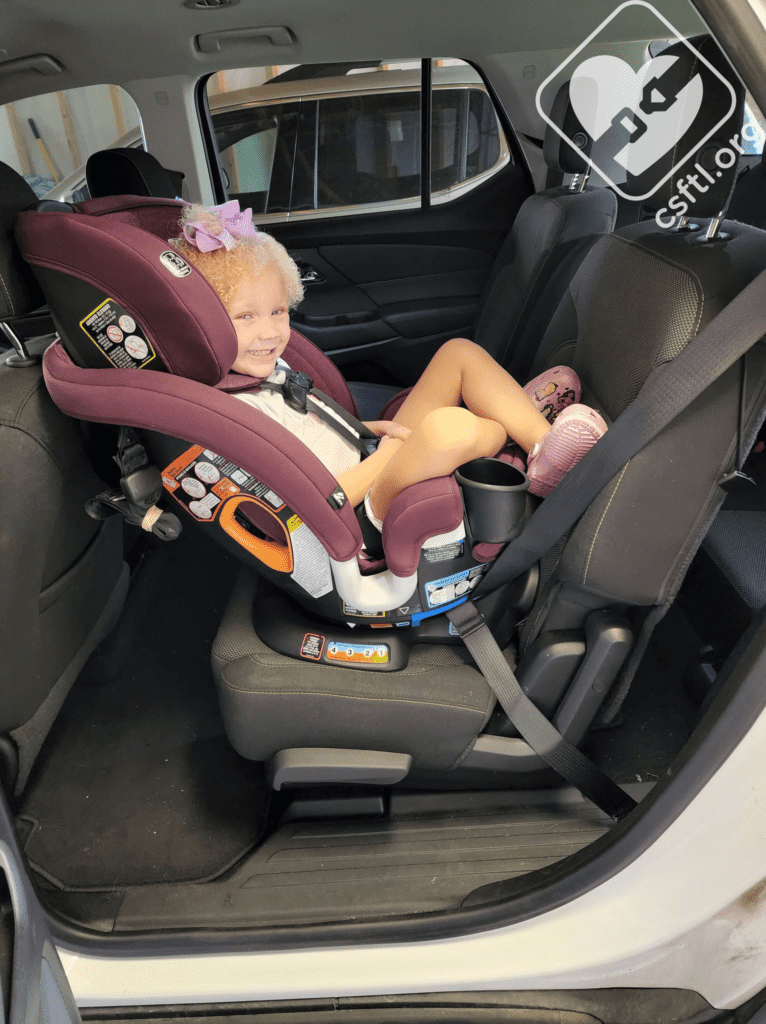
Rear facing seats support a child’s head, neck, and spine better than forward facing seats. They spread the force of a crash over the entire back. This reduces the risk of injury to the head and chest. Toddlers stay safer because their bodies are fully supported.
Impact On Child’s Neck And Spine
A child’s neck and spine are delicate and still growing. Rear facing seats hold these parts in a natural position. They prevent the neck from snapping forward in a crash. This lowers the chance of serious spine injuries. The seat acts like a protective shield for the child’s body.
Crash Safety Statistics
Studies show children in rear facing seats are less likely to be hurt. Crash tests find these seats reduce injury risk by up to 75%. Many safety experts recommend keeping children rear facing until age two or more. These statistics prove rear facing car seats save lives and reduce harm.
Credit: csftl.org
Age And Weight Recommendations
Rear facing car seats offer the best protection for young children. Understanding age and weight recommendations helps keep children safe. These guidelines show when to use rear facing seats and when to move on. Following them ensures your child rides comfortably and securely. Let’s explore the details.
Guidelines By Age
Infants should ride rear facing from birth. This position supports their head and neck. Many experts suggest using rear facing until age 2 or older. Some children may stay rear facing until age 3 or 4. Age alone is not enough to decide. Check weight and height limits too.
Weight And Height Limits
Car seats have specific weight and height limits. Rear facing seats often support children up to 40 pounds. Some seats allow even higher weight limits. Height is also important. The child’s head must stay below the top of the seat. Always read the car seat manual for exact limits.
When To Transition Forward
Move your child to a forward facing seat only after reaching limits. This means outgrowing the rear facing seat’s weight or height. Safety experts advise waiting as long as possible. Forward facing seats provide less protection in crashes. Keep your child rear facing for maximum safety.
Types Of Rear Facing Car Seats
Rear facing car seats keep young children safe during car rides. Different types of these seats fit various needs and ages. Choosing the right type helps protect your child better. Understanding each type makes the decision easier.
Infant-only Seats
Infant-only seats are made just for babies. They face the back of the car to protect tiny heads and necks. These seats are light and easy to carry. Most come with a handle to move the baby without waking them. They fit infants up to about 22 to 35 pounds.
Convertible Seats
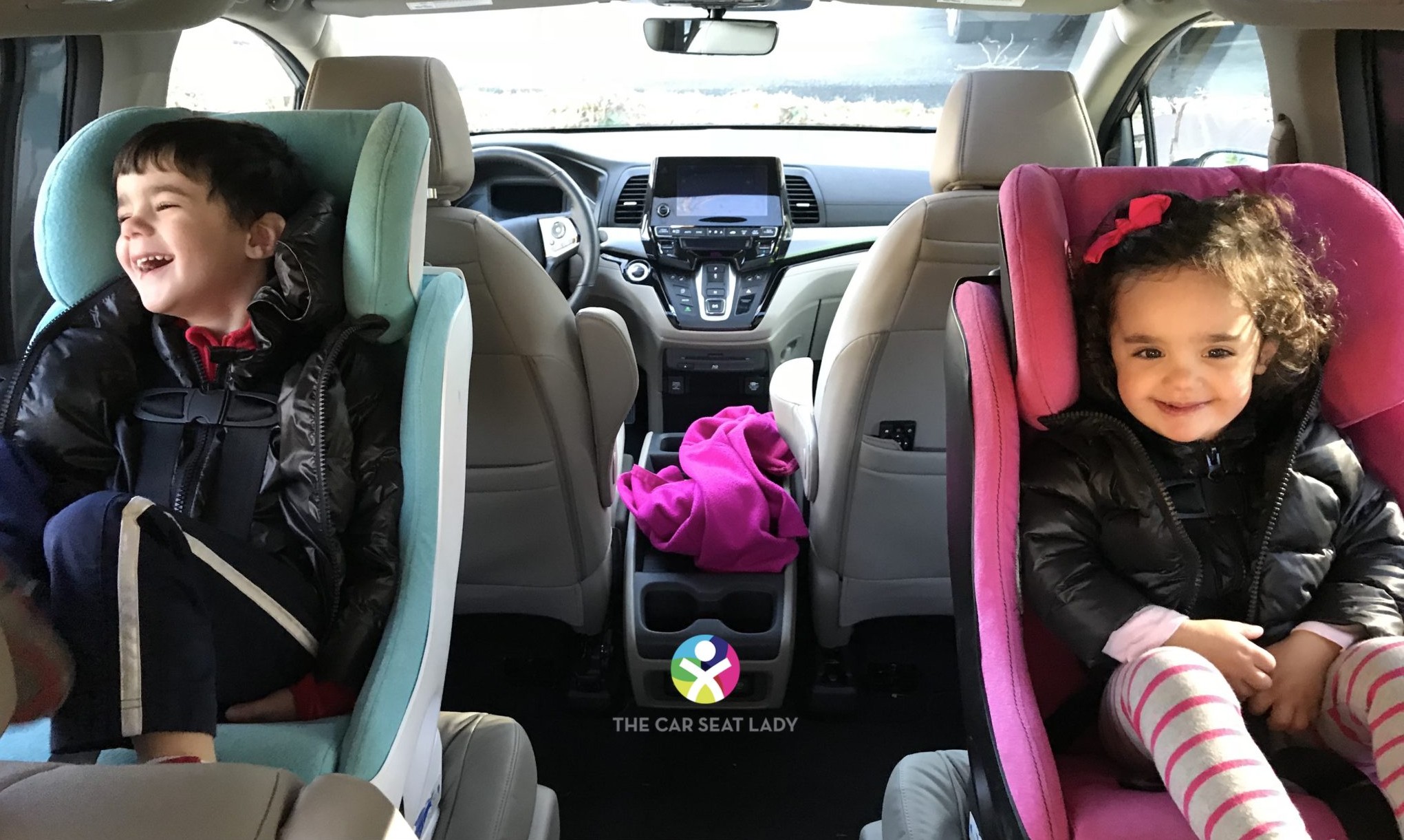
Convertible seats change as your child grows. They start rear facing for infants. Later, you turn them forward facing for toddlers. These seats usually hold heavier children than infant-only seats. They stay in the car, so you don’t carry the baby in the seat.
All-in-one Seats
All-in-one seats grow with your child from baby to big kid. They work as rear facing, forward facing, and booster seats. This type offers long-term use and saves money. They need more space in the car but give great flexibility.
Credit: thecarseatlady.com
Installation Tips And Tricks
Installing a rear-facing car seat correctly keeps your child safe during every ride. Small mistakes can cause big problems. Follow these tips and tricks to get the best fit and security for your car seat.
Choosing The Right Spot In The Car
The safest place for a rear-facing car seat is usually the back seat. Pick the middle seat if it fits well. This spot reduces the chance of injury from side impacts. Make sure the seat is flat and stable. Avoid spots with airbags or uneven surfaces.
Using Latch Vs. Seat Belt
Most cars have two ways to install a car seat: LATCH and seat belt. LATCH uses special hooks and anchors in the car. It is easier and faster for many people. Seat belts work well too, especially if your car or seat is older. Check your car’s manual to see weight limits for LATCH. Choose the method that holds the seat tightest and safest.
Ensuring A Secure Fit
After installation, test the seat’s tightness. Try moving it side to side and front to back. It should not move more than one inch. Tighten straps and connectors as needed. The car seat angle matters too. Use the built-in level or an angle indicator. Make sure your child’s head will not fall forward. A secure fit protects your child in every crash.
Common Mistakes To Avoid
Using a rear-facing car seat is the safest choice for young children. Many parents make mistakes that reduce the seat’s protection. Avoiding these errors keeps your child safer in the car. Pay close attention to these common issues.
Incorrect Harness Positioning
The harness should sit at or below your child’s shoulders. Too high or too low weakens protection during a crash. Tighten the straps so you cannot pinch any slack. Loose or twisted straps can cause injuries. Always check the harness fit before every ride.
Loose Installation
The car seat must not move more than one inch side to side. Use the seat belt or LATCH system correctly for a tight fit. A loose seat can shift during an accident and harm your child. Secure the base firmly and double-check the installation regularly.
Premature Forward Facing
Switching to a forward-facing seat too soon raises injury risks. Keep your child rear-facing as long as possible, at least until age two. The rear-facing position supports the head, neck, and spine better. Follow the car seat’s height and weight limits to know when to change.
Maintenance And Safety Checks
Maintaining a rear facing car seat ensures your child’s safety on every trip. Regular checks keep the seat strong and reliable. Proper care helps avoid accidents caused by worn or damaged parts.
Simple maintenance tasks can extend the life of the car seat. Knowing what to check and how to clean it is important. Staying aware of expiration dates and recalls protects your child from risks.
Regular Inspection
Check the car seat for cracks or broken parts. Tighten all straps and buckles firmly. Make sure the seat is installed correctly in your car. Look for wear on harnesses and padding. Replace any damaged components immediately.
Cleaning Guidelines
Remove the cover and wash it according to the label. Use mild soap and warm water for the plastic shell. Avoid harsh chemicals that can weaken the material. Let all parts dry completely before reassembling. Clean the harness straps with a damp cloth only.
Expiration Dates And Recalls
Every car seat has an expiration date printed on it. Using a seat past this date reduces safety. Check for recalls on your model regularly. Manufacturers issue recalls for safety concerns. Register your car seat to get recall updates fast.
Legal Requirements And Recommendations
Understanding the legal requirements and recommendations for rear facing car seats helps keep children safe. Laws and guidelines vary by place but share one goal: protect young passengers. Knowing these rules ensures proper use and compliance.
Laws By Region
Each country sets its own rules for rear facing car seats. Many require children under two years to ride rear facing. Some states or regions have stricter age or weight limits. Always check local laws before installing a car seat. These laws help reduce injuries in crashes.
Pediatrician Advice
Doctors recommend keeping children rear facing as long as possible. The American Academy of Pediatrics suggests at least until age two. Rear facing supports the head, neck, and spine during sudden stops. Pediatricians say this position offers the best protection. Parents should follow their doctor’s guidance closely.
Safety Organization Guidelines
Groups like the National Highway Traffic Safety Administration set clear guidelines. They advise using rear facing seats for toddlers until they outgrow height and weight limits. Safety experts stress proper installation and correct harness use. Following these guidelines reduces the risk of serious injuries.
Tips For Traveling With Rear Facing Seats
Traveling with a rear facing car seat can be challenging for both parents and children. Keeping the child comfortable and safe is important. Small tips can make trips easier and more pleasant. Here are some useful ideas to help on the road.
Comfort For The Child
Choose soft blankets and pillows that support your child’s head. Make sure the seat is reclined at the right angle. This helps keep the airway open and reduces fussiness. Dress your child in layers to adjust for temperature changes. Check regularly to ensure the child is not too hot or cold.
Managing Longer Trips
Plan for regular breaks to let your child stretch and move. Stop every 1-2 hours to avoid restlessness. Bring snacks and drinks to keep your child happy and hydrated. Use a quiet toy or book to keep the child entertained. Keep the car cool and free from strong smells.
Using Travel Accessories
Use sunshades to protect your child from bright sunlight. Attach toys to the seat to avoid dropping them. A mirror helps you watch your child without turning around. Use a travel organizer to keep essentials close and tidy. Choose accessories that are safe and easy to clean.
Credit: www.healthychildren.org
Frequently Asked Questions
What Is A Rear Facing Car Seat?
A rear facing car seat is designed for infants and toddlers. It faces the back of the vehicle to protect the child’s head, neck, and spine during sudden stops or collisions. This position absorbs crash forces better than forward facing seats.
Why Choose Rear Facing Car Seats For Babies?
Rear facing seats offer superior safety for babies. They support the head and neck, reducing injury risk in crashes. Experts recommend keeping children rear facing until at least age two for optimal protection.
When Can A Child Switch To Forward Facing?
Children should remain rear facing until they reach the seat’s height or weight limit. This is usually around age two or older. Switching too early increases the risk of injury during accidents.
Are Rear Facing Car Seats Compatible With All Vehicles?
Most modern vehicles support rear facing seats using LATCH or seat belts. Always check your car and seat manuals for proper installation guidelines. Correct installation is crucial for child safety.
Conclusion
A rear facing car seat keeps your child safer during travel. It supports their head and neck better in crashes. Experts recommend using it as long as possible. Always follow the seat’s weight and height limits. Check your car seat’s installation carefully before each trip.
Choosing the right car seat means protecting your little one. Safety should always come first on every journey. Remember, a rear facing seat is a smart choice. Keep your child safe and secure on the road.


