


How to Get Stain Out of Leather Car Seat: Expert Tips

Ever climbed into your car, only to notice an unsightly stain on your leather seat? You’re not alone.
Leather seats add a touch of luxury and elegance to any vehicle, but they can also be magnets for stubborn stains. Whether it’s a coffee spill, ink blot, or mud from an adventurous outing, these blemishes are frustrating. But before you start to panic or consider an expensive professional cleaning service, take a breath.
You can tackle this problem head-on with a few simple tips. Imagine the satisfaction of restoring your car’s interior to its pristine condition. Your leather seats can look as good as new, and the process might be easier than you think. Ready to discover the secret to maintaining your car’s beauty and value? Let’s dive into the practical steps that can help you reclaim the spotless look of your leather car seats.
Credit: avalonking.com
Types Of Leather Car Seats
Leather car seats come in different types, each with unique characteristics. Understanding the type of leather is crucial to effectively removing stains. Each type requires specific care and cleaning methods. Let’s explore the main types of leather car seats.
Genuine Leather
Genuine leather is made from real animal hide. It’s durable and has a natural look. Genuine leather is more expensive and requires regular maintenance. Its porous nature makes it susceptible to stains. Cleaning requires gentle, leather-specific products to avoid damage. Water can cause spots, so use a damp cloth carefully.
Synthetic Leather
Synthetic leather, often called faux leather, is man-made. It’s cheaper and easier to maintain than genuine leather. Synthetic leather resists stains better due to its non-porous surface. You can clean most stains with mild soap and water. Avoid harsh chemicals to prevent cracking and peeling.
Aniline Leather
Aniline leather is dyed with soluble dyes. It retains the hide’s natural texture and markings. It’s soft and luxurious but highly susceptible to stains. Aniline leather requires delicate cleaning methods. Avoid using water-based cleaners, which can cause discoloration. Use a dry cloth or specialized aniline cleaner for stains.
Credit: www.reddit.com
Common Stains On Leather Seats
Leather car seats add elegance and comfort to your vehicle. But they are prone to various types of stains. These stains can affect the appearance and value of your car. Identifying common stains on leather seats helps in quick cleaning. This prevents long-term damage. Let’s explore the most frequent culprits.
Food And Beverage Spills
Food and drink stains are quite common on leather seats. Coffee, soda, and juice often spill during drives. Greasy food can leave marks. These stains can soak into the leather, causing discoloration. Quick action is vital. Use a damp cloth to blot the spill. Avoid scrubbing, as it can spread the stain further.
Ink And Pen Marks
Ink stains are tough on leather. A forgotten pen in the car can leak. Or, accidental pen marks may appear. These stains require prompt attention. Rubbing alcohol or a dedicated leather cleaner can help. Test the cleaner on a hidden area first. This ensures it won’t damage the leather.
Oil And Grease
Oil and grease stains are challenging. They can come from food or mechanical work. These stains penetrate leather quickly. Cornstarch or talcum powder can absorb fresh grease. Let it sit overnight for best results. Gently brush off the powder the next day. This simple method can save your leather seats.
Essential Cleaning Materials
Cleaning leather car seats can be tricky. Stains often seem stubborn. Essential cleaning materials make the task easier. These materials protect your leather seats. They ensure effective stain removal. Let’s explore what you need.
Cleaning Solutions
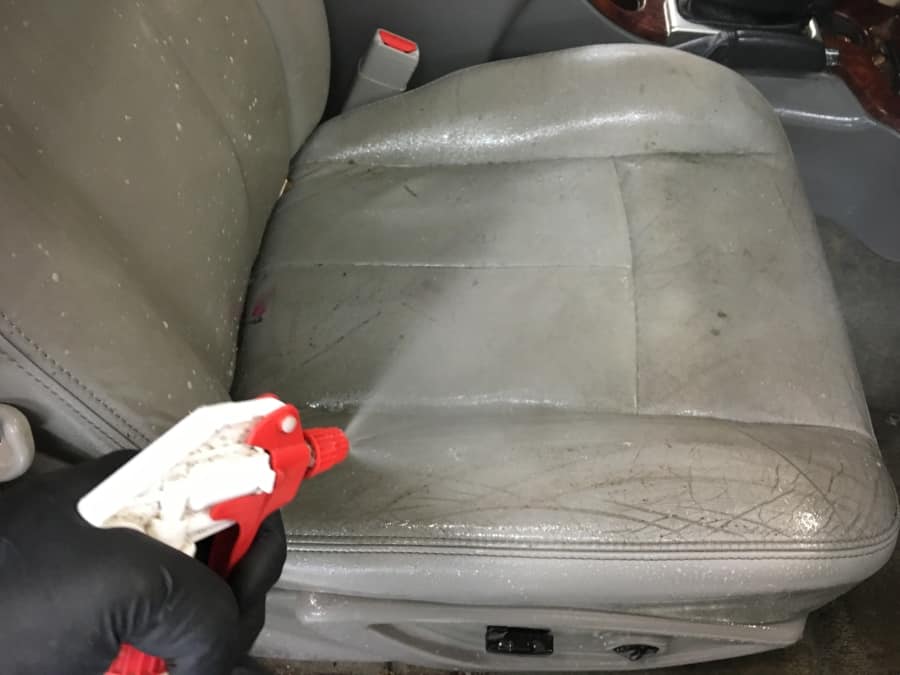
Choose a leather-friendly cleaner. Avoid harsh chemicals. They damage the leather. Opt for mild soap or specialized leather cleaner. These products gently clean. They preserve the leather’s quality. Spray the cleaner directly on the stain. Let it sit for a moment.
Soft Cloths And Brushes
Soft cloths help in cleaning. Microfiber cloths are best. They absorb moisture well. Use them to wipe the leather. Brushes are useful for stubborn stains. Pick one with soft bristles. It should not scratch the leather. Gently scrub the stained area.
Protective Gear
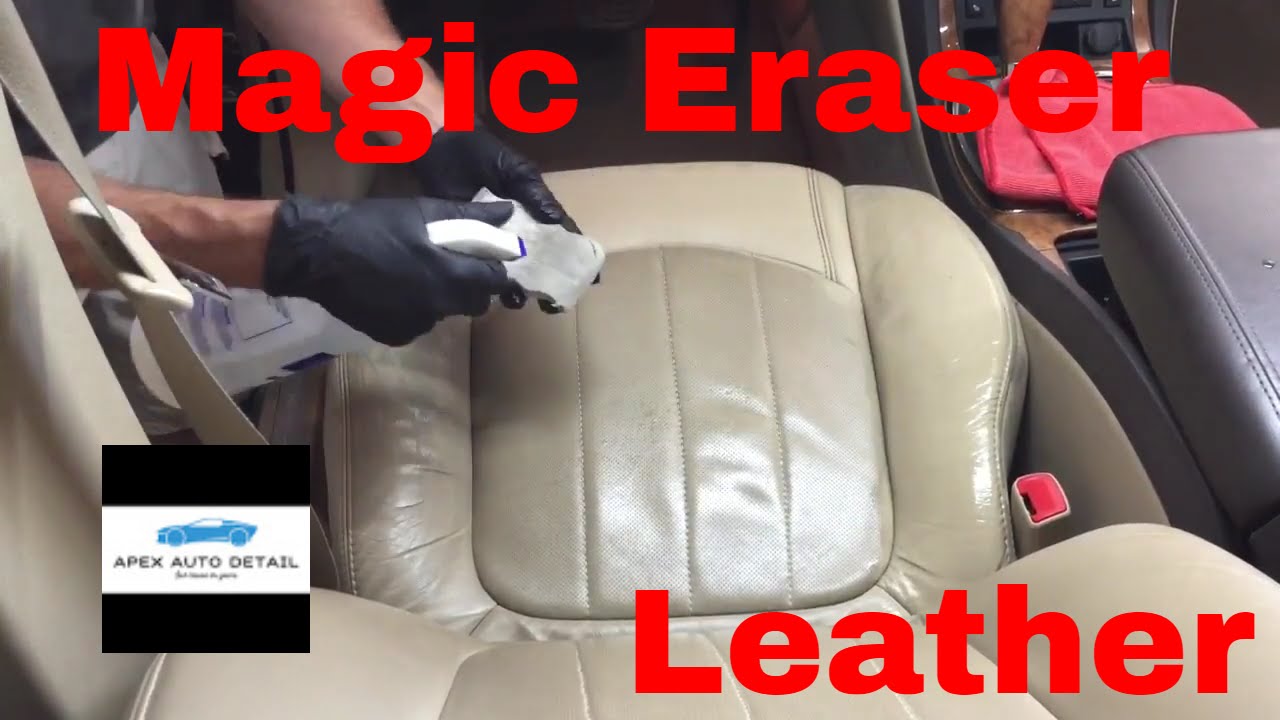
Gloves protect your hands. They keep chemicals away from your skin. Wear a mask if needed. Some cleaners have strong odors. Ventilate the area well. Open car windows or doors. This ensures fresh air circulation.
Credit: www.youtube.com
Pre-treatment Steps
Leather car seats can add elegance to your vehicle. Yet, stains can ruin their beauty. Removing stains requires careful steps. Pre-treatment is crucial before tackling the stain fully. It prepares the area and ensures better cleaning results. These steps set the foundation for a successful stain removal process.
Vacuum The Area
Start by vacuuming the stained area. This removes dust and loose dirt. Dirt can scratch leather if rubbed during cleaning. Use a soft brush attachment for gentle cleaning. Make sure to cover all nooks and crannies. A clean surface helps cleaning agents work more effectively.
Test Cleaning Products
Choose a mild leather cleaner. Test it on a small, hidden area first. This ensures it won’t damage or discolor the leather. Wait for a few minutes to see the reaction. If the leather looks unchanged, proceed with the cleaning. Testing prevents costly mistakes.
Blot Excess Stains
Blot the stain gently with a dry cloth. Avoid rubbing, which can spread the stain. Dab the area until no more liquid comes off. This helps limit the stain’s spread. Blotting also prepares the area for deeper cleaning. Effective blotting reduces cleaning time.
Stain Removal Techniques
Leather car seats add a touch of luxury to any vehicle. But stains can mar their beauty. Effective stain removal techniques can restore their pristine look. Let’s explore some methods to tackle those stubborn stains.
Using Leather Cleaner
Leather cleaners are specially formulated for car seats. They remove stains without damaging the leather. Apply the cleaner with a soft cloth. Gently rub the stained area in a circular motion. Allow the cleaner to sit for a few minutes. Wipe it off with a clean, damp cloth. This method is quick and efficient for most stains.
Homemade Cleaning Solutions
Homemade solutions can be effective and budget-friendly. A mixture of vinegar and water works well on many stains. Mix equal parts in a spray bottle. Spray on the stained area and let it sit briefly. Wipe off with a soft cloth. Baking soda and water paste is another option. Apply, let it dry, then brush it off gently.
Professional Cleaning Services
For tough or delicate stains, professional services are best. They use specialized equipment and techniques. Professionals ensure the leather remains undamaged. They can handle even the most stubborn stains. This option may be more costly. But it ensures your leather seats stay in top condition.
Preventing Future Stains
Regular cleaning helps in preventing future stains on leather car seats. Use a protective leather conditioner to shield against spills and dirt. This simple routine extends the life of your car seats while maintaining their sleek appearance.
Preventing stains on leather car seats is easier than dealing with them. Regular care keeps seats looking new and beautiful. Simple steps can help avoid future mishaps. Protecting leather doesn’t have to be complicated. Let’s explore some practical methods for keeping those seats spotless.Regular Maintenance
Regular cleaning is crucial. Dust and dirt can lead to stains over time. Wipe seats with a damp cloth weekly. Use a leather cleaner monthly for deeper cleaning. This prevents grime buildup and keeps seats fresh. Regular care can extend the lifespan of your leather.Using Seat Covers
Seat covers are a simple solution. They shield leather from spills and dirt. Choose covers made from breathable materials. They keep seats cool and comfortable. Covers can be stylish too. Pick a design that complements your car’s interior.Applying Leather Protectant
Leather protectants create a barrier. They repel liquids and stains. Apply a protectant every three months. It keeps leather soft and supple. Protectants prevent cracking and fading. They are easy to apply and make cleaning easier.When To Seek Professional Help
Leather car seats add elegance and comfort to any vehicle. Yet, stains can mar their appearance. While some stains are manageable, severe cases require professional intervention. Knowing when to seek expert help can save your seats and money.
Identifying Severe Damage
Assess the stain closely. Large or deep stains might indicate severe damage. If the leather feels rough or cracked, it needs professional care. Discoloration that persists after cleaning attempts often signals deeper issues.
Accidental cuts or tears can worsen over time. Professionals can repair these properly. If the leather emits an unusual odor, it might have absorbed harmful substances. These instances call for expert evaluation.
Evaluating Cost And Benefits
Professional cleaning may seem costly. Weigh this against potential expenses from untreated damage. Minor issues can escalate, leading to higher repair costs later. Experts ensure thorough cleaning, preserving the leather’s lifespan.
Professionals offer warranties for their services. This protects your investment. Consider the peace of mind from knowing your car seats are in skilled hands. The benefits often outweigh the initial cost.
Frequently Asked Questions
How Do I Remove Stains From Leather Car Seats?
To remove stains, start by blotting with a clean, damp cloth. Avoid rubbing, as it can damage the leather. Use a gentle leather cleaner and follow the manufacturer’s instructions. Test the cleaner on a hidden area first. Regular maintenance and conditioning help prevent future stains.
Can Vinegar Clean Leather Car Seats Effectively?
Yes, vinegar can clean leather car seats. Mix equal parts of white vinegar and water. Dampen a cloth with the solution and gently wipe the stain. Always test on a hidden area first. Follow up with a leather conditioner to maintain softness and prevent drying.
Is It Safe To Use Baking Soda On Leather?
Yes, baking soda is safe for leather. It can absorb and neutralize odors. Sprinkle a small amount on the stain, let it sit for a few hours, and then vacuum. Ensure you condition the leather afterward to maintain its suppleness.
What Household Items Can Clean Leather Seats?
Household items like vinegar, baking soda, and mild dish soap can clean leather seats. Use them with care. Always test on a hidden area first. Use a soft cloth for application. Conditioning the leather afterward is essential for maintaining its texture.
Conclusion
Leather car seats can stay pristine with the right care. Stain removal tips make the task easier. Remember to act quickly on spills. Use gentle cleaning solutions. Test them on a hidden spot first. Avoid harsh chemicals. They can damage leather.
Regular maintenance keeps your seats looking new. Clean and condition them often. Enjoy your spotless leather seats. Feel proud of your clean car interior. Your efforts make a difference. Safe travels with clean seats!


