


How to Put Car Seat Straps Back on: Easy Step-by-Step Guide

Have you ever faced the frustration of putting car seat straps back on after cleaning or adjusting your child’s car seat? It’s a common struggle, and you’re definitely not alone.
Ensuring those straps are correctly reattached is crucial for your child’s safety, but the process can feel overwhelming. But don’t worry—this guide is here to help you navigate this task with ease. Imagine the peace of mind you’ll have knowing your child is securely buckled in, every single time you hit the road.
Stick with us, and you’ll discover simple, step-by-step instructions that make reattaching those straps not just manageable, but surprisingly straightforward. Ready to turn car seat confusion into confidence? Let’s dive in.
Credit: www.tncim.com
Preparing The Car Seat
Preparing the car seat is a crucial step. It ensures safety and ease when putting the straps back on. A well-prepared seat makes the process smoother and faster. Before you begin, make sure everything you need is ready. This will save time and prevent frustration. Each step in preparation is important for your child’s safety.
Gather Necessary Tools
Start by collecting the tools you need. Often, you only need basic tools like a screwdriver. Some car seats might require specific items. Check what your car seat needs beforehand. This ensures you have everything ready. Having the right tools keeps the process hassle-free.
Check Manufacturer’s Instructions
Always read the manufacturer’s instructions carefully. Each car seat brand has specific guidelines. These instructions provide essential information. They guide you through the process step by step. Following them ensures the seat is assembled correctly. If you lost the manual, visit the manufacturer’s website. Most offer downloadable versions online.
Credit: csftl.org
Removing Old Straps
Taking off old car seat straps can seem tricky. Follow clear steps to ensure they are reattached properly. This keeps your child safe during travel.
Removing old car seat straps might seem daunting. But with the right steps, it becomes simple. Understanding how to remove the old straps is crucial. This ensures you properly install the new ones. Follow this guide to make the process seamless.
Locate Strap Connections
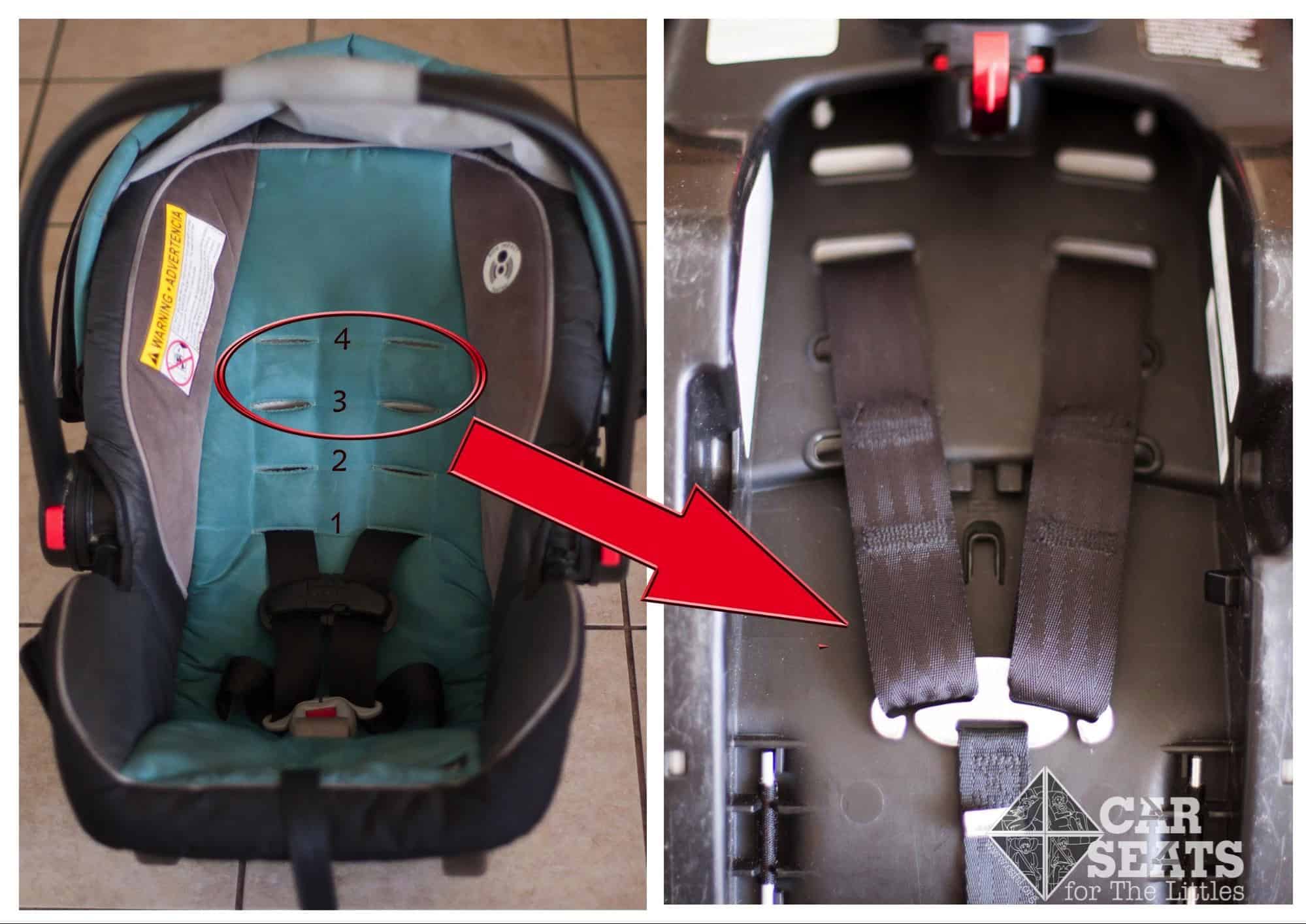
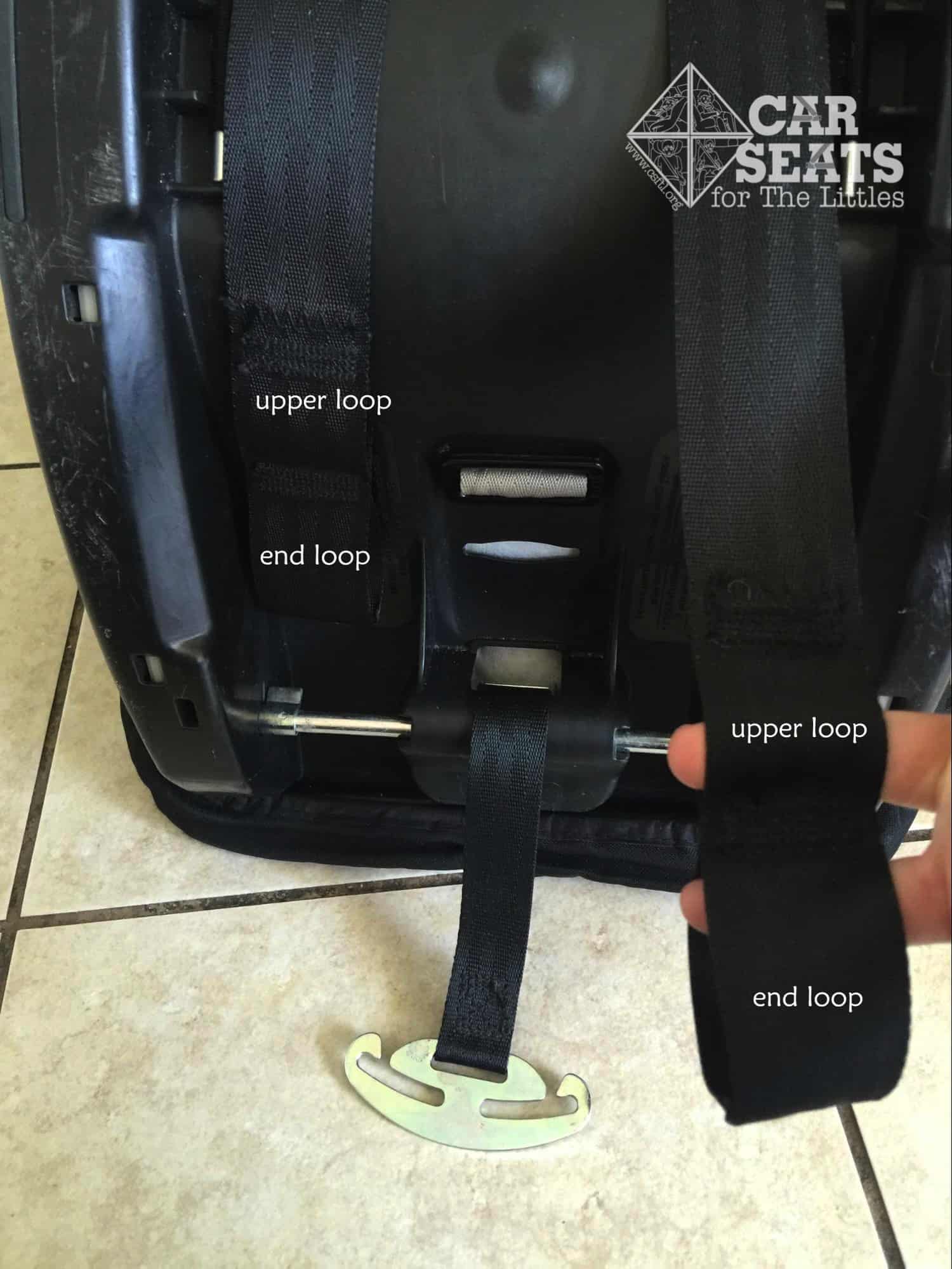
First, find where the straps connect to the seat. These connections are usually at the back of the car seat. Look for hooks or loops securing the straps. Familiarize yourself with their placement. This will help when reattaching new straps later.
Detach Harness From Buckle
Next, detach the harness from the buckle. Press the button to release the harness. Pull the harness out gently. Ensure you don’t force it. This prevents damage to the buckle or harness.
Remove Shoulder Straps
Finally, remove the shoulder straps. Check how they thread through the seat. Take note of their path. This will aid in reinstallation. Slide the straps out of their slots. Keep them aside for reference. Replacing them will be easier with this knowledge.
Installing New Straps
Installing new car seat straps might seem complex. But it’s straightforward. Following a clear process ensures safety and comfort for your child.
Secure Base Of Straps
First, locate the strap slots on the car seat. Insert the straps through these slots. Ensure they lie flat without twists or tangles. Pull them through until they are secure.
Attach Shoulder Straps
Next, connect the shoulder straps to the base. Align the straps with the harness slots. Slide them through carefully. Adjust the length for a snug fit on your child.
Connect Harness To Buckle
Finally, attach the harness to the buckle. Ensure it clicks securely into place. Tug gently to confirm it’s locked. This step is crucial for safety.
Adjusting For Fit
Ensuring your child’s car seat straps fit properly is crucial for safety. Adjusting for fit means making sure every part of the harness is secure. It involves checking the tightness and position of the straps. This simple task can protect your child during travel.
Check Strap Tightness
Strap tightness matters for safety. The straps should be snug against the child’s shoulders. Use the pinch test to check them. Try pinching the strap near the shoulder. If you can’t pinch any fabric, the fit is good. If you can pinch, tighten the straps.
Position Chest Clip
The chest clip plays a key role in strap positioning. It should sit at the child’s armpit level. This position keeps the straps aligned over the shoulders. Move it up or down to find the right spot. Make sure it is not too high or low.
Safety Checks
Ensuring car seat straps are secure is crucial for child safety. After reinstalling straps, thorough safety checks guarantee everything is in place. These checks prevent risks during travel, offering peace of mind.
Ensure Proper Installation
First, verify the car seat is installed correctly. Check the seat’s manual for installation guidelines. Ensure the seat is tightly secured and doesn’t move more than an inch. A stable car seat provides a strong base for the straps.
Test Strap Security
Next, examine the strap buckles and adjusters. Fasten them as you would with your child seated. Tug gently on the straps to test their hold. They should not loosen easily. If they do, recheck the installation.
Confirm the chest clip is at armpit level. This position is crucial for effective restraint. The straps should lie flat without any twists.
Credit: www.youtube.com
Common Mistakes To Avoid
Ensure car seat straps are placed correctly to avoid safety issues. Check for twists and secure the buckles tightly. Align straps with shoulder level for the best fit.
Putting car seat straps back on can be tricky. Many parents make common mistakes during this process. These mistakes can compromise your child’s safety. It’s important to know what to avoid. This ensures your child is secure and comfortable.
Avoid Twisted Straps
Twisted straps are a frequent issue. They can cause discomfort for your child. More importantly, they may impact safety. Always check that straps lay flat. Before buckling, smooth out any twists. Take a moment to adjust the straps properly. This small step can make a big difference.
Ensure Chest Clip Placement
The chest clip has a specific role. It keeps the straps in the right position. Many people place it too low or high. The chest clip should sit at armpit level. This ensures the straps are correctly aligned. Proper placement enhances safety in a crash. Always double-check its position before driving.
Frequently Asked Questions
How Do I Reattach Car Seat Straps Correctly?
Reattaching car seat straps requires following the manufacturer’s instructions. Ensure the straps are threaded through the correct slots. Check for any twists and secure the buckle properly. Always perform a tug test to ensure the straps are firmly in place for safety.
Can I Adjust Car Seat Straps Myself?
Yes, you can adjust car seat straps yourself. Locate the adjustment mechanism, usually a button or lever, and pull to tighten or loosen. Ensure the straps are snug, with no more than two fingers fitting between the strap and your child.
Why Are My Car Seat Straps Twisted?
Car seat straps can become twisted due to improper handling or adjustment. Always untwist them before securing your child. Follow the path outlined in the manual to ensure correct threading. Regularly check and adjust to maintain a smooth and flat alignment.
How Tight Should Car Seat Straps Be?
Car seat straps should be snug but comfortable. Ensure you can fit two fingers between the strap and your child’s collarbone. Straps should lie flat and not be twisted. Regularly check and adjust to maintain proper tension and ensure your child’s safety.
Conclusion
Putting car seat straps back on can seem tricky. Follow clear steps. Ensure the straps are secure and properly aligned. Safety is key for your child’s protection. Regular checks can prevent future issues. Practice makes the process easier over time.
Keep your car manual handy for reference. Remember, patience is essential. A well-secured car seat offers peace of mind. Your child’s safety depends on it. Always double-check your work before driving. Properly adjusted straps save lives. Stay informed and confident in your skills.
With practice, you’ll do it effortlessly. Safe travels!


