


How to Install Car Seat Without Latch System: Easy Guide

Have you ever found yourself puzzled by the thought of installing a car seat without a latch system? You’re not alone.
Many parents and caregivers face this challenge. Ensuring your child’s safety is a top priority, but the process can seem daunting without the convenience of a latch system. Don’t worry, though. This guide is here to simplify the process for you.
By the end of this article, you’ll feel confident and ready to secure your child’s car seat safely and correctly. Imagine the peace of mind you’ll have knowing your child is protected, no matter what kind of car you drive. Let’s dive in and make this task as straightforward as possible.
Importance Of Proper Installation
Installing a car seat correctly is crucial for child safety. Proper installation ensures the seat can protect your child in case of an accident. Many parents struggle with installing car seats without a latch system. It’s essential to understand the importance of securing the seat properly.
A car seat can only perform well when installed correctly. Incorrect installation might lead to serious injury during a crash. A poorly secured seat can move or detach. This compromises the safety of your child. Proper installation minimizes risks and enhances protection.
Ensuring The Seat Is Secure
Check the seat’s stability after installation. It should not move more than an inch side to side. Ensure the seatbelt is tightly fastened. Use your weight to press down the seat while tightening. This helps achieve a snug fit.
Understanding The Belt Path
Locate the belt path on your car seat. This is where the seatbelt goes through. Follow the manufacturer’s instructions for routing the seatbelt. Ensure the belt is flat and not twisted. A twisted belt can weaken the hold.
Using A Locking Clip
Some vehicles require a locking clip for secure installation. This small metal piece holds the seatbelt tight. Read the car seat manual to know if you need it. Place the clip an inch above the latch plate. It keeps the belt from loosening.

Credit: www.youtube.com
Types Of Car Seats Without Latch
Choosing the right car seat is crucial for your child’s safety. Many parents face challenges installing car seats without a LATCH system. Understanding the types available can simplify the process. Each car seat type offers different features and benefits.
Infant Car Seats
Infant car seats support babies from birth to around one year. They are rear-facing, which is the safest position for infants. These seats come with a base that stays in the car. You can easily secure them with the vehicle’s seat belt. Ensure the belt is tight and the seat doesn’t move more than an inch.
Convertible Car Seats
Convertible car seats grow with your child. They can be used rear-facing for infants and forward-facing for older children. This type offers long-term use, accommodating different weights and heights. Use the seat belt to secure them. Check the manual for proper belt placement. Make sure the seat is stable and snug.
Booster Seats
Booster seats are for older children who have outgrown convertible seats. They position the seat belt correctly over a child’s shoulder and lap. Booster seats without a LATCH system rely solely on the vehicle’s seat belt. Proper installation ensures the belt lies flat across the child’s body. Always check for any slack in the belt. A secure fit is essential for safety.
Tools And Materials Needed
Installing a car seat without the LATCH system can seem daunting. But with the right tools and materials, it becomes manageable. This section outlines everything you need before starting the installation process. Understanding these essentials ensures a secure and safe car seat installation.
Tools You’ll Need
A few basic tools are necessary for this task. First, gather a sturdy seat belt. This is crucial for securing the car seat. Next, a locking clip might be required. It’s essential for older vehicle models. A flat surface, like a driveway or garage floor, provides stability during installation. Lastly, consider having a helper. Extra hands can make the process smoother.
Materials To Prepare
Make sure you have the car seat manual. It provides specific instructions and safety tips. A clean cloth is useful for wiping down the seat and belt. This ensures no dirt interferes with the installation. Keep a flashlight nearby. It helps illuminate hard-to-see areas inside the car. Lastly, have a pen and paper ready. They are handy for jotting down notes or reminders.
Safety Considerations
Always prioritize safety. Ensure the car seat is appropriate for your child’s size. Check the seat’s expiration date. Expired seats may not provide adequate safety. Ensure the seat belt’s locking mechanism is functional. This prevents unwanted movement during travel. Test the car seat’s stability before driving. It should not move more than an inch in any direction.
Preparing The Vehicle Seat
Installing a car seat without a latch system requires extra care. The first step is preparing the vehicle seat. This process ensures the seat is ready for a secure installation. Proper preparation minimizes risks and enhances safety during travel.
Clearing The Space
Remove any items that clutter the vehicle seat. Books, toys, and other objects can obstruct installation. A clean, clear space helps with accurate placement. Shake out dust or crumbs to maintain a tidy area. This ensures the car seat sits flat and stable.
Adjusting The Vehicle Seat
Adjust the vehicle seat to an upright position. Avoid reclining it, as it can affect stability. Check the seat belt for accessibility. It should be easy to reach for fastening. Ensure the headrest does not interfere with the car seat. Adjust it as needed for proper alignment.
Positioning The Car Seat
Installing a car seat without the LATCH system can seem challenging. Proper positioning is key to ensuring safety and comfort for your child. Follow the guidelines to secure the car seat effectively. Make sure the car seat fits snugly and doesn’t wobble. The correct position helps protect your child in case of sudden stops or accidents.
Facing Directions For Different Ages
Infants and toddlers should face the rear of the vehicle. This position provides the best protection for their head and neck. Once a child outgrows the rear-facing seat, switch to a forward-facing seat. Older children should use a booster seat. This ensures the seat belt fits properly over their shoulders and lap. Always follow the seat manufacturer’s age and weight recommendations.
Center Vs. Side Placement
The center of the back seat is often the safest spot for a car seat. It provides maximum distance from potential impact in a side collision. If the center is not feasible, use the side positions. Ensure the car seat is away from airbags. Side placement is also safe if the seat is secured tightly. Always check your vehicle manual for specific recommendations.
Securing With Seat Belt
Securing a car seat with a seat belt is crucial for child safety. This method is essential if your vehicle lacks a latch system. Proper installation ensures your child’s protection during drives. Let’s explore how to secure a car seat using a seat belt effectively.
Locking Mechanism Types
Seat belts come with different locking mechanisms. These include automatic and manual types. Automatic lock systems engage when the belt is fully extended. Manual systems require a clip or lock-off device. Knowing your seat belt type aids in proper car seat installation.
Threading The Seat Belt
Begin by threading the seat belt through the car seat’s designated path. Ensure the belt is flat and not twisted. Pull the belt tight to remove slack. This helps in securing the car seat firmly. Always check the belt’s tension by pressing down on the seat. It should not move more than an inch.
Tightening And Testing
Installing a car seat without a latch system can be tricky. Proper tightening and testing are essential for safety. Ensuring a secure installation keeps your child safe during travel. Follow these steps to make sure your car seat is correctly installed.
Checking For Movement
Once the car seat is in place, check its movement. The seat should not move more than one inch side-to-side or front-to-back. Use your non-dominant hand to test for movement. This helps ensure the seat is firmly secured.
Adjusting The Harness
Adjust the harness to fit snugly on your child. The straps should lie flat and not twist. Position the chest clip at armpit level. This positioning keeps the harness secure during travel. Ensure you can fit only one finger under the harness at your child’s collarbone. This ensures a snug fit without being too tight.
:max_bytes(150000):strip_icc()/prt-booster-seats-test-graco-turbobooster-2-0-backless-private-02-f9e5e459e82645f29ecbfa93ef1ba163.jpeg)
Credit: www.henrycountyymca.org
Common Mistakes To Avoid
Installing a car seat without a latch system can be tricky. Many parents make common mistakes during the process. Understanding these errors can help ensure your child’s safety. Avoiding these mistakes makes the installation smoother and more secure.
1. Not Reading The Car Seat Manual
Always read the car seat manual before installation. Each car seat model has unique instructions. Ignoring the manual can lead to improper installation. This endangers your child’s safety.
2. Using The Wrong Belt Path
Car seats have different belt paths for rear-facing and forward-facing. Using the wrong belt path is a common error. Check the manual to find the correct path. This ensures the seat is secure.
3. Incorrect Seat Angle
Ensure the car seat is at the right angle. A wrong angle can affect your child’s comfort and safety. Most seats have indicators to guide the angle. Use these to position the seat correctly.
4. Loose Seat Belt
A loose seat belt can make the seat unstable. After installation, check the belt tightness. Pull the belt to ensure it’s snug. The car seat should not move more than an inch.
5. Forgetting To Lock The Seat Belt
Modern seat belts have a locking mechanism for car seats. Forgetting to lock the belt makes the seat insecure. Always double-check the seat belt lock after installation.
6. Placing The Seat In The Wrong Spot
The safest spot for a car seat is the back middle seat. This spot reduces the risk of side-impact accidents. Avoid placing the seat in the front seat.
7. Overlooking Expiration Dates
Car seats have expiration dates for a reason. An expired seat may not protect your child effectively. Always check the expiration date before using a car seat.
8. Ignoring Recalls
Manufacturers recall seats for safety issues. Ignoring these recalls can be dangerous. Register your car seat to receive recall updates. This keeps your child safe.
Safety Tips And Recommendations
Installing a car seat without a latch system might seem challenging. Safety is crucial for this process. Understanding the correct steps ensures your child’s security. Follow these tips to install a car seat safely.
Secure The Seat Belt
Make sure the seat belt is tight and locked. Use your body weight to press the seat firmly. Check for any slack in the belt. A secure belt keeps the seat stable.
Check The Angle
The car seat should have the right angle. Ensure the seat reclines properly. The angle keeps the baby comfortable. Use the built-in angle indicator if available.
Test The Installation
Push the seat from different sides. It should not move more than an inch. A stable seat means a safe ride. Test every time you install the seat.
Read The Manual
Review the car seat’s instruction manual. Follow the guidelines provided. Each seat may have unique installation steps. The manual helps you understand these steps clearly.
Seek Professional Help
If unsure, consult a professional. Many communities offer installation checks. These checks ensure your car seat is installed correctly. It’s better to be safe than sorry.
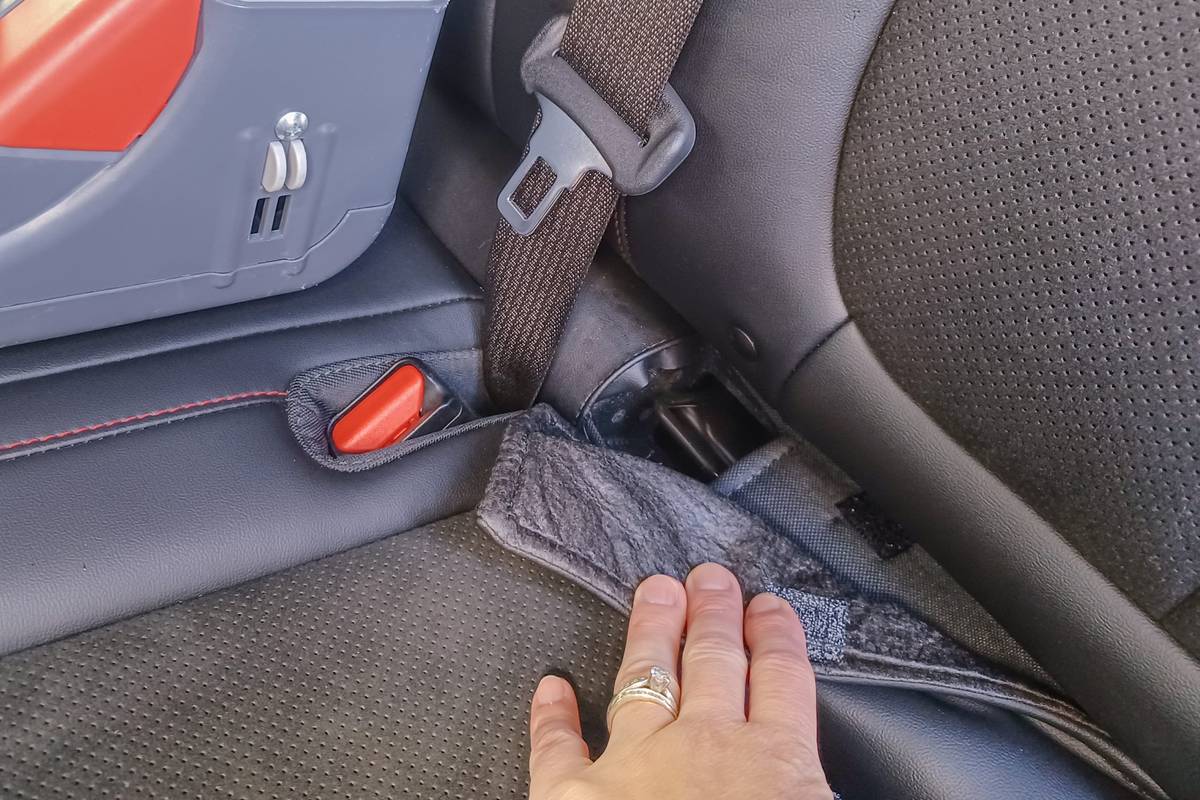
Credit: www.henrycountyymca.org
Frequently Asked Questions
What Is A Car Seat Without A Latch?
A car seat without a latch relies on the vehicle’s seat belt for installation. These seats are ideal for older vehicles without latch anchors. Proper installation ensures safety by securely fastening the seat with the seat belt. Always consult your car seat and vehicle manuals for specific instructions.
How To Secure A Car Seat Without Latch?
First, position the car seat on the vehicle seat. Thread the seat belt through the car seat’s belt path. Buckle the seat belt, ensuring it is tight and secure. Lock the seat belt to prevent movement. Check for any looseness by gently shaking the seat.
Can I Install Any Car Seat Without Latch?
Most car seats can be installed without a latch using the vehicle’s seat belt. Refer to the car seat’s manual to confirm compatibility. Ensure the seat belt is locked tightly. Always check for proper fit and secure installation according to the manufacturer’s guidelines.
Is A Seat Belt Safer Than Latch?
Both seat belt and latch systems are safe if installed correctly. The key is proper installation and secure fit. Choose the method that best fits your vehicle and car seat. Refer to both the vehicle and car seat manuals for guidance on safety and installation.
Conclusion
Installing a car seat without a latch system is simple. Follow these steps for safety. Use the vehicle’s seat belt to secure the seat. Ensure the seat is tightly fastened. Check for any movement or looseness. Adjust the angle for comfort and safety.
Regularly inspect the car seat installation. Make sure it stays secure over time. Your child’s safety depends on proper installation. Be patient and careful during the process. Practice helps make perfect. Now, you can drive confidently knowing your child is safe.


