


How Long Does an Infant Car Seat Last: Expert Insights

Are you wondering how long your infant car seat will keep your little one safe? As a parent, ensuring your child’s safety while traveling is your top priority.
But with so many products and opinions out there, it can be overwhelming to figure out what really matters. You might be surprised to learn that infant car seats have an expiration date, and using one beyond its lifespan can compromise safety.
Understanding the lifespan of your infant car seat is crucial not only for your peace of mind but also for your child’s well-being. Keep reading, and you’ll discover everything you need to know about the longevity of infant car seats and how to ensure your precious cargo is always protected.
Lifespan Of Infant Car Seats
Understanding the lifespan of infant car seats is crucial for child safety. Parents often wonder how long these seats remain effective. Knowing the lifespan helps in planning the right time for replacement.
Infant car seats usually last between 6 to 10 years. This period starts from the date of manufacture. Not from the purchase date. Always check the expiration date on the seat. It ensures your child’s safety. Car seat materials degrade over time. Exposure to heat and cold can cause wear. Regular inspection is important.
Factors Affecting Car Seat Lifespan
Several elements impact car seat longevity. Material quality plays a significant role. Higher-quality materials often last longer. Usage frequency also affects wear and tear. Seats used daily may wear out faster. Environmental factors, like humidity, can accelerate degradation. Proper storage can extend lifespan. Keep seats away from direct sunlight.
Signs Your Car Seat Needs Replacement
Watch for visible cracks or fraying straps. These indicate wear. Difficulty fastening harnesses means it’s time for a new seat. Check the expiration date regularly. If expired, replace immediately. A recalled seat should not be used. Always register your car seat with the manufacturer. Receive updates on recalls and safety information.
Factors Affecting Longevity
Understanding how long an infant car seat lasts is crucial for safety. Several factors affect the longevity of these seats. Knowing them helps you decide when to replace your car seat. Let’s explore these factors in detail.
Material Durability
The materials used in car seats matter a lot. High-quality fabrics and plastics last longer. They resist wear and tear. Low-quality materials may weaken over time. Sun exposure can also affect materials. It makes them brittle and less effective. Always check for signs of wear.
Manufacturing Standards
Manufacturing standards ensure car seat safety. Stricter standards mean better quality. Compliance with regulations is vital. Check for certifications. They confirm the seat meets safety requirements. Older seats might not meet current standards. Stay updated on changes.
Frequency Of Use
How often you use the seat impacts its lifespan. Daily use leads to faster wear. Occasional use means slower wear. Frequent adjustments can stress the seat. This might reduce its effectiveness. Regularly inspect your car seat. Look for signs of damage or wear.
Expiration Dates Explained
Understanding the expiration dates of infant car seats is crucial. These dates ensure your child’s safety. Many parents wonder why these seats expire. This section will clarify the reasons and meanings behind these dates. Knowing this information helps keep your child secure.
Decoding Expiry Labels
Expiry labels can be confusing. They are usually on the seat’s base or side. Check these labels carefully. They often include the manufacture and expiry dates. This information tells you how long the seat remains safe. The expiry date is not just a suggestion. It is essential for safety.
Reasons For Expiration
Materials in car seats degrade over time. Plastic can weaken. This reduces the seat’s strength. Safety standards also change. Old seats may not meet new safety guidelines. Car seat technology improves regularly. Expired seats might lack the latest safety features. All these factors make expiration dates vital.
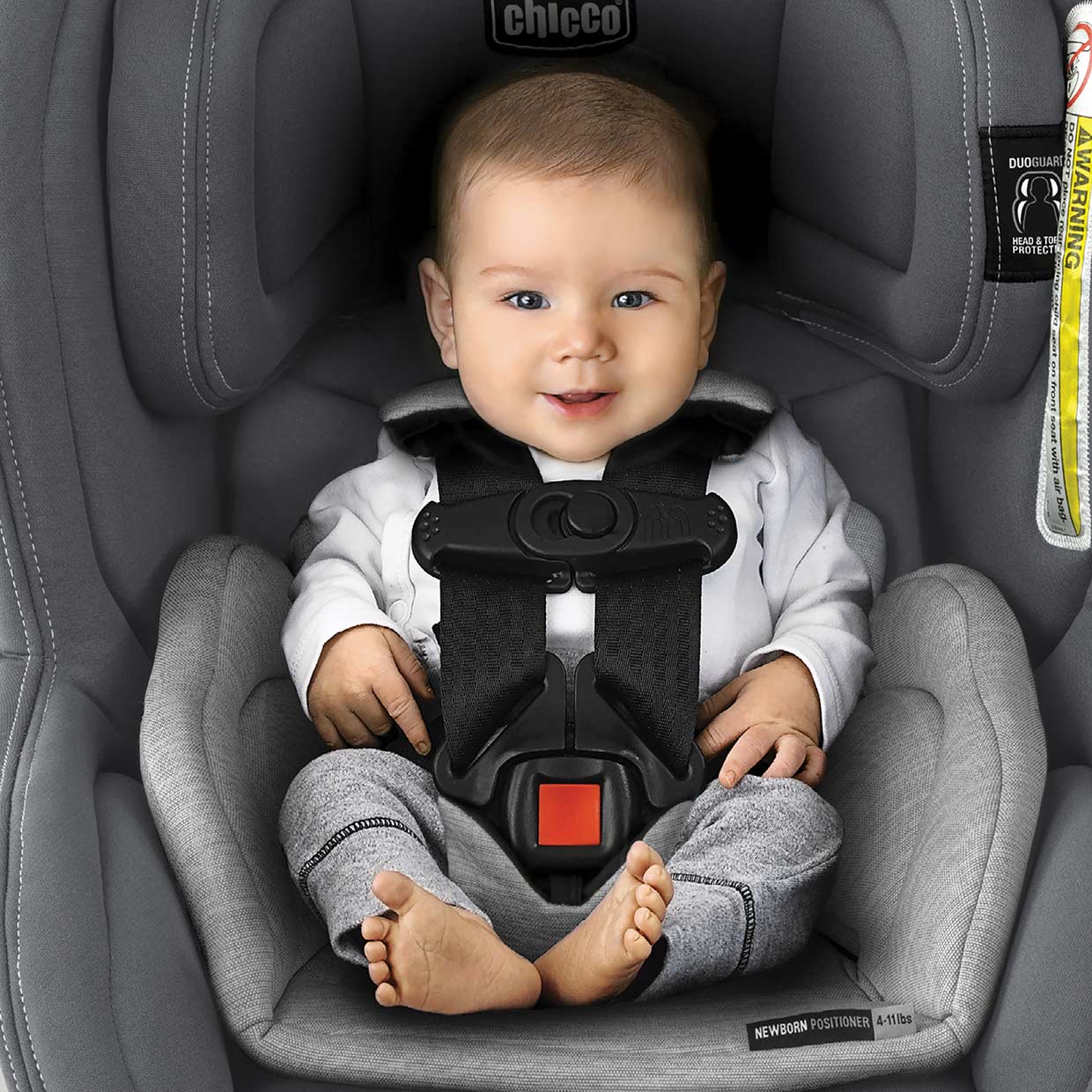
Credit: www.chiccousa.com
Safety Implications
Understanding the safety implications of an infant car seat is vital. It ensures your child’s protection during travels. Over time, car seats can face various challenges. These can impact their safety and effectiveness. Awareness of these factors helps in making informed decisions.
Impact Of Wear And Tear
Wear and tear affect car seat safety. Daily use can lead to straps loosening. It can cause buckles to malfunction. Even a small tear can compromise safety. Regular checks help identify these issues. Replace worn-out seats to maintain safety standards. Always prioritize your child’s protection.
Importance Of Updated Technology
Technology in car seats evolves rapidly. Newer models offer advanced safety features. They provide better head and neck support. Some have side-impact protection enhancements. Updated technology can mean better materials. It also ensures adherence to the latest safety standards. Keep informed about new developments for optimal safety.
Signs Of Wear And Damage
Infant car seats are essential for child safety during travel. But like all products, they can show signs of wear and damage over time. Regular inspections ensure your child’s safety. Let’s explore how to identify these signs effectively.
Visual Inspection Tips
Start by examining the fabric and padding. Look for frayed edges or torn material. Check the seat cover for stains or fading. These can indicate wear. Examine the harness straps carefully. Signs of fraying or loose threads mean they need replacing. Inspect the buckle and latches. They should click securely. If not, they might be worn out. Also, check the plastic shell for cracks or discoloration. This suggests possible damage.
Structural Integrity Checks
Focus on the car seat’s frame and base. Look for any visible cracks. Check the joints and attachment points. They should feel sturdy and secure. Wiggle the seat gently. Any loose parts might indicate structural issues. Examine the recline mechanism. It should function smoothly. If it sticks or jams, it may be damaged. Assess the harness system’s tension. It should adjust easily without slipping. Difficulty in adjustment can signal wear.

Credit: www.besafe.com
When To Replace Your Car Seat
Knowing when to replace your infant car seat is crucial for safety. Car seats can degrade over time, affecting their protective abilities. Parents often focus on expiration dates but overlook other factors. Let’s explore what to consider when replacing your car seat.
Age Vs. Condition
Car seats typically last six to ten years from the date of manufacture. This duration ensures materials like plastic and foam remain effective. Yet, age isn’t the only indicator. Inspect the seat for wear and damage. Look for cracks, frayed straps, and rusted metal parts. These can compromise safety even if the seat isn’t expired. Regular checks ensure your child’s seat is in top condition.
Consulting With Experts
Experts can offer valuable insights on car seat safety. Child passenger safety technicians know the latest guidelines and recommendations. They can assess the condition of your seat and advise on replacements. Many local organizations offer car seat inspections. These services are often free and provide peace of mind. Consulting professionals ensures your child rides safely.
Second-hand Car Seats
Buying second-hand car seats can save money but comes with challenges. Knowing the seat’s history is important. Seats can be damaged or expired. Safety might be compromised if not checked properly.
Risks And Considerations
Older car seats may not meet current safety standards. Laws change often; check if the seat complies. Damage may not be visible. Hairline cracks can reduce protection. Missing parts or labels make it hard to verify age and safety.
Recalls affect second-hand seats too. Ensure the seat wasn’t recalled for defects. Previous accidents can weaken a seat. Ask the seller about the seat’s history. If unsure, opt for a new seat.
What To Look For
Examine the car seat carefully. Check for visible damage. Look for cracks, wear, or missing parts. Ensure the harness works properly. The seat should adjust easily.
Find the expiration date. Car seats have a lifespan, usually six to ten years. Check the manufacturer’s label. It should be intact and readable. Verify if all parts are present and functional.
Research the model online. Ensure it meets current safety standards. Look for reviews or tests. Confirm it wasn’t recalled. A quick search can save you from buying an unsafe seat.
Maintaining Your Car Seat
Infant car seats typically last about six years from the manufacturing date. Check the expiration date on the seat’s label. Regularly inspect for wear and tear to ensure safety.
Maintaining your infant car seat is crucial for safety and longevity. A well-maintained car seat can offer reliable protection for years. Regular care keeps it clean and ensures all parts function properly. This also prevents unexpected wear or damage. Understanding how to maintain your car seat can save time and money. Below are some tips that can help you keep your infant car seat in excellent condition.Cleaning And Care Tips
Cleaning your car seat regularly is vital. Use mild soap and water for fabric parts. Avoid harsh chemicals which can weaken materials. Air dry the cleaned parts to avoid damage from heat. Check the manufacturer’s instructions for cleaning details. Remove crumbs and debris with a soft brush or vacuum. Wipe plastic parts with a damp cloth. This prevents buildup that can affect safety. Inspect the seat for damage or loose parts. Tighten any loose screws or clips. Ensure the harness is clean and free from twists. This guarantees optimal protection for your child.Proper Storage Advice
Store your car seat in a cool, dry place. Avoid direct sunlight which can fade colors and weaken materials. Heat can warp plastic parts, reducing safety. Use a cover or bag to protect the car seat. This shields it from dust and dirt. Ensure the seat is not compressed or squashed during storage. Proper storage maintains its shape and functionality. Check the seat periodically if stored for a long time. Look for signs of wear or damage. Replacing worn parts promptly ensures continued safety for your child.Future Trends In Car Seat Design
Car seat design is evolving rapidly. Parents demand more safety and comfort. Designers and engineers are focusing on future trends. They aim to create better car seats for infants.
Innovative Materials
New materials in car seat design enhance safety. Lightweight materials are gaining popularity. These materials reduce overall car weight. This makes carrying easier for parents. Materials like advanced polymers offer strength and flexibility. They also provide better impact resistance. Breathable fabrics improve infant comfort. These fabrics help reduce sweating during long rides.
Technological Advances
Technology is changing car seat design. Sensors are being integrated into seats. These sensors monitor temperature and position. Alerts can notify parents of unsafe conditions. Smart car seats can connect to apps. These apps offer real-time data and safety tips. Some car seats include built-in cameras. These cameras allow parents to keep an eye on their infant. Advanced locking systems ensure seats are securely fastened. This reduces the risk of incorrect installation.

Credit: www.nytimes.com
Frequently Asked Questions
How Long Is An Infant Car Seat Safe?
An infant car seat is typically safe for about six years. Manufacturers provide expiration dates, considering wear and tear. Always check the label for the exact expiration date. Regular inspections can ensure safety, but replacement is necessary once expired. Proper storage can extend its usability slightly.
Do Car Seats Expire After A Certain Period?
Yes, car seats expire after a specified period, usually six to ten years. Over time, materials degrade, affecting safety. Expiration dates are set based on testing and usage limits. Always check the manufacturer’s guidelines. Using expired seats risks reduced safety in accidents.
When Should I Replace My Infant Car Seat?
Replace your infant car seat if it’s expired, damaged, or involved in an accident. Check for manufacturer’s expiration date. Regularly inspect for wear and tear. If parts are missing or damaged, replacement is necessary. Always prioritize safety over cost considerations.
How Can I Tell If My Car Seat Is Expired?
Check the seat’s label or manual for the expiration date. Some seats have stickers indicating expiry. Compare the current date with the expiration date provided. If uncertain, contact the manufacturer for confirmation. Regular checks help ensure your child’s safety while traveling.
Conclusion
Infant car seats have a limited lifespan. Typically around six to ten years. Check the seat’s expiration date. Always consider wear and tear. Safety standards change over time. Update your car seat as needed. Regularly inspect for damage or recalls.
Prioritize your child’s safety. Always follow manufacturer guidelines. Invest in a new seat when required. It’s crucial for your child’s protection. Stay informed and proactive. Make sure your child travels safely. Understanding the lifespan helps ensure this. Your diligence makes a difference.
Keep your little one secure on every journey. Safe travels always matter.


