


When Can Babies Turn around in Car Seat: Expert Guide

You’ve just buckled your little one into their car seat, ready for another adventure. But as you drive, a question pops into your mind: “When can my baby turn around in their car seat?”
It’s a common concern for many parents, and rightly so. Ensuring your child’s safety while balancing their comfort is a top priority. In this guide, you’ll discover the key milestones and safety guidelines that determine when it’s time for that big switch.
Imagine the peace of mind you’ll feel knowing your child is both secure and comfortable. Let’s dive into the essential information you need, so you can make the best decision for your family’s journeys.
Car Seat Guidelines For Infants
Understanding car seat guidelines for infants is crucial for safety. Parents often wonder when babies can turn around in their car seats. These guidelines help ensure proper usage and maximum protection for your little one.
Rear-facing Requirements
Infants should ride in rear-facing car seats. This position provides the best protection. It supports the head, neck, and spine in a crash. Rear-facing is recommended until at least age two.
Types Of Rear-facing Car Seats
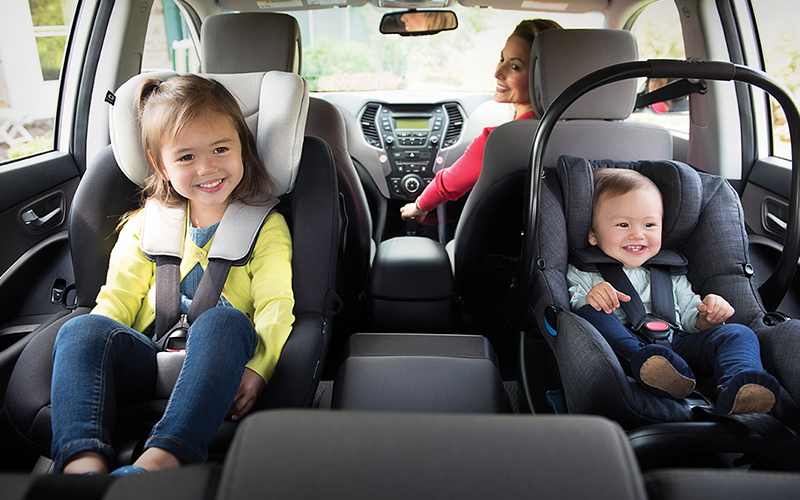
There are two main types of rear-facing seats. Infant-only seats and convertible seats. Infant-only seats are portable and easy to use. Convertible seats grow with your child, offering more longevity.
Proper Installation
Correct installation is vital for your baby’s safety. Always follow the car seat manual. Make sure the seat is tightly secured. The harness should be snug, not loose.
Weight And Height Limits
Check the car seat’s weight and height limits. These limits vary by model. Ensure your baby fits within these limits before turning the seat.
Transitioning To Forward-facing
Consider age and size before transitioning to forward-facing. Most experts suggest waiting until your child is at least two. Some recommend waiting even longer for added safety.
Common Mistakes
Many parents make common car seat mistakes. Installing the seat too loosely is one. Another is not securing the harness properly. Avoiding these mistakes ensures better protection.
Regular Checks And Updates
Regularly check your car seat for recalls or updates. Ensure it is still suitable for your child’s size. Staying informed helps keep your baby safe on every journey.
Age And Weight Considerations
Babies can turn around in their car seat after reaching the age of two and weighing at least 22 pounds. Ensuring proper seat orientation is crucial for safety. Parents should follow guidelines to protect their child during travel.
When choosing the right time to turn a baby’s car seat, age and weight are key. It’s crucial for parents to ensure their child’s safety. Car seat guidelines often specify age and weight as primary factors. Understanding these can help parents make informed decisions. Safety should always be the top priority for every parent.Understanding Age Guidelines
Experts recommend keeping babies rear-facing until age two. This position offers more protection during a collision. Younger babies have fragile necks and spines. Rear-facing seats support these vulnerable areas better. Some car seats are designed to accommodate children up to a certain age. Always check the manufacturer’s guidelines for age recommendations.Importance Of Weight Considerations
Weight is just as important as age. Car seats have weight limits for a reason. Exceeding these limits can compromise safety. Babies grow at different rates. Some may outgrow their car seat by weight before age. It’s crucial to monitor your child’s weight regularly. This ensures they remain within safe limits for their car seat.Combining Age And Weight
Age and weight often work together in car seat guidelines. A child might meet the age requirement but not the weight. Or vice versa. Both factors should align for maximum safety. Parents should always follow both guidelines closely. This ensures the child’s safety and comfort during travel.Checking Car Seat Specifications
Every car seat comes with specific instructions. These include age and weight limits. Reading these specifications is essential. It helps in making the right choice for your child. Not all car seats fit every child. Choosing the right one depends on understanding these details. Always ensure the car seat fits your child’s current needs.Signs Of Readiness
Parents often wonder when their little one can face forward in a car seat. Turning a baby around in their car seat is an important milestone. It’s crucial to ensure their safety and comfort during car rides. Watching for specific signs helps in making the right decision. Here are key signs that indicate your baby is ready.
Reaching The Maximum Weight Limit
Check your car seat’s guidelines. Each seat has a weight limit for rear-facing. When your baby reaches this limit, it’s time to consider turning.
Height Considerations
Height matters as much as weight. If your baby’s head is nearing the top of the seat, they may need to switch positions. Ensure the car seat supports their growing body.
Neck Strength Development
Neck strength is essential for facing forward. Your baby should hold their head steady. This shows their neck can handle the forward-facing position.
Age Recommendations
Most experts suggest keeping babies rear-facing until age two. Check local laws and guidelines for specific age requirements. Following these ensures your baby’s safety.
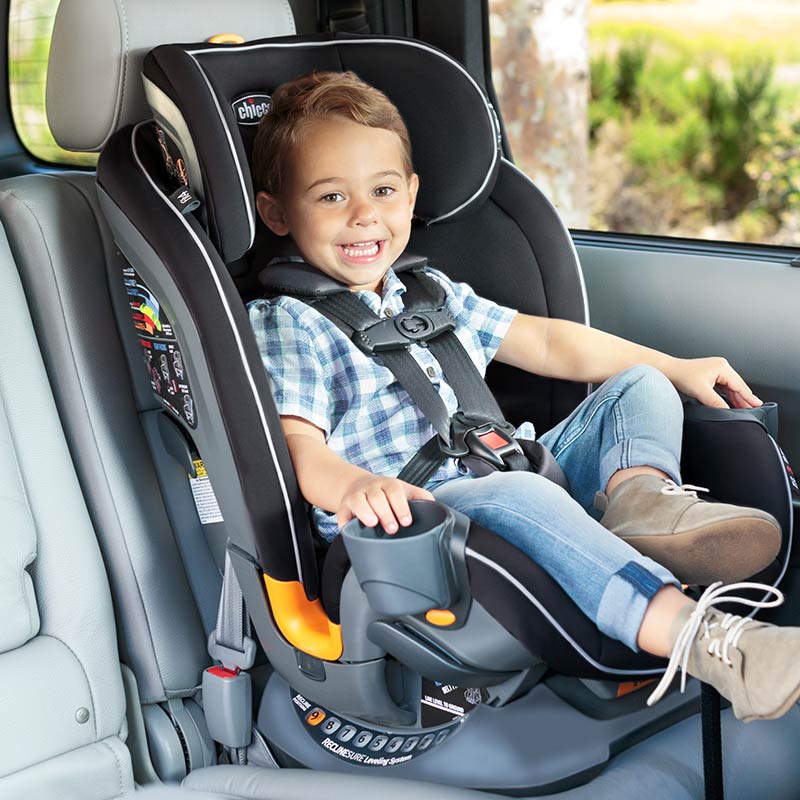
Comfort And Space
Observe your baby’s comfort in the current position. If they seem cramped, it might be time to switch. Ensuring they have enough space to stretch is crucial.
Credit: www.chiccousa.com
Safety Standards And Regulations
Ensuring the safety of children in cars is crucial. Parents often ask about the right time to turn their baby’s car seat. Safety standards provide essential guidelines. These regulations protect your child during car rides. Following these rules can save lives.
Understanding Safety Standards For Car Seats
Car seats must meet strict safety standards. These standards ensure the seat can protect your child. They test the seats in crash scenarios. Each seat undergoes rigorous testing before approval. This ensures maximum safety for young passengers.
Regulations For Rear-facing Car Seats
Babies should use rear-facing seats for safety. Regulations suggest keeping them rear-facing until age two. This position offers better protection for the head and neck. Following these guidelines reduces the risk of injury.
When To Transition To Forward-facing
Transition only when your child outgrows the rear-facing seat. Check the weight and height limits of the seat. These limits are vital for safe transition. Always follow the manufacturer’s guidelines. This ensures your child remains protected.
Importance Of Following Manufacturer Guidelines
Manufacturers provide specific instructions for each car seat. These include installation and usage guidelines. Ignoring these can compromise safety. Always read and follow these instructions carefully. It ensures the best protection for your child.
Legal Requirements For Car Seats
Each country has its own car seat laws. These laws dictate car seat usage based on age and size. Parents should be aware of local regulations. Following these laws is not just about compliance. It’s about keeping your child safe.
Expert Recommendations
Understanding when babies can turn around in car seats is crucial for safety. Experts provide guidance to ensure parents make informed decisions. This section offers expert recommendations for parents navigating this essential milestone.
Safety First: The Importance Of Rear-facing Seats
Rear-facing seats protect babies’ heads and necks during sudden stops. Experts recommend keeping babies in rear-facing seats as long as possible. Most accidents occur from the front, making rear-facing seats safer.
Age Guidelines For Turning Around
Experts suggest waiting until your child is at least two years old. The American Academy of Pediatrics advises rear-facing until the child exceeds seat limits. Check the weight and height limits of your specific car seat.
Assessing Your Child’s Development
Consider your child’s physical development before turning them around. Some children may need more time in rear-facing seats for optimal safety. Always prioritize your child’s safety over convenience.
Consulting With Pediatricians
Pediatricians can provide personalized advice based on your child’s growth. They understand the importance of proper car seat positioning. Discuss any concerns with them for tailored recommendations.
Choosing The Right Car Seat
Ensure your car seat meets current safety standards. Select a seat that accommodates your child’s size and weight. Regularly check for recalls or safety notices on your car seat model.
Staying Updated With Safety Guidelines
Safety guidelines can change as new research emerges. Stay informed about current recommendations from trusted sources. Regularly update your knowledge to ensure your child’s safety.

Credit: happyhealthymama.com
Common Mistakes To Avoid
Transitioning your baby to a front-facing car seat is a milestone. But parents often make mistakes during this change. These errors can compromise your child’s safety. Awareness of these mistakes can help ensure a smooth transition. Let’s explore these common mistakes to avoid.
1. Switching Too EarlyParents often switch car seats too soon. Waiting is crucial. Experts recommend rear-facing until age two. Or until the seat’s weight limit is reached. This position offers better protection.
2. Incorrect InstallationProper installation is vital for safety. Many car seats have unique installation methods. Follow the manufacturer’s instructions carefully. Consider a professional check. Most communities offer free inspections.
3. Loose Harness StrapsLoose harness straps are unsafe. They should be snug. Check for proper fit regularly. The straps should lie flat. No twists or folds should be present.
4. Wrong AngleEnsure the car seat is at the right angle. A reclined seat increases safety. Most seats have indicators. Follow them for proper positioning.
5. Ignoring Expiration DatesCar seats have expiration dates. Materials degrade over time. Expired seats might not protect in accidents. Always check the seat’s expiration date.
6. Using Bulky ClothingBulky clothes affect harness fit. Remove thick coats before strapping in. Use a blanket over the harness if needed. Safety should not be compromised by warmth.
7. Forgetting to Register the Car SeatRegister the car seat with the manufacturer. This helps in recall notifications. It ensures you have the latest safety information.
Tips For Transitioning
Transitioning your baby to a forward-facing car seat is a big step. It’s essential to ensure safety and comfort during this change. Parents often wonder about the right time and process for this transition.
Understand The Safety Guidelines
Safety should always be the top priority. Check the latest guidelines by experts. They recommend keeping children rear-facing as long as possible. This position protects the head, neck, and spine better during a crash.
Check Your Car Seat’s Specifications
Each car seat comes with specific weight and height limits. Review these details carefully. Ensure your child meets the requirements before making the switch. This will help in choosing the right time for transitioning.
Look For Signs Of Readiness
Observe your child’s behavior and growth. If they show discomfort or have outgrown the rear-facing seat, it might be time. Watch for signs like legs bending or head reaching the top of the seat.
Talk To Your Pediatrician
Consulting with a pediatrician can provide reassurance. They can offer advice based on your child’s development. Their insights can aid in making informed decisions about car seat transitions.
Practice Car Seat Installation
Correct installation is crucial for safety. Practice installing the forward-facing seat multiple times. Follow the manual’s instructions precisely. Ensure the seat is secure and stable before each ride.
Educate Your Child
Your child might resist the change at first. Explain the importance of car seats in simple terms. Make the process fun and engaging to ease their transition.
Credit: realendpoints.com
Frequently Asked Questions
When Can Babies Face Forward In A Car Seat?
Babies can typically face forward in a car seat after they are two years old. It’s essential to check the specific car seat guidelines and local regulations. Some experts recommend keeping children rear-facing as long as possible for optimal safety.
Is It Safe To Turn Car Seat Forward At 1 Year?
Turning a car seat forward at 1 year isn’t recommended by most safety experts. It’s safer for children to remain rear-facing until they reach the maximum height or weight limit of their car seat.
What Age Should A Baby Switch Car Seat Position?
Most experts advise switching a baby’s car seat position to forward-facing after age two. Always consider the car seat’s specific weight and height requirements for guidance.
How Do I Know When To Change Car Seat Position?
Check your car seat’s manual for height and weight limits. If your child exceeds these limits, it might be time to change their car seat position. Always prioritize safety guidelines for your child’s age and size.
Conclusion
Understanding when babies can turn around in car seats is crucial. Safety guidelines emphasize rear-facing positions for young children. It protects their developing necks and spines. Parents should check car seat specifications and follow age and weight recommendations. Experts suggest keeping children rear-facing as long as possible.
This ensures maximum safety during travel. Each child develops differently, so monitor their growth closely. Always prioritize safety over convenience. Consult with pediatricians if unsure. Research and preparation keep your child safe on the road. Remember, every journey matters. Your little one’s safety is always worth the effort.


