


Are Car Seat Head Supports Safe: Essential Safety Guide

Are you concerned about your child’s comfort and safety during car rides? As a parent, ensuring your little one’s well-being is always a top priority.
You might have come across car seat head supports, designed to keep your child’s head stable and comfortable. But are these accessories truly safe, or could they pose hidden risks? We’ll dive into the facts about car seat head supports.
You’ll discover what experts say, common myths debunked, and practical tips for making informed decisions. By the end, you’ll feel confident about whether these supports belong in your car. Stay with us to find out how you can enhance your child’s travel safety without compromising comfort.
Importance Of Car Seat Head Supports
Car seat head supports play a vital role in child safety during travel. They help maintain the proper position of your child’s head and neck. This ensures comfort and reduces the risk of injury. Understanding their importance can guide you in making informed choices.
What Are Car Seat Head Supports?
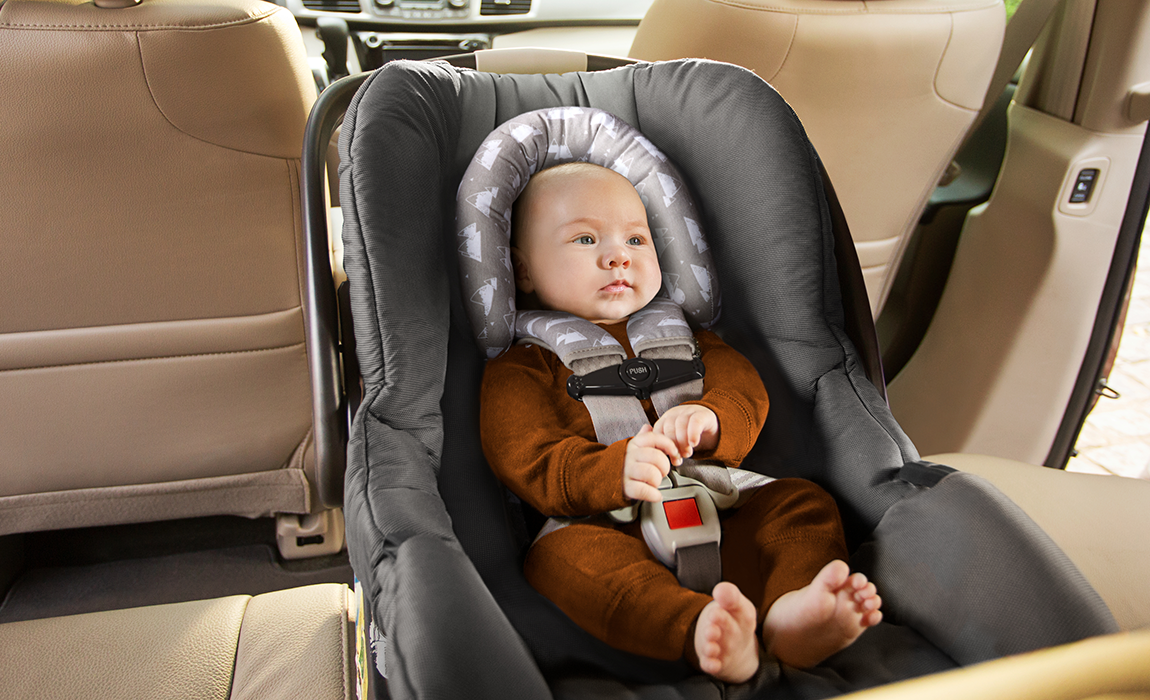
Car seat head supports are cushions or pads attached to car seats. They cradle a child’s head, keeping it from tilting side to side. These supports are crucial during long journeys or when a child sleeps. Without them, a child’s head can slump forward. This may cause discomfort or even breathing issues.
Why Proper Head Positioning Matters
Proper head positioning is key to child safety in cars. A well-positioned head reduces strain on the neck and spine. It also minimizes the risk of injury in sudden stops or collisions. Car seat head supports help keep the head aligned with the body. This alignment is essential for both comfort and safety.
Benefits Of Using Car Seat Head Supports
Car seat head supports offer several benefits. They provide added comfort, especially during long trips. They also ensure better sleep quality for children in cars. Supports help in maintaining a natural head posture. This prevents potential neck strains and enhances overall safety.
Choosing the right head support involves checking its fit and material. Ensure it is compatible with your car seat model. Look for soft, breathable materials for added comfort. Make sure the support does not push the child’s head forward. A good fit ensures safety without compromising comfort.
Credit: www.safefit.com
Potential Risks And Concerns
Car seat head supports offer comfort for young passengers. Yet, they come with potential risks and concerns that parents should know. Understanding these risks helps in making informed decisions for child safety. Explore some key concerns below.
Improper Installation
Improper installation of head supports can lead to safety issues. A loose or misaligned head support might not provide the needed protection. It can even cause harm during sudden stops or accidents. Always ensure the head support is secured correctly. Follow the manufacturer’s instructions carefully.
Age-appropriate Use
Age-appropriate use is crucial for head support safety. Not all designs suit every age group. Using a support meant for older children on infants can pose risks. It might not fit well or provide proper support. Always choose a product suitable for your child’s age and size.
Material And Design Flaws
Material and design flaws can compromise head support safety. Some materials may irritate sensitive skin. Poor design might not offer adequate neck support. Ensure the product is made from safe, comfortable materials. Check for potential design flaws that could affect safety.
Safety Standards And Regulations
Car seat head supports play a crucial role in child safety. They provide comfort and protection during travel. Understanding safety standards and regulations is vital for parents. It ensures the best choice for their child’s safety.
Global Guidelines
Different countries have unique safety standards. They guide the production and testing of car seat head supports. These guidelines ensure products meet safety requirements. In the U.S., the National Highway Traffic Safety Administration (NHTSA) plays a key role. They establish guidelines for car seat safety. In Europe, the European Economic Area (EEA) sets similar standards. These regulations focus on reducing risk during travel. Compliance with these guidelines is mandatory for manufacturers.
Certification Marks To Look For
Certification marks indicate product safety testing. Look for these marks when buying head supports. In the U.S., the JPMA Certification Seal is common. It shows the product meets specific safety standards. In Europe, the ECE R44/04 label is important. It confirms compliance with European safety rules. These marks give parents peace of mind. They assure the product’s reliability and safety.
Choosing The Right Head Support
Car seat head supports offer extra comfort for young passengers. Safety depends on proper installation and design. Parents should choose head supports that fit snugly without obstructing movement or airways. Always check manufacturer guidelines and safety standards to ensure protection during travel.
Choosing the right car seat head support ensures your child’s safety and comfort. The perfect head support can prevent unnecessary movements during travel. Parents need to consider several factors for a safe choice. These include size, fit, and material safety. Let’s explore these aspects to help you make an informed decision.Size And Fit Considerations
The head support must fit your child’s age and size. It should provide snug support without being too tight. A well-fitting support keeps the head in place during sudden stops. Check the dimensions to ensure a perfect fit for your car seat. An ill-fitting support can cause discomfort or even pose risks.Material Safety
Material safety is crucial for head supports. Always check for non-toxic, breathable fabrics. Hypoallergenic materials help protect sensitive skin. Look for certifications that guarantee safety standards. Choose supports that are easy to clean for hygiene purposes. Avoid materials that may cause allergies or irritations.Installation Tips For Parents
Car seat head supports ensure comfort for your child during travel. Installing them correctly is crucial for safety. Parents often find themselves confused about the proper installation. This guide will help you navigate the installation process smoothly.
Step-by-step Guide
Start by reading the manufacturer’s instructions. Each car seat head support has specific guidelines. Place the head support at the right height. It should align with your child’s head. Adjust the straps to secure it firmly. Ensure there’s no slack. Check that the head support doesn’t obstruct other safety features. Test the installation by gently shaking the seat. It should remain stable.
Common Mistakes To Avoid
Parents often skip reading instructions. This leads to incorrect installation. Avoid placing the head support too low. It can cause discomfort or even danger. Ensure the straps are tight. Loose straps can compromise safety. Don’t ignore the regular checks. Always ensure the head support is intact before each use. Avoid using incompatible supports with your car seat model. This can lead to inefficiency in protection.
Expert Opinions And Recommendations
Choosing the right car seat head support can be challenging. Parents worry about the safety and comfort of their child during travel. To make informed decisions, it’s crucial to consider expert opinions and recommendations.
What Pediatricians Say
Pediatricians often emphasize proper head positioning. They suggest using head supports that do not restrict movement. The right support should stabilize without forcing the head into an unnatural position.
Insights From Child Safety Experts
Child safety experts recommend products tested for crash safety. They focus on supports that maintain alignment. A well-tested product ensures the head remains secure during sudden stops.
Recommendations From Car Seat Manufacturers
Manufacturers advocate for head supports that fit well with their car seats. Compatibility is key to ensuring safety. They advise parents to choose supports designed for specific models.
Feedback From Parents
Parents share their experiences and trust tried-and-true products. Many find value in supports that combine comfort with safety. Reviews highlight ease of use and adjustable features.
Considerations For Choosing Head Supports
Focus on the material and design of the head support. Soft, breathable fabric is ideal for comfort. Design should allow for growth and adaptability as the child ages.
Alternatives To Head Supports
Choosing the right car seat for your child is crucial. Safety is a priority. Many parents wonder about head supports. Are they safe? If you’re seeking alternatives, you’re in the right place. Some built-in features and accessories may offer better solutions.
Built-in Car Seat Features
Modern car seats come with advanced design features. These include adjustable headrests. They support the child’s head naturally. Side-impact protection is another feature. It cushions the head during sudden movements. These built-in features enhance safety without extra attachments.
Integrated harness systems are also essential. They keep the child secure. Adjusting the seat to fit your child’s size helps. Built-in features work best when used correctly. Always follow the manufacturer’s guidelines.
Aftermarket Accessories
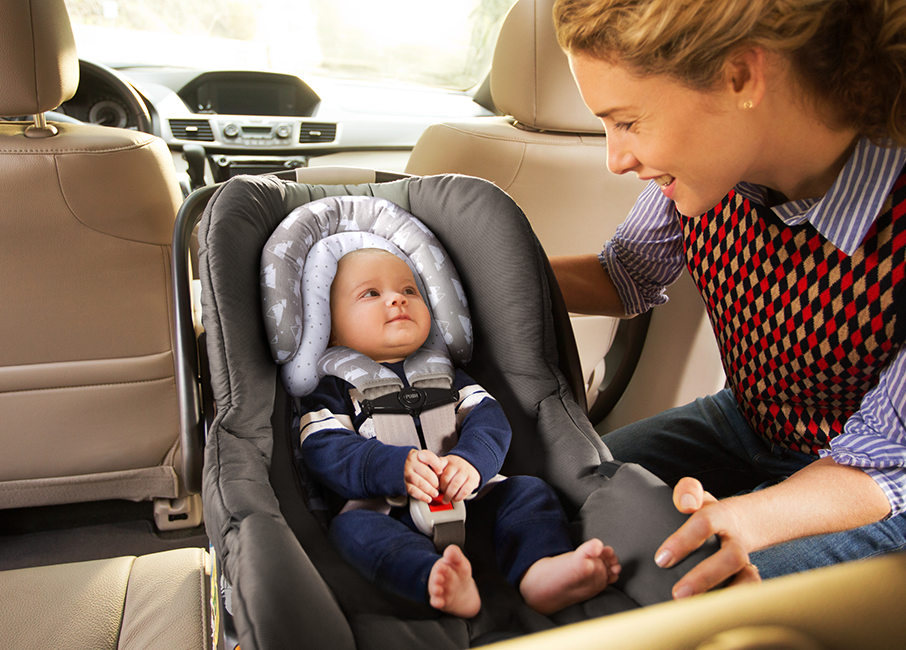
Some parents opt for aftermarket accessories. Neck pillows are popular. They provide gentle support. Ensure they don’t interfere with the car seat’s function. Products like padded inserts can offer comfort. They should be used cautiously.
Choose accessories tested for safety. Look for certifications from trusted bodies. Avoid products that push the head forward. Proper installation is vital for effectiveness. Accessories should complement the car seat, not replace its features.
Credit: www.safefit.com
Monitoring And Adjustments Over Time
Car seat head supports ensure safety by providing comfort and protection. Regular checks and adjustments keep them secure and effective. Parents should inspect these supports often to ensure proper fit and function, enhancing child safety during travel.
Car seat head supports provide comfort and safety for young children. They help maintain the correct posture during travel, reducing fatigue and strain. Monitoring and adjustments are crucial to ensure safety over time. Regular check-ups and watching for signs of wear and tear are essential practices. These practices ensure the head support remains effective and safe.Regular Check-ups
Routine checks of the head support are vital. Evaluate the fit and alignment regularly. Children’s growth affects how the head support fits. Adjusting the support ensures it remains comfortable and effective. Frequent inspection prevents discomfort and potential risks.Signs Of Wear And Tear
Head supports endure frequent use, leading to possible wear. Look for fraying or thinning fabric. Broken straps and loose stitching are warning signs. These signs indicate the need for replacement or repair. Ensuring the integrity of the support keeps your child safe.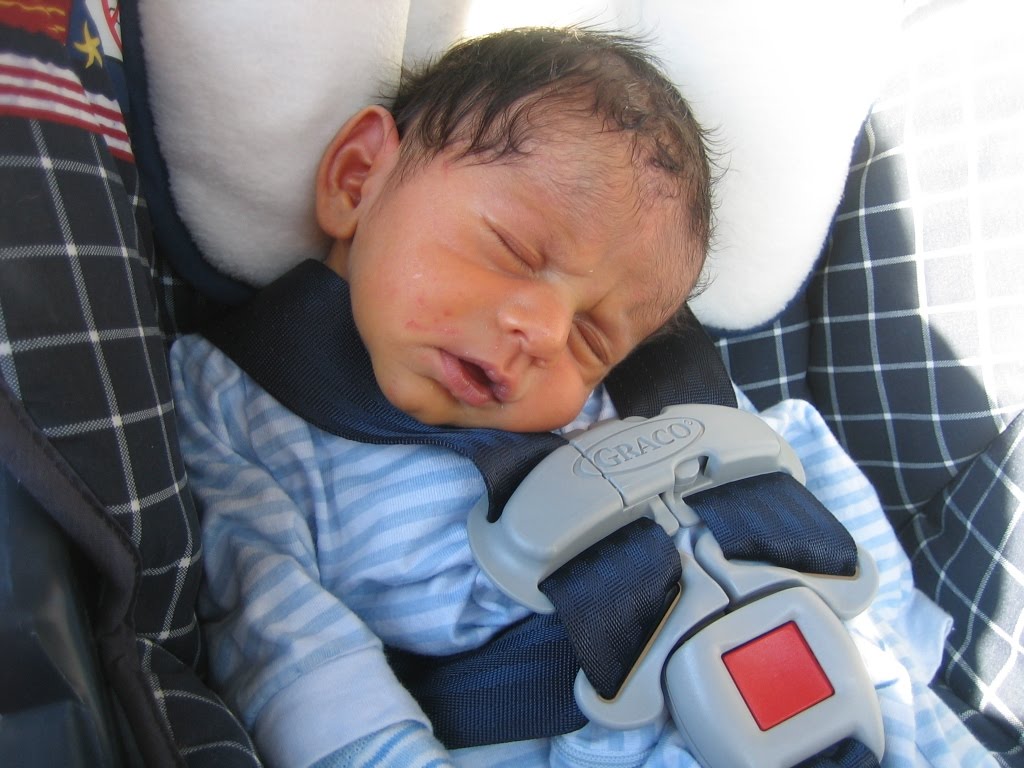
Credit: infrakraft.com
Frequently Asked Questions
Are Car Seat Head Supports Safe For Infants?
Car seat head supports can be safe for infants if used correctly. Ensure the head support is specifically designed for your car seat model. Proper installation and size are crucial to avoid neck strain or breathing obstruction. Always follow manufacturer guidelines and consult with pediatricians for safety assurance.
Do Head Supports Affect Car Seat Safety?
Improperly used head supports can compromise car seat safety. They may cause the harness to fit incorrectly or obstruct airflow. Always choose head supports approved by your car seat manufacturer. Proper installation ensures the car seat functions effectively during a crash.
Can Head Supports Prevent Neck Injuries?
Head supports aim to reduce neck strain by stabilizing the infant’s head. They cannot fully prevent neck injuries during accidents. Proper car seat usage and adherence to safety guidelines are essential. Always check if head supports fit securely without compromising the car seat’s effectiveness.
Should I Use Aftermarket Head Supports?
Using aftermarket head supports is not recommended as they may not meet safety standards. They can interfere with the car seat’s performance. Opt for head supports from the car seat manufacturer. Always verify compatibility with your specific car seat model for optimal safety.
Conclusion
Car seat head supports can be safe with correct use. Ensure they fit well. Check for compatibility with your car seat. Always follow guidelines provided by the manufacturer. Keep your child’s comfort in mind. Safety should be the top priority.
Avoid using head supports that restrict movement. Proper installation is key. Regularly inspect for wear and tear. Educate yourself on latest safety standards. Consult experts if unsure. Your child’s safety depends on informed decisions. Stay updated with current recommendations. Make choices based on research, not trends.
Prioritize what’s best for your child. Safety first, always.


