

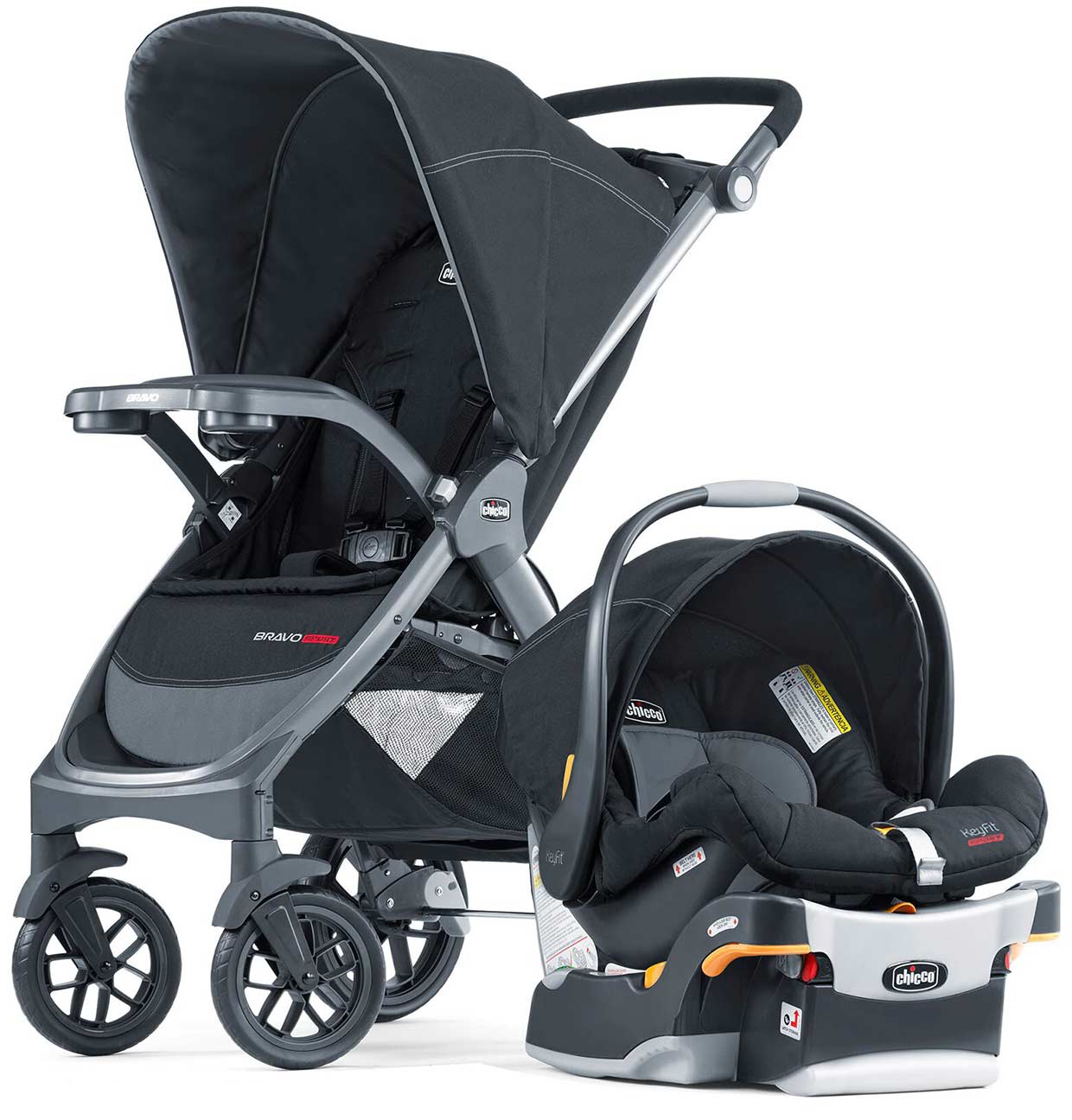
How to Choose Car Seat And Stroller: Ultimate Guide

Choosing the right car seat and stroller for your little one is more than just ticking off items on a shopping list; it’s about ensuring safety, comfort, and convenience for both you and your child. With countless options available, it’s easy to feel overwhelmed.
But don’t worry, you’ve come to the right place! In this guide, you’ll discover the key factors to consider when making your selection, ensuring you make the best choice for your family. Imagine the peace of mind you’ll have knowing your baby is safe and snug, whether you’re on the road or taking a stroll in the park.
Dive in to learn how to simplify your decision-making process and make informed choices that suit your lifestyle and budget. Keep reading to unlock the secrets to choosing the perfect car seat and stroller that meet your needs!

Credit: orbitbaby.com
Types Of Car Seats
Choosing the right car seat for your child is crucial. Each type serves different needs and stages of your child’s growth. Let’s explore the types of car seats available.
Infant Car Seats
Infant car seats are designed for newborns. They offer rear-facing support, which is safest for infants. These seats come with a detachable base. This allows easy transfer between car and stroller. Lightweight design makes them portable and convenient.
Convertible Car Seats
Convertible car seats grow with your child. They start as rear-facing for infants. Later, they switch to forward-facing for toddlers. They are a cost-effective option. You won’t need to buy a new seat as your child grows.
Booster Seats
Booster seats are for older children. They use the car’s seat belt for safety. Boosters are necessary when your child outgrows a car seat. They ensure your child sits comfortably and securely. It’s important for the seat belt to fit correctly.

Credit: tacticalbabygear.com
Car Seat Safety Features
Choosing the right car seat involves understanding crucial safety features. Ensuring your child’s safety is paramount. Car seats come with various features designed to protect. Below are key features to consider in car seats.
Five-point Harness
The five-point harness secures your child in the seat. It has five connection points. Two at the shoulders, two at the hips, and one between the legs. This design helps distribute the forces of a crash. It keeps your child snug and secure. A snug fit prevents movement, reducing injury risk.
Side Impact Protection
Side impact protection is vital for safety. Many accidents occur from the side. This feature protects your child’s head and chest. It usually includes energy-absorbing foam. The foam reduces the force felt during a collision. Look for seats with deep side walls. These provide extra cushioning and support.
Latch System
The Latch system ensures secure installation. It stands for Lower Anchors and Tethers for Children. This system makes installation straightforward. It uses anchors built into your car. They connect to the seat, securing it firmly. Proper installation decreases movement during a crash. A stable seat provides maximum protection.
Selecting The Right Car Seat
Choosing the right car seat ensures your child’s safety on the road. It can be a daunting task with so many options available. The right car seat depends on several factors. These include age, weight, and car compatibility. Let’s delve into these key aspects to make an informed decision.
Age And Weight Considerations
Car seats come with specific age and weight guidelines. Infants need rear-facing seats for better protection. As your child grows, you will switch to forward-facing seats. Booster seats are for older children who have outgrown the forward-facing seat. Check the manufacturer’s guidelines for age and weight limits. This ensures maximum safety for your child.
Vehicle Compatibility
Not all car seats fit all vehicles. Some car seats are bulky and may not fit in smaller cars. Before buying, ensure the car seat fits well in your vehicle. Test the seat in your car to check for a secure fit. Look for car seats with adjustable bases for better compatibility. This can save you time and hassle later.
Ease Of Installation
Installing a car seat can be tricky. Choose a car seat with a straightforward installation process. Look for features like LATCH systems or easy-to-follow instructions. A poorly installed car seat can compromise safety. Check if the seat has a level indicator for proper installation. Practice installing the seat before placing your child in it.
Types Of Strollers
Choosing the right stroller can be overwhelming. Various types cater to different needs. Understanding each type helps in making a wise decision.
Full-size Strollers
Full-size strollers offer versatility and comfort. They provide ample storage for essentials. These strollers are great for long outings. They often feature adjustable seats and canopies. Ideal for newborns and toddlers alike.
Umbrella Strollers
Umbrella strollers are lightweight and portable. Perfect for quick trips and travel. They fold easily and take up little space. Parents love their simplicity and convenience. Suitable for older infants and toddlers.
Jogging Strollers
Jogging strollers suit active families. Designed for running and uneven terrain. They feature sturdy frames and large wheels. Safety is enhanced with reliable brakes. Great for fitness enthusiasts with young kids.
Stroller Safety Features
Choosing the right stroller is crucial for your baby’s safety. Parents often focus on design and comfort, but safety features must be a priority. A stroller with robust safety features ensures your child’s protection during outings. Let’s delve into essential safety aspects to consider when selecting a stroller.
Secure Brakes
Brakes are vital for stroller safety. They prevent accidental movements. Look for a stroller with brakes on both rear wheels. This provides maximum security. Test the brakes before purchasing. Ensure they lock firmly without slipping.
Safety Harness
A reliable safety harness keeps your child secure. Opt for a five-point harness. It secures your baby at the shoulders, waist, and crotch. Check the buckle’s durability. It should snap securely and be easy to operate.
Stability And Balance
Stability prevents stroller tipping. Wide bases offer better balance. Test the stroller’s stability on uneven surfaces. Ensure it doesn’t tip easily. A stable stroller protects against sudden movements.
Choosing The Right Stroller
Choosing the right stroller can enhance your parenting experience. A stroller that suits your needs makes outings enjoyable. Ensure comfort and safety for your baby. Consider several factors before making a choice.
Lifestyle Needs
Your lifestyle impacts the type of stroller you need. Active parents might prefer jogging strollers. These strollers offer durability on rough terrains. City dwellers may opt for lightweight umbrella strollers. These are easy to maneuver in crowded areas. Consider your daily routine. This helps in selecting a stroller that fits your lifestyle.
Portability And Storage
Portability is crucial for parents on-the-go. A stroller that folds easily saves time. Compact strollers fit well in small car trunks. Check for features like quick-fold mechanisms. Some strollers offer detachable parts. This feature makes storage more convenient. Evaluate the stroller’s weight. Lighter models are easier to carry and transport.
Budget Considerations
Stroller prices vary widely. Set a budget to narrow your choices. Higher-end models offer additional features. Mid-range strollers balance cost and functionality. Don’t compromise safety for price. Look for strollers that meet safety standards. Compare prices and reviews before purchasing. Find a stroller that offers value without exceeding your budget.
Maintenance Tips
Choosing the right car seat and stroller involves considering safety, comfort, and convenience. Research safety ratings and adjustability features for optimal protection. Evaluate stroller maneuverability and folding mechanisms for ease of use.
Choosing the right car seat and stroller is crucial for your child’s safety. Proper maintenance ensures they last longer and work properly. Regular care keeps them clean and safe for your little one. Let’s explore some essential maintenance tips.
Cleaning And Care
Regular cleaning is essential for car seats and strollers. Use a damp cloth to wipe surfaces. Remove fabric covers and wash them according to instructions. Dry thoroughly before reassembling to prevent mold. Check for small parts or food stuck in crevices. Use a vacuum with an attachment to remove debris. Keep your car seat and stroller fresh and hygienic.
Regular Inspections
Inspect your car seat and stroller regularly for damage. Look for loose screws, broken parts, or worn-out straps. Ensure buckles and harnesses work properly. Check that wheels and brakes are secure and function well. Regular inspections prevent potential safety hazards. Address issues immediately to maintain safety standards.
Replacing Parts
Parts wear out over time and need replacing. Follow the manufacturer’s guidelines for part replacement. Order parts from authorized dealers for compatibility. Replace worn-out straps, buckles, or wheels promptly. Using faulty parts compromises safety. Regular part replacement extends the life of your equipment. Keep your child safe with well-maintained gear.
Frequently Asked Questions
What Should I Look For In A Car Seat?
When choosing a car seat, prioritize safety features like side-impact protection and a 5-point harness. Ensure it fits your vehicle and child’s size. Check for easy installation and adjustability. Certification by safety standards is crucial. Always consult the manufacturer’s guidelines for age and weight recommendations.
How Do I Select The Right Stroller?
Select a stroller based on lifestyle needs and terrain. Consider weight, foldability, and maneuverability. Check for safety features like brakes and harnesses. Ensure it’s comfortable for your child and easy to handle. Look for additional features like storage and sun protection for convenience.
Are Convertible Car Seats A Good Choice?
Convertible car seats are versatile, growing with your child. They can be used rear-facing for infants, then forward-facing for toddlers. This flexibility can save money and space. Ensure they meet safety standards and fit well in your vehicle. Always follow manufacturer’s guidelines for installation and use.
Can I Use A Stroller For A Newborn?
Yes, but ensure the stroller is newborn-friendly. Look for strollers with a fully reclining seat or compatibility with car seats. These features provide necessary support for a baby’s head and neck. Ensure it meets safety standards and provides comfort and protection for your newborn.
Conclusion
Choosing the right car seat and stroller matters. It’s about safety, comfort, and convenience. Consider your lifestyle and budget. Are you always on the go? Think lightweight and portable options. Is safety your top priority? Look for high safety ratings.
For families that grow, consider adaptable systems. Read reviews and test before you buy. Trust your instincts and prioritize your needs. Your child’s comfort and safety come first. Make informed choices, and enjoy the journey with peace of mind. Remember, every detail counts in ensuring a safe and happy travel experience for your little one.


