


What Side Should the Car Seat Go on: Safety Insights

Choosing the right spot for your child’s car seat is not just a matter of convenience; it’s crucial for their safety. You might be wondering whether the left, right, or middle seat is best for your little one.
This decision can feel overwhelming, especially with the conflicting advice swirling around. But don’t worry, you’re not alone in this quest. By understanding the pros and cons of each option, you can make an informed choice that ensures your child’s utmost safety and comfort.
Stick around, and we’ll guide you through the best practices that could make all the difference in the world. Your peace of mind and your child’s safety are just a few paragraphs away.
Car Seat Placement Basics
Understanding car seat placement is crucial for child safety. Correctly positioning the car seat reduces the risk of injury during accidents. Many parents wonder about the safest side for placing the car seat. It’s essential to know the basics to make an informed decision.
Car seats need secure installation. Safety experts recommend placing the car seat in the back seat. This area offers protection from front-seat airbag impact. The middle seat is often considered safest in the back row. It keeps the child away from side impact in collisions.
Left Side Vs. Right Side
Parents often choose a side based on convenience. The left side is useful for drivers who park on the street. It allows easier access when exiting the car. The right side is closer to the sidewalk when parking. This side is safer for unloading children away from traffic.
Middle Seat Preference
The middle seat is preferred for optimal safety. It provides distance from side impacts during crashes. Some cars lack the proper anchors for middle seat installation. Always check the vehicle’s manual for installation guidelines.
Considerations For Placement
Consider the family’s needs when choosing a side. Accessibility, safety features, and car design matter. Test which side offers the best fit for your car seat. Ensure that installation meets safety standards for every ride.

Credit: saferide4kids.com
Safety Considerations
Choosing the right side for a car seat matters. Safety should come first for children in vehicles. Parents often wonder about the best seat placement. The decision involves various safety considerations. Understanding these factors can help make an informed choice.
Impact Of Side Collisions
Side collisions pose serious risks. The side of the car absorbs much of the force. Children seated on that side face greater danger. Studies show the middle seat is often safest. It is farthest from potential impact zones. This position can reduce injury risks during side collisions.
Proximity To Airbags
Airbags can be dangerous for young children. Their powerful force can harm small bodies. It is wise to consider airbag locations in your car. Keep car seats away from active airbags. The rear middle seat usually avoids this risk. It offers a safer distance from airbags.
Passenger-side Vs. Driver-side
Choosing the right side for your child’s car seat is important. Parents often debate whether the passenger-side or driver-side is safer. Each option has its own benefits. Understanding these can help make an informed decision.
Benefits Of Passenger-side Placement
The passenger-side has several advantages. It offers easy access from the curb. You can quickly get your child in and out. This reduces risk in busy parking lots or streets. The passenger-side also allows better visibility. You can check on your child easily using the rearview mirror. This is useful during long drives.
Another benefit is safety during accidents. Many crashes occur on the driver’s side. Placing the car seat on the passenger-side may offer extra protection. Parents often prefer this side for peace of mind.
Advantages Of Driver-side Installation
The driver-side also has its perks. It allows immediate attention to your child. You can quickly reach them if needed. This is helpful during emergencies. Driver-side placement can be more convenient. You may find it easier to monitor your child while driving.
Parking considerations play a role too. In some cases, driver-side placement can be safer. You avoid opening doors into traffic. This minimizes risks when unloading or loading your child. Driver-side installation suits parents who prioritize immediate access.
Middle Seat Benefits
Choosing the right spot for a car seat is crucial. The middle seat offers unique benefits. It provides enhanced protection for your child. Let’s explore why the middle seat might be the best choice.
Enhanced Protection
The middle seat is often considered the safest spot. It keeps your child away from side impacts. This position helps in reducing the risk of injury during accidents. The child is further from the doors. This adds an extra layer of safety.
Challenges And Limitations
Installing a car seat in the middle can be tricky. Not all cars support this setup easily. Some vehicles lack a middle seatbelt. This can pose a challenge for secure installation. Additionally, the middle seat might feel cramped. Especially in smaller cars, space can be limited.
Factors Influencing Decision
Choosing the right side for a car seat involves several factors. Each family and vehicle has unique needs and constraints. These factors play a crucial role in decision-making. Considering these elements ensures safety and convenience.
Vehicle Type And Design
The design of your vehicle impacts car seat placement. Some vehicles have narrow back seats. This limits where you can safely install a car seat. In smaller cars, the center might be the only option. Larger vehicles offer more flexibility in positioning.
Consider where the seatbelt anchors are located. They determine where a car seat fits securely. Vehicles with high seats could require additional adjustments. Always check the vehicle’s manual for specific guidance.
Family Needs And Preferences
Every family has unique needs and preferences. Some parents prefer the car seat behind the passenger seat. This allows easy access to the child from the curbside. It’s also easier to check on the child while driving.
Families with multiple children need to consider space. Placing car seats side by side might be necessary. Parents should think about the child’s age and independence. Older children might be more comfortable on the other side.
Personal comfort and convenience are also essential. Choose a setup that suits your daily routine. Discuss with all caregivers to ensure everyone agrees. The goal is to find a safe and practical solution for everyone.
Expert Recommendations
Choosing the right side for your child’s car seat is crucial. Experts offer clear recommendations based on safety and practicality. Understanding these guidelines can protect your child during travel. Knowing where to place the car seat ensures your child’s safety. Let’s delve into expert advice to make informed decisions.
Guidelines From Safety Authorities
Safety authorities suggest placing the car seat in the back. The middle seat is often the safest spot. It provides the most protection in side-impact collisions. The rear middle seat keeps the child away from airbags and windows. Experts recommend this placement whenever possible. If the middle seat is not an option, the passenger side is preferable. It allows for easy access from the curb.
Common Misconceptions
Many parents believe the driver side is safer. This is often due to convenience. But safety experts disagree. The driver side exposes the child to oncoming traffic. It’s less safe in many scenarios. Some think the front seat is okay for older kids. This is a misconception. The front seat is risky due to airbags. Always opt for the back seat for better safety.
Practical Tips For Installation
Installing a car seat correctly is crucial for your child’s safety. Proper installation ensures maximum protection during travel. These practical tips help guide the installation process. Following them can make a significant difference in your child’s safety.
Ensuring Secure Fit
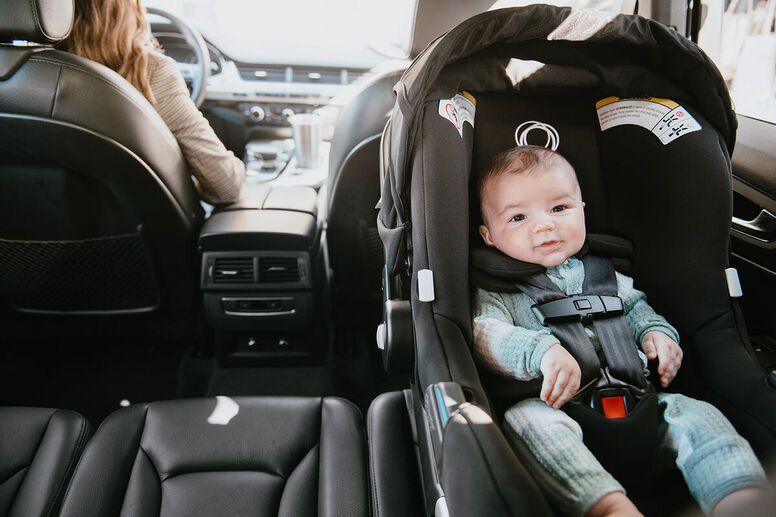
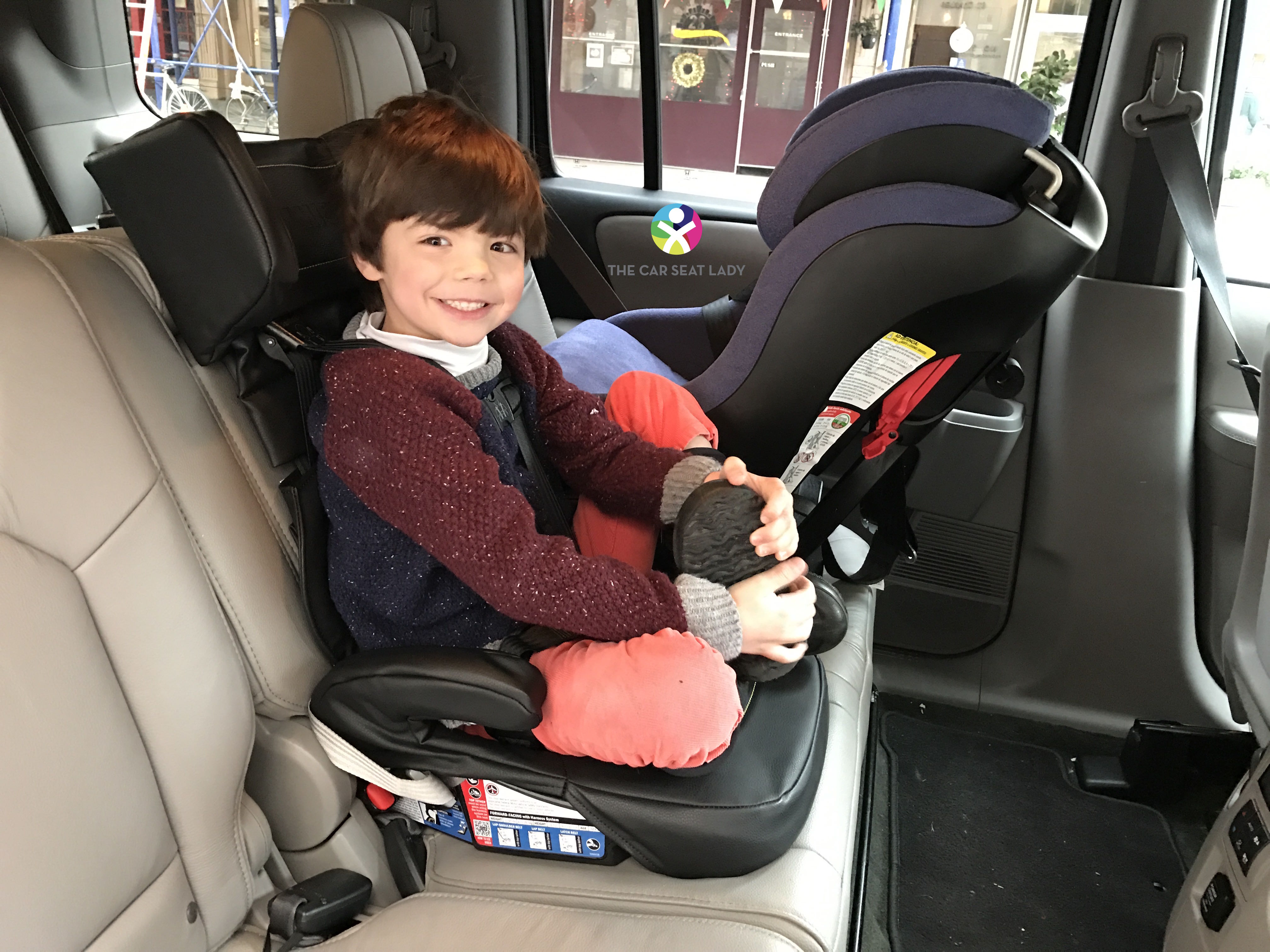
A secure fit prevents the car seat from moving. Make sure the seat belt or latch system is tightly fastened. Check the car seat manual for specific instructions. Use your body weight to tighten the straps if needed. The seat should not move more than an inch from side to side.
Regular Safety Checks
Regular checks ensure the car seat remains safe. Inspect the seat for wear and tear. Look for any loose parts or straps. Test the seat’s stability every few weeks. Adjust the straps as your child grows. These checks can prevent potential risks while traveling.
Credit: www.bugaboo.com
Credit: thecarseatlady.com
Frequently Asked Questions
Which Side Is Safer For A Car Seat?
The safest side for a car seat is typically the rear passenger side. This position allows easy access and visibility for parents. It’s recommended due to reduced risk during curbside parking. Always check specific safety guidelines and recommendations for your car model and seat type.
Can Car Seats Go On The Driver’s Side?
Yes, car seats can be placed on the driver’s side. However, the passenger side is preferred for safety. The driver’s side might be less safe due to oncoming traffic. Consider ease of access and visibility when choosing the seat position.
Is The Middle Seat Best For Car Seats?
The middle seat is often considered the safest spot. It provides maximum protection during side impacts. Not all cars accommodate a car seat in the middle. Always ensure proper installation and secure fit to maximize safety.
How Do You Choose The Right Side For A Car Seat?
Choose the side based on ease of access and safety. The rear passenger side is commonly preferred. Evaluate your car’s layout and your family’s needs. Consider installation guidelines and safety recommendations for the best placement.
Conclusion
Choosing the right car seat placement is crucial for child safety. Parents often wonder about the best side for their child’s seat. Safety experts suggest the rear middle seat for maximum protection. But not all cars allow this option. The next best choice is the rear passenger side.
This location offers easy access and safety. Always ensure the car seat is properly installed. Double-check the seatbelt or latch system. Take time to read the car seat manual thoroughly. Your child’s safety is worth the effort and attention. Happy and safe travels!


