


Is It Legal to Have Car Seat in Front Seat: Key Facts

Are you wondering if it’s legal to have a car seat in the front seat of your vehicle? Many parents and caregivers find themselves puzzled by this question.
Ensuring the safety of your child while driving is a top priority, but understanding the laws and guidelines can be confusing. You’re not alone in this dilemma. We’ll unravel the mystery surrounding front seat car seats, diving into what the law says and why it’s crucial for your child’s safety.
Stay with us as we explore the facts, bust common myths, and provide clear answers to help you make informed decisions for your family’s well-being. Your peace of mind is just a few scrolls away.
Car Seat Regulations
Parents want their children to be safe while traveling in cars. Car seat regulations exist to ensure this safety. These rules vary from place to place. It’s crucial to know the specific laws in your area. Understanding these regulations helps avoid legal issues and ensures your child’s safety. Let’s explore some key aspects of car seat regulations.
Understanding Car Seat Laws
Each country or state has unique car seat laws. These laws dictate where and how a car seat should be used. They cover age, weight, and height requirements for children. Knowing these laws is essential for compliance and safety. Always check local regulations before installing a car seat.
Age And Weight Requirements
Car seat laws often specify age and weight limits. Infants usually need rear-facing seats. As children grow, they transition to forward-facing seats. The weight and age limits vary, so consult local guidelines. Keeping your child in the appropriate seat enhances safety.
Front Seat Restrictions
Many places have rules about car seats in the front seat. Typically, children under a certain age can’t sit in the front. This is to protect them from airbags and other dangers. Check local laws to ensure you’re in compliance. Safety should always be the top priority.
Exceptions To The Rules
There are exceptions to car seat regulations. Some vehicles may lack rear seats. In such cases, follow specific guidelines provided by local authorities. Always ensure the car seat is properly installed, even in exceptional cases.

Credit: tokonabawi.com
Safety Considerations
Understanding the safety of placing a car seat in the front seat is crucial. It involves many considerations to ensure the safety of your child. Let’s explore the key safety aspects you need to know.
Airbags And Their Potential Risks
Airbags can be dangerous for children in front seats. They deploy with great force during a crash. This force can harm a child in a car seat. Always check your car’s manual for airbag details.
Weight And Height Guidelines
Child safety depends on weight and height rules. Rear-facing seats are best for infants. Front-facing seats are for older children. Check the car seat manual for specific guidelines.
Proper Car Seat Installation
Install the car seat correctly to ensure safety. Incorrect installation reduces its effectiveness. Follow the manufacturer’s instructions carefully. Seek professional help if needed.
State Laws And Regulations
Each state has different laws for car seats. Some states restrict front seat use for young children. Know your state’s rules to avoid penalties and ensure safety.
Understanding Car Seat Types
Different car seats suit different ages and sizes. Infant seats, convertible seats, and booster seats have unique roles. Choose the appropriate type for your child’s safety.
Role Of Parental Supervision
Parental vigilance is key when children are in the car. Keep distractions to a minimum. Always ensure the seatbelt is fastened securely. Regularly check the car seat’s condition.
Age And Weight Restrictions
Understanding the rules for car seats in the front seat is crucial. Age and weight restrictions play a significant role in ensuring child safety. These restrictions vary based on region and vehicle type. Parents often wonder about the right time to transition car seats. Knowing the guidelines can prevent accidents and fines.
Age Limitations For Front Seat Car Seats
Most laws require children to be in the back seat. Children under 13 should not sit in the front seat. The back seat is safer during sudden stops or crashes.
Weight Considerations For Child Safety
Weight impacts car seat positioning. Children must be in the correct seat for their weight. Booster seats are necessary for kids under 80 pounds. Exceeding weight limits can compromise safety features.
Regional Regulations Affecting Car Seat Placement
Laws differ from one region to another. Always check local regulations before placing a car seat in the front. Compliance avoids penalties and ensures safety.
Vehicle Design And Car Seat Compatibility
Car design influences car seat placement. Some vehicles have no rear seats, affecting placement decisions. Always refer to the vehicle’s manual for specific guidance.
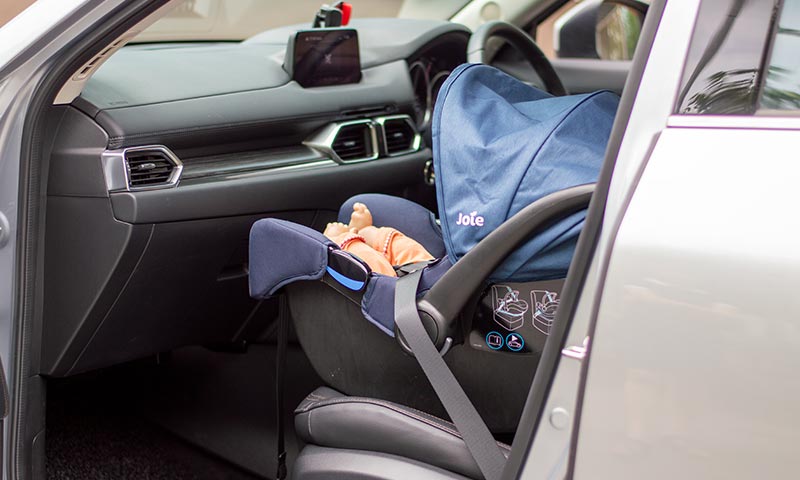
Credit: infraholding.my
Airbag Concerns
Airbags are a crucial safety feature in modern vehicles. They protect occupants during collisions. But they pose a risk to children in the front seat. Understanding airbag concerns is vital when considering car seats in the front.
Impact Of Airbags On Children
Airbags deploy with great force. This can harm small children. Their bodies are fragile compared to adults. Placing a car seat in the front increases the risk. Airbags can cause serious injuries to young passengers.
Safety Recommendations For Car Seats
Experts advise against car seats in front seats. Rear seats offer better protection. Front airbag deployment poses a threat. Always place car seats in the back. This minimizes the risk from airbags.
Legal Guidelines On Front Seat Car Seats
Many regions have laws about car seats in front. These laws prioritize child safety. Violating them can lead to penalties. Ensure compliance with local regulations. This ensures safety and legality.
Considerations For Disabling Airbags
Disabling airbags is an option for some vehicles. It may be necessary for specific circumstances. Consult your vehicle’s manual for guidance. Professional advice is recommended. This ensures proper handling of airbag systems.
State Laws And Variations
Car seat laws vary across different states in the United States. These laws aim to ensure the safety of children while traveling in vehicles. Parents need to know these regulations to avoid penalties and keep their children safe. Understanding state-specific rules can be challenging, but it is essential for compliance.
California Car Seat Laws
In California, children under two must ride in a rear-facing car seat. They can sit in the front seat only if there is no rear seat or the rear seat is occupied. The airbag must also be disabled.
Texas Car Seat Regulations
Texas law mandates that children under eight must be in a child safety seat. Exceptions include situations where the child is taller than 4 feet 9 inches. Front seat usage is not preferred for younger children.
Florida’s Child Seat Requirements
Florida requires children up to five years old to use a car seat. Children aged four and five can use a booster seat. Front seat placement is not recommended for children under 12.
New York Safety Regulations
In New York, children under four must use a car seat in the rear. Children aged four to seven should use a booster seat. Front seat use is restricted for children under 13.
Illinois Legal Guidelines
Illinois law requires children under eight to be in a car seat or booster. Rear seating is preferred for safety reasons. Children under 12 are discouraged from sitting in the front.
Ohio’s Specific Laws
Ohio mandates car seats for children under four and under 40 pounds. A booster seat is needed for children under eight. The front seat is not recommended for children under 13.
Georgia Car Seat Rules
In Georgia, children under eight must use a car seat in the back. The front seat is allowed only if rear seating is unavailable. Safety is a top priority in these regulations.
Comparing State Variations
Different states have diverse rules regarding car seats. Parents must be aware of these variations. This knowledge ensures both legal compliance and child safety.
Exceptions And Special Cases
Not all car seat laws apply universally. There are exceptions and special cases. Some situations allow a car seat in the front seat legally. These exceptions ensure safety without breaking the law. Understanding these can help parents make informed choices.
Medical Necessities
Some children have medical needs requiring front seat placement. This ensures quick access in emergencies. Parents must provide documentation for these exceptions. A doctor’s note often suffices. Always check state-specific guidelines.
Vehicle Design Constraints
Some vehicles lack back seats or have limited space. Pickup trucks and sports cars are examples. In these cases, front seat car seats might be permissible. Always deactivate front airbags when using a car seat here.
State-specific Laws
Laws vary widely between states. Some states allow front seat car seats under certain conditions. It’s crucial to know your local regulations. Contact local authorities or check official websites for accurate information.
Age And Weight Considerations
Older children meeting specific age and weight requirements may sit in front. This often applies to children over 12 years old. Always ensure the child is properly restrained. Safety belts must fit correctly to be effective.
International Perspectives
Understanding car seat laws varies worldwide. Each country has unique regulations. Let’s dive into international perspectives on car seat placement in the front seat.
United States
In the United States, laws differ by state. Most states discourage front seat car seats. Safety concerns drive this regulation. Airbags can harm small children. States set age limits for front seat travel. Checking local laws is crucial.
United Kingdom
The UK has strict rules on child car seats. Children under 12 or under 135 cm tall must use a booster seat. Front seat use is allowed but with caution. Airbag deactivation is recommended for safety. Parents must ensure seat compatibility.
Australia
Australia enforces clear car seat guidelines. Children under 7 must use appropriate seats. Front seat usage is restricted for young children. Safety standards prioritize rear seats for children. Compliance ensures child safety on roads.
Canada
Canadian provinces have specific car seat regulations. Front seat use is generally discouraged. Age and weight requirements apply. Rear-facing seats are advised for young children. Parents should verify provincial rules for compliance.
Germany
Germany follows EU car seat regulations. Children under 12 must use safety seats. Front seat placement is possible with conditions. Airbag deactivation is necessary for safety. Proper seat installation is emphasized.
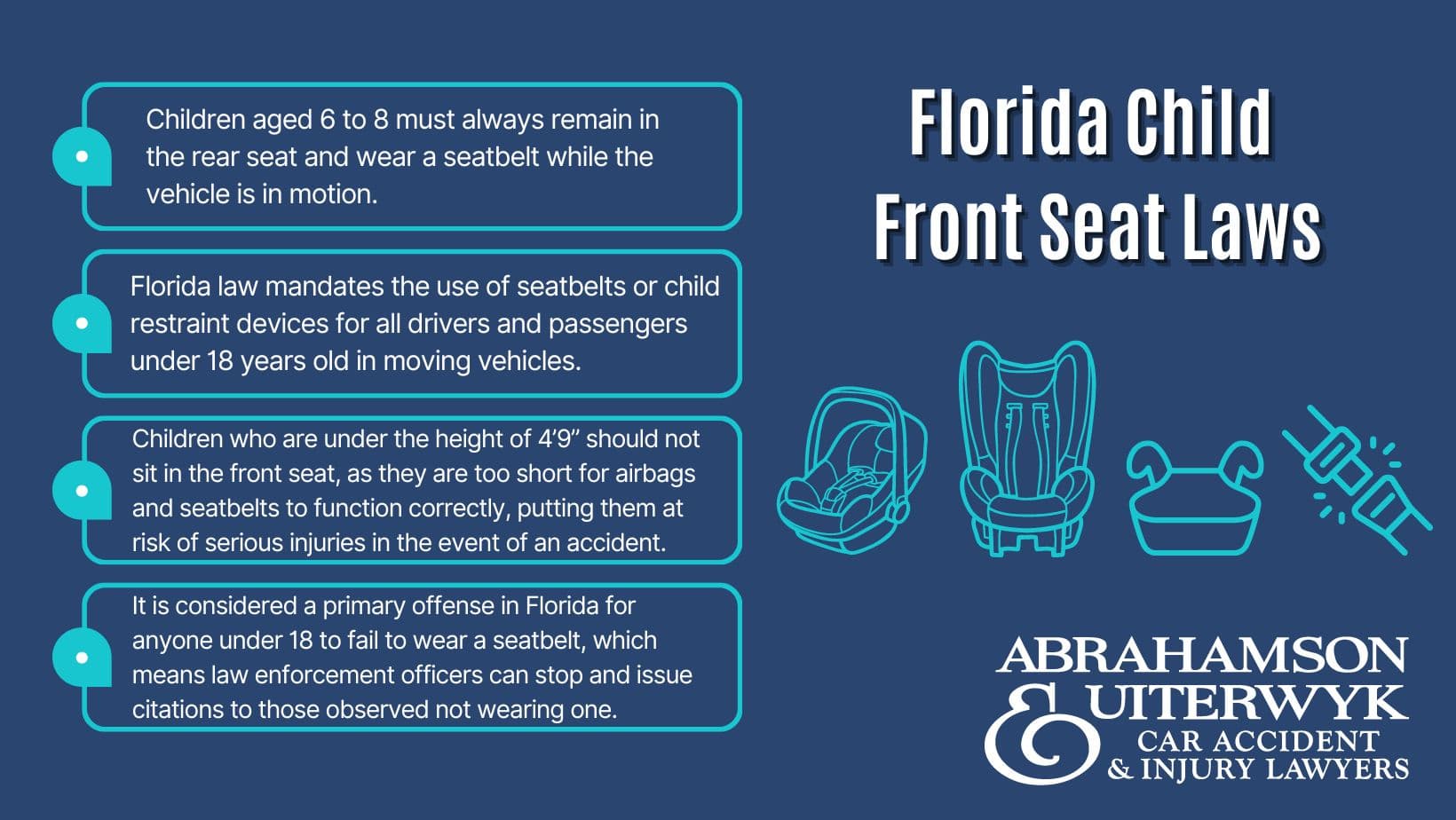
Credit: www.theinjurylawyers.com
Choosing The Right Car Seat
Choosing the right car seat is crucial for your child’s safety. Each car seat type serves a specific purpose. Ensuring a good fit for your child and vehicle is vital.
Understanding car seat types helps make informed decisions. From infant seats to convertible options, each has unique features. Age and weight guidelines determine which seat suits your child.
Understanding Car Seat Types
Car seats come in different types. Infant seats are for newborns. They offer rear-facing protection. Convertible seats grow with your child. They switch from rear-facing to forward-facing. Booster seats are for older kids. They ensure seat belt fit.
Age And Weight Considerations
Age and weight guide car seat choices. Newborns need rear-facing seats. Babies grow fast. Convertible seats adapt to their size. Big kids use boosters. Weight limits are important. Check them before choosing.
Safety Features To Look For
Safety features keep your child secure. Five-point harnesses are essential. Side impact protection is crucial. LATCH systems ensure a snug fit. Look for easy installation. Comfort matters too. Padded seats enhance long trips.
Ensuring Proper Installation
Proper installation is key. Follow instructions closely. Use the LATCH system or seat belts. Ensure a tight fit. Test the seat’s movement. Less than an inch is safe. Seek professional help if unsure. Safety checks save lives.
Installation Best Practices
Ensuring the safe installation of a car seat in the front seat can be challenging. Proper installation practices are crucial to maximize safety for your child. This section will guide you through essential tips and techniques for installing a car seat correctly.
Choose The Right Car Seat
Not all car seats are suitable for front seat installation. Check the manufacturer’s guidelines. Ensure the seat is compatible with your car’s design. This prevents issues and ensures your child’s safety.
Understand Airbag Risks
Front airbags can pose serious risks to children. Always deactivate the airbag if placing a car seat in the front. Follow your car’s manual for instructions on disabling airbags.
Check Local Laws
Local regulations may restrict front seat car seats. Research laws in your area. Some regions have strict rules about child seat placement. Adhering to these laws is essential for legal compliance.
Ensure Proper Seatbelt Use
Seatbelts play a crucial role in securing the car seat. Use the seatbelt locking mechanism correctly. This ensures the car seat remains stable. Refer to both car and car seat manuals for guidance.
Maintain Visibility
Ensure the car seat does not obstruct mirrors or your view. A clear line of sight is necessary for safe driving. Adjust mirrors if needed to maintain visibility.
Consult A Professional
Seek expert advice for complex installations. Professionals can provide valuable insights and assistance. This ensures the car seat is installed safely and correctly.
Test Stability Before Driving
Check the car seat stability after installation. A properly installed seat should not wobble or shift. Make adjustments if necessary to ensure a secure fit.
By following these best practices, you enhance your child’s safety. Proper installation can prevent accidents and ensure peace of mind.
Common Misconceptions
Many people have questions about placing car seats in the front seat. Misunderstandings often arise due to the complexity of safety laws and guidelines. These misconceptions can lead to unsafe choices for children. Let’s clear up some of these common misunderstandings.
Misconception 1: All Cars Allow Front Seat Car Seats
Not all cars are designed for front seat car seats. Many people believe any car can safely accommodate a car seat in the front. This is often not true. Car manufacturers provide specific guidelines. These guidelines must be followed to ensure safety.
Misconception 2: Older Children Can Safely Sit In The Front
Age alone doesn’t determine if a child can sit in the front. Parents often think an older child can move to the front seat. Safety experts recommend checking height and weight. These factors are more important than age.
Misconception 3: Deactivating Airbags Makes Front Seat Safe
Deactivating airbags is not a universal solution. Some believe turning off airbags makes the front seat safe for car seats. This action does not guarantee safety. Always consult the car and car seat manuals. They provide the best guidance for safe use.
Misconception 4: All States Have The Same Laws
People often assume car seat laws are the same everywhere. Each state has its own regulations. These laws can vary significantly. It’s crucial to know the specific laws in your state. This knowledge ensures compliance and safety.
Frequently Asked Questions
Can I Legally Place A Car Seat In Front?
In most regions, it is legal to place a car seat in the front. However, laws vary by location, so check your local regulations. Generally, rear-facing car seats should not be in front if the airbag is active, as it can pose serious safety risks during an accident.
What Are The Risks Of Front Seat Car Seats?
Front seat car seats can be risky due to airbags. If deployed, airbags can harm a child in a car seat. Additionally, front seats are usually less safe during collisions. Rear seats offer more protection in crashes, making them the preferred location for car seats.
Are Airbag Deactivators Necessary For Front Seats?
Airbag deactivators can be crucial when placing a car seat in the front. They prevent airbags from deploying, which can injure a child. If your vehicle lacks this feature, consult your car’s manual or a professional to ensure proper safety measures are in place.
How Do Car Seat Laws Differ By State?
Car seat laws vary significantly across states. Some require children to be seated in the rear until a certain age or weight. Always check your state’s specific regulations to ensure compliance. Failing to adhere to these laws can result in fines and increased safety risks.
Conclusion
Car seat laws vary by location. Always check local rules first. Safety is crucial for children in cars. Front seats can be risky for little ones. Airbags pose a danger to them. Many experts recommend rear seats for kids. It’s best to follow guidelines.
This keeps your child safe on the road. Always use a proper car seat. Ensure it’s correctly installed. Protect your child’s life. Make informed choices for their safety. Remember, safety should always come first. Prioritize your child’s well-being. Drive with care and attention.
Keep them secure at all times.


