


How to Lock Seat Belt for Car Seat: Expert Tips

You’ve just purchased a new car seat for your little one, and now you’re faced with the task of ensuring it’s safely secured in your vehicle. The seat belt lock is a crucial part of this process, but it can sometimes seem like a puzzle.
You want peace of mind knowing that your child is safe and sound during every car ride. This guide will walk you through the simple steps to properly lock the seat belt for your car seat, ensuring maximum safety. By understanding these techniques, you not only protect your child but also ease your own worries.
Ready to master the art of seat belt locking and feel confident about every journey? Keep reading to unlock the secrets that will transform your car seat installation experience!
Credit: www.ebay.com
Importance Of Proper Seat Belt Use
The seat belt is a vital safety feature in any car. Proper seat belt use keeps passengers secure during travel. Many parents focus on car seat installation but neglect seat belt usage. Correct usage ensures children’s safety on the road.
Understanding The Function Of Seat Belts
Seat belts prevent injuries during sudden stops or accidents. They hold the occupant firmly in place. This reduces the risk of serious injury. Seat belts distribute force across stronger parts of the body. This minimizes damage during a collision.
Ensuring Correct Fit
A seat belt must fit snugly over the shoulder and lap. It should not be twisted or loose. A well-fitted seat belt offers optimal protection. The lap belt should lie flat across the upper thighs. The shoulder belt should rest comfortably across the chest.
Common Mistakes In Seat Belt Use
Many users place the shoulder belt under the arm or behind the back. These positions significantly reduce protection. Some leave the seat belt too loose, which can be dangerous. Always check the seat belt’s position and tension before travel.
Guidelines For Secure Seat Belt Locking
Engage the buckle until you hear a click. Make sure the belt is not twisted. Check the belt’s tension by pulling gently. Adjust the belt to eliminate any slack. Ensure the belt is locked securely before starting the journey.
Choosing The Right Car Seat
Choosing the right car seat keeps your child safe. It’s essential for every parent. With many options, selecting the right one can seem hard. Understanding the different types and key factors will help. Let’s explore the important details.
Types Of Car Seats
Car seats come in three main types. The first type is the rear-facing seat. It’s for infants and small toddlers. The second type is the forward-facing seat. This seat suits older toddlers. The third type is the booster seat. It’s for older children who outgrow forward-facing seats. Each type fits specific needs. Choose based on your child’s age and size.
Age And Weight Considerations
Age and weight are crucial in selecting a car seat. Infants need rear-facing seats. These seats support their neck and spine. Toddlers need forward-facing seats. These seats provide more room and security. Older children use booster seats. These seats help seat belts fit correctly. Always check weight limits on each seat. This ensures maximum safety for your child.
Understanding Seat Belt Mechanics
Understanding the mechanics of seat belts is crucial for safety. Seat belts are more than just straps. They’re engineered for protection. Knowing how they work can make travel safer.
Proper seat belt use can prevent injuries. It helps keep passengers secure. Let’s explore the components and functionality of seat belt locks.
Components Of A Seat Belt
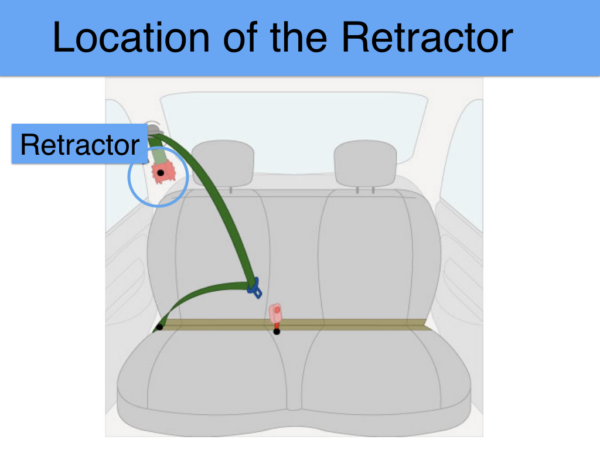
A seat belt consists of several parts. The webbing is the most visible. It’s the fabric strap that holds you. The tongue is the metal clip. It inserts into the buckle. The buckle locks the tongue in place. Retractors allow the webbing to extend and retract. They help adjust the belt’s length.
Anchors secure the belt to the vehicle. They’re usually bolted to the car’s frame. Together, these components form a safety system. Understanding each part is key.
Functionality Of Seat Belt Locks
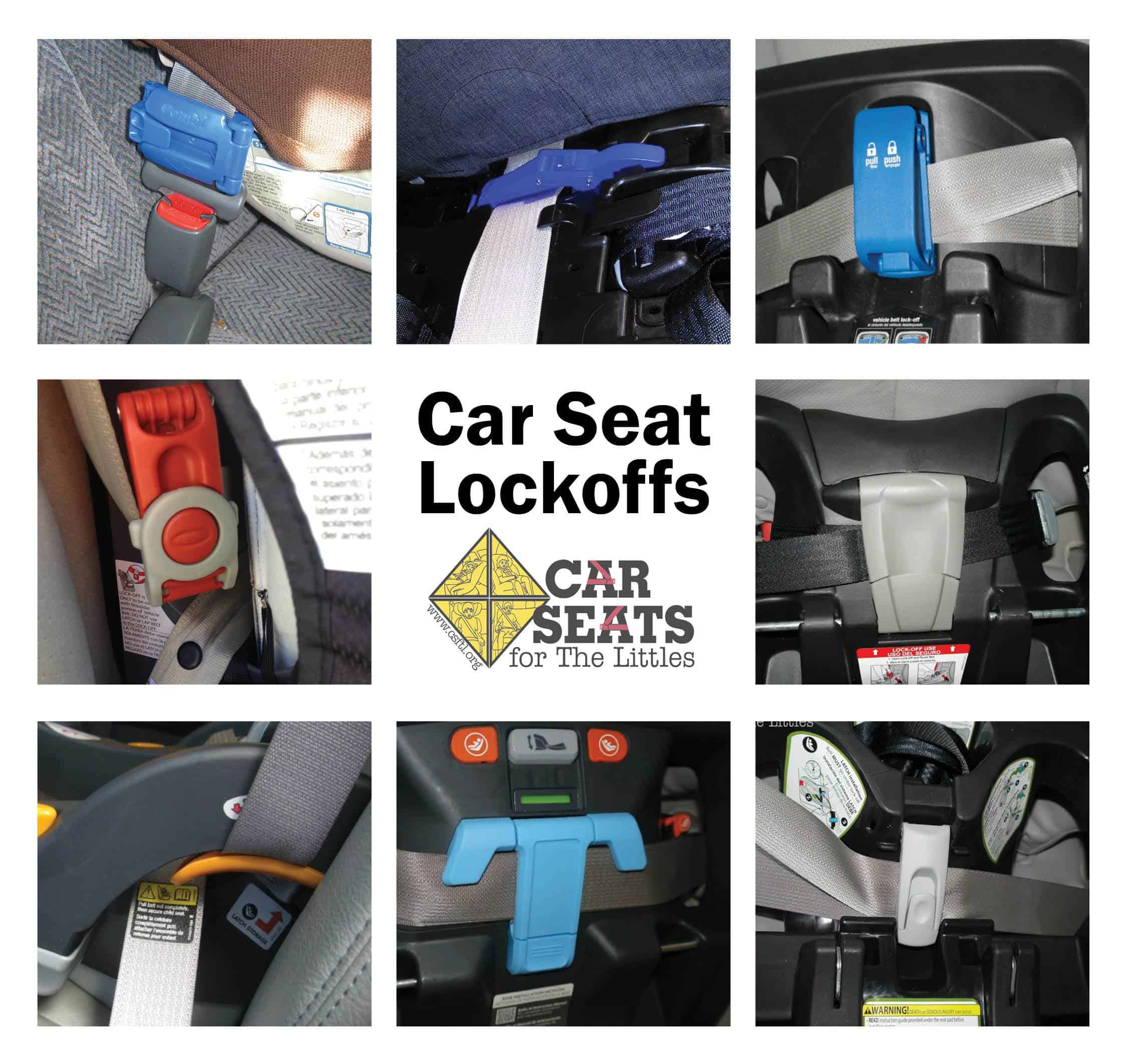
Seat belt locks are vital for safety. They secure the seat belt in place. Once the tongue clicks into the buckle, the lock engages. This keeps the belt from releasing in a crash.
Some locks have emergency locking retractors. These lock the belt during sudden stops. This feature prevents passengers from moving too much. The locking mechanism is simple yet effective. It plays a crucial role in car safety.
Credit: csftl.org
Installing The Car Seat Securely
Securing a car seat is crucial for child safety during travel. Proper installation ensures the seat can protect effectively in case of accidents. Understanding the steps to lock the seat belt properly gives peace of mind. Let’s explore how to install a car seat securely.
Positioning The Car Seat
Choose the right spot in the backseat. Middle position is often safest. Ensure the seat faces the correct direction. For infants, rear-facing is recommended. Check the angle of the seat. It should match the manufacturer’s guidelines. Avoid loose objects around the seat. They can be hazardous during sudden stops.
Anchoring The Car Seat
Use the vehicle’s seat belt or LATCH system to anchor. Ensure the straps are tight. There should be no slack. Test the seat’s stability by pushing it. It should move no more than an inch. Follow the car seat instructions carefully. They guide specific anchoring methods for each seat type.
Regular checks are necessary. Ensure the seat remains securely anchored. This routine helps maintain safety for your child.
Securing The Seat Belt
Securing the seat belt is essential for car seat safety. Proper installation ensures your child stays safe during travel. Understanding how to lock the seat belt correctly minimizes risks. This guide explains threading the seat belt and locking mechanisms.
Threading The Seat Belt
Begin by pulling the seat belt from its retractor. Thread it through the designated path on the car seat. Ensure there are no twists or knots in the belt. A straight belt ensures maximum security. Check the car seat manual for specific instructions. Some seats have unique threading paths.
Verify the belt is snug against the car seat. Excess slack can reduce effectiveness during sudden stops. Always double-check the belt’s position. Adjust the seat angle if needed for better threading. This simple step enhances safety.
Locking Mechanisms
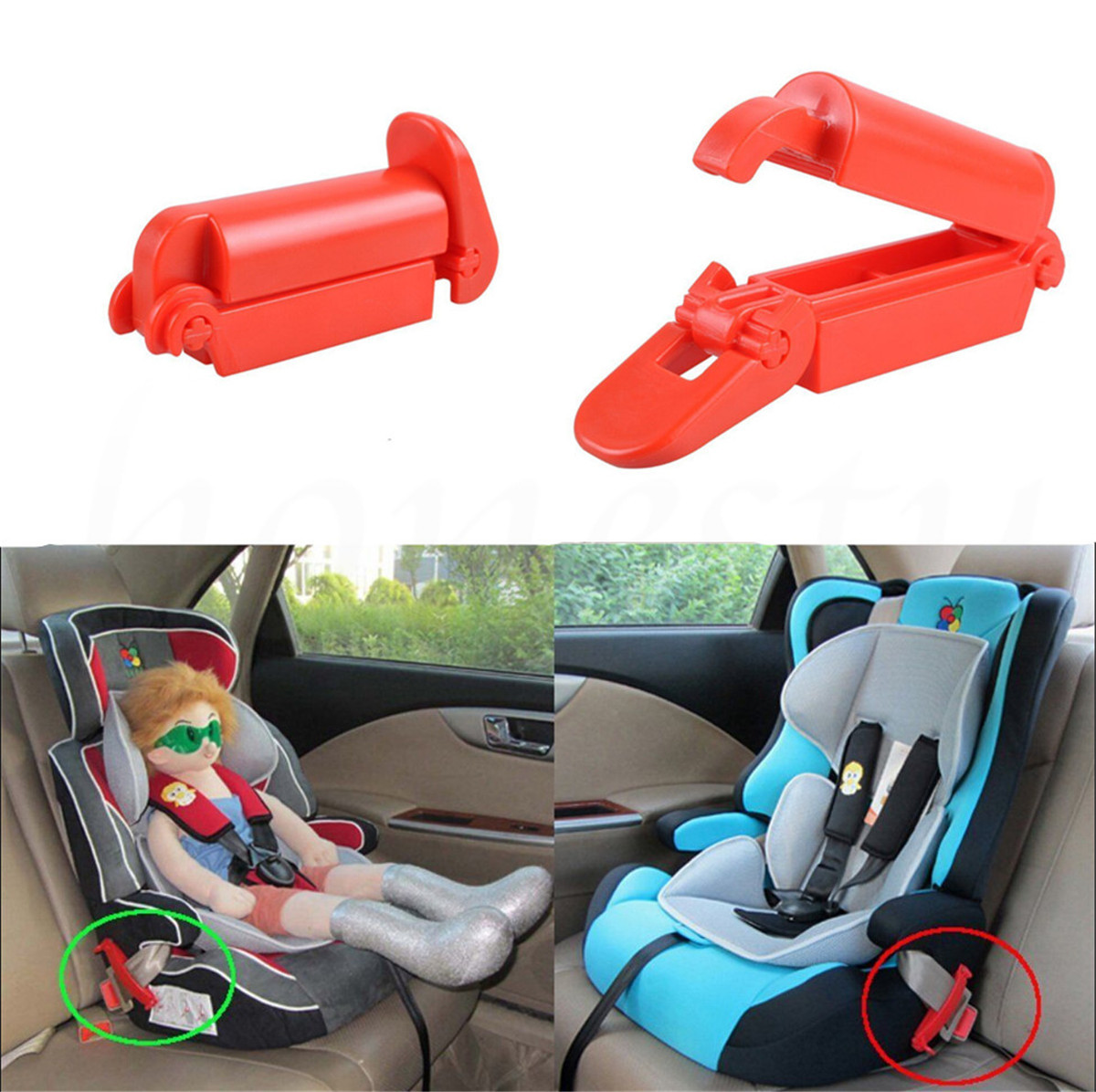
Modern cars offer various locking mechanisms. Engage the seat belt lock by pulling it tight. Some seat belts lock automatically when pulled completely. Listen for a click, signaling proper engagement. This ensures the belt stays secure during travel.
Review the car’s manual for locking mechanism details. Each vehicle might have different systems. Ensure the lock is engaged before starting the journey. A secure lock protects your child in unexpected situations. Regular checks keep the belt in optimal condition.
Common Mistakes To Avoid
Locking a seat belt for a car seat seems straightforward. Yet, parents often make common mistakes that compromise safety. Understanding these pitfalls is crucial for a secure installation.
1.Incorrect Seat Belt RoutingMany parents route the seat belt incorrectly. This affects the car seat’s stability. Always follow the car seat’s manual for proper guidance. Ensure the belt follows the correct path.
2.Loose Seat Belt InstallationA seat belt that isn’t tight can be dangerous. Pull the belt tightly to remove slack. Test by pushing the car seat. It should not move more than an inch.
3.Ignoring Seat Belt Locking MechanismSome seat belts have a locking mechanism. Not using it can lead to accidents. Engage the lock to hold the seat belt firmly. Check the manual for specific instructions.
4.Forgetting to Check CompatibilityNot all car seats fit every vehicle. Check if your car seat is compatible with your car’s seat belt system. Consult both the car and car seat manuals for compatibility.
5.Failing to Adjust Seat Belt HeightAdjust the seat belt to match your child’s height. A wrongly positioned belt can cause harm. Ensure the belt fits snugly across the child’s shoulder.
6.Overlooking Car Seat ExpiryCar seats have an expiry date. An expired seat may not perform well. Check the expiration and replace if needed. Always prioritize your child’s safety.
Expert Tips For Safety
Ensuring your child’s safety in the car is crucial. Using a seat belt correctly with a car seat is vital. Expert advice can help you secure your seat belt effectively. Simple steps ensure your child’s safety on every journey.
Regular Checks And Maintenance
Inspect the seat belt regularly. Look for signs of wear or damage. A frayed belt is unsafe. Ensure the buckle clicks securely. Clean the belt and buckle if dirt accumulates. Regular maintenance ensures reliability and safety.
Consulting With Professionals
Seek advice from car seat experts. They provide guidance on installing and using seat belts correctly. Professionals offer tips on adjustments for better fit. They ensure the seat belt works with your specific car seat model. Their expertise enhances safety.
Credit: thecarseatlady.com
Frequently Asked Questions
How Do I Lock A Seat Belt For A Car Seat?
To lock a seat belt for a car seat, pull the seat belt completely out. Slowly release it back until you hear a click. This sound indicates the locking mechanism is engaged. Ensure the belt is snug and check by tugging.
Always follow your car seat and vehicle manual guidelines.
Why Is My Seat Belt Not Locking Properly?
A seat belt may not lock properly due to dirt or damage. Check for any obstructions and clean the belt. Inspect for any signs of wear or damage. If issues persist, consult your vehicle manual or a professional. Maintaining seat belt integrity is crucial for safety.
Can I Use Any Seat Belt Lock For Car Seats?
Not all seat belt locks are suitable for car seats. Always use the lock recommended by your car seat manufacturer. These locks are designed to ensure optimal safety and compatibility. Improper locks can compromise safety. It’s essential to follow manufacturer instructions for the best results.
When Should I Check My Car Seat’s Seat Belt Lock?
Check your car seat’s seat belt lock regularly, especially after adjustments. Always inspect after installing or moving the car seat. Frequent checks ensure the lock functions correctly. This practice enhances safety and offers peace of mind. Regular maintenance is key to effective performance.
Conclusion
Locking a seat belt for a car seat is essential for safety. Make sure the belt is tight and secure. Check that the buckle clicks firmly into place. Ensure the strap isn’t twisted. A snug fit keeps your child safe during trips.
Practice these steps to gain confidence. Use your car’s manual for specific instructions. Prioritize safety every time you buckle up. A securely locked seat belt provides peace of mind. Keep these tips in mind. Safe travels for you and your family.
Every ride counts. Stay cautious, stay safe.


