


When to Front Face a Car Seat: Essential Guidelines

As a parent, ensuring your child’s safety is a priority that never takes a back seat. When it comes to car travel, the decision of when to front face a car seat can feel overwhelming, surrounded by a whirlwind of advice and opinions.
You’re not alone in seeking clarity in this crucial decision. How do you balance safety with comfort, and are you confident in your choice? This article will illuminate the path to making an informed decision, unraveling expert insights and practical tips that speak directly to your concerns.
Discover the key considerations, real-life scenarios, and the science behind the timing, as you navigate the road to safer journeys for your little one. Keep reading to empower yourself with the knowledge that brings peace of mind with every drive.

Credit: www.evenflo.com
Car Seat Safety Basics
Car seat safety is crucial for protecting young passengers. Understanding the basics helps parents make informed choices. Correct installation and usage reduce risks during travel.
How To Choose The Right Car Seat
Choose a car seat based on your child’s age and size. Safety standards vary by region, so check local regulations. Ensure the seat fits snugly in your vehicle.
Proper Installation Techniques
Follow the manufacturer’s instructions for installation. Use the LATCH system if your car supports it. Always double-check the seat’s stability after installation.
Rear-facing Vs. Front-facing
Rear-facing seats provide more protection for infants. Keep children rear-facing until they exceed the seat’s height or weight limit. Front-facing seats are suitable for older toddlers.
Understanding Safety Harnesses
Ensure the harness fits snugly against your child’s body. The chest clip should be at armpit level. Adjust the straps as your child grows.
Don’t rush to switch to front-facing. Avoid bulky clothing that can affect harness fit. Regularly check for recalls on your car seat model.
Importance Of Regular Checks
Inspect the car seat monthly for wear or damage. Ensure buckles and straps are functioning properly. Clean the seat according to the manufacturer’s guidelines.
Age And Size Requirements
Understanding when to front face a car seat is crucial for safety. Parents should know the age and size requirements. These factors help ensure a child’s safety during travel. Car seats are designed with specific guidelines. These guidelines are based on age, weight, and height. It’s important to follow these guidelines for your child’s protection. The transition to front facing should not be rushed. Let’s look at the essential factors: weight, height, and age.
Weight Considerations
Weight plays a key role in determining car seat positioning. Most experts recommend rear-facing until your child is 40 pounds. This weight limit ensures maximum safety in a crash. Always check the car seat manual for specific weight limits. Each car seat model can differ slightly.
Height Limitations
Height is another critical factor in car seat safety. Children should remain rear-facing until they reach the seat’s height limit. Generally, this is around 40 inches. A child’s head should not be above the seat’s top edge. Check your car seat’s guidelines for precise measurements. Proper height ensures optimal protection during travel.
Legal Regulations
Understanding legal regulations for car seat orientation is crucial. Parents must know when to front face their child’s car seat. Laws vary across regions, impacting safety decisions. This section explores local and international standards. Stay informed to ensure compliance and safety.
Local Laws
Every region has unique car seat regulations. These laws dictate when you can front face a car seat. In some areas, children must be at least two years old. Others require a specific weight or height. Always check your local laws for precise guidelines. Following these ensures your child’s safety on the road.
International Standards
Different countries follow various safety standards. The European Union, for instance, adheres to the ECE R44/04 and R129 regulations. These standards specify weight and height requirements. The United States follows the FMVSS 213 standard. Understand these to ensure compliance when traveling abroad. Knowing international standards keeps your child safe globally.
Signs Your Child Is Ready
Parents often wonder when to switch their child’s car seat position. Knowing the signs that your child is ready to front face a car seat is crucial. This transition is important for safety and comfort during travel. Identifying the right time involves observing physical and behavioral signs. Let’s explore these indicators.
Physical Development Indicators
Children grow at different rates, but certain physical milestones signal readiness. A key sign is when your child outgrows the rear-facing seat’s height limit. Another indicator is when your child weighs more than the seat’s rear-facing weight limit. Neck strength is essential. Your child must hold their head up steadily. A strong neck reduces the risk of injury during sudden stops. Also, check their legs. If they seem cramped, it might be time to change positions.
Behavioral Readiness
Behavioral cues also suggest your child is ready for front-facing seats. Observe how your child behaves while in the car. They might show discomfort in a rear-facing seat. Fussiness or frequent attempts to turn around are signs. Your child may express interest in seeing outside views. This curiosity can mean readiness for a new seat position. Ensure they understand basic safety rules. If your child follows instructions, they may be ready for the transition.
Choosing The Right Car Seat
Front facing a car seat is recommended when your child outgrows the rear-facing seat. Check the seat’s height and weight limits. Ensure the harness fits snugly over the shoulders. Proper installation is crucial for safety.
Choosing the right car seat can seem overwhelming. Safety for your child is the top priority. With many options available, understanding each type is vital. Each car seat type serves different age groups and weight ranges. This guide will help you make an informed decision.Convertible Seats
Convertible seats grow with your child. Start rear-facing for infants and toddlers. Switch to forward-facing when they’re older. These seats often support children up to 65 pounds. They offer flexibility and longevity. Good for parents who want a long-term option.Combination Seats
Combination seats are versatile. They serve children who have outgrown rear-facing seats. Initially, use them forward-facing with a harness. Later, convert them to a booster seat. They accommodate children up to 100 pounds. Ideal for parents seeking a multi-stage solution. `Installation Tips
Installing a front-facing car seat requires careful attention. Parents must ensure the seat is secure and safe for their child. Following installation tips can help avoid common mistakes. Proper installation guarantees the best protection for your little one.
Securing The Seat
Place the car seat in the back seat. It’s the safest spot for your child. Use the seatbelt or LATCH system to secure the seat. Check the vehicle’s manual for proper use of the LATCH system. Pull the seatbelt tightly to eliminate any slack. Ensure the seat doesn’t move more than an inch side-to-side or front-to-back.
Adjusting The Harness
Position the harness straps at or above your child’s shoulders. Make sure the harness is snug against the child’s body. You should not be able to pinch the harness strap. Ensure the chest clip is at armpit level. Adjust the harness as your child grows. Regular checks are essential for safety.
Common Mistakes To Avoid
Transitioning a car seat from rear-facing to front-facing is a crucial step. Many parents unknowingly make mistakes during this process. Awareness of these errors ensures your child’s safety. Understanding common mistakes helps you avoid them.
Incorrect Installation
Incorrect installation poses serious risks to child safety. Always follow the car seat manual carefully. Double-check the seat’s position and angle. Ensure the seat is securely fastened to the vehicle. The seat should not move more than an inch side-to-side. Use the correct anchors and tethers. A secure installation prevents accidents.
Premature Transitioning
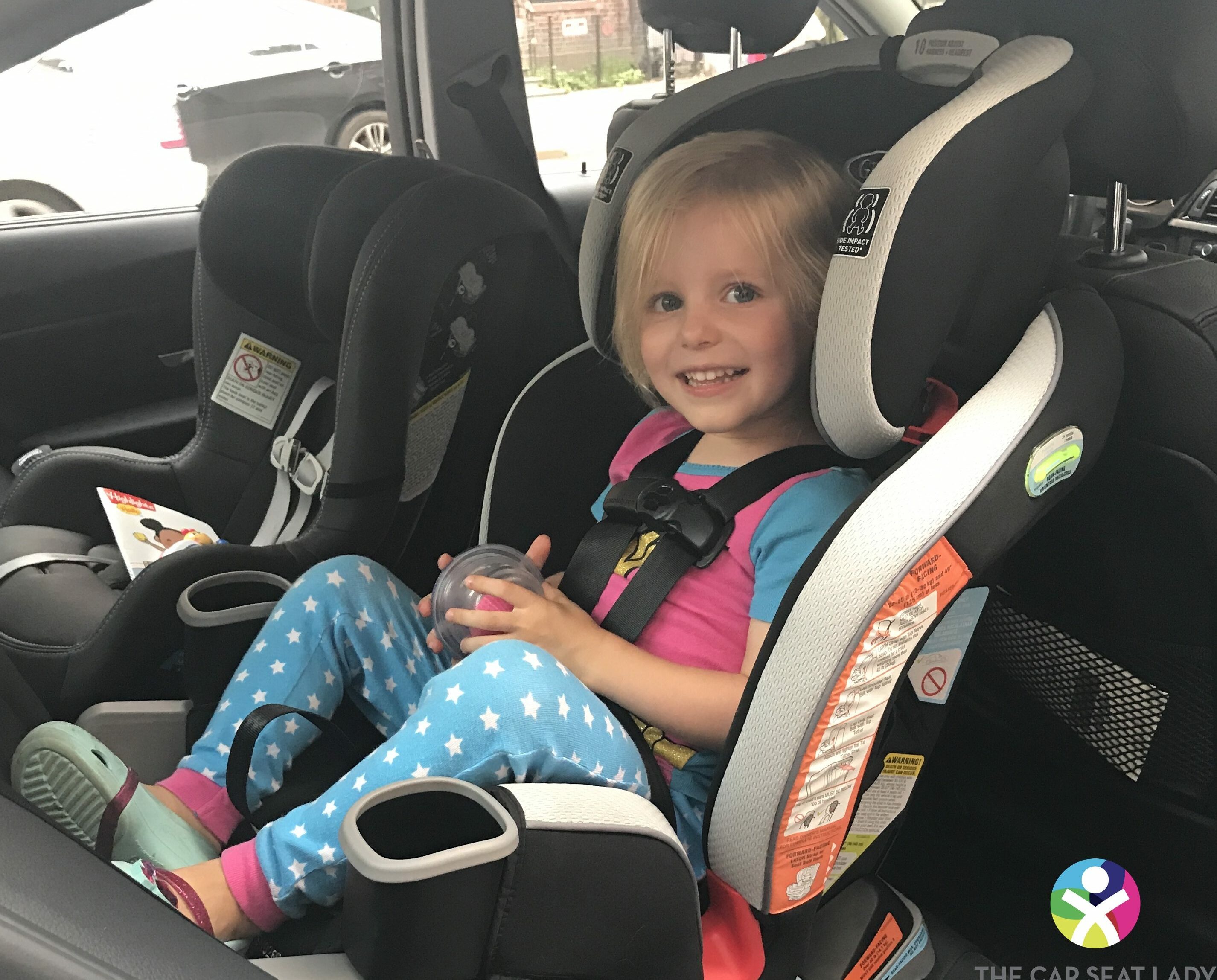
Premature transitioning is a common mistake. Children should stay rear-facing as long as possible. Rear-facing seats offer better protection in crashes. Check the seat’s weight and height limits. Do not switch too early based on age alone. Each child’s growth varies. Wait until they reach the seat’s limits. This ensures maximum safety during travel.
Credit: thecarseatlady.com
Expert Recommendations
Choosing the right time to front face a car seat is crucial. Experts provide valuable advice for parents. Keeping children safe is the top priority. Understanding expert guidelines can help make informed decisions.
Pediatrician Advice
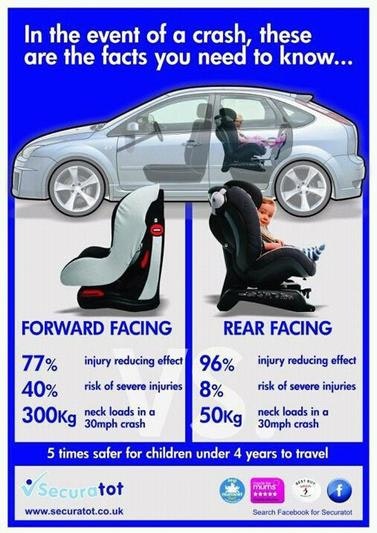
Pediatricians emphasize keeping children rear-facing as long as possible. This position supports the child’s head and neck. The American Academy of Pediatrics suggests maintaining this position until at least age two. Rear-facing seats absorb more impact during accidents. This reduces injury risks for young children.
Safety Organization Guidelines
Safety organizations offer clear guidelines for car seat positioning. The National Highway Traffic Safety Administration advises rear-facing until at least age two. They recommend following the car seat manufacturer’s height and weight limits. This ensures maximum safety for growing children. Always check for updated guidelines from trusted sources.
Faqs About Front Facing Car Seats
Understanding when to transition your child to a front-facing car seat is crucial. Many parents have questions about this important milestone. Ensuring safety is the top priority. Below are common questions about front-facing car seats. Clear answers help you make informed decisions.
1. What Age Can My Child Sit In A Front-facing Car Seat?
Children should be at least two years old. They should also meet the weight and height requirements. Always check the specific guidelines of your car seat model. Safety regulations may vary.
2. What Are The Weight Limits For Front-facing Car Seats?
Weight limits depend on the car seat model. Many seats accommodate children up to 65 pounds. Always refer to the manual of your car seat. Double-check the manufacturer’s recommendations for accuracy.
3. How Do I Ensure The Car Seat Is Properly Installed?
Follow the instructions provided by the manufacturer. Many car seats offer latch systems for easy installation. A snug fit is vital for safety. Consider professional installation if unsure.
4. Is It Safer To Keep My Child Rear-facing Longer?
Yes, rear-facing is generally safer for young children. It protects the head and neck better in a crash. Keep your child rear-facing until they exceed the seat’s rear-facing limits.
5. Can I Switch To A Booster Seat After Front-facing?
Booster seats are for older children. Check if your child meets the height and weight requirements. Typically, this transition happens around age four or later.
6. What Should I Look For In A Front-facing Car Seat?
Choose a seat with a five-point harness. Look for adjustable features for growing children. Ensure the seat meets safety standards. Consider ease of installation and comfort.
7. How Often Should I Replace A Front-facing Car Seat?
Replace car seats after a crash. Check expiration dates on the seat label. Regularly inspect for wear and damage. Always prioritize your child’s safety.
Credit: www.elfr.org
Frequently Asked Questions
When Can A Child Face Forward In A Car Seat?
Children can face forward once they exceed the rear-facing weight or height limit. This is usually around age two. However, it’s safest to keep them rear-facing as long as possible. Always check your car seat’s guidelines for specific limits.
What Are The Weight Limits For Forward-facing Seats?
Forward-facing car seats typically accommodate children weighing 20 to 65 pounds. It’s crucial to follow the manufacturer’s instructions for weight limits. Always ensure the harness fits snugly and the seat is properly installed.
Why Is Rear-facing Safer For Young Children?
Rear-facing seats better protect a child’s head, neck, and spine in a crash. They distribute crash forces over the entire body. Keeping your child rear-facing as long as possible is the best practice for safety.
How Do I Know If My Car Seat Is Correctly Installed?
Ensure the car seat doesn’t move more than an inch side-to-side. Use the tether for forward-facing seats. Always follow the manufacturer’s installation instructions carefully and consider a professional inspection.
Conclusion
Choosing the right time to front face a car seat is crucial. Safety is the top priority for your child. Consider their age and size before transitioning. Follow guidelines to ensure proper installation and usage. Consult your car seat manual for specific instructions.
Always check for updates on safety regulations. Stay informed and cautious. Protecting your child is worth the effort. A well-secured seat keeps them safe on every journey. Make informed decisions for your child’s safety. Enjoy peace of mind while driving.
Safe travels for you and your little one.


