

What are Requirements to Sit in Front Seat of Car: Essential Guide

Have you ever wondered what it takes for someone to sit in the front seat of a car? You might think it’s as simple as hopping in and buckling up, but there’s more to it than meets the eye.
Safety should always be your top priority when it comes to driving or riding in a vehicle. That’s why understanding the requirements for sitting in the front seat is crucial. Whether you’re a parent concerned about your child’s safety or a new driver eager to learn the rules of the road, this article has got you covered.
We’ll delve into the key factors that determine when and who can sit up front, ensuring you make informed and safe choices for you and your passengers. Stick around to discover these essential guidelines and boost your confidence in making the right decision every time you hit the road.
Legal Age And Height Restrictions
Sitting in the front seat of a car is a big deal for kids. It feels like a step closer to adulthood. But there are rules about who can sit there. These rules ensure safety during travel.
Legal Age Requirements
Many places have age limits for front seat passengers. This is usually around 12 years old. Younger kids are safer in the back seat. Their bodies are less able to handle impacts.
Height Restrictions
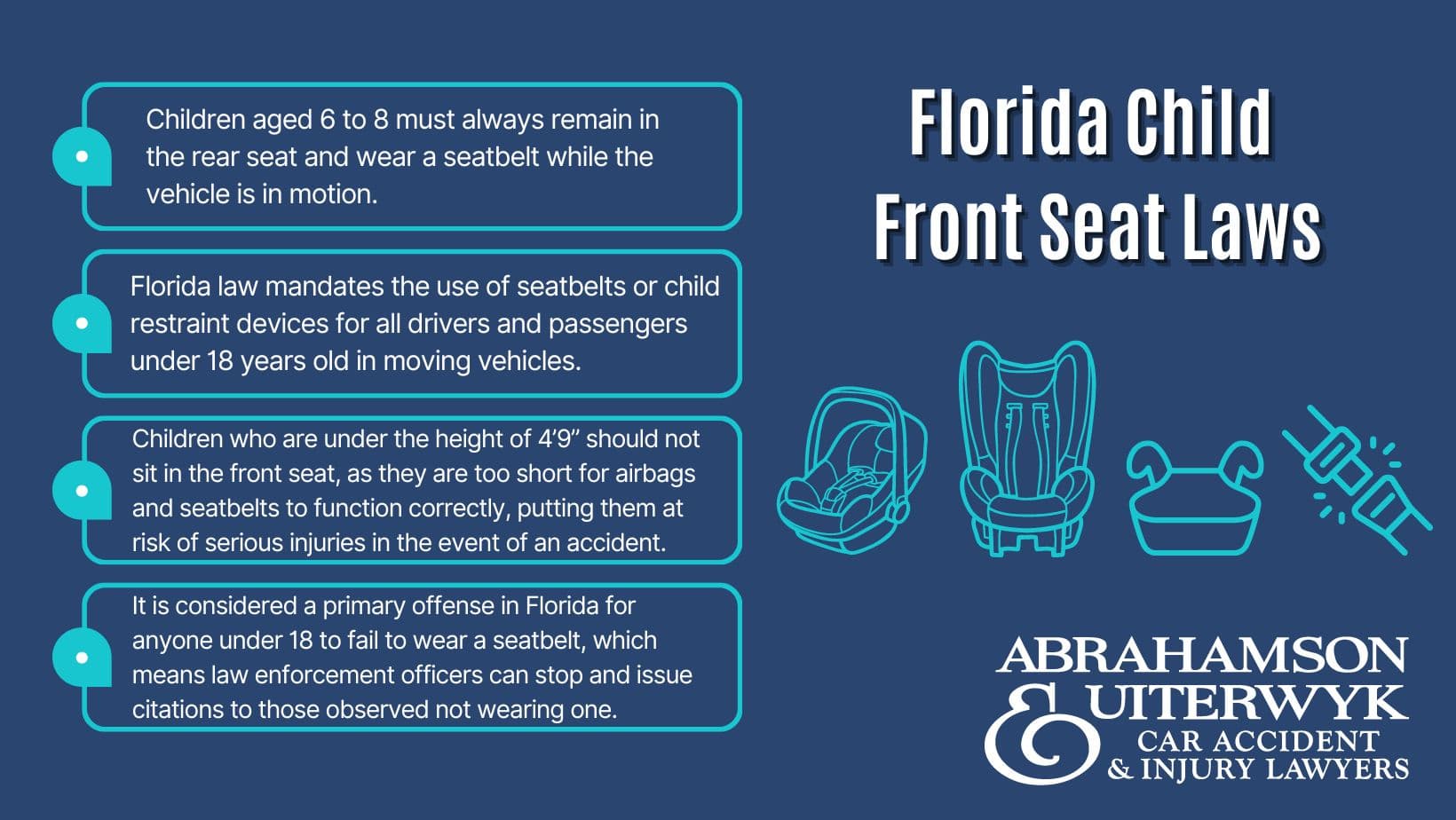
Height plays a key role in front seat safety. Kids should be at least 4 feet 9 inches tall. This height helps seat belts fit correctly. A proper fit reduces injury risks in accidents.
Safety Concerns
Front seat airbags can be dangerous for small children. The force can cause harm. Back seats are safer for younger passengers. They provide better protection during crashes.
State Regulations
Different states have varying rules about front seat passengers. It’s important to know your local laws. Check age and height requirements before allowing kids in the front.
Safety Guidelines
Safety in cars is crucial for everyone. Sitting in the front seat demands extra care. Drivers and passengers should know key safety guidelines. These help prevent injuries and ensure a smooth ride.
Importance Of Seat Belts
Seat belts save lives. They keep you secure in sudden stops. Without them, you might be thrown forward. This can cause serious harm. Always buckle up before the car moves.
Make sure the seat belt fits properly. It should lie across the chest and hips. A loose belt won’t protect you well. Adjust it for comfort and safety.
Airbag Safety Considerations
Airbags work with seat belts to protect you. They inflate quickly in a crash. Sitting too close to them is dangerous. Keep your seat back slightly reclined.
Children should not sit in front of an airbag. It can harm them instead of helping. Follow the car’s manual for airbag guidelines.
State-specific Laws
Understanding state-specific laws for sitting in the front seat is essential. Each state in the U.S. has its own rules. These laws consider age, weight, and height requirements. They ensure safety and protect young passengers.
Variations Across States
State laws on front seat requirements vary widely. For example, in California, children must be at least 8 years old. Alternatively, they must be 4 feet 9 inches tall to sit in the front. Texas laws differ, focusing more on height than age. Some states, like New York, have stricter regulations. They require children to be older before moving to the front seat. These differences highlight the importance of knowing local laws.
Recent Changes In Legislation
Legislation on front seat requirements changes often. Some states have recently updated their laws. These changes aim to improve passenger safety. For example, New Jersey introduced new height requirements. Such updates reflect advancements in safety research. They help reduce injuries in car accidents. Staying informed about these changes is crucial for parents and guardians.
Parental Responsibilities
Parental responsibilities extend beyond ensuring safety. When allowing a child to sit in the front seat of a car, parents must consider several factors. The decision involves more than simply adhering to legal requirements. It involves assessing a child’s readiness and comfort. Understanding these elements can help parents make informed decisions.
Assessing Maturity
A child’s maturity plays a vital role in sitting in the front seat. Parents must evaluate whether their child understands basic safety rules. This includes knowing how to fasten the seatbelt properly. Being able to stay calm during unexpected situations is also crucial. Emotional maturity ensures the child reacts appropriately if needed.
Parents should consider their child’s physical size. The seatbelt must fit properly to ensure safety. If a child is too small, they might not be protected adequately. Checking the child’s height and weight helps in determining this.
Monitoring Comfort
Comfort is another critical factor. Parents should ensure the child feels at ease in the front seat. A comfortable child is more likely to remain calm during the ride. Adjust the seat position for better visibility and comfort. Make sure the seatbelt does not cause discomfort.
It’s important to observe the child’s behavior. If they appear uneasy or restless, reconsider the decision. Comfort affects a child’s ability to enjoy the journey safely. Regular checks and adjustments can help maintain a pleasant experience for both the child and the driver.
Car Manufacturer Recommendations
Car manufacturers offer vital recommendations for front seat safety. These guidelines ensure passenger safety and comfort. Understanding these recommendations can prevent accidents and injuries.
Safety Features
Manufacturers focus on advanced safety features for front seats. Airbags and seat belts are crucial elements. They protect passengers in case of sudden stops or crashes.
Many cars have automatic seat adjustments. These ensure optimal seating positions. Proper positioning reduces the risk of injury during accidents.
Some vehicles include advanced sensors. These detect passenger size and weight. The sensors adjust safety features accordingly for maximum protection.
User Manuals Insights
User manuals provide detailed guidelines for front seat usage. These manuals offer advice on seat adjustments for comfort and safety. Following these instructions can make travel safer.
Manuals often highlight the importance of proper posture. Correct posture reduces strain and enhances protection. Always check these guidelines before driving.
Additionally, user manuals recommend height and age restrictions. These ensure that passengers are safe and comfortable. Each car model may have unique requirements.
Credit: www.theinjurylawyers.com
Impact On Insurance Policies
Understanding who can sit in the front seat affects insurance policies. Many factors influence this decision. Age restrictions, legal requirements, and safety considerations all play a role. If a passenger does not meet these requirements, insurance claims could be affected. Insurance companies often consider seating arrangements when evaluating coverage.
Potential Penalties
Incorrect seating can lead to penalties. If a child sits illegally in the front, fines may be issued. These violations can impact insurance records. A history of penalties may raise insurance premiums. Avoiding unnecessary fines keeps insurance costs down.
Coverage Implications
Seating arrangements can change insurance coverage. If an accident occurs, seating violations may void claims. Insurers may refuse to cover injuries if rules are broken. Understanding seating laws ensures full coverage. Proper seating practices can protect passengers and wallets. Reviewing policy details helps avoid surprises.
Common Myths And Misconceptions
Many myths surround the rules about sitting in the front seat of a car. These myths often cause confusion and safety concerns. It’s important to understand the truth to ensure safe travel.
Myth Busters
Some people believe children can sit in the front seat after a certain age. Others think height and weight are the only factors. These are not entirely true. The guidelines vary by country and state. Always check local laws for accuracy.
Another common myth is that airbags are always safe for children. This is not true. Airbags can cause harm to small children. They are designed for adults.
Clarifying Misunderstandings
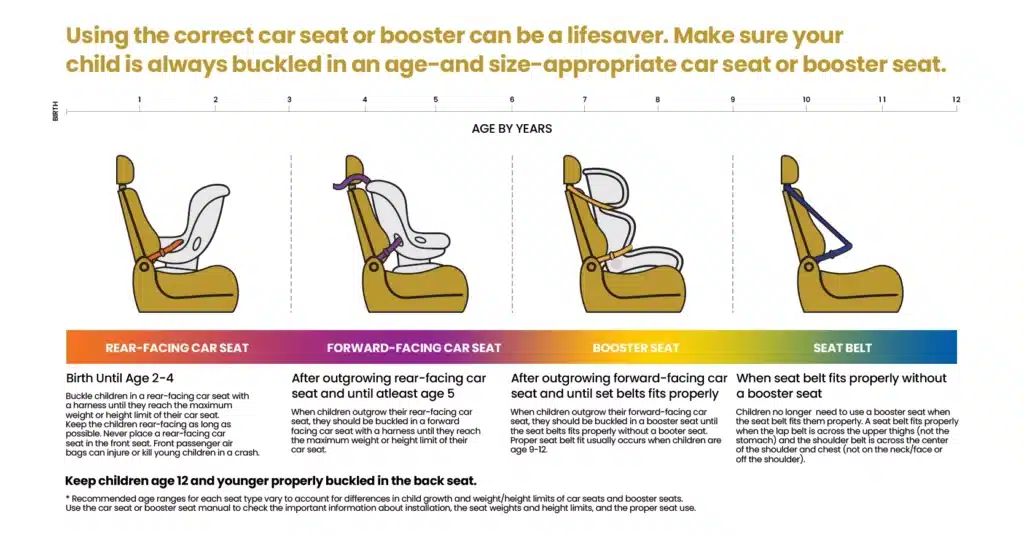
Many parents think booster seats are unnecessary in the front seat. This is false. Booster seats are vital for child safety. They ensure the seat belt fits properly.
Some assume that once a child reaches a certain age, they can always sit upfront. This is misleading. Safety depends on the child’s size and maturity, not just age.
There is also a belief that sitting in the front is safer for short trips. This is incorrect. Accidents can happen anytime, even on short journeys. Always follow safety rules, regardless of distance.
Credit: chalakilaw.com
Frequently Asked Questions
What Is The Minimum Age To Sit In Front Seat?
The minimum age to sit in the front seat varies by country and state. Generally, it’s around 12 years old. Check local regulations for specific age requirements. It’s important for safety and legal compliance to adhere to these guidelines.
Are Height And Weight Important For Front Seat Eligibility?
Yes, height and weight are crucial for front seat eligibility. Children should be tall enough to sit comfortably with the seatbelt properly positioned. Proper seatbelt fit ensures safety. Always follow vehicle and car seat manufacturer guidelines to determine if a child can safely sit in the front.
Do Airbags Affect Front Seat Eligibility?
Airbags significantly affect front seat eligibility. They can be dangerous for young children due to their deployment force. Ensure children are at the recommended age and size before sitting in the front seat. Always follow vehicle guidelines for airbag safety to prevent injury.
Can A Booster Seat Be Used In The Front Seat?
Using a booster seat in the front seat is generally not recommended. It’s safer for children to use booster seats in the back seat. If necessary, ensure the airbag is turned off and the seat is pushed back. Always check vehicle and booster seat manufacturer guidelines.
Conclusion
Sitting in the front seat requires meeting certain rules. Age, height, and weight are key factors. Safety is the top priority. Parents should check local laws for guidance. Children need proper seating for protection. Using seat belts correctly is crucial.
Front airbags can be dangerous for young kids. Always ensure proper car seat installation. Protect your loved ones by following these guidelines. Safe driving starts with smart seating choices. Remember, every trip needs careful planning. Safety should never be compromised.
Follow these tips for a safer journey. Stay informed, stay secure.


