


How to Replace Car Seat Belt: Step-by-Step Guide

Are you worried about your worn-out car seat belt and wondering how to replace it? You’re in the right place!
Whether you’re dealing with a frayed belt or a buckle that just won’t click, replacing a seat belt can seem daunting. But don’t worry! This guide is designed to make the process simple and straightforward. We’ll walk you through the steps, ensuring your safety and peace of mind.
By the end of this article, you’ll feel confident tackling this task on your own. So, let’s dive in and get your seat belt back to peak condition!

Credit: www.actonservicecentre.co.uk
Preparation
Replacing a car seat belt requires careful preparation. This ensures safety and efficiency. Preparation involves gathering tools and finding a replacement belt. These steps help streamline the process.
Gather Necessary Tools
Start by collecting essential tools. A wrench is crucial for loosening bolts. You need a screwdriver for removing screws. Keep these tools within reach. It saves time during the replacement process. Ensure you have a flashlight. It helps illuminate dark areas. This is especially useful in tight spaces. A container for bolts and screws prevents loss. Organization is key for a smooth replacement.
Find Replacement Seat Belt
Locate a compatible seat belt. Check the car’s model and year. This ensures you purchase the correct type. Visit an auto parts store for a new belt. You can also find options online. Verify the quality of the belt. A durable belt enhances safety. Choose a reputable brand. This guarantees reliability and longevity.
Safety Precautions
Replacing a car seat belt requires careful attention to safety. Mishandling can lead to accidents or injuries. Following safety precautions ensures a smooth and secure process. Here are some essential steps to keep you safe.
Park On Level Ground
Always park your vehicle on level ground. This prevents unwanted movement. It provides a stable work environment. A flat surface ensures your car remains stationary. This reduces the risk of rolling or slipping.
Disconnect Battery
Disconnect the car battery before starting. This prevents accidental airbag deployment. It also protects against electric shock. Use a wrench to loosen the negative cable. Remove it carefully and set it aside. Reconnecting comes only after replacing the seat belt.
Remove Old Seat Belt
Replacing a car seat belt requires removing the old one first. This process involves several careful steps. Removing the old seat belt can seem tricky. But with guidance, it becomes manageable. Follow each step closely to ensure safety and efficiency.
Detach Buckle
Start by locating the buckle anchor. It is usually near the seat. Use a wrench to remove the bolt holding the buckle. Keep the bolt safe for later use. Gently pull the buckle away from its mount. This will free it from the seat.
Remove Mounting Bolts
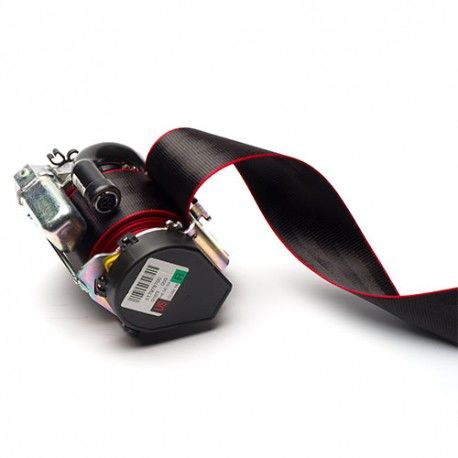
Find the mounting bolts that secure the seat belt. These bolts are often found near the base of the seat. Use a socket wrench to loosen these bolts. Be careful not to strip them. Once loose, remove the bolts completely. This will release the seat belt from the car. Store the bolts for installing the new belt.
Credit: www.safetyrestore.com
Install New Seat Belt
Installing a new seat belt in your car is a simple task. It ensures safety and peace of mind. With the right tools and steps, anyone can do it. This guide will help you install a new seat belt easily. Follow these instructions for a secure installation.
Attach Mounting Bolts
Start by aligning the new seat belt with the mounting holes. Make sure the belt is not twisted. Use the correct bolts that came with your seat belt kit. Insert the bolts into the mounting holes. Tighten them firmly with a wrench. Ensure the belt can move smoothly.
Secure Buckle
Next, connect the buckle to the seat belt receiver. Position the buckle in its place. Use the provided screws to attach it securely. Tighten the screws with a screwdriver. Test the buckle by clicking it several times. It should latch and release without effort.
Test Installation
Testing the installation of a new car seat belt is crucial. It ensures safety and functionality. This step verifies that everything works correctly before use. A properly installed seat belt saves lives. Follow these steps for a thorough test.
Check Locking Mechanism
First, examine the locking mechanism. Buckle the seat belt and tug firmly. The buckle should not release easily. A secure buckle is vital for safety. It must withstand sudden force during driving. If it releases, recheck installation or seek expert help.
Ensure Smooth Retraction
Next, check the retraction of the seat belt. Pull the belt out gently and let go. It should retract smoothly without snagging. A smooth retraction prevents tangling. It ensures easy use every time. Test multiple times to confirm reliability.
Troubleshooting Tips
Replacing a car seat belt can seem daunting. Begin by inspecting the belt for any wear or damage. Ensure you have the correct replacement parts. Follow the manufacturer’s instructions closely for safe installation. Make sure to test the new seat belt for proper function before driving.
Replacing a car seat belt can be a straightforward task. Yet, issues may arise during the process. Troubleshooting these problems ensures a smooth replacement. Understanding common seat belt problems is crucial. It helps in identifying the right solutions. For complex issues, professional help might be necessary. Let’s delve into some useful troubleshooting tips.
Address Common Issues
Seat belts may sometimes jam or retract slowly. Ensure the belt is clean and free from debris. A dirty belt can hinder proper functioning. Check the retractor for any visible damage. If the belt does not lock, inspect the locking mechanism. Sometimes, the problem lies in the buckle. Ensure the buckle clicks properly. If not, it may need replacement. A twisted belt can also cause issues. Untwist it and guide it back into the retractor. Regular inspection helps prevent many common problems.
Seek Professional Help
Some issues require expert intervention. If the belt fails to retract, a mechanic might be needed. Professional help ensures safety and proper installation. Mechanics can diagnose complex problems. They have the tools and expertise to fix intricate issues. Sometimes, the car’s electrical system affects the seat belt. A professional can check for electrical faults. They can also replace parts safely. Seeking help guarantees the seat belt functions correctly. Always prioritize safety when dealing with seat belts.

Credit: www.youtube.com
Frequently Asked Questions
How Do I Know If My Seat Belt Needs Replacing?
A seat belt should be replaced if it’s frayed, has visible damage, or does not retract smoothly. Listen for unusual sounds when buckling or unbuckling. Regular checks can prevent future issues.
Can I Replace A Seat Belt Myself?
Yes, you can replace a seat belt yourself with basic tools. Follow your car manual for guidance. Ensure you disconnect the battery before starting to prevent airbag deployment.
What Tools Are Needed To Replace A Seat Belt?
To replace a seat belt, you’ll need a screwdriver, socket wrench, and pliers. Use these tools to remove bolts and screws. Keep all removed parts for reinstallation.
How Long Does It Take To Replace A Seat Belt?
Replacing a seat belt typically takes about 30 to 60 minutes. Time depends on your experience and vehicle model. Always follow the car manual’s instructions for safety.
Conclusion
Replacing a car seat belt is simple with the right steps. Follow this guide for a successful replacement. Always ensure the new seat belt fits securely. Safety on the road depends on it. Regularly check your seat belts for wear and tear.
A well-maintained belt protects you in emergencies. Remember, staying safe is the top priority. Gather your tools, follow the instructions, and complete the task. Enjoy peace of mind knowing your car is safer. Keep your vehicle in top condition for your journeys.
Happy and safe driving!


