

How to Recycle a Car Seat: Eco-Friendly Solutions

Are you staring at an old car seat, wondering what to do with it? You’re not alone.
Many parents find themselves in this dilemma, especially when their little ones outgrow their seats, or they’re no longer safe for use. Simply tossing it in the trash may seem like the easiest option, but there’s a better way. Recycling your car seat not only helps the environment but also frees up space in your home.
Imagine feeling the satisfaction of making a positive impact on the planet, while clearing out clutter! You’ll discover step-by-step how to recycle a car seat efficiently. Let’s turn that old car seat into an opportunity for change. Ready to find out how? Keep reading to learn more!
Understanding Car Seat Recycling
Recycling a car seat involves more than just tossing it away. Understanding the process helps you contribute to sustainability. Car seats contain materials like plastic, metal, and fabric. These can harm the environment if not disposed of properly.
What Makes A Car Seat Non-recyclable?
Not all car seats are recyclable. Some contain mixed materials. This makes them hard to separate. Others may have safety issues. Broken or expired seats cannot be reused.
Steps For Recycling A Car Seat
First, check local recycling guidelines. Some places have specific instructions. Remove all non-recyclable parts. Straps and padding often need special disposal.
Finding Recycling Programs
Some stores offer car seat recycling events. These are great opportunities. You can drop off your old seat. They ensure proper recycling.
Environmental Benefits Of Recycling Car Seats
Recycling reduces landfill waste. It conserves resources. The process cuts down on pollution. Every recycled seat makes a difference.
Importance Of Car Seat Recycling
Car seat recycling plays a crucial role in preserving our environment. Many people often discard old car seats without thinking. But recycling them can make a big difference. It reduces waste, conserves resources, and helps ensure safety. Understanding the importance of recycling car seats can inspire responsible choices. Let’s explore why recycling car seats is vital.
Environmental Benefits
Recycling car seats helps reduce landfill waste. Car seats contain plastic and metal parts. These materials can take years to decompose in a landfill. Recycling allows these materials to be reused. This process conserves natural resources and reduces pollution. By recycling, we help keep our environment clean and healthy.
Safety Considerations
Old car seats may not be safe for children. Over time, materials can degrade. This can compromise the seat’s ability to protect in a crash. Recycling ensures old seats are not reused improperly. It prevents accidents caused by faulty car seats. Always consider recycling to maintain safety standards.
Identifying Recyclable Parts
Recycling a car seat involves understanding its various components. Each part has potential for recycling. Identifying recyclable parts is crucial for effective recycling. This ensures minimal waste and environmental impact. Let’s explore the key elements of a car seat that can be recycled.
Plastic Components
Car seats contain various plastic parts. Armrests, base, and connectors are common. These parts are often made from polypropylene. It’s a type of plastic widely recycled. Check for recycling symbols on these parts. This helps determine their recyclability. Remove all metal and fabric before recycling plastics. Separate different plastic types for best results.
Metal Frames
Metal frames provide structure and strength. They are usually made of steel or aluminum. These metals are highly recyclable. Use a magnet to check the metal type. Steel is magnetic; aluminum is not. Remove metal from other materials first. This ensures efficient recycling. Many recycling centers accept metal for processing.
Fabric Materials
The fabric covers the seat and padding. It’s often polyester or cotton blend. Recycling fabric is less common but possible. Check local facilities for fabric recycling options. Remove foam and non-fabric elements first. Clean fabric ensures better recycling quality. Consider repurposing fabric for crafts or donations.
Preparing Car Seats For Recycling
Recycling car seats helps the environment. First, remove the fabric and foam from the car seat. Next, separate the metal and plastic parts for proper recycling. Many recycling centers offer special programs for car seats, ensuring responsible disposal.
Preparing a car seat for recycling involves several important steps. Proper preparation ensures efficient recycling and reduces waste. Before starting, gather necessary tools and materials. A clean, organized workspace aids in the process.
Cleaning And Disassembly
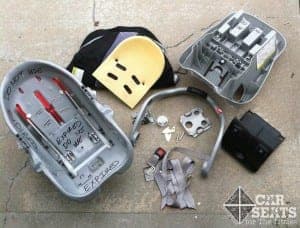
Start by cleaning the car seat thoroughly. Use a damp cloth to remove dirt and stains. Check for any hidden crumbs or debris. Cleaning makes handling parts easier and safer. Next, disassemble the car seat. Use a screwdriver to remove screws and fasteners. Separate the seat into individual components. This includes the fabric cover, foam padding, and plastic shell. Keep small parts like screws in a container.
Sorting Materials
After disassembly, sort the materials into different categories. Fabric and foam go in one pile. Plastic and metal in another. Label each pile for clarity. Ensure all parts are free of contaminants. This step is crucial for effective recycling. Proper sorting aids recycling centers in processing materials. It also helps in identifying recyclable and non-recyclable items. This methodical approach ensures a smooth recycling process. It maximizes the chances of each part being reused or recycled.
Local Recycling Programs
Recycling a car seat can be challenging due to its mixed materials. Local recycling programs offer a solution. They help ensure that car seats don’t end up in landfills. These programs are eco-friendly and convenient. You can find nearby facilities or participate in community events.
Finding Nearby Facilities
Start by checking with your local waste management services. They often have lists of recycling centers. You can also visit your city or county website. Many areas have specific facilities for car seat recycling. Some stores may offer recycling services. Always call ahead to confirm details. This saves time and effort.
Community Events
Community events can be a great way to recycle car seats. Local organizations sometimes host recycling drives. These events are often free or low-cost. They provide an easy option for residents. Check community boards and social media groups. This way, you can stay updated. Participating in these events supports local efforts. It also helps build a greener community.
Credit: csftl.org
Retailer Take-back Programs
Retailer Take-Back Programs make recycling car seats easy. Many retailers have special events or ongoing programs. These allow customers to return old car seats for recycling. It’s a convenient way to ensure car seats don’t end up in landfills. By participating, you contribute to a greener planet.
Participating Stores
Several big-name stores participate in car seat recycling. Target and Walmart often host recycling events. Babies “R” Us and Buy Buy Baby may also have programs. Check with your local store for their schedule. Each store may have different rules and timelines.
Program Benefits
Retailer Take-Back Programs offer multiple benefits. They make it easy to recycle without much hassle. You often receive a discount or coupon for returning a seat. This can help save money on your next purchase. Recycling through these programs reduces environmental waste. It promotes a healthier planet for future generations.
Diy Upcycling Ideas
Transforming an old car seat into something useful is a creative endeavor. DIY upcycling allows you to breathe new life into items that might otherwise be discarded. This approach not only reduces waste but also sparks creativity. Let’s explore some fun ways to repurpose car seats into unique projects.
Craft Projects
Car seat fabric can be used for various crafts. Cut pieces for patchwork quilts or tote bags. Use the belts and buckles for making sturdy backpacks. Small cushions or stuffed toys can be fashioned from the soft padding. These projects are practical and give your car seat a second life.
Home Decor
Old car seats can enhance your home decor. The leather or fabric can be repurposed into stylish pillow covers. Create a unique wall hanging or tapestry using the patterned material. Use the metal frame as a base for a creative lamp or plant stand. These decor ideas add a personal touch to your living space.
Donating Car Seats
Donating car seats is a wonderful way to help families in need. Many families struggle to afford essential baby gear. A car seat can make a big difference. Before donating, consider a few important aspects. These will ensure safety and usefulness.
Safety Guidelines
Safety is the top priority when donating car seats. Check the expiration date first. Car seats have a lifespan that ends after a few years. An expired seat is unsafe. Inspect the seat for any damages. Cracks or broken parts mean the seat is not fit for donation. Ensure all parts are intact and functional. Remove the car seat cover and wash it. A clean seat is more welcoming for the recipient. Verify the recall status. Ensure the car seat has not been recalled due to defects. Review the seat’s history. Avoid donating seats involved in accidents. They might have unseen damage.
Charitable Organizations
Find the right place to donate your car seat. Many organizations accept car seat donations. Local shelters often welcome car seats for families. Contact them to confirm their requirements. Some organizations specialize in baby gear donations. They ensure your car seat reaches those who need it most. National charities sometimes have specific programs. They might collect car seats to distribute to families. Research these organizations online. Choose one that aligns with your values. Reach out to them directly. They can guide you on how to donate effectively.
Advocating For Better Recycling Options
Recycling car seats can be difficult. Many parents wonder how to dispose of them responsibly. Current recycling options are limited. Advocating for better recycling options is crucial. This ensures car seats don’t end up in landfills. Improving these options requires raising awareness and supporting legislation.
Raising Awareness
Public knowledge about car seat recycling is low. Many people don’t know where to start. Community events can help. Organizing workshops can educate parents. Sharing information online is also effective. Social media is a powerful tool. Encourage others to share posts. This spreads awareness quickly.
Schools can play a role too. Including recycling in the curriculum helps. Kids learn about sustainability early. They can inform their parents. Awareness can lead to action. It starts with simple steps. Every bit of knowledge helps.
Supporting Legislation
Legislation can change how car seats are recycled. Laws can create more recycling programs. Governments can incentivize companies to recycle. Supporting eco-friendly policies is essential. Contact local representatives. Urge them to support recycling laws.
Sign petitions that advocate for change. Every signature counts. Public support can push lawmakers to act. Better laws can create more accessible recycling options. This leads to a cleaner environment. Laws can make a big difference.

Credit: www.youtube.com
Frequently Asked Questions
How Do You Recycle A Car Seat?
To recycle a car seat, first check if your local recycling center accepts them. Some areas offer specialized recycling programs. You can also contact the manufacturer for guidance. Remove all fabrics, metals, and plastics separately. Ensure the seat is clean and dry before recycling.
Always follow local recycling guidelines.
Can You Donate Used Car Seats?
Yes, you can donate used car seats, but conditions apply. They must be clean, undamaged, and not expired. Some charities and organizations accept them. Verify with the organization if they accept car seats. Donating helps families in need while reducing waste.
Why Should You Recycle Car Seats?
Recycling car seats reduces landfill waste and conserves resources. Car seats contain plastics, metals, and fabrics that can be repurposed. Recycling prevents toxic materials from harming the environment. It also promotes sustainable living and supports the circular economy.
What Materials In Car Seats Are Recyclable?
Car seats contain several recyclable materials. These include metals, plastics, and fabrics. Metal parts are often steel or aluminum, which are recyclable. Plastics can be recycled into new products. Fabrics may be reused or recycled depending on local facilities. Always separate materials before recycling.
Conclusion
Recycling a car seat is straightforward. First, check local recycling options. Some areas have special programs. Remove all fabric and padding. Only recycle the plastic and metal parts. Always ensure safety standards are met. Don’t forget to cut the straps.
This prevents reuse. Consider donating if the seat is still safe. Many charities accept used car seats. This helps families in need. Take action today. Protect our planet and support others. Recycling is a small step. But it makes a big difference.
Let’s keep our environment clean and safe. Everyone can contribute. Every effort counts.


