
How to Paint a Car on a Budget: Save Big With DIY Tips

Painting your own car can sound difficult, but it’s possible—even on a tight budget. Maybe you want to refresh your vehicle’s look or cover up scratches and fading paint. Doing it yourself saves money, teaches new skills, and lets you be proud of your ride.
But, budget car painting means you need to plan well, avoid common mistakes, and use smart tricks to get a good finish without spending a fortune.
Let’s explore how you can paint a car affordably, what tools and materials you really need, and which steps matter most for a paint job that looks much better than you’d expect for the price.
Is Painting A Car Yourself Worth It?
If you take your car to a shop, a basic paint job often costs $500 to $1,000, and quality work can be much more. Doing it yourself is possible for $100 to $300 if you already own some tools. This means you can save hundreds—even thousands—by using patience and careful work.
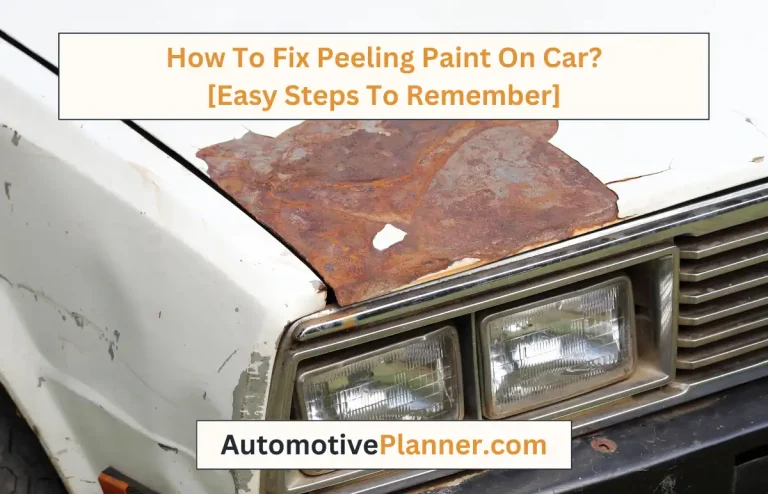
But, it’s important to have realistic expectations. A budget DIY paint job will not look like a new luxury car. However, with careful preparation, you can get a result that looks clean, fresh, and much better than faded or peeling paint.
What You Need To Paint A Car On A Budget
You don’t need a professional paint booth or expensive spray equipment. But, there are certain tools and materials you must have for a durable finish. Here’s what matters most:
Basic Tools And Equipment
- Sanding blocks or sandpaper (400, 800, and 1500 grit)
- Masking tape and plastic sheets
- Respirator mask (not just a dust mask)
- Gloves
- Clean rags or tack cloths
- Buckets and soap for cleaning
If you want to use spray paint cans, you won’t need a spray gun or compressor. But for larger cars, a basic HVLP spray gun and small compressor can give a more even finish.
Paint And Materials
Budget paint jobs often use automotive spray cans or enamel paint from a hardware store. If you use hardware store enamel, you can apply it with a roller or brush, though spray cans or a gun will give better results.
- Primer (automotive or rust-preventing type)
- Automotive paint or enamel
- Clear coat (optional, but improves shine and protection)
- Paint thinner or mineral spirits (for cleaning)
Cost Comparison
Here’s a basic breakdown of costs using different methods:
| Method | Estimated Cost | Finish Quality | Difficulty |
|---|---|---|---|
| Spray cans | $100-$150 | Good | Easy |
| Roller & brush | $60-$120 | Fair | Medium |
| Spray gun & compressor | $200-$300 | Best | Hard |
Non-obvious insight: Many beginners think they need to buy the most expensive paint. In reality, the preparation work is far more important for a good finish than the brand of paint you use.
How To Paint A Car On A Budget: Step-by-step
1. Choose The Right Location
You need a clean, dry, and dust-free area to paint. Many people use their garage, but you must sweep and clean it well. If you must work outside, pick a dry day with little wind to avoid dust and insects sticking to the paint.
2. Clean And Prep The Surface
Wash your car with soap and water. Remove all dirt, grease, and wax—paint will not stick to dirty surfaces. Use a degreaser if possible. Dry the car completely.
3. Sanding
Sanding is the most important part for a smooth finish. Use 400-grit sandpaper to sand every painted surface. The goal is to make the surface dull so the new paint sticks well. Pay extra attention to rust spots—sand them down to bare metal if needed.
For rough spots or scratches, use 800-grit and then finish with 1500-grit for smoothness. Wipe down the car with a tack cloth after sanding to remove dust.
4. Mask Off Areas You Don’t Want Painted
Cover all windows, trim, headlights, and tires with masking tape and plastic sheets. Take your time—paint mist will get everywhere if you rush.
5. Prime The Surface
Apply a thin coat of automotive primer to all sanded and bare metal areas. Primer helps the paint stick and covers small flaws. Let it dry fully (usually a few hours), then lightly sand with 800-grit for smoothness.
Pro tip: Don’t skip primer, even if your car’s old paint looks fine. Primer stops rust and gives your new paint a stronger base.
6. Paint Application
There are three main methods for budget painting:
Using Spray Paint Cans
Hold the can 8–10 inches from the surface and use smooth, even strokes. Overlap each pass by about 50%. Apply 2–3 thin coats, letting each one dry for 10–15 minutes.
Using A Roller And Brush
This is the cheapest method. Pour paint into a tray and use a small foam roller for large panels. Use a brush for edges and corners. Apply thin coats and sand lightly between each coat to remove roller marks.
Using A Spray Gun
If you have a spray gun and compressor, follow the paint manufacturer’s instructions for mixing and spraying. This method gives the best finish but requires practice.
7. Clear Coat (optional But Recommended)
After the color coats are fully dry, apply clear coat for extra shine and protection. This step is not strictly required for all paints, but it helps the paint last longer and look glossier.
Apply 2–3 coats, letting each dry in between. Sand lightly with 1500-grit sandpaper after the final coat for a glassy finish.
8. Remove Masking And Clean Up
Peel off all masking tape and plastic carefully. If you notice small mistakes, you can gently sand and touch up those areas later.
9. Final Polishing
Wait at least 1 week for the paint to fully cure before washing or waxing. After curing, you can polish the car using a soft cloth and automotive polish for extra shine.
Another insight: Many first-timers rush this last step. Letting the paint cure before touching or waxing is essential to avoid fingerprints and smudges.
Common Mistakes To Avoid
- Skipping surface preparation. Not cleaning or sanding enough leads to peeling paint.
- Painting in bad weather. Humidity, dust, and cold temperatures ruin the finish.
- Using thick paint layers. Thick coats drip and take much longer to dry.
- Not wearing protection. Paint fumes are harmful—always use a proper respirator.
- Being impatient. Rushing between coats causes runs and rough spots.
How Long Does It Take?
A basic DIY paint job usually takes 2–3 days from start to finish, including drying time. Most of the time is spent on cleaning, sanding, and waiting for coats to dry. If you want the best finish, plan for a weekend project.
Comparing Budget Paint Methods
Here’s a quick look at how the three main methods stack up:
| Method | Durability | Gloss/Shine | Ease for Beginners |
|---|---|---|---|
| Spray Cans | Good (2–4 years) | Medium | Easy |
| Roller & Brush | Fair (1–2 years) | Low | Medium |
| Spray Gun | Best (5+ years) | High | Hard |
Non-obvious insight: Many people think using a spray gun is always better, but if you don’t practice first, you might end up with more drips and uneven areas than using simple spray cans.
Tips For Saving Even More Money
- Buy paint and supplies in bulk or look for sales at local stores.
- Ask friends or family if they have leftover paint or tools.
- Use old sheets or newspapers for masking instead of buying new plastic sheeting.
- Practice your spraying or rolling technique on cardboard before painting the car.
- Don’t buy expensive “car-specific” products if you can get similar items for less at hardware stores.
When Should You Not Paint Your Own Car?
If your car has large rust holes, major dents, or valuable original paint, a DIY job might lower its value. Also, if you need a perfect, like-new finish, it’s better to save for a professional job.
Caring For Your Fresh Paint Job
After painting, avoid washing the car for at least 1–2 weeks. Keep the car out of direct sun and away from rain if possible during this time. When you do wash it, use gentle soap and a soft sponge. Waxing can be done after one month for best results.
The Real Value Of Diy Car Painting
Painting a car yourself is more than just saving money. It’s about learning, building confidence, and feeling proud of your work. Even if the finish isn’t perfect, you’ll know you did it yourself—without paying a fortune.
If you want to see more examples of DIY car painting and learn about different products, you can check resources like Wikipedia’s car repair guide.
Frequently Asked Questions
How Long Does A Diy Car Paint Job Last?
A budget DIY paint job can last 2 to 5 years if you use quality materials and care for your paint. Keeping your car clean and parked under shade helps it last longer.
Can I Paint My Car With House Paint?
It’s possible to use some types of enamel house paint with a roller or brush, but automotive paint is designed to last longer and handle sun and weather better. House paint usually fades and chips faster.
How Many Spray Cans Do I Need To Paint A Car?
For a small car, you’ll need 8–12 cans for two coats. Larger vehicles might need up to 20 cans. It’s better to have a few extra so you don’t run out halfway.
Do I Need To Sand All The Old Paint Off?
No, you only need to sand enough to remove gloss and make the surface dull. Old paint in good shape can be painted over, but rust or peeling areas should be sanded to bare metal.
Is Clear Coat Necessary?
A clear coat is not always required, but it gives extra shine and protects your color paint from UV and scratches. Most DIYers see better results with clear coat.
Painting your own car on a budget is challenging but rewarding. Take your time, follow the steps, and remember: preparation is what makes the biggest difference. With patience and care, you can transform your car without emptying your wallet.