


How to Move Electric Car Seat Manually: Step-by-Step Guide

Imagine this: You’re ready to hit the road, but your electric car seat refuses to budge. Frustrating, right?
Electric seats are great for comfort, but when they malfunction, they can really put a dent in your plans. But don’t worry, you’re not alone, and there’s a solution. This guide is here to help you regain control and manually adjust your electric car seat without calling in an expert or spending a fortune.
By the end of this article, you’ll have the know-how to tackle this issue swiftly and get back on your journey. Curious about how it’s done? Let’s dive in and discover the simple steps you can take to move your car seat manually.
Tools Required
Moving an electric car seat manually can seem daunting. But with the right tools, it’s manageable and straightforward. Knowing which tools are essential makes the process smoother and safer. These tools help you avoid damaging the seat or car interior.
Basic Screwdriver Set
A screwdriver set is crucial for loosening screws in the seat mechanism. Phillips and flathead screwdrivers are most commonly needed. They help access the seat’s mechanical parts and make adjustments easier.
Socket Wrench
A socket wrench provides the torque needed to remove bolts. It ensures you can adjust the seat without causing damage. A good set with various sizes is recommended. This tool is versatile and often essential in automotive tasks.
Hex Key Or Allen Wrench
Hex keys, also known as Allen wrenches, are often required for electric seat adjustments. They fit snugly into hexagonal bolt heads. This tool is useful for precise adjustments and securing parts.
Lubricant Spray
Lubricant spray helps ease stubborn parts that are hard to move. It reduces friction in the seat’s moving parts. Always keep a can handy to ensure smooth operation. A small amount can make a big difference.
Protective Gloves
Protective gloves keep your hands safe from sharp edges. They provide a good grip on tools and parts. Choose gloves that are comfortable and durable. Safety should never be compromised.
Safety Precautions
Working with electric car seats requires careful attention to safety. Understanding the potential risks ensures you stay safe and avoid damage. Follow these precautions for a smooth experience.
Inspect The Seat Mechanism
Before starting, inspect the seat mechanism for any visible damage. Check for broken parts or loose connections. This helps identify potential issues that could cause harm.
Disconnect The Car Battery
Disconnect the car battery to prevent electric shocks. This is a crucial step for your safety. It also protects the electrical system from damage.
Wear Protective Gear
Wear gloves to protect your hands from sharp edges. Safety goggles can shield your eyes from dust or debris. Proper gear minimizes injury risks.
Ensure The Car Is On A Flat Surface
Park the car on a flat, stable surface. This prevents the car from moving unexpectedly. It also provides a stable environment for working.
Use The Right Tools
Use the correct tools for the job. This ensures the process is efficient and safe. Avoid using makeshift tools that might cause injury.
Work In A Well-lit Area
Ensure your workspace is well-lit. Good lighting helps you see what you’re doing. It reduces the chance of mistakes or accidents.
Locating The Seat Motor
Locating the seat motor in an electric car can be tricky. Understanding its position is crucial for manual adjustments. The seat motor powers the seat movement functions. When it fails, manual adjustment might be necessary. Knowing its location saves time and effort.
Inspect The Seat Base
Start by examining the seat base. Most electric car seat motors are housed underneath. Use a flashlight to get a clearer view. Look for a small, boxy component. This is usually the motor.
Check The User Manual
Refer to your car’s user manual. It can offer detailed diagrams. These diagrams show the motor’s exact location. Keep the manual handy for reference.
Remove Any Covers
Some seats have protective covers. These covers hide the motor. Gently remove them using basic tools. This reveals the seat motor.
Identify The Wiring
Locate any wiring connected to the seat. Wires often lead to the motor. Following them can guide you to the motor. Be cautious to avoid damage.
Consult Online Forums
Join car enthusiast forums. Members often share insights on motor locations. Use their experiences to aid your search. It’s a helpful community resource.
Contact A Professional
If unsure, consult a professional. Mechanics can quickly locate the motor. They have the experience needed. This ensures safety and accuracy.

Credit: www.wikihow.com
Accessing The Seat Mechanism
Accessing the seat mechanism of an electric car might seem challenging. It’s crucial for manual adjustments. Whether due to a power failure or a malfunction, knowing how to manually adjust your car seat can be a lifesaver. Understanding this process gives you control and ensures comfort during drives.
Locating The Seat Bolts
Seat bolts are usually under the seat. Use a flashlight to find them. They connect the seat to the car floor. Removing them is the first step to accessing the seat mechanism.
Using The Right Tools
Having the right tools is essential. A wrench or screwdriver often works well. These tools help in loosening the seat bolts. Ensure you turn them counterclockwise for easy removal.
Sliding The Seat Back
Once bolts are loose, slide the seat back. This gives you more room to work. Be gentle to avoid damaging the seat tracks. This step helps in fully accessing the mechanism.
Inspecting The Seat Tracks
Look at the seat tracks carefully. They guide seat movement. Check for any obstructions or debris. This ensures a smooth manual adjustment process.
Identifying The Manual Lever
Some seats have a manual lever. It’s often located at the side or bottom. This lever helps move the seat without power. Use it if available for easier adjustment.
Checking The Wiring Connections
Locate the wiring under the seat. Ensure they are intact and not tangled. Disconnected wires can cause seat malfunctions. Secure them properly before proceeding.
Disengaging The Motor
Disengaging the motor in an electric car seat is crucial. This step allows for manual adjustment when the seat’s motor fails. It is an essential skill for car owners. You can adjust the seat without power. This process requires care and attention. The following sections detail how to disengage the motor safely.
Locate The Motor
Identify the motor’s position under the seat. Most motors are at the rear. They are attached to the seat’s framework. Ensure you have enough light to see clearly. A flashlight might help.
Disconnect The Power Source
Turn off your car’s battery to ensure safety. This prevents electrical shocks. Carefully disconnect the motor’s power cables. Use a screwdriver if needed. Be cautious not to damage any wires.
Release The Motor Mechanism
Find the release lever or button. It’s usually near the motor. This allows manual seat adjustments. You might need to use a tool to press or pull it. Follow your car’s manual for guidance.
Test The Manual Movement
Try moving the seat manually. Check if it slides easily. Adjust the seat to your preference. If it doesn’t move, check the release mechanism again. Ensure everything is properly disengaged.

Credit: www.wikihow.com
Manually Adjusting The Seat
Electric car seats offer comfort and convenience. Yet, they can sometimes malfunction. Knowing how to adjust them manually is essential. It can save time and avoid frustration. This guide will help you understand the process.
Understanding The Seat Mechanism
First, know the seat’s basic parts. There are usually motors and gears. These control movement. If the electric function fails, manual adjustment becomes necessary. Understanding these components is key.
Tools You Might Need
You may need some basic tools. A wrench or screwdriver might be necessary. These tools help access the seat’s manual controls. Always keep them handy in your car. They are useful for unexpected situations.
Finding The Manual Adjustment Lever
Look beneath the seat. Search for a lever or handle. This is often the manual control. Pull or push it to adjust the seat. It may require some force. Ensure the seat is stable after adjustment.
Steps To Adjust The Seat Manually
Locate the manual lever first. Then, adjust the seat position. Move it forward or backward as needed. Use steady pressure. Check if the seat locks in place. Ensure your comfort and safety.
Tips For Easier Adjustment
Always keep your car manual nearby. It provides specific instructions. Practice the adjustment process regularly. Familiarity helps in emergencies. Remember, safety first. Adjust the seat until it feels right.
Re-engaging The Motor
Re-engaging the motor of your electric car seat can seem daunting. But with patience, it becomes manageable. This task involves a few key steps. Each step ensures the motor functions smoothly again. Let’s explore how to re-engage the motor effectively.
Step 1: Identify The Problem
Begin by identifying why the motor stopped. Check for obstructions or loose wires. If the seat won’t move, there may be an issue. A thorough inspection can reveal the problem.
Step 2: Gather Necessary Tools
Gather basic tools before starting. A screwdriver, flashlight, and pliers may be needed. Having them ready speeds up the process. Ensure all tools are within reach for easy access.
Step 3: Disconnect The Battery
Safety is crucial. Disconnect the car battery first. This step prevents electrical shocks. Always prioritize safety when handling electrical components.
Step 4: Access The Motor
Locate the motor beneath the seat. Remove any covers or panels obstructing access. Use the screwdriver to carefully unscrew them. Once exposed, you can examine the motor closely.
Step 5: Check Motor Connections
Inspect the motor’s connections. Loose wires can cause issues. Ensure all connections are tight and secure. Reconnect any loose wires you find. This simple fix might restore function.
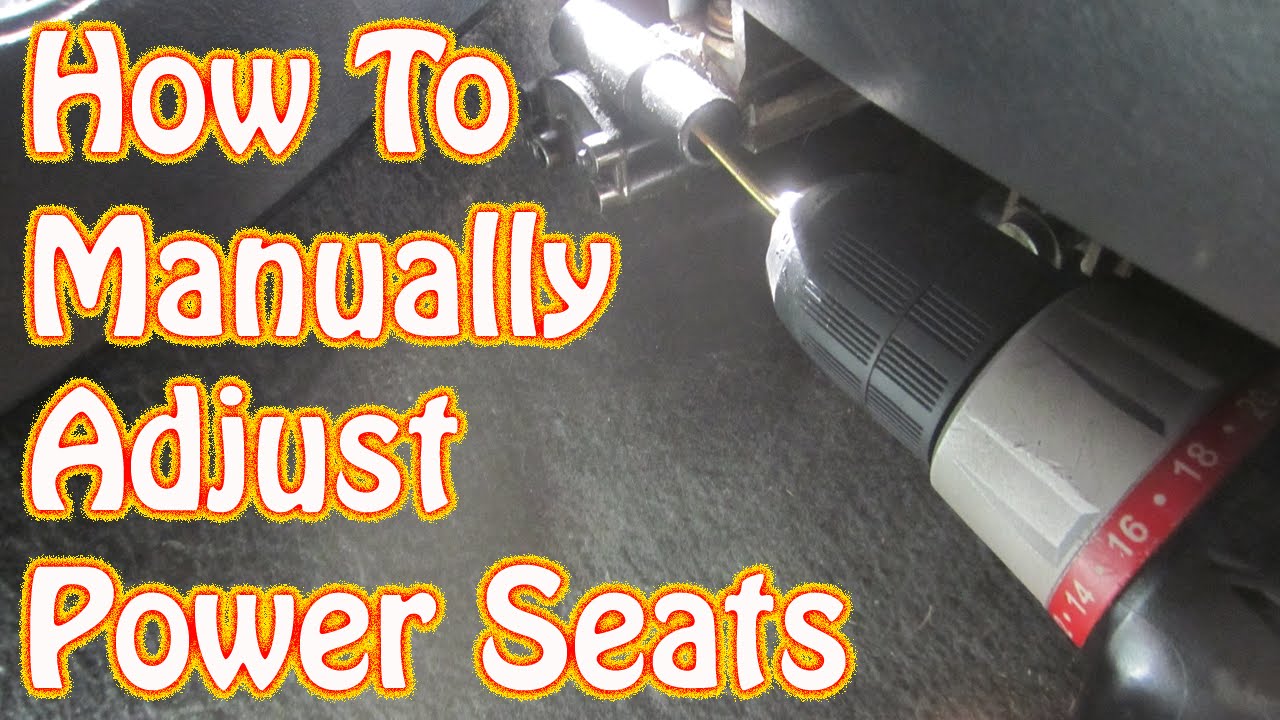
Step 6: Manually Adjust The Motor
Manually adjust the motor if needed. Gently rotate the motor shaft with pliers. This helps reset the motor position. Be cautious to avoid damaging the motor.
Step 7: Reconnect The Battery
Once adjustments are complete, reconnect the battery. Test the seat motor’s functionality. If it moves smoothly, the issue is resolved. If not, further investigation may be required.
Testing The Seat Movement
Testing the manual movement of an electric car seat is crucial. After manual adjustments, ensure the seat moves smoothly and safely. This step confirms the seat’s functionality and your safety during driving.
Check For Obstructions
Inspect the area around the seat for any obstructions. Objects may block the seat’s movement. Remove any items that could hinder the seat’s operation.
Ensure Smooth Track Movement
Slide the seat along its track to check for smooth movement. Listen for unusual sounds like grinding or clicking. These sounds indicate issues that need further attention.
Confirm Position Adjustments
Adjust the seat to different positions to test flexibility. Ensure it locks securely in each position. Loose or unstable seats can affect driving comfort and safety.
Test Electrical Controls
Check if electrical controls function after manual adjustments. These controls should operate without resistance. If they don’t, consult a professional for further inspection.
Troubleshooting Common Issues
Electric car seats offer comfort and convenience. Yet, they can sometimes face issues. Manual adjustment becomes necessary. This guide helps in troubleshooting common problems. Simple solutions can restore seat function. Save time and effort with these tips.
Loose Connections
Check the power connections first. Loose wires can cause seat malfunctions. Ensure all plugs are secure. Examine the fuses too. Replace any that are blown. A secure connection often solves the problem.
Motor Malfunction
Listen for unusual sounds from the seat motor. Grinding or clicking can indicate issues. If the motor seems silent, it might need a reset. Disconnect the battery for a few minutes. Reconnect and test the seat again.
Obstructions Under The Seat
Objects under the seat can block movement. Check for any items like coins or debris. Clear these away to allow free movement. Sometimes, simple cleaning can resolve issues.
Worn Out Gears
Gears may wear out over time. Listen for grinding when adjusting the seat. This could indicate worn gears. If this happens, consult a professional. Gears may need replacement for proper function.
Check The Seat Switch
The seat switch controls movement. Test the switch for responsiveness. If it feels loose or unresponsive, it may need replacement. Sometimes, cleaning the switch area improves function.
Maintenance Tips
Maintaining your electric car seat ensures smooth operation and longevity. Regular care prevents malfunctions and keeps the seat comfortable. Proper maintenance also helps avoid the need for manual adjustments. Below are some essential tips to maintain your electric car seat effectively.
Inspect And Clean Regularly
Dust and debris can accumulate in the seat mechanisms. Use a soft brush to remove dirt from crevices. For leather seats, apply a conditioner to prevent cracking.
Check Electrical Connections
Loose wires can disrupt seat functions. Inspect connections under the seat. Ensure plugs are secure and wires are intact.
Lubricate Moving Parts
Friction can cause wear and tear. Apply lubricant to rails and joints. This reduces resistance and ensures smooth seat movement.
Avoid Excessive Weight
Heavy loads can strain the seat motor. Remove bulky items from the seat. This prevents unnecessary stress on the mechanisms.
Test Functions Periodically
Run all seat functions to ensure they work. Identify issues early and address them promptly. Regular testing keeps the seat in top condition.
Credit: m.youtube.com
Frequently Asked Questions
How Can I Manually Adjust An Electric Car Seat?
To manually adjust an electric car seat, locate the seat’s manual override lever or switch. This is often found beneath or beside the seat. Gently pull or push the lever to move the seat into the desired position. Always refer to your car’s manual for specific instructions and safety guidelines.
Why Would An Electric Car Seat Stop Working?
An electric car seat may stop working due to a blown fuse or a malfunctioning motor. Wiring issues or a faulty switch can also be the cause. Regular maintenance and checks can help prevent these issues. Consult a professional if you’re unable to diagnose the problem yourself.
Can I Replace An Electric Seat Motor Myself?
Replacing an electric seat motor yourself is possible, but it requires technical knowledge. You need the right tools and replacement parts. It’s essential to follow your car’s manual closely. If unsure, hiring a professional is safer and ensures the job is done correctly without damage.
What Tools Do I Need To Move The Seat Manually?
To move an electric seat manually, you might need a screwdriver and a wrench. These tools can help access and manipulate the manual override mechanism. Always use the correct size and type of tools to avoid damage. Refer to your car’s manual for specific tool recommendations.
Conclusion
Manually moving an electric car seat is not too hard. Follow the steps carefully to avoid damage. Always use the right tools for the job. This ensures a smooth process. Remember to consult your car’s manual for specific details. This information is key for handling electrical components.
Practicing patience and care will help a lot. Safety should always come first. Moving the seat manually can save time and money. So, with these tips, handle your car seat issues confidently. Stay informed and drive safely!


