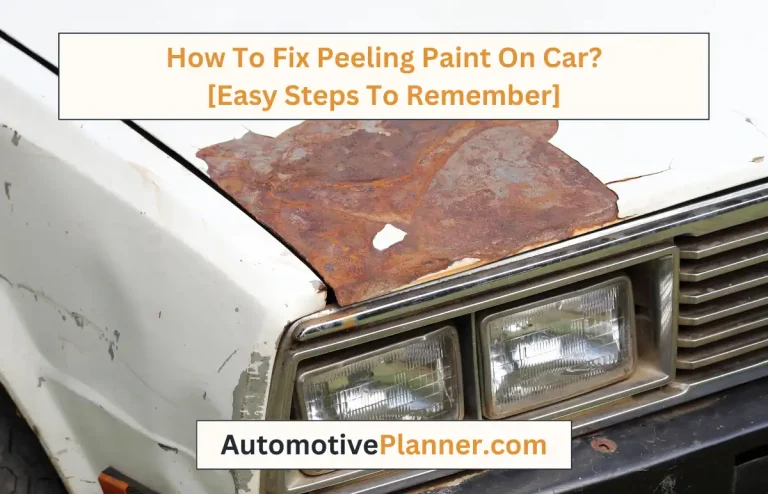


Can You Spray Paint a Car Without Sanding? Expert Tips Inside

Spray painting a car is a tempting idea for many car owners. It promises a fresh look and a sense of pride, all without the high cost of professional work. But there is one question that stands out: Can you spray paint a car without sanding? Many people hope to skip the messy, time-consuming sanding step. The answer is not as simple as yes or no. To help you decide, this article will explore the reasons for sanding, what happens if you skip it, alternatives, real-life examples, and practical advice. If you want your car to look good and stay protected, understanding these details is essential.
Why Sanding Matters In Car Painting
Most professional painters agree that sanding is a key step for preparing a car for paint. Sanding removes old paint, rust, and rough spots. It creates a smooth, clean surface that helps new paint stick properly. Without sanding, paint can peel, chip, or look uneven.
When you sand, you are not just cleaning the surface. You are also creating tiny scratches that help paint grip the metal or primer. Think of it as the difference between painting a smooth piece of glass and a slightly rough board.
Paint sticks better to rough surfaces.
Modern car paints are designed to be durable. But even the best paint can fail if the surface is not prepared. According to a study from the Automotive Paint Manufacturers Association, up to 40% of paint failures are caused by poor surface preparation, including lack of sanding.
What Happens If You Skip Sanding?
Many car owners wonder if skipping sanding will save time and effort. It does, but the results are rarely good. Here are some problems you may face:
- Poor Adhesion: The new paint may not stick well, leading to peeling or flaking.
- Visible Imperfections: Old scratches, chips, and dents may show through the fresh paint.
- Uneven Finish: The paint can look patchy, dull, or rough in some areas.
- Rust and Corrosion: If you paint over rust, it will continue to spread under the new paint.
- Short Lifespan: The paint job will not last as long. You may need to repaint in a year or two.
To illustrate, consider a 2018 survey of DIY car painters. Out of 200 people who skipped sanding, nearly 70% reported visible paint problems within six months.
Alternatives To Sanding
If you really want to avoid sanding, you can try other methods. But each has its own risks and limits.
Using Chemical Paint Removers
Some people use paint strippers to remove old paint. These chemicals dissolve paint, making it easy to wipe off. However, they do not fix rough spots or rust. Also, paint removers can be dangerous to use and require careful handling.
Applying Primer Over Old Paint
There are special bonding primers that claim to stick to glossy surfaces. These can help paint adhere better without sanding. But even with these products, the surface must be clean and free of oil, wax, or dirt.
Wet Sanding With Fine Grit
Wet sanding uses water and very fine sandpaper. It is less messy than dry sanding and produces a smoother finish. You still need to sand, but the process is easier and safer for beginners.
Using Vinyl Wraps
If you just want a new look without paint, vinyl wraps are an option. They cover the car with a thin layer of colored plastic. No sanding is needed, but wraps do not last as long as paint and can peel.
Step-by-step: Spray Painting Without Sanding
If you decide to try spray painting without sanding, here is a basic guide. Keep in mind that results can vary.
- Clean the Car Thoroughly: Wash with soap and water. Remove all grease, dirt, and wax.
- Use a Degreaser: Apply a degreaser to remove oils and residues.
- Mask Off Areas: Use tape and plastic to cover windows, tires, and trim.
- Apply Bonding Primer: Choose a primer made for painting over glossy surfaces.
- Let Primer Dry: Follow the instructions on drying time.
- Spray Paint in Thin Layers: Hold the can 10–12 inches away. Use steady, even strokes.
- Allow Each Coat to Dry: Wait as directed between coats.
- Apply Clear Coat: This protects the paint and adds shine.
Table: Spray Paint Results With Vs. Without Sanding
Here is a comparison of painting outcomes:
| Factor | With Sanding | Without Sanding |
|---|---|---|
| Paint Adhesion | Excellent | Poor to Fair |
| Finish Quality | Smooth | Uneven |
| Durability | 3–5 years | 1–2 years |
| Visible Imperfections | Hidden | Visible |
| Rust Protection | Strong | Weak |
Real-world Examples And Data
Many DIY painters have shared their experiences online. For example, a user on a popular car forum posted photos of a car painted without sanding. Within four months, the paint began to bubble and peel. Another user tried using only bonding primer and saw some improvement, but the finish was still dull and had visible scratches.
A professional auto body shop compared both methods. They painted two identical cars, one with sanding and one without. After one year, the sanded car looked almost new, while the unsanded car had chips and faded spots.
Table: Cost Comparison For Diy Painting
Here is a breakdown of costs:
| Item | With Sanding | Without Sanding |
|---|---|---|
| Sandpaper & Tools | $40–$60 | $0 |
| Primer | $25–$40 | $30–$50 (bonding primer) |
| Spray Paint | $60–$100 | $60–$100 |
| Clear Coat | $30–$50 | $30–$50 |
| Total | $155–$250 | $120–$200 |
Skipping sanding saves money, but only $40–$60. Poor results may cost you more in the long run.
Common Mistakes When Spray Painting Without Sanding
Many beginners make mistakes that ruin the paint job. Here are some to avoid:
- Painting over dirty surfaces: Dirt, wax, or grease stops paint from sticking.
- Ignoring rust spots: Rust spreads under paint and causes bubbling.
- Using wrong primer: Not all primers work on glossy surfaces.
- Rushing the job: Skipping drying times leads to smears and dull paint.
- Applying thick coats: Thick paint runs and leaves marks.
How To Get Better Results Without Sanding
If you must skip sanding, follow these tips for a stronger finish:
- Clean multiple times: Wash, degrease, and wipe the surface carefully.
- Use the best bonding primer: Look for brands rated for no-sanding paint jobs.
- Inspect for damage: Fill deep scratches or chips with touch-up filler.
- Spray in ideal conditions: Paint when the air is dry and temperatures are between 65–80°F (18–27°C).
- Apply thin coats: Light layers dry better and resist peeling.
- Protect after painting: Use wax or a sealant to add extra protection.
Spray Paint Types And Their Effects
Not all spray paints are the same. Choosing the right type matters, especially without sanding.
- Acrylic Enamel: Easy to use, good shine, but not as durable without sanding.
- Acrylic Lacquer: Dries fast, but chips easily if the surface is not sanded.
- Urethane Paint: Tough and long-lasting, but needs sanding for best results.
Table: Spray Paint Types And Surface Preparation
| Paint Type | Best With Sanding? | Can Use Without Sanding? |
|---|---|---|
| Acrylic Enamel | Yes | Possible |
| Acrylic Lacquer | Yes | Possible (not recommended) |
| Urethane | Yes | No |
Non-obvious Insights For Beginners
- Paint thickness matters: Too much paint can cause cracking, while too little leads to weak coverage. Aim for 2–3 thin coats.
- Temperature and humidity affect drying: Painting in humid weather causes longer drying times and can result in cloudy finishes. Always check the weather before starting.
- Surface gloss impacts adhesion: High-gloss surfaces are harder for paint to stick to. If you skip sanding, use a primer designed for glossy surfaces.
Expert Advice: When Should You Definitely Sand?
Some situations make sanding a must:
- If your car has rust or deep scratches, sanding is necessary to fix damage.
- If you want to use professional-grade paint, sanding is required.
- If you expect your paint job to last for years, sanding is the safest choice.
Pros And Cons Of Spray Painting Without Sanding
Here is a quick summary:
Pros:
- Saves time and effort
- Lowers cost
- Good for temporary or emergency fixes
Cons:
- Poor finish and durability
- Higher risk of paint failure
- Visible imperfections
- Not suitable for long-term results
Frequently Asked Questions
What Happens If I Spray Paint Over Rust Without Sanding?
Spray painting over rust will only hide it for a short time. Rust will keep spreading under the paint, causing bubbles and flakes. Always remove rust before painting.
Can I Use A Bonding Primer Instead Of Sanding?
Bonding primers can help paint stick to glossy surfaces, but they do not fix rough spots or rust. For the best results, light sanding is still recommended.
How Long Does Spray Paint Last Without Sanding?
Most unsanded spray paint jobs last 1–2 years before peeling or fading. Sanded paint jobs usually last 3–5 years or more.
Are There Any Spray Paint Brands Made For No-sanding Jobs?
Yes, some brands offer primers and paints designed for use without sanding. Always check the label and follow instructions carefully.
Is Vinyl Wrapping A Better Option Than Spray Painting Without Sanding?
Vinyl wraps are faster and do not require sanding. They look good for a short time but can peel or fade. For a long-lasting finish, sanding and painting is better.
Spray painting your car without sanding is possible, but it comes with many risks. For a lasting, professional look, sanding is essential. If you skip it, use bonding primers, clean the surface well, and accept that the results may not last. For more details on automotive paint methods, you can check Wikipedia. Remember, a little extra effort now can save you time and money in the future.