


Are Car Seat Protectors Safe: Essential Insights

Are you worried about your car’s upholstery every time you install a car seat? You’re not alone.
Many parents and caregivers face this dilemma, leading them to consider using car seat protectors. But here’s the big question: Are car seat protectors safe for your little ones? Your child’s safety is your top priority, and you deserve clear, straightforward answers.
With so much conflicting advice out there, it’s easy to feel overwhelmed and uncertain. Imagine the peace of mind you’d feel knowing you’ve made the right choice. We’ll dive into the facts, dispel myths, and uncover the truth about car seat protectors. Get ready to empower yourself with knowledge and ensure your child’s safety with every ride. Keep reading to discover the insights you need to make informed decisions.
Car Seat Protectors: Purpose And Benefits
Car seat protectors serve a valuable role in vehicle maintenance. They provide a practical solution for those wanting to keep their car interiors clean. People often question their safety. Understanding their purpose and benefits can help ease these concerns.
Car Seat Protectors: Purpose
Car seat protectors safeguard the car’s upholstery. They act as a barrier against dirt and spills. Many people with children find them essential. Kids often drop food and drinks, creating a mess. Protectors prevent these from damaging the seats.
These protectors also reduce wear and tear. Seats can degrade quickly with constant use. Protectors help maintain the car’s resale value. They ensure the seats remain in good condition over time. This benefit appeals to car owners wanting longevity.
Benefits Of Using Car Seat Protectors
One major benefit is ease of cleaning. Protectors are often made from materials that wipe clean easily. This saves time and effort. No need for deep cleaning sessions regularly. A quick wipe usually suffices.
Another benefit is aesthetic appeal. Many protectors come in various colors and designs. They offer an opportunity to personalize the car’s interior. This allows owners to match protectors with the car’s theme.
Protectors can offer added comfort. Some models have extra padding. This makes long drives more pleasant for passengers. Comfort is a priority for frequent travelers.
Lastly, they offer protection against UV rays. Prolonged sun exposure can fade seat colors. Protectors help in preserving the car’s interior look. This is a bonus for those living in sunny climates.

Credit: milksnob.com
Material Considerations
Choosing the right material for car seat protectors is essential for safety. The material impacts durability, comfort, and protection. It also affects ease of installation and maintenance. Understanding these factors can help in making informed decisions.
Durability And Protection
Durable materials offer long-lasting protection for car seats. They resist wear and tear from daily use. Common durable materials include leather, neoprene, and polyester. Leather provides a luxurious feel and is easy to clean. Neoprene is water-resistant and protects against spills. Polyester is affordable and offers reliable protection. Each material has its unique benefits and drawbacks.
Non-slip Features
Non-slip materials prevent the protector from moving. This feature is crucial for safety. Movement can lead to discomfort and distractions while driving. Rubberized backing often provides effective non-slip properties. It keeps the protector securely in place. Some materials also feature grip patterns to enhance stability. Non-slip features ensure a safe and comfortable ride.
Impact On Car Seat Safety
Car seat protectors are popular among parents. They keep car seats clean. But, their impact on car seat safety raises questions. Ensuring your child’s safety is crucial. Let’s explore how these protectors affect safety.
Compatibility With Car Seats
Car seat protectors should fit your car seat well. A poor fit can cause issues. Check the protector’s size before buying. Many protectors are universal. But, some might not fit all car seats. A snug fit is important. It prevents slipping and sliding. Always read the manufacturer’s instructions. Ensure the protector is suitable for your car seat model.
Effects On Child Safety
Child safety is a top concern. Protectors can add a layer between the seat and car seat. This layer might affect the car seat’s grip. A loose fit can cause the car seat to shift. It might impact the seat’s performance in a crash. Choose a protector with a non-slip backing. This helps maintain the car seat’s position. Check the protector regularly. Ensure it does not interfere with the car seat’s function.
Installation Best Practices
Car seat protectors can be a great investment for keeping seats clean. Proper installation is crucial to ensure safety and functionality. Follow best practices to avoid issues and maintain seat integrity.
Proper Positioning Techniques
Position the protector flat on the seat surface. Ensure that no folds or wrinkles are present. This prevents shifting during travel. Check that the protector does not cover seatbelt buckles. Buckles must be easily accessible. Align the protector’s edges with the seat’s contours. This provides a snug fit and optimal coverage.
Avoiding Common Mistakes
Avoid placing the protector under child car seats. This may affect the seat’s stability. Do not use incompatible protectors with specific seat materials. Some protectors can damage leather or fabric. Verify compatibility with the car manufacturer’s recommendations. Avoid over-tightening straps or fasteners. This can cause damage to the seat or protector.
Regulations And Guidelines
Understanding the regulations and guidelines for car seat protectors is crucial. They ensure the safety of your child while in the car. These guidelines help you choose products that meet safety standards. Let’s explore the key aspects.
Manufacturer Recommendations
Manufacturers provide specific guidelines for car seat protectors. These recommendations ensure the protector fits properly. Always check the car seat manual before using a protector. Incorrect use can compromise safety. Follow the manufacturer’s instructions for installation. This guarantees the best protection for your child.
Safety Standards Compliance
Car seat protectors must meet strict safety standards. These standards are set by safety organizations. They ensure the protector does not interfere with the car seat’s performance. Check for compliance with these standards before purchasing. Look for certifications or labels on the product. This helps ensure the protector is safe for use.
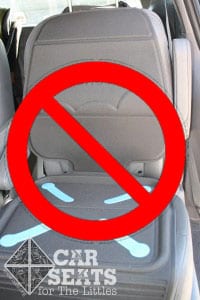
Credit: csftl.org
Common Misconceptions
Car seat protectors often stir debates about their safety and effectiveness. Many parents wonder if these accessories are truly safe. Misunderstandings abound, leading to confusion and concern. Let’s explore some common misconceptions to clear the air.
Myths About Damage Prevention
Many assume car seat protectors prevent all types of damage. This belief is misleading. While protectors shield against spills, they don’t prevent wear completely. Fabric can still wear thin over time. Dirt can accumulate beneath protectors, affecting upholstery. Understanding their limitations is crucial.
Misunderstandings On Safety Impact
Some think protectors compromise car seat safety. This is a common fear. People worry they affect seat installation. Proper installation remains key for safety. A protector should not interfere with this. Ensure the protector is thin and fits well. This reduces any potential impact on the seat’s function.
Expert Opinions
Car seat protectors are popular among parents for preserving car interiors. Concerns about safety arise, prompting expert opinions. Understanding insights from specialists and automotive experts helps clarify these concerns.
Insights From Child Safety Specialists
Child safety specialists emphasize the importance of proper car seat installation. Seat protectors can interfere with secure fitting, leading to safety risks. Specialists suggest checking compatibility with your car seat. Look for protectors recommended by car seat manufacturers. This ensures safety and maintains the integrity of the car seat’s installation.
Experts warn against using bulky protectors. They may cause instability during travel. Opt for thin, non-slip protectors to avoid this issue. Prioritize ease of cleaning and durability without sacrificing safety.
Advice From Automotive Experts
Automotive experts highlight the potential damage to car seats. Some protectors can scratch or wear down the fabric over time. Choosing protectors made from gentle materials is crucial. Experts advise checking the material’s impact on car seat longevity. This preserves both the vehicle’s interior and safety features.
Experts recommend regular checks for wear and tear. Ensure the protector does not compromise the car seat’s functionality. This balance ensures both comfort and safety for your child.

Credit: with-care.ca
Alternatives To Seat Protectors
Car seat protectors may not always be safe for your vehicle. Consider using seat covers, towels, or blankets as safer alternatives. These options can protect seats without interfering with airbags or seatbelt functions.
Alternatives to car seat protectors offer practical solutions for maintaining your car’s interior. These options ensure your seats stay clean and in good condition without potential safety concerns. Explore these alternatives to find the best fit for your needs.Protective Mats
Protective mats are a great choice for safeguarding your car seats. They fit snugly on the seat, providing a barrier against spills and dirt. Easy to remove and clean, these mats help maintain a tidy interior. Choose from various materials like rubber or fabric to match your car’s style. This option is user-friendly and keeps your car seats looking fresh.Direct Car Seat Cleaning
Direct car seat cleaning is a hands-on approach to seat maintenance. Regular cleaning prevents stains and odor build-up. Use mild soap and water for fabric seats or a leather cleaner for leather. Wipe down the seats gently to avoid damage. This method ensures your seats remain in top condition, extending their lifespan. Regular cleaning can transform the look and feel of your car’s interior.Frequently Asked Questions
Are Car Seat Protectors Necessary For Safety?
Car seat protectors can help prevent damage to your vehicle’s seats. However, it’s essential to ensure they don’t interfere with the car seat’s installation. Always choose protectors tested for safety and compatibility with your car seat model.
Do Car Seat Protectors Affect Car Seat Installation?
Poorly designed protectors can affect car seat installation. It’s crucial to select protectors that fit well and do not compromise safety. Check manufacturer guidelines and ensure the car seat fits snugly over the protector.
Can Car Seat Protectors Damage Vehicle Seats?
Car seat protectors can sometimes damage leather or fabric seats if not chosen carefully. Choose protectors with soft, non-abrasive materials. Regularly check underneath for any signs of wear or damage to maintain your vehicle’s interior.
Are There Specific Protectors For Infant Car Seats?
Yes, some protectors are specifically designed for infant car seats. These often feature additional padding and are smaller in size. Always ensure they are compatible with your specific car seat model to maintain safety standards.
Conclusion
Car seat protectors can enhance the lifespan of your car seats. They shield against spills and dirt. But safety is important. Always ensure they fit well. Ill-fitting protectors can pose risks. Check for any interference with seat belts. Regularly inspect for wear and tear.
Prioritize products tested for safety. Consider materials that don’t slide. Research and read reviews before buying. Safety should always come first. Choose wisely for peace of mind. Your child’s safety depends on it.


