


What Happens If Baby Failed Car Seat Test: Essential Safety Steps

You want to keep your baby safe, especially when on the road. But what if your baby’s car seat fails the safety test?
It’s a scary thought, and you might be wondering what happens next. Understanding the risks and the steps you need to take can make all the difference. You’ll discover exactly what it means if your baby’s car seat doesn’t pass, why it matters, and how to protect your little one every time you drive.
Keep reading—your baby’s safety depends on it.
Car Seat Test Basics
Understanding the basics of the car seat test helps parents keep babies safe. This test checks if a car seat can protect a child during a crash. Safety experts perform these tests to make sure car seats meet strict rules. These rules help reduce injury risks for babies in cars.
Knowing what the test measures and why a seat may fail helps caregivers choose the right seat. It also guides them on what to do if their baby’s car seat fails the test.
Purpose Of The Test
The car seat test checks how well a seat protects a baby in a crash. It measures forces on the baby’s body and how the seat holds them. The test ensures the seat’s straps, shell, and padding work together to reduce harm. It also checks if the seat fits well in cars.
These tests help create safer car seats for all families. They set a safety standard for manufacturers to follow. Passing the test means the seat meets these important safety goals.
Common Failure Reasons
Car seats can fail the test for several reasons. Poor strap design may not hold the baby firmly during a crash. The seat’s shell might crack or break under impact. Padding that is too thin or soft can fail to protect the baby’s head and body.
Incorrect installation or bad fit in the car also causes failure. Some seats allow too much movement, increasing injury risk. Failure shows the seat does not protect babies well enough in real crashes.
Immediate Actions After Failure
Failing a baby car seat test can be worrying for any parent. Immediate steps are vital to ensure your baby’s safety. Acting quickly helps fix problems and prevents future risks. Start by carefully checking the installation. Then, look over the car seat itself for any damage.
Check Installation
First, make sure the car seat is installed correctly. Check if the seat belt or latch system is tight and secure. The car seat should not move more than an inch side-to-side or front-to-back. Verify the angle of the seat. It should match the car seat manual for your baby’s age and weight. Adjust straps and buckles to fit your baby snugly. Incorrect installation is a common cause of failure. Take your time to fix these issues carefully.
Inspect Car Seat Condition
Next, examine the car seat for any signs of damage. Look for cracks or broken parts in the plastic shell. Check the harness for frays or tears. The buckle should click and release smoothly. Padding should be intact and clean. Expired car seats may lose safety features, so check the expiration date. Damaged or expired seats need replacement immediately. Using a safe and sound car seat protects your baby in every ride.
Choosing The Right Car Seat
Choosing the right car seat is very important for your baby’s safety. A proper car seat keeps your child secure during every trip. It also helps prevent injuries in case of an accident. Parents must select a car seat that fits their baby’s size and age. This choice can change as your baby grows. Understanding the basics makes the process easier and safer.
Age And Weight Guidelines
Car seats come with specific age and weight limits. These rules help you pick the right seat for your child. Infants need rear-facing seats until they reach a certain weight. Toddlers can switch to forward-facing seats after outgrowing rear-facing limits. Booster seats are for older children who are too big for forward-facing seats. Always check the car seat label for exact age and weight limits. Using the right seat reduces the risk of injury.
Types Of Car Seats
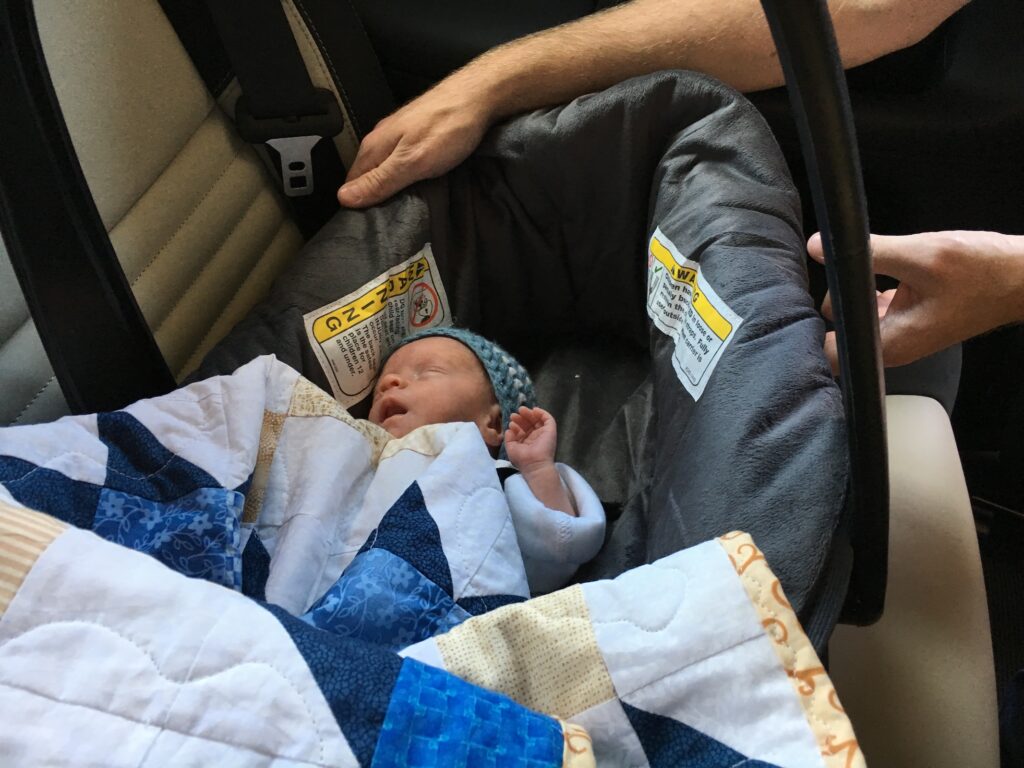
There are three main types of car seats. Infant car seats are small and rear-facing. They fit newborns and babies up to about one year. Convertible car seats can be used rear-facing or forward-facing. They grow with your child and last longer. Booster seats help children sit higher and use the car’s seat belt correctly. Each type serves a specific purpose at different stages of growth. Choosing the right type ensures comfort and safety.
Credit: malibukarina.com
Proper Car Seat Installation
Proper car seat installation is critical for your baby’s safety. A poorly installed car seat can cause serious injuries during a crash. Understanding how to install the seat correctly helps protect your child. Always follow the car seat manual and vehicle instructions carefully. Check the fit often to ensure it stays secure.
Using Seat Belts Vs. Latch
Two main ways secure a car seat: seat belts or LATCH system. Seat belts use the vehicle’s belts to hold the seat in place. LATCH uses special anchors and connectors built into the car. Both methods work well if used correctly. Do not use both at the same time unless the car seat allows it. Check which method fits your car and seat best.
Securing The Harness
The harness keeps your baby snug and safe inside the seat. Adjust the straps so they lie flat and snug on your child’s body. The harness clip should be at armpit level to keep straps in place. Avoid twisted or loose straps; they reduce protection. Tighten the harness until you cannot pinch any extra webbing. Proper harnessing keeps your baby safe on every ride.
Seeking Professional Help
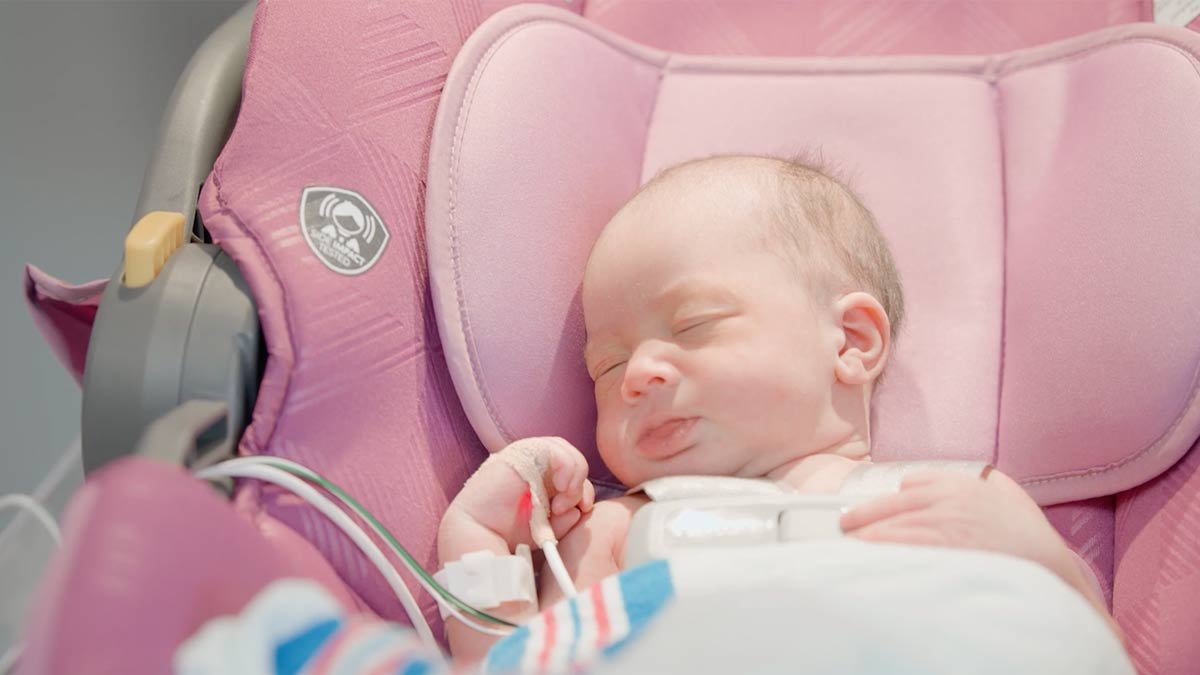
Failing a car seat test can feel overwhelming. It raises concerns about your baby’s safety during travel. Seeking professional help is the best step. Experts can guide you on what to do next. They ensure your car seat fits and works correctly. This support gives peace of mind for every trip.
Certified Car Seat Technicians
Certified car seat technicians have special training. They know how to install seats properly. They check for correct seat angle and secure straps. These experts identify common mistakes parents make. They explain how to fix problems clearly. Their advice helps keep your baby safe on the road.
Local Inspection Stations
Local inspection stations offer free or low-cost checks. They provide a safe place to test car seats. Staff at these stations inspect installation and seat condition. They offer hands-on help and answer questions. Visiting an inspection station boosts your confidence in using the seat. It confirms your baby’s safety during every ride.
Credit: health.osu.edu
Safety Tips For Parents
Keeping your baby safe in the car is a top priority for every parent. A failed car seat test can be alarming but understanding how to improve safety helps protect your child. Simple steps and regular checks make a big difference. Here are key safety tips to follow.
Regular Car Seat Checks
Check the car seat often to ensure it fits your baby correctly. Straps should be snug and lie flat. The seat should not move more than an inch side-to-side or front-to-back. Look for any signs of wear or damage. Replace the car seat if it is expired or has been in a crash.
Make sure the seat is installed at the right angle. This helps keep your baby’s head from falling forward. Many seats have built-in angle indicators to guide you. If unsure, ask a certified technician for help.
Avoiding Common Mistakes
Do not use bulky clothes or blankets under the harness. These can loosen the straps and reduce safety. Always place the harness straps over the shoulders and buckle them securely. The chest clip should be at armpit level to keep straps in place.
Do not place the car seat in the front seat with an active airbag. The safest spot is always the back seat, in the middle if possible. Avoid using secondhand car seats without knowing their full history. They may have hidden damage or missing parts.
When To Replace A Car Seat
Knowing when to replace a car seat is key to your baby’s safety. Car seats wear out over time and lose their ability to protect. A failed car seat test means the seat may not keep your child safe during a crash. Understanding the signs for replacement helps you act quickly and wisely.
Expiration Dates
Car seats have expiration dates set by manufacturers. These dates are usually six to ten years from the date of manufacture. Plastic parts can weaken and break after years of use. Labels on the seat show the exact expiration date. Using a seat past this date is risky and not recommended.
After Accidents
A car seat involved in any crash should be replaced. Even small accidents can damage the seat’s structure. Damage is sometimes invisible but affects safety. Do not use a car seat after a crash, no matter how minor it seems. Check the manual for specific instructions on replacement after accidents.

Credit: www.reddit.com
Frequently Asked Questions
What Does It Mean If A Baby Fails Car Seat Test?
Failing a car seat test means the seat doesn’t protect the baby properly. It may cause serious injury in crashes. The seat might be installed incorrectly, or the baby might not fit well. Immediate action is needed to ensure safety.
Can A Baby Fail A Car Seat Test Due To Size?
Yes, if a baby is too big or small, the car seat may fail. Proper fit is crucial for safety. Using a seat designed for the baby’s size is essential. Incorrect fit can reduce protection during accidents.
What Should Parents Do If Baby Fails Car Seat Test?
Parents should stop using the failed seat immediately. They must get a properly fitting, approved car seat. Consulting a certified technician for installation help is advisable. Safety is the top priority to prevent injuries.
Are Failed Car Seat Tests Common For Newborns?
Yes, many newborns fail initial car seat tests due to size and positioning. Newborns need special inserts and properly adjusted harnesses. Frequent checks and adjustments ensure the baby’s safety during travel.
Conclusion
Failing a baby car seat test means safety needs attention. Check the seat’s fit and installation carefully. Replace or adjust the seat if it does not meet safety rules. Always follow the car seat manual and local laws. Protecting your baby on every trip is the top goal.
Regularly inspect the seat for wear or damage. Keep learning about child safety in cars. Safe travel means peace of mind for parents. Small changes make a big difference in safety. Stay alert and keep your baby secure.


