


How to Install Safety First Car Seat Rear Facing: Expert Tips

You want the best for your child, especially when it comes to their safety in the car. Installing a car seat can feel overwhelming, but it doesn’t have to be.
Imagine cruising down the road with peace of mind, knowing your little one is securely fastened in their Safety First car seat, rear-facing. This guide will walk you through the process step-by-step, ensuring your child is as safe as possible.
You’ll discover simple tips and tricks that make installation a breeze. Ready to turn confusion into confidence? Let’s dive in and get your car seat set up perfectly!
Credit: csftl.org
Choosing The Right Car Seat
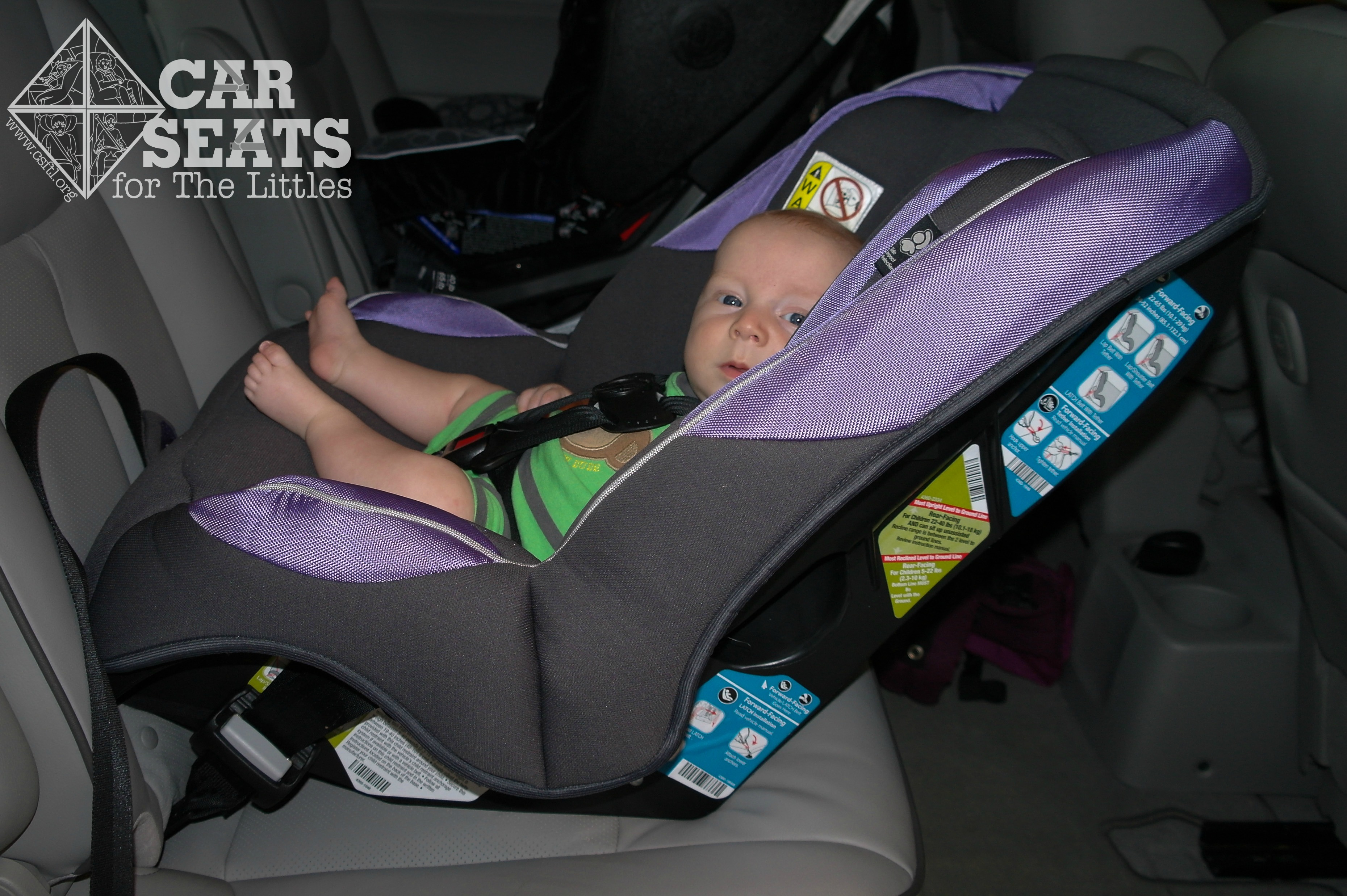
Installing a Safety First car seat rear-facing involves securing it tightly with the vehicle’s seat belt. Check the angle indicator to ensure proper positioning. Confirm the harness is snug over your child’s shoulders for maximum safety.
Choosing the right car seat for your child is crucial. It ensures their safety on the road. There are many options available. So, it’s vital to select one that meets your child’s needs. Consider age, weight, and safety features. This guide will help you make an informed choice.Age And Weight Requirements
Car seats come with specific age and weight limits. Check these before purchasing. Babies and toddlers need rear-facing seats. They provide better protection for young children. Ensure the seat fits your child’s current size. This maximizes their safety.Safety Ratings And Features
Safety ratings show how well a car seat performs in tests. Look for high-rated models. They offer better protection in accidents. Examine safety features like side-impact protection. These features add an extra layer of security. Choose a seat with easy-to-use harness systems. This ensures your child is securely strapped in. Always prioritize safety over style or price.
Credit: www.youtube.com
Preparing Your Vehicle
Preparing your vehicle for a rear-facing car seat ensures safety. This step is crucial. A well-prepared car ensures a snug fit. It also promotes comfort for your little one. Let’s explore the essential steps.
Selecting The Ideal Location
The rear seat is the safest place. Choose the middle seat if possible. It offers the most protection. Avoid positions near airbags. These can be harmful in accidents. Make sure the seat is level. This helps with stability.
Adjusting Seat Angle
Check the car seat manual. It often includes angle guidelines. Most rear-facing seats need a recline. A correct angle prevents head slump. Use built-in angle indicators. They help achieve proper positioning. Adjust until the angle is just right. Safety checks ensure peace of mind.
Installing The Base
Installing the base of a Safety First car seat rear facing is crucial for your child’s safety. A solid installation is essential to ensure maximum protection. This section guides you through two methods to secure the base effectively.
Using The Latch System
The LATCH system simplifies car seat installation. Check your vehicle’s manual for LATCH locations. Attach the connectors from the car seat base to the anchors in your car. Tighten the straps firmly to eliminate slack. Ensure the base doesn’t move more than an inch side to side.
Securing With Seat Belt
Not all cars have the LATCH system. Use the seat belt method in such cases. Position the base in the rear seat. Thread the seat belt through the designated path on the base. Lock the seat belt by pulling it completely out, then letting it retract. Test the base’s stability by pushing it gently; it should stay secure.
Attaching The Car Seat
Securing your Safety First car seat rear facing is essential. It ensures your child’s safety while traveling. Follow these steps to attach the car seat properly. You’ll find peace of mind knowing your little one is safe.
Locking The Seat Into The Base
First, position the car seat on its base. Align it with the indicators. You should hear a click as the seat locks. This sound confirms the seat is in place. Ensure the seat is stable and doesn’t move.
Checking For Secure Fit
Now, test the seat’s stability. Gently push and pull the car seat. It should not move more than an inch in any direction. If it does, adjust the fit. A snug fit means increased safety for your child.
Adjusting Harness And Straps
Adjusting the harness and straps is crucial for your child’s safety. Proper adjustment ensures the car seat is secure and comfortable. Follow these steps to ensure the best fit for your child.
Positioning Shoulder Straps
Ensure shoulder straps align with your child’s shoulders. They should come through the slots at or below shoulder level. This positioning keeps your child snug and safe. Check the height of the straps as your child grows.
Tightening The Harness
Pull the harness strap until snug. It should fit tightly against your child’s body. Avoid any slack in the harness. A tight harness prevents unnecessary movement. Test by pinching the strap; if you can pinch it, it’s too loose.
Safety Checks
Ensuring your child’s safety in the car is crucial. Proper installation of the Safety First car seat rear facing is essential. After installation, conducting safety checks is vital. These checks confirm the seat’s security and stability. They ensure your child’s protection during every drive.
Confirming Proper Installation
Check the seat’s angle. It should align with the manufacturer’s guidelines. Use the built-in level indicator if available. The seat should recline at the correct angle to support your child. Incorrect angles can cause discomfort and increase risk in accidents.
Verify the harness straps are tight. They should lay flat without twists. Ensure the chest clip is level with your child’s armpits. A secure harness prevents your child from moving too much.
Ensuring The Seat Doesn’t Move
Test the seat’s movement. Hold the car seat at its base. Try to move it side-to-side and front-to-back. It should not move more than one inch. Excessive movement indicates improper installation.
Check the vehicle’s seat belt or LATCH system. Ensure they are tight and securely fastened. A loose seat belt or LATCH can compromise the car seat’s effectiveness. Double-check all connections before every trip.
Common Mistakes To Avoid
Installing a car seat rear-facing can be tricky. Many parents make common mistakes that can affect the seat’s safety. Knowing what to avoid helps ensure your child’s protection. Pay attention to key details during installation.
Incorrect Angle Installation
Ensure the seat is at the right angle. A rear-facing seat should have a slight recline. This keeps the baby’s head from falling forward. Use the angle indicator on the seat. It shows whether the seat is positioned correctly. Follow the manufacturer’s instructions for proper angling.
Loose Harness Straps
Tighten the harness straps snugly. Loose straps can compromise safety. The straps should lie flat and not twist. Check that you cannot pinch the strap at the shoulder. Adjust the harness as your child grows. Regular checks prevent slack and maintain security.

Credit: www.youtube.com
Additional Safety Tips
Installing a car seat is just the beginning. Keeping your child safe requires ongoing care and attention. Consider these extra safety tips for a secure car seat experience.
Regularly Inspecting The Seat
Check your car seat often. Look for loose straps or broken parts. Tighten straps to ensure they hold firm. Examine buckles to ensure they snap securely.
Inspect the seat base for any movement. A sturdy base means better safety. Clean the seat to remove crumbs or debris. A clean seat functions better.
Avoiding Bulky Clothing
Thick clothes can affect seat belt fit. Dress your child in thin layers. Bulky coats prevent proper harnessing. Use blankets over the harness if needed.
A snug harness keeps your child safe. Ensure the harness lies flat and secure. Adjust the straps as needed with changing weather.
Frequently Asked Questions
What Is The Correct Angle For Rear-facing Car Seats?
The correct angle for rear-facing car seats is typically 30 to 45 degrees. This ensures your child’s head does not flop forward, maintaining safety. Always check the car seat manual for specific angle guidelines. Many seats have built-in indicators for easy angle adjustments.
How Do I Secure A Rear-facing Car Seat?
To secure a rear-facing car seat, use the vehicle’s seat belt or LATCH system. Ensure the seat is snug and doesn’t move more than one inch side-to-side. Follow the car seat manual for precise instructions. Proper installation is crucial for your child’s safety.
Can I Use A Rear-facing Seat In The Front?
Using a rear-facing car seat in the front seat is not recommended. The safest place is the back seat, away from active airbags. Airbags can cause serious injury to a rear-facing child. Always prioritize placing the car seat in the rear for optimal safety.
When Should I Switch From Rear-facing To Forward-facing?
Children should remain rear-facing until at least age two or until they reach the seat’s height and weight limits. Rear-facing is the safest position during a collision. Check your car seat’s guidelines to determine when it is safe to switch to forward-facing.
Conclusion
Installing a rear-facing car seat keeps your child safe. Following the steps ensures a secure fit. Double-check the seat’s angle and tightness. Always read the car seat manual. Practice with the harness and buckle. Adjust straps for comfort and safety.
Don’t rush; take your time. Safety matters for your little one. Regularly inspect the car seat position. Stay informed about updates and recalls. Your child’s protection is a priority. Keep learning and stay vigilant. Safety first, always!


