


How to Install Evenflo Car Seat With Seatbelt: Step-by-Step Guide

Picture this: you’re getting ready for a road trip with your little one, and you’ve just purchased an Evenflo car seat. Safety is your top priority, but the thought of installing a car seat with a seatbelt can feel a bit daunting.
Don’t worry; you’re not alone! Many parents feel the same way. That’s why we’re here to guide you through the process, step-by-step, to make sure your precious cargo is secure and comfortable. Imagine the peace of mind you’ll have, knowing your child is safely strapped in, allowing you to focus on what truly matters – enjoying your journey together.
Keep reading, and we’ll show you exactly how to install your Evenflo car seat using a seatbelt, ensuring a snug and secure fit every time.
Choosing The Right Car Seat
Picking the right car seat is crucial for your child’s safety. Safety experts recommend matching the seat to your child’s age, weight, and height. Each seat type offers different benefits tailored to your child’s needs. Ensuring a proper fit is vital for protection on the road.
Understand the types of car seats available. Infant seats, convertible seats, and booster seats are the main categories. Each serves a unique purpose, designed for specific stages of growth. Knowing these distinctions helps in making the best choice.
Infant Car Seats
Infant car seats are for babies from birth up to 22 pounds. They come with a detachable base and are rear-facing. Safety experts emphasize rear-facing positions for better protection. These seats are portable and convenient for early stages.
Convertible Car Seats
Convertible seats grow with your child. They can switch from rear to forward-facing. Suitable for infants and toddlers, they often support weights up to 65 pounds. This flexibility makes them a popular choice for long-term use.
Booster Seats
Booster seats are for older children. They help position the seatbelt properly on the child’s shoulder. Suitable for children weighing between 40 and 120 pounds. They ensure the seatbelt fits correctly, reducing injury risks.
Preparing Your Vehicle
Secure your child safely by installing the Evenflo car seat with a seatbelt. Position the seat correctly, pass the seatbelt through the designated path, and buckle it securely. Ensure the seat doesn’t move more than an inch side-to-side for a safe ride.
Preparing your vehicle is an essential step in installing an Evenflo car seat with a seatbelt. A well-prepared vehicle ensures a secure and proper installation. It also provides peace of mind for parents and caregivers. Follow these simple steps to get your vehicle ready for a safe and snug fit.
Clearing The Installation Area
Start by removing any clutter from your car’s back seat. Items like toys, bags, or loose objects can get in the way. A clear space ensures a smooth installation process. Check the seat for any debris or dirt. Clean the area if necessary to ensure a firm grip on the car seat. This will help in achieving a stable fit.
Locating The Seatbelt Path
Next, locate the seatbelt path for your Evenflo car seat. This path is usually marked on the car seat itself. It guides where the seatbelt should go for proper installation. Make sure you understand the path before starting. This avoids mistakes and ensures a snug fit. Reading the car seat manual can provide helpful illustrations.
Positioning The Car Seat
Correctly positioning the car seat ensures your child’s safety. It’s a crucial step. The Evenflo car seat needs proper installation for maximum protection. Always follow the guidelines for positioning. Two main positions are available. Each suits different age and weight groups. Let’s explore both positions in detail.
Rear-facing Position
This position is safest for infants and toddlers. Place the car seat in the rear-facing position. Align the seat at the correct recline angle. Check the angle indicator on the seat. This prevents the baby’s head from falling forward. Secure the seatbelt through the rear-facing belt path. Pull tightly to eliminate any slack. Ensure the car seat does not move more than an inch. A snug installation provides maximum safety for your baby.
Forward-facing Position
Older children who meet weight and height requirements use this position. Place the car seat in the forward-facing position. Ensure the car seat sits upright. Thread the seatbelt through the forward-facing belt path. Pull it tight and lock it in place. Check for movement. It should not move more than an inch side-to-side. This ensures safety during travel. Always refer to the car seat manual for specific instructions.
Securing The Car Seat With Seatbelt
Securing your Evenflo car seat with a seatbelt is crucial for safety. Proper installation ensures that your child stays protected during the ride. This guide will walk you through the easy steps of threading and locking the seatbelt. Follow each step carefully to ensure a secure fit.
Threading The Seatbelt
Begin by placing the car seat in the rear seat of your vehicle. Look for the seatbelt path on the car seat. Feed the seatbelt through this designated path, ensuring it doesn’t twist. Pull the seatbelt across the seat firmly. Make sure it lies flat and snug against the car seat.
Locking The Seatbelt
Once the seatbelt is threaded correctly, buckle it into the seatbelt lock. Pull the seatbelt tightly to remove any slack. Engage the locking mechanism by pulling the seatbelt all the way out and allowing it to retract. This step activates the automatic locking feature. Check the stability by pushing the car seat side to side. It shouldn’t move more than an inch in any direction.
Tightening And Testing
Tightening and testing your Evenflo car seat with a seatbelt is crucial. It ensures the safety and comfort of your child. Proper installation can prevent unwanted accidents. Let’s walk through the steps to achieve a secure fit and test it effectively.
Ensuring A Snug Fit
Position the car seat firmly in the vehicle’s seat. Thread the seatbelt through the designated path. Make sure it’s the correct slot for rear or forward-facing. Buckle the seatbelt securely. Pull the seatbelt tight to remove all slack. Use your body weight to press down on the seat. This helps achieve a tighter fit. Lock the seatbelt by pulling it all the way out. Let it retract to engage the locking mechanism.
Checking For Movement
Once the seatbelt is locked, test the car seat for movement. Hold the car seat at the base. Try to move it side to side. The seat should not move more than one inch. Check for movement front to back as well. A secure seat will have minimal movement. Repeat the tightening process if necessary. Double-check all connections and ensure the belt is locked.

Credit: www.youtube.com
Adjusting Harness And Straps
Ensuring the proper adjustment of your car seat’s harness and straps is crucial for child safety. Many parents find this step intimidating, but with clear guidance, it becomes manageable. The Evenflo car seat offers a straightforward process to adjust the harness and straps, ensuring your child is securely fastened. Understanding how to set the harness height and secure the buckle correctly will enhance safety during every drive.
Setting The Harness Height
Choose the appropriate harness slot based on your child’s height. The harness should be at or slightly above the shoulders for rear-facing seats. For forward-facing seats, position the harness at or above the child’s shoulders. This ensures a snug and secure fit. Adjusting the harness height is simple with Evenflo’s design. Loosen the straps and pull them through the desired slot. This method keeps your child comfortable and safe.
Securing The Buckle
Ensure the buckle clicks into place firmly. Listen for the click to confirm proper engagement. The buckle should lie flat against the child’s body. Avoid twists or tangles in the straps as they reduce effectiveness. Tighten the straps until snug. You should not be able to pinch excess webbing. Properly securing the buckle prevents slippage and ensures stability. Regular checks maintain safety as your child grows.
Final Safety Checks
Once you’ve installed your Evenflo car seat, performing final safety checks is crucial. These checks ensure your child’s safety during every journey. Follow these steps to confirm that the installation is secure and reliable.
Inspecting The Installation
Check the car seat’s stability. Press down on the seat firmly. It should not move more than one inch in any direction. Ensure the seatbelt is tightly fastened. Look for any signs of loosening or slack. Pull the seatbelt to confirm it’s locked securely.
Examine the recline angle of the car seat. The seat should be at the recommended angle for your child’s age and weight. Use the built-in indicators on the seat for guidance. Adjust the seat if the angle is incorrect.
Check the harness system. Ensure the harness is snug against the child’s body. You should not be able to pinch any fabric at the shoulders. Confirm that the chest clip is at armpit level. This prevents the child from sliding under the harness.
Reviewing The Car Seat Manual
Read the car seat manual thoroughly. The manual provides specific instructions for your Evenflo model. Verify that you’ve followed all installation steps correctly. Pay attention to any notes or warnings.
Check for any special instructions regarding your vehicle type. Certain cars may require additional steps or precautions. Ensure your installation complies with these guidelines.
Look for troubleshooting tips in the manual. If you encounter any issues, the manual may offer solutions. Use these tips to resolve any installation problems.
Confirm that all parts are correctly assembled. Refer to the manual’s diagrams. Ensure every component is securely attached and functions properly. This guarantees optimal safety for your child.
Common Mistakes To Avoid
Installing an Evenflo car seat with a seatbelt can be tricky. Mistakes are common and can affect safety. Understanding these mistakes helps ensure a secure fit. Let’s explore the common pitfalls to avoid during installation.
1. Incorrect Seatbelt Path
Many parents use the wrong seatbelt path. This often occurs when the car seat is convertible. Each mode has a specific path. Always check the manual for the correct path. Incorrect routing can compromise safety.
2. Loose Installation
A common mistake is leaving the car seat too loose. The seat should not move more than an inch in any direction. Tighten the seatbelt until the seat feels secure. A tight fit ensures better protection.
3. Using Expired or Damaged Seats
Some overlook the car seat’s expiry date or condition. Car seats have a lifespan. Check for cracks or missing parts. Using an expired or damaged seat risks safety.
4. Ignoring the Locking Clip
Many skip using a locking clip when needed. Some seatbelts require it to secure the car seat. Always read the car seat and vehicle manuals. Follow instructions to use the locking clip properly.
5. Improper Recline Angle
Recline angle matters, especially for infants. Too upright can cause breathing issues. Most car seats have a recline indicator. Adjust until you achieve the recommended angle. Ensure the angle is correct before driving.
6. Failing to Test the Installation
After installing, many forget to test the seat. Push and pull the seat to check stability. Testing ensures everything is secure. If it moves too much, recheck the installation steps.
By avoiding these mistakes, you ensure your child’s safety. Always refer to the manuals for guidance. A properly installed car seat offers peace of mind on the road.
Additional Tips
Ensure the car seat is secure by checking the seatbelt’s tension. Always consult the car seat manual for guidance. Keep the area clear of any objects for safe installation.
Installing an Evenflo car seat using a seatbelt requires precision. Ensuring its stability is key to your child’s safety. Simple tips can make the process smoother.
Using A Towel For Stability
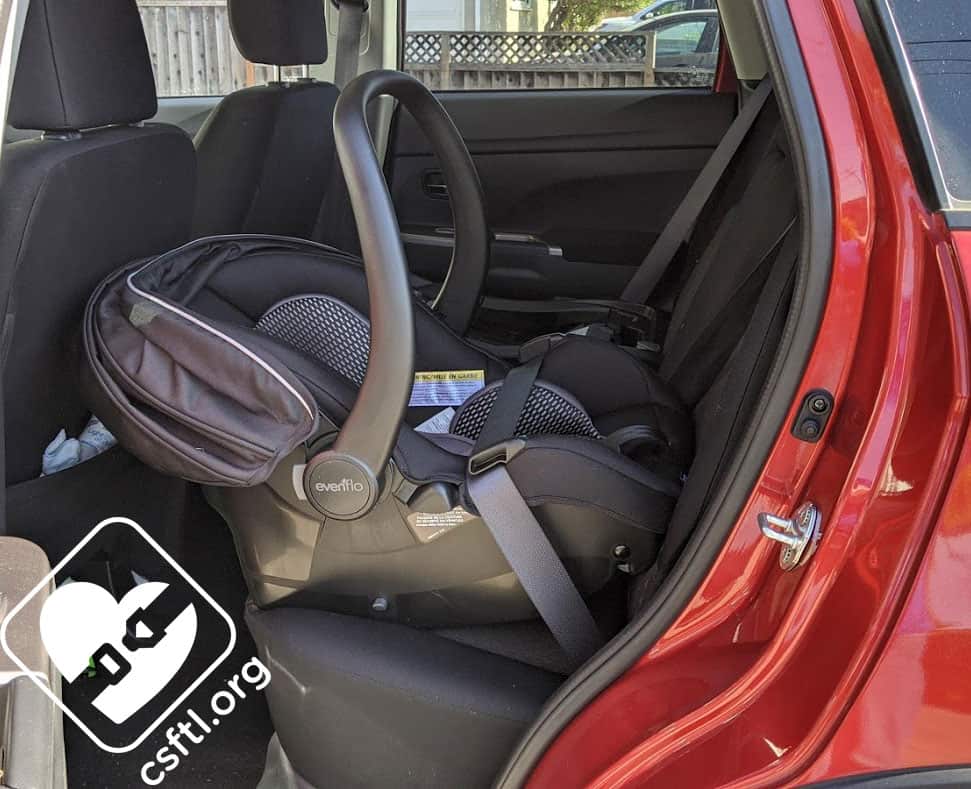
A rolled towel can enhance the seat’s stability. Place it under the car seat’s base. Ensure the towel is tightly rolled. This helps the car seat sit flat. It prevents unnecessary movement. Always check the seat’s angle. The towel should not create a slope.
Regular Rechecks
Frequent checks maintain safety. Recheck the seat’s tightness weekly. Sometimes, seatbelts loosen over time. Regularly inspect the car seat’s harness. Ensure it is snug against your child. Look for wear signs on the seatbelt. Replace if frayed or damaged.
Credit: csftl.org
Frequently Asked Questions
How Do I Position The Evenflo Car Seat Correctly?
To position the Evenflo car seat, place it on the vehicle seat. Ensure it’s in the correct recline angle. Use the recline indicator as a guide. Make sure the car seat is facing the right direction. For infants, rear-facing is recommended for safety.
Can I Install The Evenflo Seat Without A Base?
Yes, you can install the Evenflo car seat without a base. Use the vehicle’s seatbelt for installation. Thread the seatbelt through the designated path. Ensure it’s securely buckled and tight. Check the manufacturer’s instructions for detailed guidance.
What Is The Correct Recline Angle For Evenflo Seats?
The correct recline angle varies by model and age. Use the built-in recline indicator to check. The bubble or line should be within the recommended range. This ensures safety and comfort for your child. Always refer to the manual for specific instructions.
How Tight Should The Seatbelt Be For Installation?
The seatbelt should be tight with no slack. After securing the seatbelt, test for movement. The car seat should not move more than an inch. This ensures a snug and safe installation. Always double-check for security before each use.
Conclusion
Installing an Evenflo car seat with a seatbelt is simple. Just follow the steps carefully. Ensure the seatbelt is tight and secure. Double-check the car seat’s position before use. Safety is the top priority for your child. Practice these steps to gain confidence.
A well-installed car seat keeps your little one safe. Always refer to the manual for specific details. Keep your child safe and comfortable on every journey. Remember, a secure car seat is essential for peace of mind. Drive with confidence knowing your child is protected.


