


How to Remove Seat Belt in Car: Step-by-Step Guide

Have you ever found yourself struggling with a stuck seat belt in your car? It’s a common issue that can turn a simple task into a frustrating ordeal.
Whether you need to clean or replace it, knowing how to remove a seat belt can save you time and hassle. Imagine the relief of effortlessly freeing your seat belt and getting back on the road without a hitch. We will guide you step-by-step through the process, ensuring that you feel confident and empowered every time you face this situation.
Let’s dive in and learn how to handle your car seat belt with ease and precision. Your journey to mastering this handy skill starts here!
Tools Needed
Removing a seat belt from a car requires specific tools. Using the right tools makes the process smoother and safer. This section will guide you through the necessary tools for the job.
Phillips Screwdriver
A Phillips screwdriver is essential. It helps remove screws holding the seat belt assembly. Ensure it fits the screw heads perfectly to avoid stripping them.
Flathead Screwdriver
The flathead screwdriver is used to pry off panels. It’s useful for accessing hidden screws. Choose a size that matches the panel gap for efficient removal.
Socket Wrench Set
The socket wrench set is crucial for unscrewing bolts. Seat belts are secured with bolts underneath the seat. A set with various sizes ensures you can tackle different bolt sizes.
Trim Removal Tool
A trim removal tool protects the car’s interior. It helps remove plastic trims without scratching. Opt for a tool made of soft material to avoid damage.
Safety Gloves
Safety gloves protect your hands. Working with tools can cause injuries. Choose gloves that offer a good grip and flexibility.
Flashlight
A flashlight illuminates dark areas. It helps you see screws and bolts clearly. A compact flashlight with strong light is ideal.
Step Ladder
A step ladder provides easy access. It helps reach high areas where seat belts may be anchored. Ensure the ladder is stable for safety.
Safety Precautions
Removing a seat belt in your car may seem simple. Yet, safety precautions are crucial. Ensuring safety can prevent accidents and injuries. This section covers essential tips to keep you safe. Follow these guidelines for a smooth process.
Check The Car’s Stability
Ensure the car is parked on a flat surface. Engage the parking brake before starting. This prevents any unwanted car movement. Safety starts with a stable vehicle.
Turn Off The Vehicle
Switch off the car’s ignition completely. This reduces the risk of accidental starts. A quiet car ensures better focus. Staying alert helps in avoiding mishaps.
Keep The Key Accessible
Have the car key within reach at all times. You might need to adjust the seat position. Having access to the key ensures quick adjustments. It also aids in maintaining control.
Avoid Sharp Objects
Remove any sharp objects around the seat area. They can cause damage or injuries. A clean workspace promotes effective safety measures. It keeps your focus on the task.
Be Aware Of Airbags
Airbags can deploy unexpectedly. Stay cautious of their placement. Working calmly reduces the risk of accidental deployment. Knowing the airbag locations helps in planning your actions.
Use Proper Lighting
Good lighting is essential when working inside a car. It helps in seeing the seat belt mechanism clearly. Proper light reduces errors. Ensure your workspace is well-lit.
Locating The Seat Belt Mechanism
Finding the seat belt mechanism is the first step to removal. Understanding its location helps in safely and efficiently removing it. This guide provides easy steps to locate the seat belt mechanism in your car.
Locating The Buckle End
The buckle end is usually near the seat. Check between the seat cushions. It’s often attached to the car frame. The buckle is where you click the seat belt. Press the release button to unbuckle.
Finding The Retractor
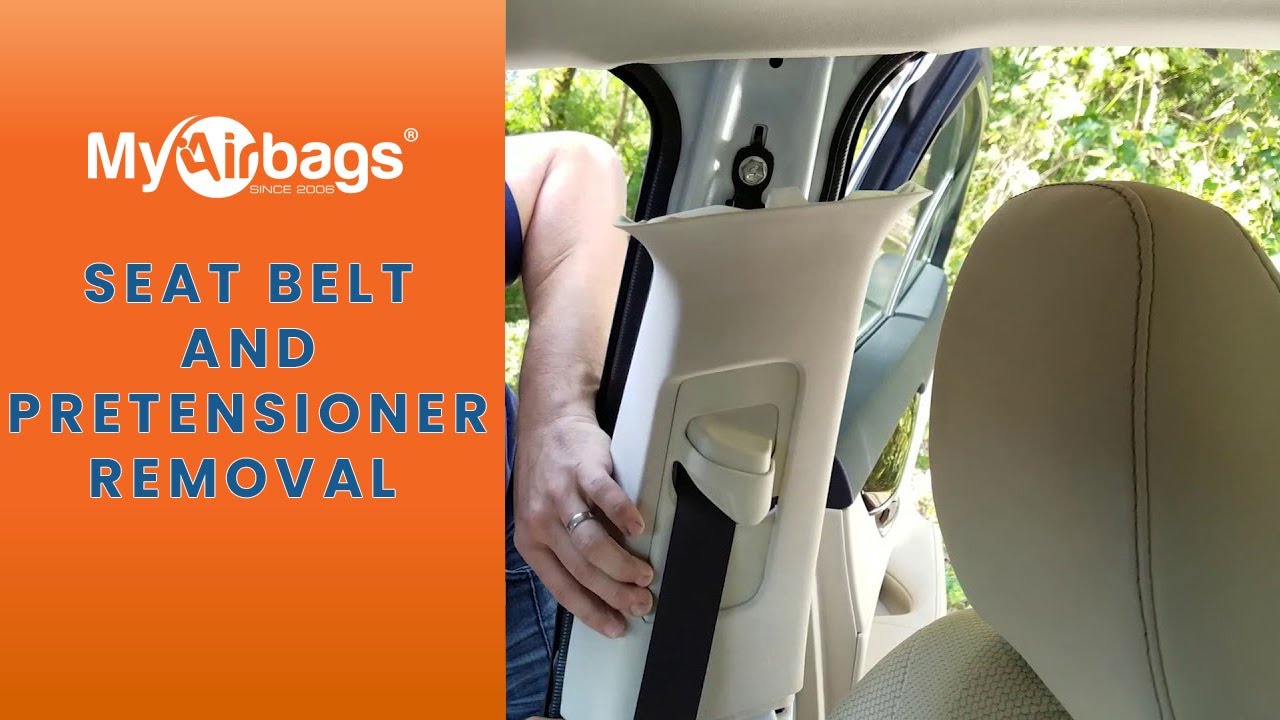
The retractor is often on the side panel. It rolls the seat belt back in place. Look for it near the seat or door frame. It’s usually covered by a trim piece. Gently remove the trim to access it.
Identifying The Anchor Points
Anchor points secure the seat belt in place. These are often bolted to the car’s frame. Look for them near the floor or seat base. They ensure the belt stays tight and secure.
Spotting The Adjuster
The adjuster allows belt length adjustment. It’s often near the shoulder area. It helps fit the belt snugly across the chest. Look for a sliding mechanism on the belt strap. It’s usually easy to spot and use.

Credit: www.youtube.com
Removing The Seat Belt Cover
Removing the seat belt cover is an important step in car maintenance. It allows you to inspect and clean the seat belt mechanism. This task might seem difficult, but with the right steps, it becomes easy.
Step 1: Gather Your Tools
First, you need the right tools. A flathead screwdriver and a flashlight are essential. These will help you safely remove the cover without damage.
Step 2: Locate The Cover
Next, find the seat belt cover. It’s usually near the seatbelt retractor. If unsure, check your car’s manual for exact location.
Step 3: Gently Pry The Cover
Use the flathead screwdriver to gently pry the cover open. Be careful not to scratch or break the cover. Start from one corner and work your way around.
Step 4: Inspect The Mechanism
Once the cover is off, look at the seat belt mechanism. Ensure all parts are clean and in good condition. If you notice dirt, clean it with a soft cloth.
Step 5: Reattach The Cover
Finally, put the cover back in place. Align it correctly and press firmly until you hear a click. This ensures the cover is secure.
Detaching The Seat Belt From The Anchor
Detaching a seat belt from its anchor might seem tricky. It’s a simple task with the right steps. This process is useful for cleaning or replacing the seat belt.
Understanding The Seat Belt Mechanism
Seat belts have a locking mechanism. This mechanism holds the belt securely. Understanding it helps in detaching the belt.
Locating The Anchor Point
The anchor point is where the belt connects. Usually found near the car seat. It’s often a metal or plastic fixture.
Pressing The Release Button
Most seat belts have a release button. Located on the buckle or anchor. Pressing it disengages the locking mechanism.
Applying Gentle Pressure
Sometimes the release requires gentle force. Be careful not to apply too much pressure. This prevents damage to the buckle.
Checking For Additional Fasteners
Some cars have extra fasteners. These secure the belt further. Ensure these are undone before pulling the belt.
Pulling The Belt Free
Once unlocked, gently pull the belt. It should slide out smoothly. Avoid tugging to prevent damage.
Inspecting The Belt And Anchor
Check the belt and anchor for wear. Look for frays or cracks. Ensure all parts are intact before reattaching.
Disconnecting The Retractor
Disconnecting the retractor is a key step in removing a seat belt. The retractor is the component that pulls the seat belt back into place. This part can be tricky, but with careful steps, it becomes manageable. Follow these steps to ensure a smooth process.
Locate The Retractor
The first task is finding the retractor’s location. Most often, it’s hidden inside the car’s frame. Usually, it’s near the bottom of the seat belt track. Use a flashlight to get a better view.
Access The Retractor
Once located, access the retractor by removing any panels. Typically, these panels are secured with screws or clips. Use a screwdriver or panel remover to gently take them off. Be careful not to damage the panels.
Disconnect The Retractor
Now, you’re ready to disconnect the retractor. Look for the bolts holding it in place. Use a wrench to unscrew these bolts. Keep the bolts safe for reassembly later.
Inspect The Belt And Retractor
After removal, inspect the belt and retractor for damage. Check for tears or wear that might need fixing. Ensure the retractor is in good condition before reinstallation.
Reassemble The Interior
Finally, reassemble the interior by replacing the panels. Align the panels correctly and secure them with screws or clips. Ensure everything is tight and secure.
Checking For Electrical Connections
Removing a seat belt might seem straightforward. Yet, many seat belts have electrical connections. These connections are crucial for safety features. Understanding these is important before removal. This section focuses on checking electrical connections.
Identifying Electrical Connections
First, locate the seat belt connector. It’s usually near the seat belt buckle. Check for any wires attached. These wires connect to the car’s electrical system. They may control seat belt alerts or airbags. Identifying them helps avoid damage.
Disconnecting Safely
Before disconnecting, turn off the car’s power. This prevents accidental electrical discharge. Use a screwdriver to gently remove connectors. Avoid pulling wires forcefully. Pulling can damage the wires or connectors. Handle with care to keep the system intact.
Testing After Disconnection
Once disconnected, test the seat belt system. Ensure all alerts work correctly. Check the airbag system, if linked. Reconnect if issues arise. This ensures safety features remain functional. Testing is crucial for maintaining safety.
Credit: www.youtube.com
Removing The Seat Belt Completely
Removing the seat belt completely from a car is a task many face. You might need to replace a faulty belt or simply remove it for cleaning. Understanding the steps to safely remove the seat belt ensures you don’t damage your car’s interior.
Removing The Seat Belt Anchor
The seat belt anchor is usually located near the floor. Begin by locating the bolt securing the anchor. Use a wrench to loosen and remove this bolt. This frees the lower part of the seat belt.
Detaching The Seat Belt Retractor
The retractor is often found inside the car’s panel. Carefully remove the panel to access the retractor. Unscrew the bolts holding the retractor in place. Pull the retractor out gently to avoid damaging the surrounding area.
Disconnecting The Seat Belt Buckle
The buckle connects the seat belt to the car’s frame. Use a screwdriver to remove the screws around the buckle. Once unscrewed, pull the buckle out carefully. This step completes the seat belt removal process.
Inspecting And Storing Removed Parts
After removal, inspect each part for damage or wear. Store them in a safe place if you plan to reuse. Clean each part before storage to prevent dirt accumulation.
Troubleshooting Common Issues
Removing a seat belt might sound easy. But sometimes, issues occur. Understanding these problems can help you solve them quickly. Let’s explore some common seat belt removal problems.
Jammed Seat Belt Mechanism
A jammed seat belt can be frustrating. First, check for any visible obstructions. Small objects or dirt can cause jams. Clean the area around the seat belt mechanism. This often solves the problem.
Stuck Retractor
If the retractor is stuck, gently pull the seat belt. Try doing this several times. Sometimes the belt might have twisted inside. Straighten it out to fix this issue.
Seat Belt Won’t Latch
A seat belt that won’t latch might have debris inside the buckle. Inspect the buckle for foreign objects. Use compressed air to clear any blockage. Ensure the belt is aligned properly with the buckle.
Slow Retraction
Slow retraction can occur due to dirt build-up. Clean the seat belt and its mechanism. Pull the belt out fully and wipe it with a damp cloth. This can enhance the retraction speed.
Seat Belt Twisting
Twisted seat belts can prevent proper functioning. Hold the buckle and untwist the belt manually. Ensure the entire length is straightened. This should fix the twisting issue.
Reassembly Tips
Reassembling a seat belt in your car requires careful attention. Each step must be done correctly to ensure safety. Mistakes can lead to malfunction or safety risks. Following these tips can make reassembly easier and more effective.
Ensure Proper Alignment
Before attaching the seat belt, check alignment. The belt and buckle should line up perfectly. Misalignment can cause problems during use.
Check For Wear And Tear
Examine the seat belt for any signs of wear. Look for frayed edges or torn fabric. Replace worn parts to maintain safety.
Secure All Bolts And Screws
Tighten all bolts and screws securely. Loose components can affect the seat belt’s function. Use a wrench or screwdriver for best results.
Test The Buckle
After reassembly, test the buckle. Ensure it clicks and locks securely. A faulty buckle can pose a safety risk.
Inspect The Retractor
Ensure the retractor works smoothly. Pull the belt out and let it retract. It should move without sticking or jamming.
Verify Tension
Check the seat belt’s tension. It should not be too loose or too tight. Adjust if necessary for optimal safety.
Final Safety Check
Perform a final safety check. Sit in the seat and buckle up. Ensure everything feels secure and comfortable.
Credit: www.reddit.com
Frequently Asked Questions
How Do I Safely Remove A Car Seat Belt?
To safely remove a car seat belt, first ensure the car is parked securely. Press the release button located on the seat belt buckle. Gently pull the seat belt away from the buckle. Ensure the belt retracts fully to avoid tangling or damage.
Can I Remove A Seat Belt For Cleaning?
Yes, you can remove a seat belt for cleaning. Use a screwdriver to detach the mounting bolts. Carefully remove the seat belt from its anchor points. Clean it using mild soap and water. Ensure it is completely dry before reinstallation.
Do I Need Tools To Remove A Seat Belt?
Yes, you will need basic tools like a screwdriver or wrench. These tools help detach the mounting bolts and anchors. Ensure you use the correct size to avoid damaging the components. Always follow the car manufacturer’s guidelines for tool usage.
Is It Legal To Remove A Seat Belt?
No, it’s generally illegal to permanently remove a seat belt. Seat belts are crucial for passenger safety. Removing them violates safety regulations. However, temporary removal for repairs or cleaning is typically allowed. Always ensure seat belts are reinstalled properly after any maintenance.
Conclusion
Removing a seat belt in a car is simple and safe. Always ensure the car is parked before you begin. Locate the buckle and press the release button. Gently pull the belt across your body. Store the belt in a designated holder to prevent tangling.
Regularly check the seat belt for any signs of wear. Safety should always be your top priority. If unsure, consult your car’s manual. Remember, seat belts save lives. Practicing safe removal helps maintain their condition. Keep these tips in mind for a smooth experience.
Stay safe on the road!


