


How to Install Base of Infant Car Seat: Step-by-Step Guide

Are you a new parent or caregiver trying to figure out how to install the base of an infant car seat? You’re not alone.
Many parents find themselves puzzled by the array of straps, buckles, and instructions that come with a new car seat. The safety of your little one is paramount, and ensuring that their car seat is installed correctly can make all the difference.
Imagine driving with peace of mind, knowing that your baby is secured safely. In this guide, you’ll discover simple, step-by-step instructions that will help you install that car seat base with confidence and ease. Let’s make sure your precious cargo is protected on every trip. Dive in to learn more!

Credit: orbitbaby.com
Choosing The Right Location
Choosing the right location for your infant car seat base is crucial. A safe and secure spot in your vehicle can make a difference. This ensures your baby’s comfort and safety during every ride. Selecting the proper place requires understanding your vehicle’s layout. It demands considering the seat’s compatibility.
Understanding Vehicle Compatibility
Not all vehicles accommodate infant car seat bases in the same way. It’s important to check the owner’s manual. This helps determine the best spot for installation. Some vehicles have specific instructions for car seats. Follow these guidelines closely for optimum safety.
Prioritizing Safety Features
Identify areas in your car with safety features. These features enhance the car seat base’s security. Look for anchors or latch systems. These provide a stable foundation for the seat. Properly using these features can protect your baby during sudden stops or accidents.
Considering Passenger Comfort
Choose a location that balances safety with comfort. The seat should not obstruct other passengers. Ensure there’s enough legroom for the front seat occupants. A well-placed car seat base allows everyone to travel comfortably. This promotes a peaceful ride for all.
Accessibility And Convenience
Ensure the location is easy to access. This helps when placing your baby in the seat. It also makes it easier to remove the baby after the ride. The base should be easy to reach without awkward movements. Consider how this impacts daily routines and ease of use.

Credit: www.tinyhood.com
Reading The Car Seat Manual
Reading the car seat manual is essential for safe installation. It guides you on securing your infant properly. Every car seat model has specific instructions. This ensures the base fits well in your vehicle. Understanding the manual is crucial for your child’s safety.
Understanding The Importance Of The Manual
The manual contains vital safety information. It offers guidelines tailored to your car seat model. Skipping this step may lead to improper installation. Always prioritize reading the manual first.
Identifying Key Features In The Manual
Look for the seat’s weight and height limits. Check for illustrations showing correct installation. Some manuals offer troubleshooting tips. Use these to ensure a snug fit. This step prevents common mistakes.
Locating The Manual In The Package
Manufacturers often tuck manuals under the seat. Sometimes, it’s in a plastic bag. Ensure you have the correct one for your model. If lost, download it from the manufacturer’s website.
Interpreting Safety Symbols And Icons
Manuals use symbols for quick understanding. Arrows often show belt paths. Icons indicate latch points. Study these symbols carefully. They simplify the installation process. Familiarity with them boosts confidence.
Following Step-by-step Instructions
Start with the first step and follow through. The manual outlines each step clearly. Use the pictures as visual aids. Ensure each step is complete before moving on. This method reduces errors.
Noting Special Instructions For Your Vehicle
Some vehicles require specific adjustments. Manuals may mention these. Look for notes about seat recline angles. Adjust headrests if needed. This ensures compatibility with your car.
Keeping The Manual For Future Reference
Store the manual in a safe place. You might need it for future adjustments. It’s handy for relatives using the seat. Having it accessible saves time later. Consider keeping a digital copy.
Prepping The Vehicle
Start by placing the infant car seat base on the vehicle seat. Secure it with the seatbelt or LATCH system. Ensure it’s tightly fastened to prevent movement. Check the angle indicator to maintain proper positioning. Double-check all connections to guarantee your child’s safety.
Preparing your vehicle for an infant car seat is crucial. It ensures safety and comfort for your baby. Before installation, take a few key steps.Clearing The Space
Start by clearing the back seat. Remove any loose items. These can become dangerous in a sudden stop. Check for dirt and debris. A clean space makes installation easier. It also prevents damage to the car seat. Vacuum the area for a fresh start.Locating Anchors
Locate your vehicle’s anchor points. These are often marked with a small symbol. Consult your car’s manual if needed. Anchor points are typically in the seat’s crease. Ensure they are accessible. This makes securing the car seat base easier. Proper anchoring is key to safety.Positioning The Base
Positioning the base of an infant car seat is vital. It ensures your baby’s safety during travel. A well-positioned base provides stability. It also prevents unnecessary movement. Correct positioning starts with understanding your car’s design. Each vehicle is unique, so check your car’s manual. The right position can save lives.
Angle Adjustment
Check the base’s angle indicator. Most bases have a built-in level. Use it to ensure the correct angle. Babies need to lie at a specific angle. This prevents their head from falling forward. Adjust the base until the indicator shows the right position. Some bases have adjustable feet. Use them to achieve the correct angle. Always double-check the level after adjustments.
Facing The Right Direction
Infant car seats must face the rear of the vehicle. Rear-facing seats provide better protection in crashes. Ensure the base is securely placed. It should not move more than an inch. Read the car seat manual for specific instructions. Double-check the direction before securing the base. This simple step increases your baby’s safety significantly.
Securing With Latch System
The LATCH system stands for Lower Anchors and Tethers for Children. It helps secure infant car seat bases safely. This system is standard in most modern vehicles. Installing a car seat base using LATCH is straightforward. Follow these simple steps to ensure your child’s safety during travel.
Attaching Lower Anchors
Locate the lower anchor bars in your car seats. They sit between the seat cushion and backrest. Find the hooks on the car seat base. Attach these hooks to the anchor bars. Listen for a click to know they are secure. Ensure both sides are connected firmly.
Tightening Straps
Pull on the straps to remove slack. Tighten them until the base does not move. Shake the base gently to check stability. If it moves more than an inch, adjust the straps. Make sure they are snug and the base is stable.
Using Seat Belt Installation
Installing an infant car seat is crucial for safety. Many parents prefer using the seat belt installation method for its simplicity. This method is widely used and understood. Understanding each step ensures the seat is secure. Follow these steps for a safe installation.
Threading The Belt
Begin by placing the car seat base on the back seat. Locate the seat belt path on the base. Ensure the belt is flat and untwisted. Pull the seat belt across the path. It should lie flat against the base. This step is vital for securing the seat.
Locking The Belt
Next, focus on locking the seat belt. Pull the belt tight to remove any slack. Engage the seat belt’s locking mechanism. In some cars, pull the belt all the way out. This activates the lock. Ensure the belt is snug and secure. Test by trying to move the base. It should not move more than an inch.
Ensuring Stability
Securely installing the infant car seat base ensures your baby’s safety during travel. Place the base on the vehicle seat. Use either the seatbelt or the LATCH system to firmly anchor it. Check for a tight fit. Adjust as needed.
Confirm the base doesn’t move more than one inch.
Ensuring the stability of an infant car seat base is crucial. It helps in providing maximum safety for your little one. A secure base minimizes movement during travel. This not only enhances safety but also offers peace of mind. Following the steps below can help ensure the base is stable.Checking Tightness
Make sure the car seat base is tight. Use your hand to press down on the base. The base should not move more than one inch. Use the seat belt or latch system to secure the base. Double-check the manual for specific instructions. Adjust the straps if needed to achieve a snug fit.Testing Movement
Once the base is tight, test for movement. Try moving the base side to side. It should not shift easily. Next, test front to back movement. The base should remain in place. If there is movement, recheck the tightness. Adjust as needed for a secure fit.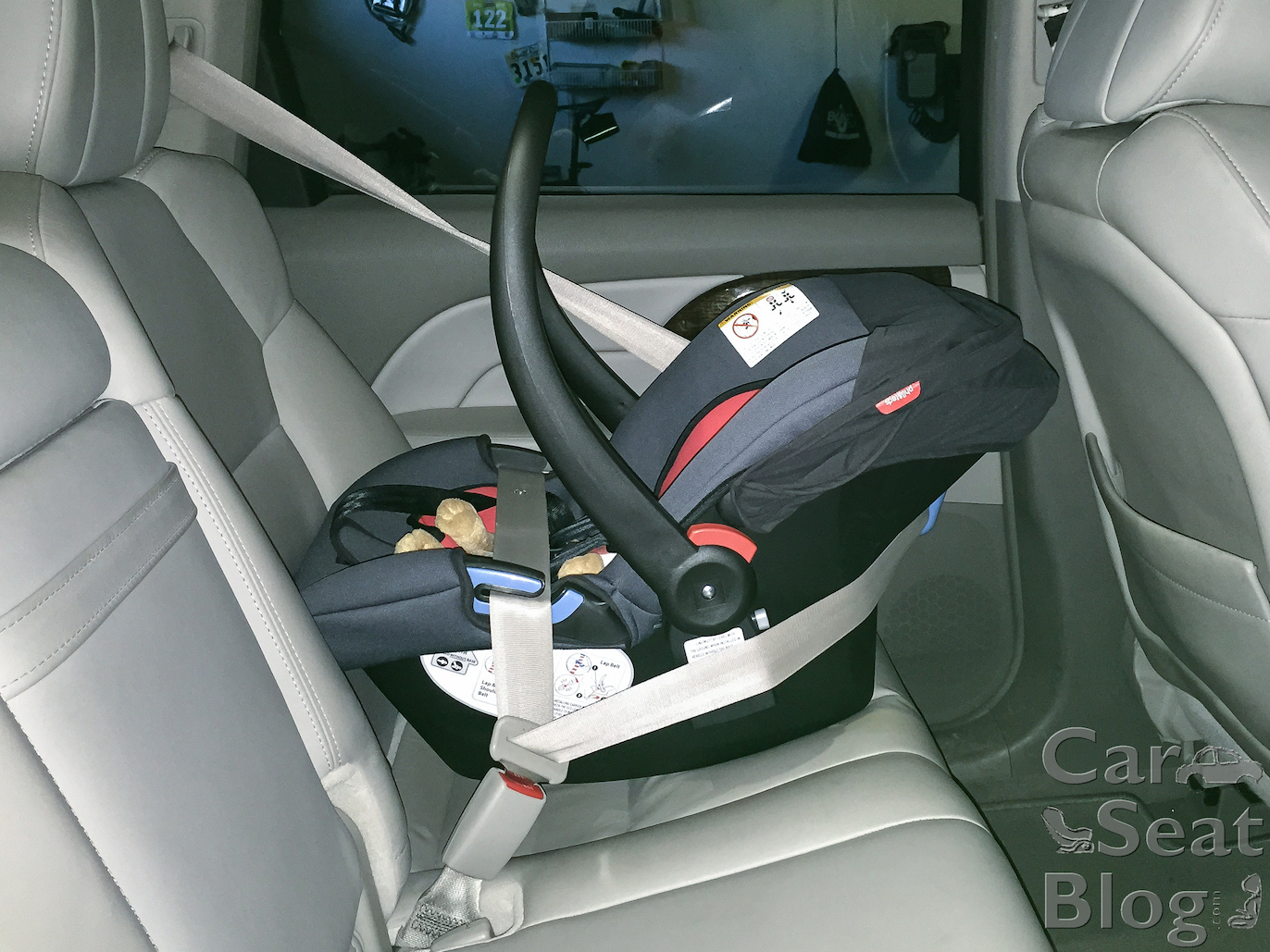
Credit: www.e-mit.org
Verifying Installation
Ensuring a secure base installation for an infant car seat is crucial for safety. Follow the manufacturer’s instructions step-by-step, checking each latch and strap. Confirm the base is stable by giving it a firm shake.
Verifying the installation of your infant car seat base is crucial. It ensures your child’s safety during every journey. Many parents feel uncertain about whether they’ve installed it correctly. This section guides you through the verification process. It provides practical tips to ensure your car seat is secure.Professional Inspection
Getting a professional inspection can be reassuring. Certified technicians are trained to spot errors. They ensure your car seat meets all safety standards. Many local fire stations offer free inspections. Check online for nearby inspection locations. Schedule an appointment for peace of mind.Common Mistakes To Avoid
Avoid loose belts during installation. They can lead to a wobbly car seat. Always tighten the belts as much as possible. Ensure the base is level. A tilted base reduces safety during a crash. Double-check the locking mechanism. It should click securely in place. Regularly recheck the installation. A car seat can loosen over time.Final Adjustments
The installation of an infant car seat base is crucial. Safety is paramount, but ensuring comfort is also vital. After securing the base, final adjustments are necessary. These adjustments guarantee the seat is ready for your baby. They ensure both safety and comfort are optimized.
Adjusting The Recline
Recline adjustment is important for your baby’s comfort. Most car seats have indicators for proper recline. These indicators help you find the right angle. A level base is essential. Check the level indicator on the seat. Adjust the recline until the indicator shows correct positioning. This ensures your baby sits comfortably and safely.
Final Safety Check
A final safety check is crucial. First, ensure the base is tightly secured. It should not move more than one inch. Double-check the seat belt or latch system. They must be fastened correctly. Look for any loose parts or straps. Secure them immediately. Ensure the car seat clicks into the base. Listen for the click to confirm proper attachment.
Perform these checks regularly. They ensure ongoing safety and comfort. Your baby’s safety depends on these final adjustments.
Frequently Asked Questions
How Do I Secure An Infant Car Seat Base?
To secure an infant car seat base, follow the manufacturer’s instructions. Use either the LATCH system or the vehicle’s seat belt. Ensure the base is tightly secured, with minimal movement. A proper installation angle is crucial for the baby’s safety.
Can The Car Seat Base Be Installed In Any Car?
Most infant car seat bases are compatible with a wide range of vehicles. However, it’s essential to check the car seat manual and your vehicle’s owner manual for compatibility. Some vehicles may require additional accessories for a secure fit.
How Tight Should The Car Seat Base Be?
The car seat base should be tight enough to move less than one inch side-to-side or front-to-back. Use your body weight to press down while tightening the belt or LATCH strap. A properly secured base is crucial for your child’s safety.
Is It Necessary To Use A Car Seat Base?
While a car seat base offers convenience and added safety, it’s not always necessary. Many infant car seats can be installed without a base using the vehicle’s seat belt. Always refer to the car seat manual for proper installation instructions.
Conclusion
Secure your infant car seat base confidently. Follow these steps for safety. Start by reading the car seat manual. Understand each instruction clearly. Install the base tightly using the seat belt or latch system. Check the base for movement. It should stay firm and not wiggle.
Adjust the recline angle for comfort. Ensure the car seat clicks into the base securely. Double-check all connections before driving. Safety is a priority. Practice installing the base regularly. It helps build confidence and ensures your baby’s safety. Your child’s protection is in your hands.
Drive with peace of mind.


