


How Long Can Babies Be in a Car Seat: Safety Tips

As a parent, your child’s safety is always a top priority, especially when traveling by car. You might often wonder, “How long can babies be in a car seat?”
Finding the right balance between keeping your baby secure and ensuring their comfort can be challenging. You want to give them the best, and knowing the guidelines for car seat duration is crucial. Imagine the peace of mind that comes from knowing your little one is both safe and comfortable during every car ride.
By understanding the recommended time limits, you can make informed decisions that protect your baby’s health and enhance your travel experiences. Dive into this article to uncover essential tips that will empower you with the knowledge to make every journey a safe and pleasant one for both you and your baby.
Optimal Car Seat Duration
Understanding how long a baby should stay in a car seat is crucial. Safety is the top priority for parents during travel. Experts recommend limiting the time to ensure comfort and health. Babies need regular breaks from sitting in one position. Proper duration prevents health issues and discomfort.
Parents often wonder about the best time limits for car seats. The right amount of time is essential for healthy travel. This section explores the ideal car seat duration for infants.
How Long Should Babies Stay In Car Seats?
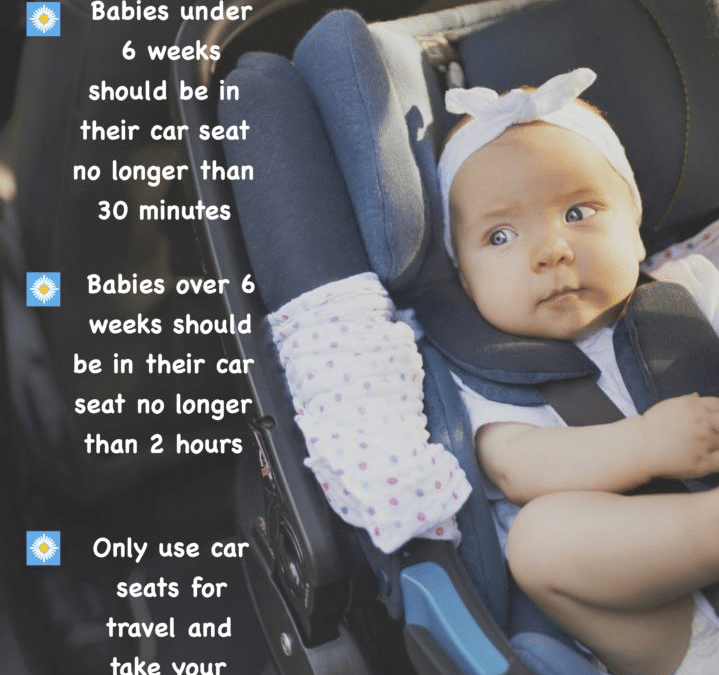
Infants should not be in car seats for extended periods. Experts suggest limiting sessions to two hours. Babies need movement and frequent changes in position. Long periods can affect their health and comfort.
Why Limit Time In Car Seats?
Prolonged sitting impacts a baby’s physical development. It can cause discomfort and breathing issues. Limiting time ensures safety and comfort. Regular breaks help maintain a baby’s health.
Benefits Of Regular Breaks
Frequent breaks keep babies comfortable and happy. They help prevent stiffness and discomfort. Breaks also support healthy growth and development. Parents can ensure a pleasant journey for their little ones.
Signs Of Discomfort In Car Seats
Watch for signs of discomfort during travel. Babies may become fussy or irritable. These signs indicate a need for a break. Adjusting the seat or taking a break can help.
Tips For Safe Car Seat Use
Use car seats that fit your baby well. Ensure proper installation and harness adjustments. Plan regular stops during long trips. Keep your baby comfortable and safe during travel.
Credit: www.daisyfirstaid.com
Health Risks Of Prolonged Sitting
Understanding the health risks of prolonged sitting is crucial for parents. Babies spend a lot of time in car seats. But extended sitting can pose risks. It’s vital to know these risks to keep your baby safe.
Spinal Development Concerns
Babies’ spines are still developing. Prolonged sitting can affect this growth. Car seats can put pressure on a baby’s spine. This pressure may lead to discomfort. It can also affect their posture. Avoid long periods in car seats to support healthy spinal growth.
Breathing And Oxygen Levels
Sitting in a car seat can affect a baby’s breathing. The seat angle can impact airflow. This may reduce oxygen levels. Babies need proper oxygen for brain development. Monitor your baby during car rides. Ensure they are breathing comfortably.
Age-specific Guidelines
Understanding how long babies can stay in car seats is crucial. Age-specific guidelines ensure safety and comfort during travel. Each age group has different needs and recommendations.
Newborns And Infants
Newborns need special attention during car travel. Their bodies are delicate and need support. Experts suggest limiting car seat time to 30 minutes. This duration helps prevent breathing issues. Frequent breaks are necessary on long trips. They allow the baby to stretch and get oxygen. Always secure the car seat at the correct angle.
Toddlers And Young Children
Toddlers have more strength than infants. They can sit for longer periods. Experts recommend a maximum of two hours in a car seat. Breaks are still important for their health. Stretching helps avoid discomfort during travel. Ensure the harness fits snugly but comfortably. Adjust the car seat as the child grows.
Signs Of Discomfort
Babies show discomfort in car seats by crying or fussing. Red marks on their skin are also signs. Frequent breaks can help keep them comfortable.
When traveling with babies, their comfort is crucial. Long periods in car seats can cause discomfort. Recognizing signs of discomfort helps ensure their well-being. Babies might not communicate discomfort directly. Yet, certain indicators suggest they need attention. Understanding these signs helps you take timely action.Crying And Fussiness
Crying is a primary sign of discomfort. Babies cry to express feelings. If your baby cries persistently in the car seat, check their position. Fussiness is another indicator. Babies might squirm or arch their backs. They could also pull at their straps. These actions often signal they need a change.Changes In Breathing Patterns
Breathing patterns offer clues about your baby’s comfort. Listen for irregular breathing. Rapid or shallow breaths can indicate discomfort. Sometimes, their breathing may become noisier. Notice if your baby gasps or pauses while breathing. These signs suggest they need repositioning or a break. Always ensure their airway is clear. Proper seat adjustment helps maintain healthy breathing.Car Seat Break Strategies
Ensuring babies are safe and comfortable during car rides is crucial. Long trips can be challenging for little ones in car seats. Developing effective car seat break strategies can help ease their discomfort. Parents can plan breaks and engage babies during travel.
Scheduled Breaks
Plan breaks every two hours on long drives. This helps babies stretch and relax. Find safe areas for these breaks. Rest areas or parks work well. Fresh air and a change of scenery refresh everyone. Use this time to check the baby’s comfort and adjust the car seat if needed.
Interactive Activities
Engage babies with fun activities during travel. Sing nursery rhymes or play soothing music. Bring favorite toys for distraction. Soft books or rattles can keep them entertained. Talk to your baby during the ride. Interaction helps keep them calm and happy.
Choosing The Right Car Seat
Choosing the right car seat for your baby is crucial. It ensures their safety and comfort during travel. The options can be overwhelming. But focusing on key features simplifies the process. Consider comfort and safety as top priorities.
Features For Comfort
Comfort is key for a baby’s happiness. Padded seats reduce discomfort during long rides. Adjustable headrests support growing babies. Look for breathable fabric. It keeps your baby cool. Recline options offer added comfort. They help during naps.
Safety Standards To Consider
Safety standards are non-negotiable. Check for crash-test certifications. They ensure the seat’s reliability. Look for a five-point harness system. It provides maximum security. Side-impact protection is essential. It shields your baby in a collision. Ensure the seat fits your car model. Compatibility matters for effective installation.
Parental Tips For Long Trips
Long trips with babies can be challenging for parents. Planning ahead ensures a smoother journey. Babies need frequent breaks and comfort in car seats. Understanding tips for long trips can make the experience enjoyable.
Packing Essentials
Organize a bag with baby necessities. Include diapers, wipes, and extra clothes. Keep snacks and bottles within reach. Use a small cooler for milk and water. Don’t forget a blanket for comfort. Pack a favorite toy for distraction.
Entertainment Options
Keep your baby entertained during the drive. Play soft music or gentle lullabies. Use interactive toys that are safe in the car. Sing along to nursery rhymes or tell simple stories. A tablet with baby-friendly apps can help. Rotate toys to keep things interesting.
Credit: www.motherandbaby.com
When To Consult A Pediatrician
Consult a pediatrician if you’re unsure about how long your baby can stay in a car seat. Babies shouldn’t be in a car seat for more than two hours at a time. Extended periods can lead to discomfort and health issues.
When it comes to your baby’s health, knowing when to consult a pediatrician is crucial. Babies need special care during their early months. Long periods in a car seat can affect their well-being. Understanding when to seek medical advice helps ensure your child’s safety and comfort. Watch for signs of discomfort in your baby. Crying or fussiness may indicate issues. If your baby seems uneasy in the car seat, it might be time for a check-up. Babies often express discomfort through restless behavior.Breathing Concerns
Breathing troubles require immediate attention. If your baby struggles to breathe, consult a pediatrician. Shortness of breath or wheezing are warning signs. Babies are sensitive to positions that may restrict airflow.Unusual Skin Marks
Check for unusual skin marks after car seat use. Redness or bruises can be a problem. These marks may signal pressure points. A pediatrician can provide guidance on necessary adjustments.Excessive Sweating
Excessive sweating during car rides can be concerning. If your baby sweats more than usual, it’s worth consulting a doctor. Sweating may be caused by overheating in a car seat. Monitoring your baby’s temperature is important.Developmental Concerns
Observe your baby’s development closely. If there are delays, consult a pediatrician. Spending too long in a car seat may affect growth. Regular check-ups help ensure your baby is developing properly. Understanding when to seek medical advice is essential. Your baby’s health and comfort are a priority. Always be vigilant and consult professionals when needed.
Credit: www.besafe.com
Frequently Asked Questions
How Long Can A Newborn Be In A Car Seat?
Newborns should not be in a car seat for more than 30 minutes at a time. Extended periods in a car seat can impact their breathing. It’s recommended to take breaks during long car journeys to ensure their comfort and safety.
What Are The Risks Of Prolonged Car Seat Use?
Prolonged car seat use can cause breathing difficulties and affect spinal development in infants. It’s crucial to limit time spent in a car seat. Parents should make frequent stops during long trips to allow babies to stretch and change positions.
When Should You Take A Break During A Car Trip?
During long car trips, take a break every two hours to check on the baby. Frequent stops allow your baby to move, reducing the risk of discomfort. These breaks are essential for your baby’s safety and well-being during travel.
How Can You Make Car Seat Time Safer?
Ensure your baby is in the correct car seat for their age and weight. Adjust the harness for a snug fit, and never leave your baby unattended. Keep car seat time to a minimum, and always follow the manufacturer’s safety guidelines.
Conclusion
Ensuring your baby’s safety in the car seat is vital. Follow guidelines for seat time limits. Regular breaks help prevent discomfort. Check your baby’s position often. Adjust straps and angles as needed. Keep an eye on their mood and alertness.
Short trips are best for long journeys. Plan stops to stretch and relax. Comfort matters, but safety comes first. Make informed choices. Consult experts if unsure. Your baby’s well-being is the priority. Enjoy your travels, knowing your baby is safe.
Always stay attentive, and make adjustments as needed. Happy and safe travels!


