


When to Replace Infant Car Seat: Essential Safety Tips

When it comes to your baby’s safety, every decision matters. One of the most crucial pieces of gear you’ll ever buy is an infant car seat.
But how do you know when it’s time to replace it? You might be surprised to learn that car seats don’t last forever. Many parents overlook the signs that it’s time for a change, risking their child’s safety in the process.
Imagine the peace of mind you’ll feel knowing your little one is securely fastened in a seat that meets all safety standards. In this guide, we’ll help you identify the telltale signs that indicate it’s time for an upgrade. Stay with us, and ensure every car ride is as safe as can be for your baby.
Signs Of Outgrowing The Car Seat
Ensuring your child’s safety in the car is crucial. A well-fitted car seat plays a big role in this. But as your baby grows, their car seat needs may change. Recognizing signs your baby has outgrown their car seat is important. It helps keep them safe and comfortable during travel.
Every car seat has specific limits for height and weight. When these limits are reached, it’s time to consider a new seat. Here are some signs to watch for when checking if your infant has outgrown their car seat.
Height And Weight Limits
Car seats come with height and weight limits. These limits ensure the seat offers maximum protection. Check the labels on your car seat. They show the maximum height and weight allowed. If your baby surpasses these, it’s time for a new seat. It’s important to measure your baby’s height and weight regularly. This helps ensure the car seat fits properly.
Head And Shoulder Position
Your baby’s head and shoulders should sit comfortably within the car seat. If their head is close to the top edge, the seat may be too small. The shoulder straps should be at or below the shoulders. If the straps sit above the shoulders, the seat is no longer safe. Proper head and shoulder positioning is key for safety.
As your infant grows, their needs will change. Keep an eye on these signs to ensure they travel safely.
Expiration Date Awareness
Understanding the expiration date of an infant car seat is crucial. Many parents overlook this vital detail. Expired car seats may not offer optimal safety. Knowing when to replace them ensures your child’s protection. Let’s explore why car seats expire and where to find this information.
Why Car Seats Expire
Materials in car seats degrade over time. This impacts their safety performance. Plastic parts can weaken. Straps may fray or lose strength. Manufacturers constantly improve safety standards. An expired seat may not meet current safety regulations.
Locating Expiration Information
Check your car seat for a label or sticker. This shows the expiration date. It’s usually found on the back or bottom. Some seats have the date stamped into the plastic. Always verify this information before use.
Post-accident Replacement
Car accidents can be frightening and stressful, especially with a baby on board. After such events, it’s crucial to evaluate the infant car seat. Safety must be the top priority for your little one. A car seat might seem okay at first glance, but hidden damage can compromise its protection.
Assessing Car Seat Damage
Start by checking the car seat for visible damage. Look for cracks, dents, or broken parts. These signs indicate the seat may not be safe anymore. Also, examine the harness and buckle system. They should click and secure properly. If anything seems off, it’s time for a replacement.
Manufacturer Guidelines
Every car seat manufacturer has specific guidelines post-accident. Check your car seat manual or the manufacturer’s website. Some advise replacing the seat after any accident. Others suggest replacement only after severe impacts. Understanding these guidelines ensures your child’s safety.
Wear And Tear Indicators
Infant car seats are crucial for your baby’s safety. But like all things, they wear out. Knowing when to replace them is vital. Watch for wear and tear indicators. These signs help ensure your child’s safety. Inspecting straps and buckles is one key area.
Inspecting Straps And Buckles
Start with the straps. They hold your baby securely. Check for any fraying or damage. Frayed straps can break easily. Ensure buckles fasten smoothly. They should click without resistance. If they stick, it may indicate wear. Faulty buckles can fail in an accident.
Checking For Cracks Or Fraying
Look at the plastic shell. Cracks weaken the car seat’s structure. Run your fingers over the surface. Feel for any rough spots. Inspect the fabric for fraying. Frayed fabric exposes inner materials. This can compromise safety. Regular checks can prevent unexpected failures.
Safety Standard Updates
Infant car seats are crucial for child safety during car rides. Keeping up with safety standards ensures your child’s protection. Updates to these standards can signal when it’s time to replace your car seat. Understanding these changes helps maintain optimal safety for your baby.
New Regulations
Safety regulations for infant car seats evolve regularly. New rules often aim to enhance protection features. Manufacturers must comply with these updates, affecting the design and materials used. Staying informed about new regulations helps ensure your car seat meets current safety requirements.
Impact On Older Models
Older car seat models might not comply with updated safety standards. This can compromise your child’s safety during travel. As regulations change, manufacturers improve designs to meet new requirements. It’s crucial to assess whether your current seat adheres to the latest standards. Consider replacing older models to provide better protection.
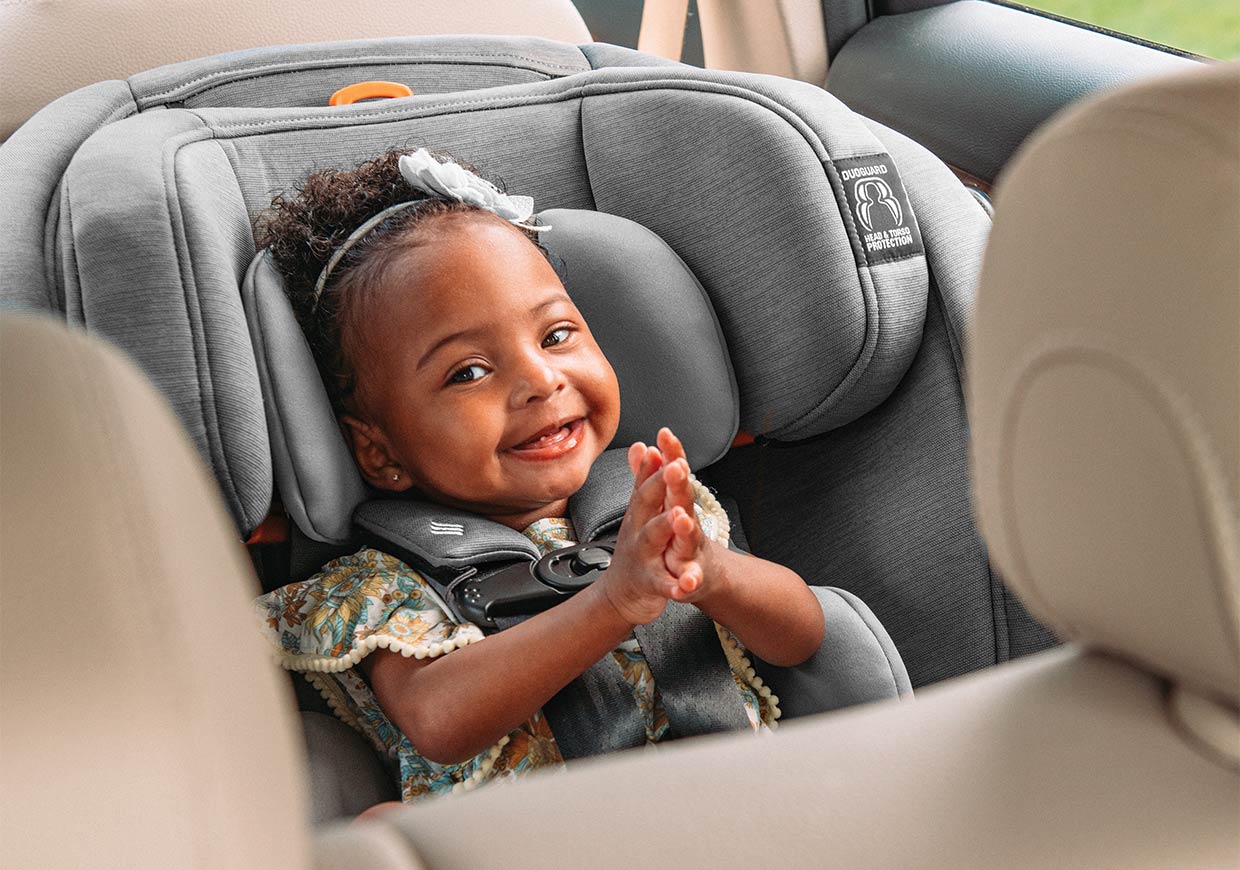
Credit: www.chiccousa.com
Transition To The Next Seat
The transition to the next car seat is crucial for your child’s safety. As your infant grows, their car seat must adapt to provide proper protection. Knowing when to replace the infant car seat ensures your child remains safe during travel.
Choosing The Right Convertible Seat
Selecting a convertible seat requires attention to size and weight limits. Ensure the seat fits your child’s current height and weight. Look for seats with adjustable harnesses and headrests. These features accommodate growing children. Check for side-impact protection features. They offer additional safety in the event of a collision. Always research the seat’s safety ratings and reviews. This helps in making an informed decision.
Installation Tips
Proper installation of the car seat is vital for safety. Read the manufacturer’s instructions carefully. Ensure the seat is tightly secured in the vehicle. Use either the LATCH system or seat belt for installation. Double-check that the seat doesn’t move more than an inch. Position the seat at the correct angle, especially for rear-facing seats. Test the harness to confirm it is snug and secure. Regularly inspect the installation to maintain safety standards.
Common Mistakes To Avoid
Recognizing signs of wear or damage in infant car seats is crucial for safety. Always check expiration dates and inspect straps regularly. Replace the seat after any car accident, even if it appears undamaged.
Common mistakes can jeopardize the safety of infant car seats. Parents often overlook crucial details when deciding to replace these seats. Proper knowledge ensures your child’s safety remains uncompromised.Using Second-hand Seats
Many parents consider second-hand infant car seats due to cost. These seats might be appealing but pose risks. Hidden damage or missing parts may compromise safety. Always verify the seat’s history. Ensure it hasn’t been in an accident. Check for recalls and expiration dates. A cheap seat could endanger your child.Ignoring Manufacturer Advice
Manufacturers provide essential guidance for car seat use. Parents sometimes neglect these instructions. Misuse arises from ignoring weight and height limits. Follow installation guidelines closely. Incorrect installation reduces safety. Regularly review the manufacturer’s manual. Pay attention to expiration dates. Manufacturer advice safeguards your child’s safety. Prioritize following these guidelines.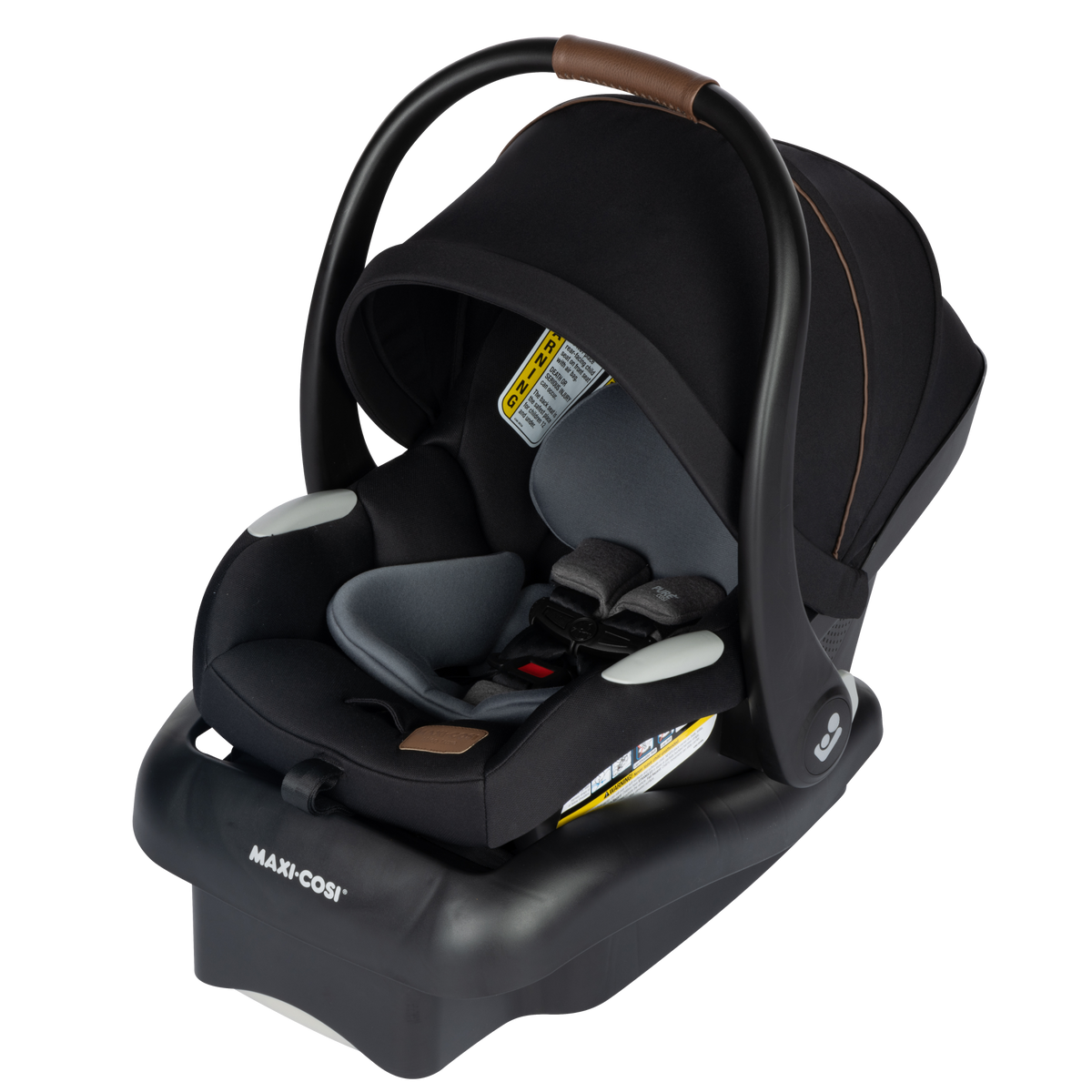
Credit: maxicosi.com

Credit: www.youtube.com
Frequently Asked Questions
How Often Should I Replace An Infant Car Seat?
Infant car seats should be replaced according to the manufacturer’s expiration date, typically 6 to 10 years. Check for signs of wear, damage, or recalls. If involved in an accident, replace the seat immediately. Regularly inspect for any issues to ensure your child’s safety.
What Are Signs My Car Seat Needs Replacing?
Signs include cracks, frayed straps, or missing parts. Check for expired dates or recalls. If involved in a crash, replace the seat. Regular inspection ensures safety standards are maintained. Always prioritize your child’s safety and comfort.
Can I Use A Second-hand Infant Car Seat?
Using second-hand seats is risky due to potential hidden damage. Ensure it hasn’t been in a crash, is within expiration, and has no recalls. Check for complete parts and instructions. Always prioritize safety and consult the manufacturer guidelines.
Why Do Infant Car Seats Expire?
Car seats expire due to material degradation over time, affecting safety. Innovations in safety technology also evolve. Expiration ensures compliance with current safety standards. Regularly check expiration dates on your infant car seat for optimal protection.
Conclusion
Replacing an infant car seat ensures safety for your child. Check the seat regularly for any damage. Follow the manufacturer’s instructions for expiration dates. Consider upgrading as your child grows. Be mindful of weight and height limits. Always prioritize your child’s comfort and safety.
Invest time in researching the best options available. These steps help maintain peace of mind during travel. Keep your little one safe on every journey. Make informed decisions with careful planning. Your child’s well-being is worth the effort. Stay proactive and attentive to seat needs.
Safety should never be compromised.


