


What are the Car Seat Stages: Ultimate Safety Guide

Do you remember the first time you held your baby in your arms? That overwhelming sense of love and responsibility instantly surged through you.
As a parent, ensuring your child’s safety is a top priority, and one crucial aspect of this is understanding car seat stages. Navigating through the different types can be confusing, but it’s essential for your child’s safety during car rides.
Imagine the peace of mind you’ll have, knowing you’ve chosen the right seat for each stage of your child’s growth. We’ll break down the car seat stages, helping you make informed decisions with ease and confidence. Stay with us to unlock the secrets to safer journeys for your little one.
Infant Car Seats
Infant car seats are essential for safety during travel. They transition through stages: rear-facing for infants, forward-facing for toddlers, and booster seats for older children. Each stage adapts to a child’s growth, ensuring optimal protection.
Infant car seats provide essential protection for newborns during travel. They are designed to keep your baby safe and secure from birth. These seats are rear-facing, offering maximum safety for infants. Parents often choose infant car seats for their convenience and safety features.Features And Benefits
Infant car seats come with a detachable base. This allows easy transfer between the car and stroller. Many models have a carrying handle for effortless transport. These seats often include extra padding for comfort. They are lightweight, making them easy to carry. Their compact design fits well in small cars.Installation Tips
Ensure the base is tightly secured in your vehicle. Check compatibility with your car’s seat belt system. Use the built-in level indicator for proper angle. Always refer to the manufacturer’s instructions. Double-check the seat’s stability before each trip.When To Transition
Transition your child when they outgrow the seat’s weight limit. Consider switching when their head reaches the top of the seat. Evaluate their readiness based on height and weight. Move to a convertible car seat for extended rear-facing options. Always prioritize safety and comfort during transitions.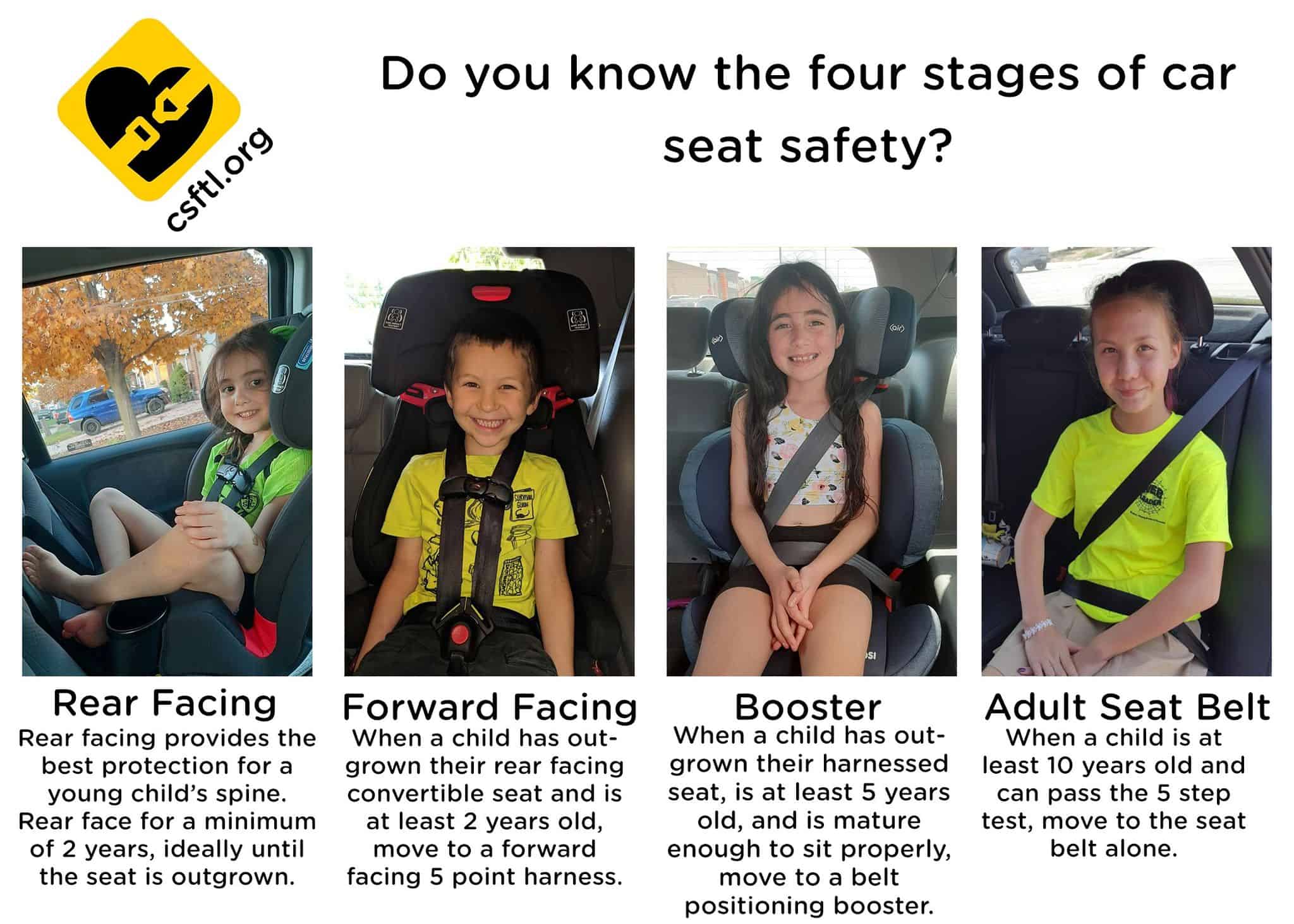
Credit: csftl.org
Convertible Car Seats
Convertible car seats offer flexibility and long-term use for parents. They adapt as your child grows, making them a cost-effective choice. These seats transition from rear-facing to forward-facing, accommodating different stages of child development. Understanding the stages can ensure your child’s safety and comfort.
Rear-facing Stage
In the rear-facing stage, the seat faces the back of the car. This position is the safest for infants and toddlers. It protects the head, neck, and spine in a crash. Most experts recommend keeping your child rear-facing until age two or longer. Check the seat’s weight and height limits for guidance.
Forward-facing Stage
Once your child outgrows the rear-facing stage, switch to forward-facing. In this position, the seat faces the front of the car. Use the harness system to secure your child. Forward-facing seats often support children up to 65 pounds. Always follow the manufacturer’s guidelines for weight and height.
Transitioning Guidelines
Transitioning between stages requires careful consideration. Never rush to move your child to the next stage. Safety should always be the priority. Ensure the car seat is properly installed at each stage. Check that harnesses fit snugly against your child. Regularly review the car seat manual for updates or recalls.
Booster Seats
Booster seats are an essential step in child car safety. They transition children from a car seat to a regular seat belt. Booster seats raise the child, ensuring the seat belt fits properly. This stage enhances safety during car rides.
Types Of Booster Seats
There are two main types of booster seats. High-back and backless. High-back boosters offer head and neck support. Ideal for cars without headrests. Backless boosters are more compact. They require car seatbacks with headrests.
Importance Of Seat Belt Fit
Proper seat belt fit is crucial for safety. The lap belt should lie snug across the upper thighs. Not the stomach. The shoulder belt should cross the chest. Never the neck or face. A correct fit prevents injuries during a crash.
Age And Weight Requirements
Children usually use booster seats from ages 4 to 12. Weight ranges from 40 to 100 pounds. Always check the booster seat’s manual. Ensure it meets your child’s size and weight. Using the right seat boosts safety.
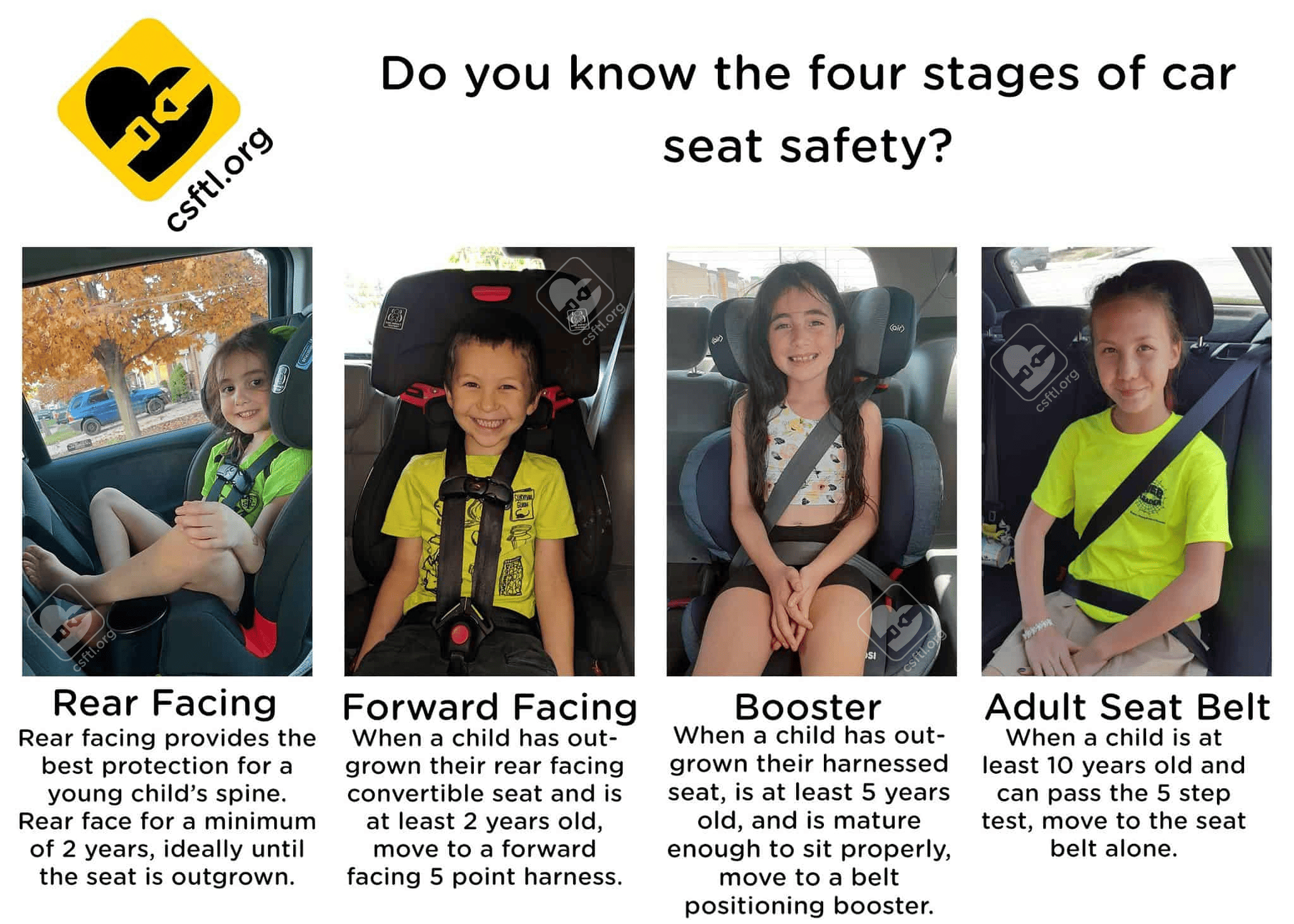
Credit: csftl.org
All-in-one Car Seats
All-in-One Car Seats provide a practical option for many parents. These seats adapt as children grow, eliminating the need to buy new seats. They offer seamless transitions between different car seat stages. From infant to booster, these seats accommodate each stage effortlessly. Their design promises convenience and cost-effectiveness over time.
Versatility And Longevity
All-in-One Car Seats shine in their versatility. They serve from birth to booster age. This longevity makes them appealing to parents aiming for long-term use. These seats adjust to various growth stages without needing replacements. Their ability to adapt ensures they remain relevant for years.
Installation Challenges
Installing All-in-One Car Seats can be tricky. Their multifunctional design sometimes complicates installation. Each mode might need a different setup. This can confuse parents unfamiliar with car seat installations. Reading the manual carefully helps avoid errors.
Safety Considerations
Safety remains paramount with All-in-One Car Seats. They meet safety standards across all stages. Regular checks ensure harnesses and straps remain secure. Proper installation is crucial for safety. Parents should prioritize understanding each mode for optimal protection.
Safety Tips For Each Stage
Ensuring the safety of your child in a car seat is crucial. Each car seat stage requires specific attention and safety measures. Understanding these tips can help protect your child effectively. Let’s explore how you can ensure maximum safety at each stage.
Proper Installation Techniques
Installing the car seat correctly is essential for safety. Use the car’s seat belt or LATCH system to secure the seat. Double-check the manufacturer’s instructions for the right setup. Make sure the seat doesn’t move more than an inch side-to-side or front-to-back.
Common Mistakes To Avoid
Avoid common errors like placing the seat in the wrong direction. Always adhere to age and weight guidelines. Do not use expired or broken car seats. Ensure harness straps are snug and positioned correctly. This helps prevent injury in case of a crash.
Regular Safety Checks
Regularly inspect the car seat for wear and tear. Check that the harness fits your child snugly. Ensure the seat is still properly secured in your vehicle. Verify the seat’s expiration date and replace if necessary. Regular checks ensure ongoing safety for your child.
Legal Requirements And Recommendations
Understanding car seat stages is crucial for child safety. Legal requirements and recommendations guide parents in choosing the right seat. They ensure children are protected according to their age and size. Each stage comes with specific laws and best practices. These aim to reduce risks during travel and enhance safety.
State And National Laws
Car seat laws differ across states. Each state has its own age, height, and weight guidelines. Compliance is mandatory, not optional. National standards provide a general framework. They recommend guidelines based on research and safety tests. Knowing both state and national laws helps parents make informed decisions.
Best Practices For Parents
Parents should prioritize the right seat for each stage. Rear-facing seats offer the best protection for infants. Transition to forward-facing seats as children grow. Booster seats are essential for older kids. Always check harness adjustments and seat placements. Regular inspections ensure the seat functions correctly. Following expert recommendations enhances child safety in vehicles.
Car Seat Accessories And Add-ons
Car seat accessories and add-ons can enhance the safety and comfort of your child’s travel experience. These extras provide convenience and can make trips more enjoyable for both parents and children. From organizers to mirrors, these accessories offer practical solutions. They cater to various needs, ensuring every journey is smooth and stress-free.
Recommended Accessories
Organizers help keep the car tidy and essentials within reach. They store toys, snacks, and wipes, reducing clutter. Seat protectors shield your car seats from spills and dirt. Mirrors allow you to keep an eye on your baby without turning around. They improve safety by letting you focus on the road. Sun shades prevent harsh sunlight from disturbing your little one. They make long drives comfortable and pleasant.
Safety Vs. Convenience
Balance between safety and convenience is crucial. Some accessories might seem helpful but can compromise safety. Large toys or mirrors that aren’t securely attached can be hazards. Always check if an accessory affects seat installation or usage. Prioritize safety features when choosing add-ons. Convenience is important but should never overshadow safety. Ensure every accessory is crash-tested and approved. Only then can you ensure your child’s safety and comfort.

Credit: www.madeformums.com
Frequently Asked Questions
What Are The Car Seat Stages?
Car seat stages refer to the phases of car seat usage based on a child’s age and size. These stages ensure safety during travel. Typically, the stages include rear-facing, forward-facing, booster seats, and seat belts. Each stage is crucial for protecting your child as they grow and develop.
When To Switch Car Seat Stages?
Switching car seat stages depends on a child’s weight, height, and age. Generally, you should move to the next stage when your child outgrows the current seat’s limits. Always check the car seat manufacturer’s guidelines for specific recommendations to ensure safety and compliance.
How Long Is Rear-facing Recommended?
Rear-facing is recommended until at least age two or until your child surpasses the seat’s weight and height limits. This position provides optimal protection for a child’s head, neck, and spine in case of a crash. It is considered the safest car seat stage for young children.
What Is The Purpose Of Booster Seats?
Booster seats help position the seat belt correctly over a child’s body. They are used when a child has outgrown forward-facing seats but is not yet large enough for a regular seat belt. This stage ensures the seat belt fits properly, enhancing safety during travel.
Conclusion
Understanding car seat stages keeps your child safe. Each stage matches your child’s growth. Start with a rear-facing seat. Then move to forward-facing. Next, choose a booster seat. Finally, your child can use the car’s seat belt. Safety guidelines help you pick the right seat.
Follow them carefully for peace of mind. Regularly check the seat’s fit. Make adjustments as your child grows. Prioritize safety over convenience. Each stage serves a purpose. Ensure your child’s safety on every trip. Safe travels begin with the right car seat choice.


