

How to Fasten Seat Belt in Car: Essential Safety Guide

Fastening your seat belt in the car is more than just a routine action—it’s a crucial step in ensuring your safety on the road. You might think it’s as simple as clicking a buckle, but doing it correctly can make all the difference in an emergency.
Imagine feeling the peace of mind knowing that you and your loved ones are as safe as possible while driving. That’s the kind of security you can’t put a price on. This article will guide you through the steps to fasten your seat belt properly, ensuring you can hit the road with confidence.
Keep reading to discover tips that could one day save your life.
Importance Of Seat Belts
Seat belts are crucial for safety in cars. Their importance cannot be overstated. They protect passengers from injury during accidents. Buckling up is a simple action with life-saving benefits.
Safety Benefits
Seat belts keep passengers secure in their seats. They reduce the risk of ejection during crashes. This protection lowers the chance of severe injuries. Wearing a seat belt can save lives. It can prevent fatalities in car accidents. Studies show seat belts cut injury risk by half.
Legal Requirements
Most countries mandate seat belt use. Laws vary, but the message is clear. Wearing seat belts is not just smart; it’s the law. Fines are imposed for not buckling up. Penalties enforce compliance and promote safety. Following these laws ensures protection for everyone.
Types Of Seat Belts
Seat belts come in various types, including three-point belts and lap belts. Fasten the seat belt by pulling it across your body and clicking the buckle securely. Adjust to ensure it’s snug, providing protection while driving.
Understanding the different types of seat belts can enhance your safety. Each type has unique features and offers varying levels of protection. Knowing which type you have can make fastening it easier and more effective.
Two-point Belts
Two-point belts are the simplest form. They cross the body at two points. Usually, they go over the lap. These belts are often found in older cars. They provide basic protection. Their simplicity makes them easy to use. But, they may not be as safe as other types.
Three-point Belts
Three-point belts are common in most modern cars. They cross the body at three points. Over the shoulder and lap. This design offers better protection. It helps during a sudden stop or crash. Three-point belts are easy to fasten. They combine convenience with safety.
Four-point Belts
Four-point belts are mostly in race cars. They offer high-level protection. These belts cross the body at four points. Two over the shoulders, two over the lap. They keep you secure in extreme conditions. Fastening them takes a bit more time. But the safety they provide is worth it.
Proper Seat Belt Positioning
Proper seat belt positioning ensures safety during car rides. A correctly positioned seat belt can save lives. It helps prevent injuries during sudden stops or collisions. Let’s explore the best ways to position your seat belt.
Lap Belt Position
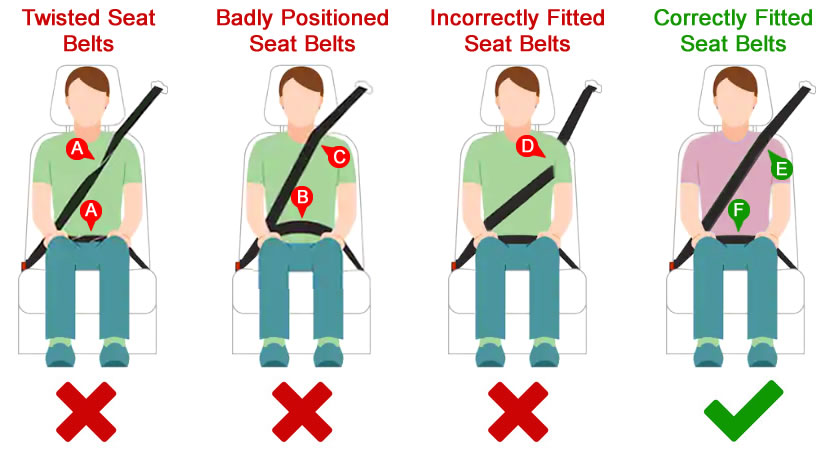
The lap belt should rest across your hips. Not your stomach. It helps reduce the risk of injury. Keep it snug but comfortable. Ensure it doesn’t dig into your skin. Adjust your seat if necessary for a better fit.
Shoulder Strap Placement
The shoulder strap should cross your chest. It should not touch your neck. It should lie between your shoulder and neck. Adjust the strap height to fit properly. This helps distribute force during a crash. Make sure it’s firm, not loose.
Step-by-step Guide
Fastening your seat belt is crucial for safety. Many drivers and passengers overlook it. This step-by-step guide will help you. Learn to fasten your seat belt correctly. Stay safe on every journey.
Adjusting The Seat
Before fastening your seat belt, adjust your seat. Make sure you can reach the pedals comfortably. Your back should rest against the seat. This ensures the belt fits properly.
Pulling The Belt
Locate the seat belt on your side. Pull it across your body slowly. Avoid twisting the belt. Ensure it lies flat against your chest.
Inserting The Buckle
Hold the metal part of the belt. Insert it into the buckle. Listen for a click sound. This indicates it’s locked securely.
Checking For Comfort
Once buckled, check the belt’s position. It should not press against your neck. Adjust if needed. The belt should feel snug but not tight.
Common Mistakes
Fastening a seat belt seems easy, but mistakes happen. Safety is important. A properly fastened seat belt can save lives. Many drivers and passengers make simple errors. These mistakes reduce safety. Understanding these errors is crucial.
Loose Straps
Loose straps are dangerous. Straps should be snug. Loose belts fail during accidents. Check the fit. Adjust as needed. Ensure the belt sits tightly. A snug belt offers better protection.
Improper Angle
Belt angle matters. The seat belt should cross your shoulder. If it crosses your neck, adjust it. Neck placement is unsafe. The belt should lay flat across your chest. This position provides the best safety.
Twisted Belts
Twisted belts are risky. They can cause injuries during a crash. Straighten the belt before use. Ensure it lays flat. A flat belt distributes force evenly. Twists can lead to pressure points. Check the belt each time.
Special Considerations
Ensure seat belts are securely fastened by pulling the strap across your body. Insert the metal buckle into the slot until it clicks. Adjust the strap to fit snugly, without twisting, for optimal safety.
In the realm of car safety, fastening seat belts properly is crucial. Some passengers require special considerations. Each passenger group has unique needs. Understanding these ensures safety for everyone. Let’s delve into these special considerations.
Pregnant Women
Pregnant women need extra care when buckling up. The lap belt should sit below the belly. It rests on the hip bones. The shoulder belt must cross the chest. It avoids putting pressure on the abdomen. Adjust the seat for comfort and safety. Keeping the seat upright helps. It reduces pressure on the baby.
Children’s Seat Belts
Children need correctly fitted seat belts. Use booster seats when necessary. The lap belt should rest on their thighs. The shoulder belt crosses their chest. It should not cut across the neck. Ensure the child sits upright. Avoid slouching for proper belt fit. Always check the fit before driving.
Elderly Passengers
Elderly passengers may need adjustments for comfort. Ensure the seat belt is snug but comfortable. Check that it doesn’t irritate sensitive skin. Consider seat belt cushions if needed. Adjust the seat for easy access. Ensure visibility and comfort. Make sure the belt doesn’t twist. It should lay flat across the body.
Maintaining Seat Belts
Fastening a seat belt is simple. First, pull the belt across your body. Then, insert the metal buckle into the slot until you hear a click. Adjust the belt so it’s snug and sits comfortably across your chest and lap.
Always ensure the belt is not twisted.
Maintaining seat belts ensures safety and prolongs their life. Regular care prevents wear and damage. You must pay attention to inspections, cleaning, and repairs. These steps help seat belts function properly. Safe driving relies on strong, reliable seat belts.
Regular Inspections
Inspect seat belts monthly for signs of wear. Check fabric for frays or cuts. Examine the buckle for functionality. Make sure it clicks securely. Inspect the anchor points for rust or damage. A damaged belt may not protect you in accidents. Early detection helps avoid safety risks.
Cleaning Tips
Clean seat belts to maintain their appearance. Use mild soap and warm water. Avoid harsh chemicals which can weaken fibers. Scrub gently with a soft brush. Rinse well to remove soap residue. Dry thoroughly to prevent mold. Clean regularly for a fresh, clean interior.
Repairing Damages
Repair damaged seat belts promptly. Replace frayed or cut belts. A weak belt may fail in an accident. Fix broken buckles immediately. Secure anchor points tightly. Professional repair ensures safety standards are met. Don’t delay repairs for your safety.
Emergency Situations
In emergency situations, knowing how to fasten and unfasten your seat belt swiftly is crucial. Whether facing a sudden road mishap or needing to exit the vehicle fast, being prepared can save lives. This section will guide you through some essential techniques for these critical moments.
Quick Release Techniques
Quick release is vital during emergencies. Familiarize yourself with the seat belt buckle’s position. Practice unbuckling it without looking. This habit can save time when every second counts. Feel the buckle with your fingers, and press the release button confidently. If the buckle jams, try pulling the strap slightly before pressing. Always ensure your seat belt is functioning properly to avoid complications.
Post-accident Safety
Post-accident safety is essential. After an accident, stay calm. Assess your surroundings. If your seat belt is stuck, use a seat belt cutter. Keep one within easy reach in your car. Try to unbuckle first before using tools. Check for injuries and ensure all passengers are safe. Exit the vehicle only when it’s safe to do so. Always call for help if needed. These steps can increase safety and reduce panic during such events.
Credit: www.ultimatedefensivedriving.us
Frequently Asked Questions
How Do I Properly Fasten My Seat Belt?
To properly fasten your seat belt, pull it across your body and insert the latch into the buckle. Ensure it’s snug without being uncomfortable. Adjust the shoulder strap so it rests across your chest, not your neck. Secure the lap belt low across your hips for optimal safety.
Why Is It Important To Fasten Seat Belts?
Fastening seat belts is crucial for safety. They protect occupants by reducing the risk of injury during collisions. Seat belts prevent you from being ejected from the vehicle. They also distribute the impact force across stronger parts of the body, minimizing potential harm.
Can Seat Belts Be Fastened Incorrectly?
Yes, seat belts can be fastened incorrectly. Common mistakes include placing the shoulder strap under the arm or behind the back. Another error is not securing the lap belt low on the hips. Incorrect fastening can reduce effectiveness and increase injury risk during accidents.
What Should I Do If My Seat Belt Is Stuck?
If your seat belt is stuck, try gently pulling and releasing it. Check for obstructions or tangles in the belt path. Ensure the buckle and latch aren’t jammed. If the issue persists, consult a professional for repairs to ensure proper functionality and safety.
Conclusion
Buckling up is a simple yet vital step in car safety. It protects you from serious injuries during accidents. Always ensure the seatbelt rests comfortably on your shoulder and lap. Adjust it if needed for a snug fit. A properly fastened seatbelt can make a big difference.
Don’t forget to check it before driving off. Safety on the road starts with you. Encourage others to buckle up too. It’s a small action with a huge impact. Stay safe. Drive smart. Remember, seatbelts save lives. Make it a habit every time you hit the road.


