


Do All Babies Have to Pass a Car Seat Test: Essential Guide

When you’re preparing to bring your little one home from the hospital, ensuring their safety is your top priority. You might have heard about the car seat test, a vital step for newborns, but do all babies really have to pass it?
This question could be lingering in your mind as you navigate the sea of parenting advice and hospital protocols. Understanding the importance and requirements of the car seat test can ease your anxiety and help you make informed decisions. Imagine leaving the hospital with the confidence that your baby is safely secured.
We’ll unravel the mysteries of the car seat test, showing you exactly what to expect and why it matters. Stick around to get the insights you need for this crucial part of your baby’s journey home.
Car Seat Test Basics
Understanding the car seat test is vital for new parents. It ensures the baby’s safety during car travel. Doctors often recommend it for premature babies. It checks if the baby can breathe well while sitting. Not all babies need this test, but many do. Knowing the basics helps parents feel prepared.
What Is A Car Seat Test?
The car seat test assesses a baby’s ability to breathe in a car seat. It usually lasts around 90 minutes. Doctors observe the baby’s breathing and heart rate. Premature babies are more likely to undergo this test. The goal is to ensure safe travel home from the hospital.
Why Premature Babies Often Need It
Premature babies have smaller bodies and weaker muscles. This can affect their breathing in a sitting position. The car seat test helps doctors ensure they can travel safely. It minimizes risk before leaving the hospital. Parents can feel more secure knowing their baby is safe.
What Happens During The Test?
During the test, the baby is placed in a car seat. Medical staff monitor the baby closely. They check for signs of distress or breathing issues. If the baby passes, parents can use the seat for travel. If not, doctors may suggest alternatives for safe transport.
Common Recommendations For Parents
Parents should choose a car seat suitable for their baby’s size. Ensuring proper fit is crucial for safety. Follow all guidelines for car seat installation. Ask medical staff any questions during the test. Being informed helps parents feel confident and prepared.
Purpose Of The Car Seat Test
Understanding the purpose of the car seat test is crucial for new parents. This test ensures a baby’s safety during car travel. It is a critical step before leaving the hospital. Not all babies require this test. It primarily focuses on those at risk. Let’s explore its purpose in detail.
What Is The Car Seat Test?
The car seat test checks if a baby can sit in a car seat safely. It monitors the baby’s breathing and heart rate. This test is vital for premature or low-birth-weight babies. It ensures they can handle a car seat’s positioning.
Why Is It Necessary?
Newborns are fragile, especially those born early. Their muscles and systems are still developing. The car seat test helps prevent breathing problems. It detects issues that could arise during car travel. Safety is the primary goal.
Who Needs The Test?
The test is usually for premature infants. Babies born before 37 weeks may need it. Low-birth-weight babies are also candidates. Each hospital may have different guidelines. Parents should check with their medical provider.
How Is The Test Conducted?
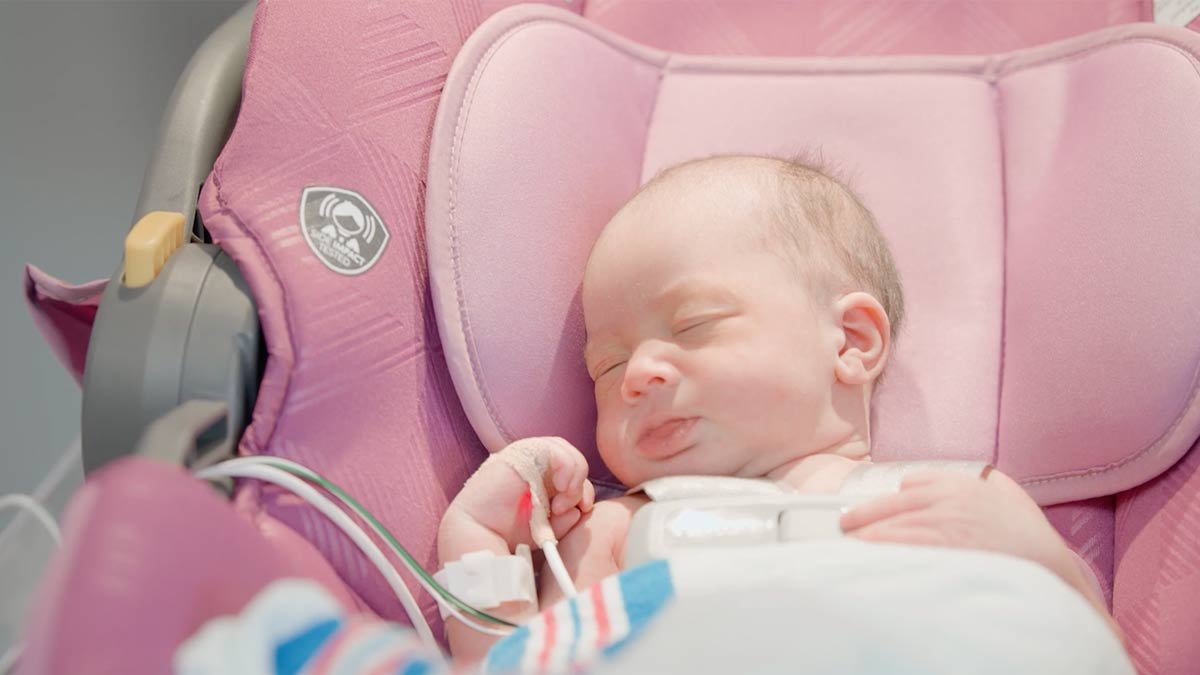
Babies sit in a car seat for 90 to 120 minutes. Medical staff monitor vital signs. They watch for any breathing issues. The test takes place in a hospital setting. It ensures the baby is ready for car travel.
What Happens If A Baby Fails?
If a baby fails, further testing is done. Medical staff assess the baby’s health. They might suggest alternative travel arrangements. Sometimes, a special car bed is recommended. The main aim is the baby’s safety.
Who Needs To Take The Test
Not every baby requires a car seat test. Specific groups need it more. This test ensures babies can safely travel in a car seat. Doctors check if the baby can breathe properly. They also check heart rate while in a car seat.
This test is vital for some babies. It ensures they are ready for safe travel. Safety is the top priority for every parent.
Premature Babies
Premature babies often need this test. Their development differs from full-term babies. Premature babies may have weaker muscles. They might struggle to keep their heads upright. The car seat test checks their readiness.
This test helps doctors see any breathing issues. It’s crucial for the health of premature infants. It ensures they are ready for travel.
Low Birth Weight Infants
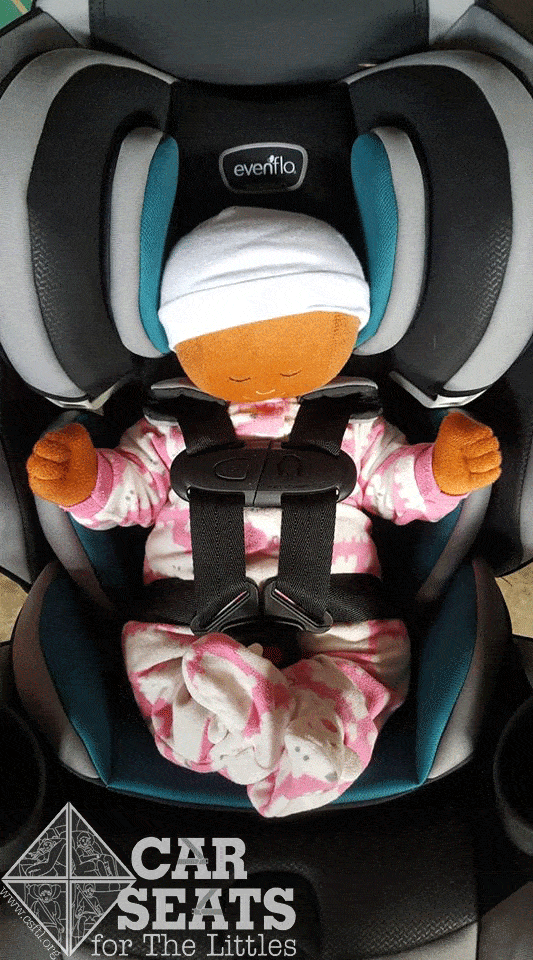
Babies with low birth weight also need this test. These infants may face additional challenges. Their size can affect how they fit in a car seat. The test ensures they can breathe and stay comfortable.
Low birth weight can lead to health concerns. This test helps address those concerns. It ensures that these infants are safe while traveling.
Credit: csftl.org
Testing Process
The car seat test is a vital step for newborns. It ensures they can safely travel home from the hospital. Not all babies undergo this test. But it is crucial for those born prematurely or with health issues.
Duration And Conditions
The test usually lasts 90 to 120 minutes. It mimics a typical car ride. Babies sit in a car seat during this time. The seat must match the baby’s size and weight. The hospital sets specific conditions. These include the baby’s position and the angle of the seat. The temperature in the room is also controlled.
Monitoring And Assessment
Healthcare professionals monitor the baby closely. They check the baby’s breathing and heart rate. Any signs of distress are noted. The baby’s oxygen levels are measured. This data helps ensure the baby’s safety in a car seat. Results determine if the baby can travel home safely. If issues arise, further tests or support may be needed.
Common Reasons For Failure
Ensuring the safety of newborns during car travel is crucial. Many hospitals require babies to pass a car seat test before discharge. This test checks if a baby can safely sit in a car seat without health risks. Some newborns struggle with this test due to various reasons. Understanding these common reasons helps parents prepare and ensure their baby’s well-being.
Breathing Issues
Breathing issues are a primary concern during car seat tests. Babies need to maintain normal breathing while in a seated position. The position can sometimes cause breathing difficulties. If a baby shows signs of distress or irregular breathing, they may fail the test. Parents should monitor signs of labored breathing in their newborns. Seek advice from healthcare professionals if needed.
Heart Rate Concerns
Heart rate is another critical aspect monitored during the test. Babies must maintain a stable heart rate while seated. A sudden increase or decrease can be concerning. This might indicate discomfort or stress in the baby. Proper positioning and comfort are essential to avoid heart rate issues. Parents should ensure the car seat fits well and is properly installed.
Credit: health.osu.edu
What Happens After Failure
Babies must pass a car seat test before leaving the hospital. This test ensures they can breathe safely in their seat. But what happens if they don’t pass? Families often feel stressed and worried. This can lead to anxiety about their baby’s health. Let’s explore the next steps after a failed test.
Alternative Solutions
Hospitals offer several options if a baby fails the test. Some recommend using a car bed. A car bed allows the baby to lie flat. This can help with breathing issues. Another option is a different car seat model. Some seats have better support for small infants. This can improve the baby’s breathing.
Re-testing Procedures
Babies usually get a chance to retake the test. The hospital will schedule another test. This happens after a few days or weeks. During this time, the baby may grow stronger. Parents can prepare by practicing safe car seat use at home. Follow guidelines from the hospital staff. This can increase the chances of passing the retest.
Preparing For The Test
Preparing for a baby’s car seat test can be a stressful time for parents. Ensuring your baby is comfortable and safe is crucial. Many hospitals require a car seat test before discharge. This checks if your baby can maintain a safe posture in the seat. It is essential to be well-prepared. Selecting the right car seat and following expert tips can ease the process.
Choosing The Right Car Seat
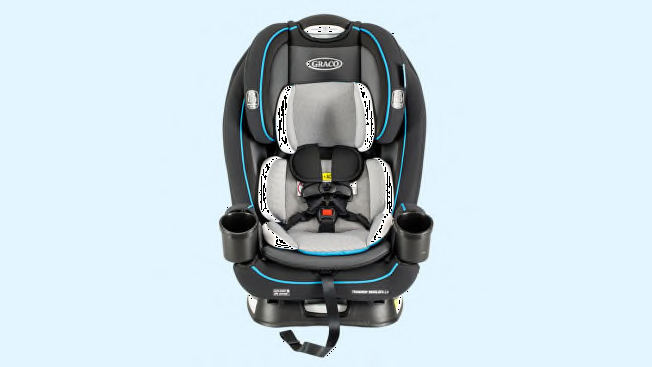
Start with the right car seat. Choose one that fits your baby’s weight and height. Ensure it meets safety standards. Always check for recalls. A well-fitted seat can make the test smoother. Look for seats with adjustable straps. These offer better support. Consider seats with extra padding. This adds comfort for your baby during the test.
Tips For Success
Prepare in advance for a successful car seat test. Practice placing your baby in the seat before the test. Ensure their head and neck are well-supported. Keep them calm by using soothing sounds or toys. Dress your baby in comfortable clothes. Avoid bulky outfits. They can affect the fit of the straps. Follow all hospital guidelines. This ensures your baby passes the test easily.
Importance Of The Car Seat Test
The car seat test is crucial for newborns. It ensures their safety during travel. Hospitals conduct these tests before discharge. They check if the baby can breathe well in the car seat. This test is vital for premature and low-weight babies. It helps prevent breathing issues.
Why The Car Seat Test Matters
Babies are fragile. Their safety is a priority. The car seat test checks posture. It ensures the baby’s head stays upright. This prevents airway blockage. Breath monitoring is key. Hospitals observe the baby for signs of distress. It’s a safety measure.
Preventing Breathing Issues
Breathing is crucial for babies. The test detects breathing problems early. Babies must maintain oxygen levels. The test identifies any drops. It helps caregivers address issues immediately. Proper seating can prevent breathing difficulties. Adjustments are made based on test results.
Ensuring Proper Car Seat Fit
Car seat fit is important. A snug fit keeps the baby secure. The test ensures the seat supports the baby. It checks if the straps are tight enough. Loose straps can be dangerous. Proper fit prevents movement during travel. It ensures the baby stays safe.
Helping Parents Understand Safety
Parents learn about car seat safety during the test. They understand the importance of a proper fit. Instructions are provided for correct installation. Parents feel more confident. They know their baby is safe. This knowledge is empowering.
Credit: www.consumerreports.org
Frequently Asked Questions
Do All Newborns Need A Car Seat Test?
Not all newborns are required to pass a car seat test. It is mainly for premature or low-birth-weight babies. Hospitals conduct this test to ensure that the baby’s breathing and oxygen levels remain stable in a car seat.
Why Do Hospitals Perform Car Seat Tests?
Hospitals perform car seat tests to ensure a newborn’s safety during travel. The test checks the baby’s ability to maintain normal breathing and oxygen levels while in a car seat. This is especially crucial for premature or low-birth-weight infants.
How Long Does A Car Seat Test Take?
A typical car seat test lasts between 90 to 120 minutes. During this time, the baby’s breathing, heart rate, and oxygen levels are monitored. The test ensures the baby can safely travel in a car seat without any health concerns.
What Happens If A Baby Fails The Car Seat Test?
If a baby fails the car seat test, the hospital will provide guidance and alternative solutions. They may suggest using a car bed or repeating the test after some time. The priority is ensuring the baby’s safety during car travel.
Conclusion
Car seat tests are important for newborns’ safety. Hospitals aim to ensure that babies can travel safely. Parents should understand the test requirements. These tests check if babies can sit securely in car seats. Not all babies need this test, but it’s crucial for preterm and small infants.
Always consult your hospital or pediatrician for specific guidance. Knowing the rules helps parents feel prepared. Ensuring your baby’s safety on the road is vital. Remember to follow car seat guidelines and keep your baby secure. Safe travels with your little one!


