


How to Dry a Wet Car Seat: Quick and Easy Tips

You’ve just parked your car after a rain-soaked drive, only to find your seat is drenched. It’s frustrating, isn’t it?
Wet car seats aren’t just uncomfortable; they can lead to unpleasant odors and even mold growth if not properly dried. But don’t worry, you’re not alone, and there’s a simple solution. Imagine the satisfaction of a dry, fresh-smelling car seat, waiting for you after a long day.
In this guide, you’ll discover easy steps to dry your car seat quickly and effectively. Say goodbye to soggy seats and hello to comfort! Stick around, because the solution might just be easier than you think.

Credit: www.youtube.com
Assessing The Damage
Before you dry a wet car seat, check the damage first. Understanding the extent of the water damage helps in choosing the right approach. Not all wet seats are the same. Some might need more attention than others. Assess the situation carefully to prevent further damage.
Check The Material Of The Seat
Identify if your car seat is leather, fabric, or vinyl. Each material requires different handling. Leather can shrink or crack if not dried properly. Fabric can soak up a lot of water. Vinyl is generally more water-resistant, but still needs care. Knowing the material helps in deciding the drying method.
Inspect For Stains And Smells
Look for any stains left by the water. Smell the seat for any musty odors. These signs indicate water has penetrated deeply. Stains and smells can be tricky. They may need special cleaning solutions.
Determine The Source Of Water
Identify where the water came from. Rain, spilled drinks, or flooding are common sources. Understanding the source helps in assessing any additional issues. For example, rain may have brought in dirt. Spilled drinks might leave sticky residues.
Check For Mold Growth
Look closely for any signs of mold. Mold can develop quickly in wet conditions. It appears as green or black spots. Mold can cause health issues and damage the seat further. If mold is present, immediate action is necessary.
Evaluate The Seat’s Padding
Press down on the seat to check the padding. Wet padding takes longer to dry and may need special attention. If the padding feels soggy, consider removing it for faster drying. Proper evaluation prevents long-term damage to your car seat.
Gathering Necessary Supplies
Drying a wet car seat requires the right supplies. Proper tools ensure effective results. Gather everything needed before starting the process. It saves time and effort. Let’s dive into what you’ll need.
1. Vacuum Cleaner
A vacuum cleaner is essential. It sucks out excess water. Use one with a wet/dry function. It helps in removing moisture efficiently.
2. Absorbent Towels
Absorbent towels are crucial. They help soak up water. Microfiber towels work best. They are soft and absorbent.
3. Baking Soda
Baking soda is a helpful supply. It absorbs moisture and odor. Sprinkle it generously on the wet area.
4. Hair Dryer Or Fan
A hair dryer speeds up drying. Use it on a low setting. A fan can also help. It circulates air and aids evaporation.
5. Upholstery Cleaner
An upholstery cleaner is important. It removes stains and dirt. Choose a gentle formula. It protects the seat material.
6. Soft Brush
A soft brush is useful. It loosens dirt and debris. Use it with the cleaner. It ensures a thorough clean.
7. Protective Gloves
Protective gloves keep your hands safe. Use them when handling cleaners. They prevent skin irritation.
Having these supplies ready makes the drying process seamless. You’re now equipped to tackle a wet car seat.
Initial Blotting Techniques
Encountering a wet car seat can be frustrating. Immediate action is key. Initial blotting techniques help to absorb excess moisture. Quick response prevents further damage and stains. Here’s how you can effectively start drying your car seat.
Step 1: Gather Your Materials
Gather clean, absorbent towels or microfiber cloths. Ensure they are dry and ready for use. These materials will soak up most of the moisture.
Step 2: Blot, Don’t Rub
Press the towel firmly against the wet area. Blotting lifts water without spreading it. Avoid rubbing, which can damage fabric fibers.
Step 3: Use Multiple Towels
Switch to a fresh towel once the first gets damp. Using several towels increases absorption efficiency. This speeds up the drying process significantly.
Step 4: Apply Pressure
Apply gentle pressure while blotting. This helps to squeeze out water trapped inside. Be thorough but gentle to avoid any damage.
Step 5: Check For Remaining Moisture
After initial blotting, feel the seat with your hand. Check for any remaining dampness. Repeat blotting if necessary to ensure dryness.
These initial techniques set the foundation for further drying. Thorough blotting significantly reduces drying time. It also minimizes potential for mold and odors.
Credit: www.twotwentyone.net
Using Absorbent Materials
Dealing with a wet car seat can be frustrating. Using absorbent materials is a great way to tackle the problem. These materials help soak up water quickly and efficiently. You can use common household items like towels, cloths, sponges, and pads. This method is straightforward and effective for drying seats.
Towels And Cloths
Start by using towels or cloths to absorb moisture. Choose thick, absorbent towels for best results. Press them firmly against the wet seat. This helps to soak up water. You can use multiple towels for larger areas. Replace wet towels with dry ones as needed. Cloths can also be used for smaller spots.
Sponges And Pads
Sponges work well for soaking up water. Use a large sponge to cover more area. Press the sponge onto the seat to absorb moisture. You can squeeze the sponge out and repeat. Absorbent pads are another option. These pads are designed for soaking up liquids. Simply place them on the wet area and let them work.
Applying Heat Methods
Drying a wet car seat is crucial to prevent mold and odors. Heat methods are effective and accessible. These techniques speed up drying and ensure the seat remains fresh. Let’s explore some simple ways to apply heat and dry your seat efficiently.
Using A Hair Dryer
A hair dryer is a handy tool for drying car seats. Direct the dryer at the wet areas. Keep it at a safe distance to avoid damaging the seat fabric. Use a low heat setting to protect the material. Move the dryer around to cover all wet spots evenly. This method is quick and effective for small wet patches.
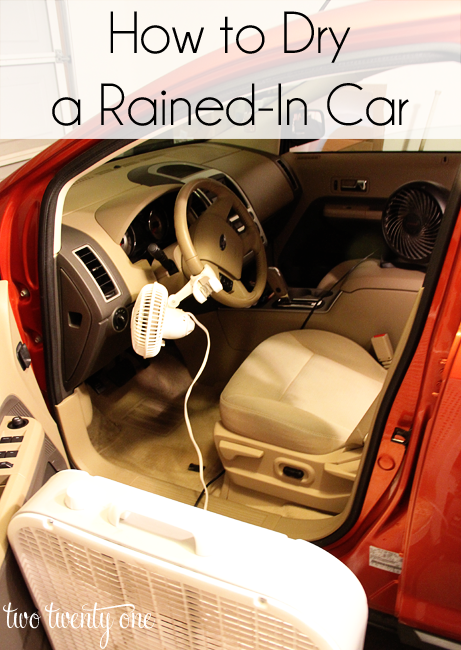
Setting Up Fans
Fans provide a gentle way to dry car seats. Position a fan near the seat to allow air circulation. Make sure the fan is set to the highest speed. This helps increase the airflow and speeds up drying. Use multiple fans for faster results. Ensure the car windows are open to enhance air movement. This method is ideal for larger wet areas on the seat.
Utilizing Dehumidifiers
Dehumidifiers are effective tools for drying wet car seats. They remove moisture quickly, preventing mold and odors. Place the dehumidifier inside the car, close doors and windows, and let it work for a few hours. This method ensures a dry and fresh seat without hassle.
Utilizing dehumidifiers can be an effective way to dry wet car seats. These devices pull moisture from the air, speeding up the drying process. Ensuring your car seats dry properly prevents mold and unpleasant odors. Follow these steps to use dehumidifiers efficiently.Position The Dehumidifier Strategically
Place the dehumidifier close to the wet car seat. This maximizes its efficiency in extracting moisture. Ensure it’s in a stable position to avoid tipping over. Direct the airflow towards the damp areas.Choose The Right Size
Select a dehumidifier suited for car interiors. A compact unit works well in tight spaces. Larger models may be excessive and cumbersome. Check the specifications for optimal use.Monitor Humidity Levels
Keep an eye on humidity levels inside the car. Many dehumidifiers have built-in sensors. Adjust settings as needed to maintain a dry environment. This helps avoid over-drying and damage to fabrics.Ensure Proper Ventilation
While the dehumidifier runs, ensure the car is well-ventilated. Crack windows slightly to improve airflow. This aids in moisture removal and prevents stuffiness. It’s crucial for maintaining air quality.Regularly Empty The Water Tank
Dehumidifiers collect moisture in a water tank. Regularly empty the tank to prevent overflow. This keeps the device running efficiently. Follow the manufacturer’s instructions for safe disposal.Employing Specialized Products
Employing specialized products can make drying wet car seats easier. These products target moisture and help in quick drying. They are designed specifically for car interiors, ensuring effectiveness.
Moisture Absorbers
Moisture absorbers are handy tools for drying wet car seats. These products pull in excess moisture from the fabric. They are usually small packets filled with absorbent materials. Place them directly on the wet seat for best results. They work quietly, absorbing water without any fuss. Many are reusable, making them cost-effective.
Car Seat Drying Sprays
Car seat drying sprays help in fast moisture removal. These sprays are formulated to lift water from fabric fibers. Spray directly on the wet areas for optimal drying. They often come with easy-to-use spray bottles. Choose sprays that are safe for your car’s upholstery. Some sprays also offer a fresh scent, adding a pleasant aroma.
Preventing Future Wetness
Drying a wet car seat requires quick action to prevent mildew. Use a towel to soak up excess moisture. Then, place a fan nearby to speed up drying. For deeper wetness, sprinkle baking soda to absorb dampness and vacuum it after a few hours.
Preventing future wetness in your car seats is essential. It saves time and money on repairs. You also maintain the comfort and value of your vehicle. Simple steps can keep your car seats dry. Let’s explore some effective methods.Waterproof Covers
Waterproof covers protect your seats from spills and stains. They act as a barrier against moisture. Look for covers made of durable materials. They should be easy to clean and maintain. Choose a design that fits your car seats snugly. This ensures maximum protection. Waterproof covers are available in various colors and styles. You can find one that matches your car’s interior. Using these covers is a smart investment. It keeps your seats in good condition for years.Regular Maintenance
Regular maintenance helps keep your car seats dry. Vacuum your seats often to remove dirt and debris. This prevents them from trapping moisture. Check your car’s windows and doors for leaks. Fix any issues promptly to avoid water damage. Use dehumidifiers in your car during rainy seasons. They help absorb excess moisture from the air. Regularly inspect your seat covers for wear and tear. Replace them when necessary to ensure ongoing protection. Simple maintenance tasks can make a big difference. They keep your car seats dry and comfortable.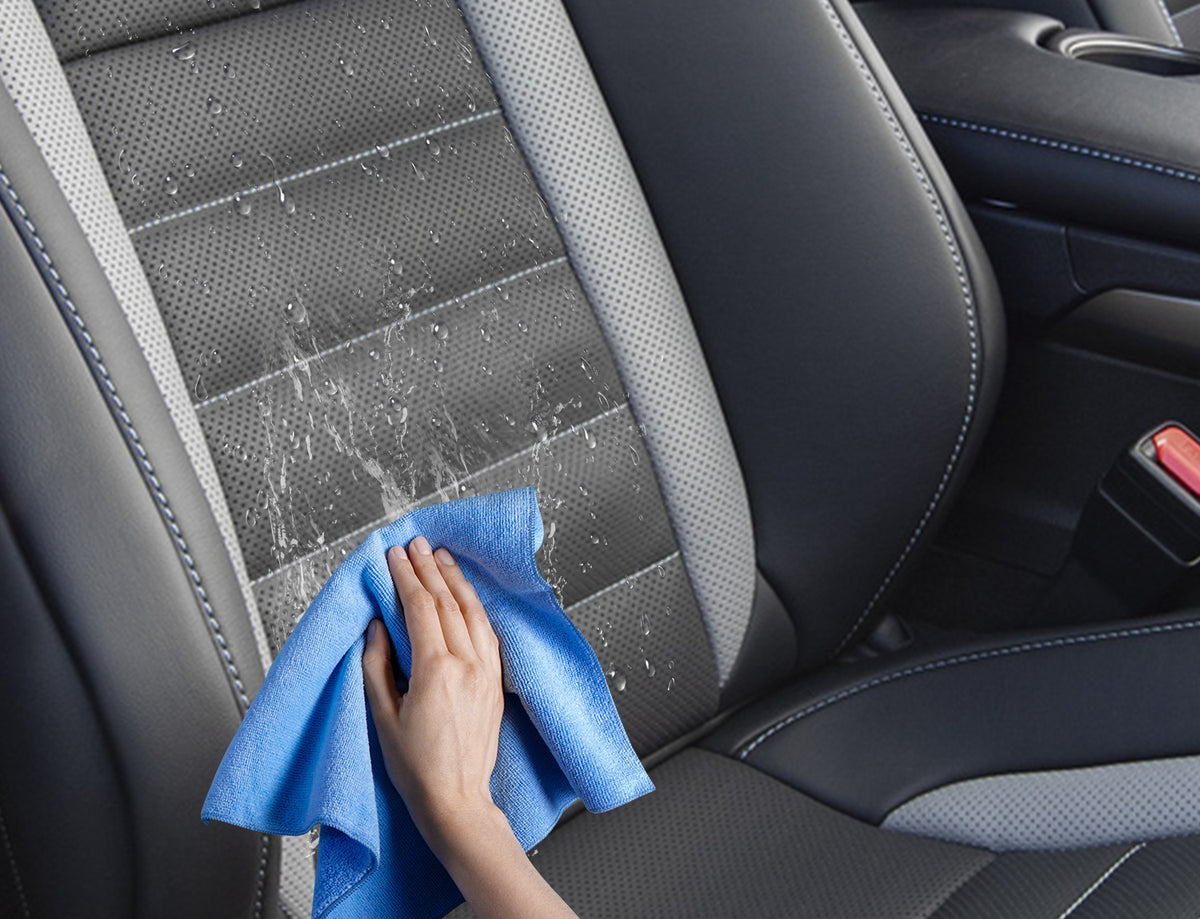
Credit: jovikids.com
Frequently Asked Questions
How Can I Dry My Car Seat Quickly?
To dry your car seat quickly, use a wet/dry vacuum to remove excess moisture. Then, position a fan or heater to blow warm air over the seat. This speeds up the drying process. For stubborn moisture, sprinkle baking soda to absorb dampness, then vacuum it up.
What Household Items Can Dry Car Seats?
Household items like a wet/dry vacuum, fans, and hairdryers are effective. Baking soda helps absorb moisture. Towels can blot excess water. Ensure good airflow by opening windows. These items make drying quicker and easier without needing specialized equipment.
Can Sunlight Damage Wet Car Seats?
Sunlight helps dry seats but prolonged exposure can damage fabrics. It may cause fading or cracking over time. Limit direct sunlight exposure to prevent damage. Instead, use a fan or heater to safely dry seats indoors, ensuring protection from harmful UV rays.
How Do I Prevent Mold On Wet Car Seats?
To prevent mold, dry seats promptly using a fan or vacuum. Ensure car interiors are well-ventilated. Use silica gel packets to absorb moisture. Regularly check for dampness and clean seats with an antimicrobial cleaner to prevent mold growth effectively.
Conclusion
Drying a wet car seat is simple with the right steps. Begin by soaking up excess water with towels. Use a vacuum for deeper moisture. Consider a fan or hairdryer for quicker drying. Baking soda helps absorb any lingering moisture.
Check for dampness after a few hours. Repeat steps if needed. Regular checks prevent mold. Keep car windows open when possible. This ensures faster drying. Follow these tips to keep your car seats fresh and dry. Enjoy a comfortable ride without worry.


