


What is the Weight Limit for an Infant Car Seat: Key Facts

You’re preparing for one of the most exciting chapters of your life—welcoming your new baby into the world. With all the joy and anticipation, comes the responsibility to ensure your little one’s safety.
As a parent, you want nothing but the best protection for your child, especially when it comes to car travel. That’s where the infant car seat plays a crucial role. But how do you know if you’re choosing the right one?
What is the weight limit for an infant car seat, and why does it matter to you? Dive into this article to uncover everything you need to know about infant car seat safety. Understanding these key details not only helps you make informed decisions but also gives you peace of mind, knowing your baby is securely protected. Discover the essentials that every parent should be aware of, and ensure your child’s safety from the very first ride home.
Importance Of Infant Car Seat Weight Limits
Understanding the weight limits of infant car seats is crucial. It ensures your child’s safety while traveling. Car seats are designed to protect babies during a ride. Exceeding weight limits might compromise their safety.
Every car seat has specific weight guidelines. These guidelines help parents choose the right seat for their child. A seat that fits well offers better protection. Knowing these limits can prevent accidents.
Why Weight Limits Matter
Weight limits ensure the seat can support your child safely. If a child is too heavy, the seat may not work properly. This can increase the risk of injury during a crash.
How Weight Limits Affect Safety
Safety features in car seats rely on weight limits. These features are tested with specific weights. Using a seat outside its weight range can affect its performance. Always check the weight limit before use.
Choosing The Right Car Seat
Parents must choose a seat based on their child’s weight. This ensures a snug fit and optimal safety. Check labels and manuals for weight guidelines. Keep your child safe by following these limits.
Regular Checks And Updates
Children grow quickly, and their weight changes often. Regularly check the car seat’s weight limit. Update the seat as needed to match your child’s growth. Safety is a continuous process.

Credit: safety1st.com
Standard Weight Limits
Choosing the right infant car seat involves understanding weight limits. Each car seat has specific guidelines. These ensure your baby’s safety. Knowing these limits helps you make informed decisions.
Understanding Standard Weight Limits
Most infant car seats come with standard weight ranges. Typically, they support babies from 4 to 35 pounds. This range accommodates newborns and young infants. Ensuring your baby’s weight falls within this range is crucial.
Why Weight Limits Matter
Weight limits keep your baby safe while traveling. Exceeding the limit can compromise the seat’s safety features. It’s essential to check your baby’s weight regularly. This ensures the car seat continues to protect effectively.
How To Check Your Car Seat’s Weight Limit
Check the label on your car seat for weight details. The manual also provides this information. Always follow the manufacturer’s guidelines. This ensures maximum safety for your child.
Adjusting As Your Baby Grows
Babies grow quickly. Their weight changes rapidly. Regularly assessing their fit in the car seat is important. Consider upgrading the seat as needed.
Factors Influencing Weight Limits
Infant car seats are crucial for keeping babies safe in vehicles. Understanding weight limits is essential for choosing the right seat. Several factors influence these limits, ensuring maximum safety for infants.
Design And Materials
The design of a car seat affects its weight limit. Each seat is crafted with specific features. These features determine how much weight it can safely hold. Strong frames increase the weight capacity. Lightweight materials may offer less support. Quality fabrics ensure comfort without compromising strength.
Materials play a vital role in determining weight limits. Durable materials can support higher weights. Manufacturers select materials based on safety tests. The right combination of materials boosts safety. It also offers better protection during travel.
Safety Regulations
Safety regulations are strict and vital. They guide manufacturers in setting weight limits. Regulations ensure each car seat meets safety standards. These standards protect infants during car rides. Authorities frequently update these rules. Updated rules improve overall safety.
Compliance with regulations is mandatory. Manufacturers follow guidelines to ensure safety. These guidelines consider several factors. Infant growth rates and average sizes are considered. Following regulations ensures maximum protection for babies.
Credit: www.gracobaby.com
Types Of Infant Car Seats
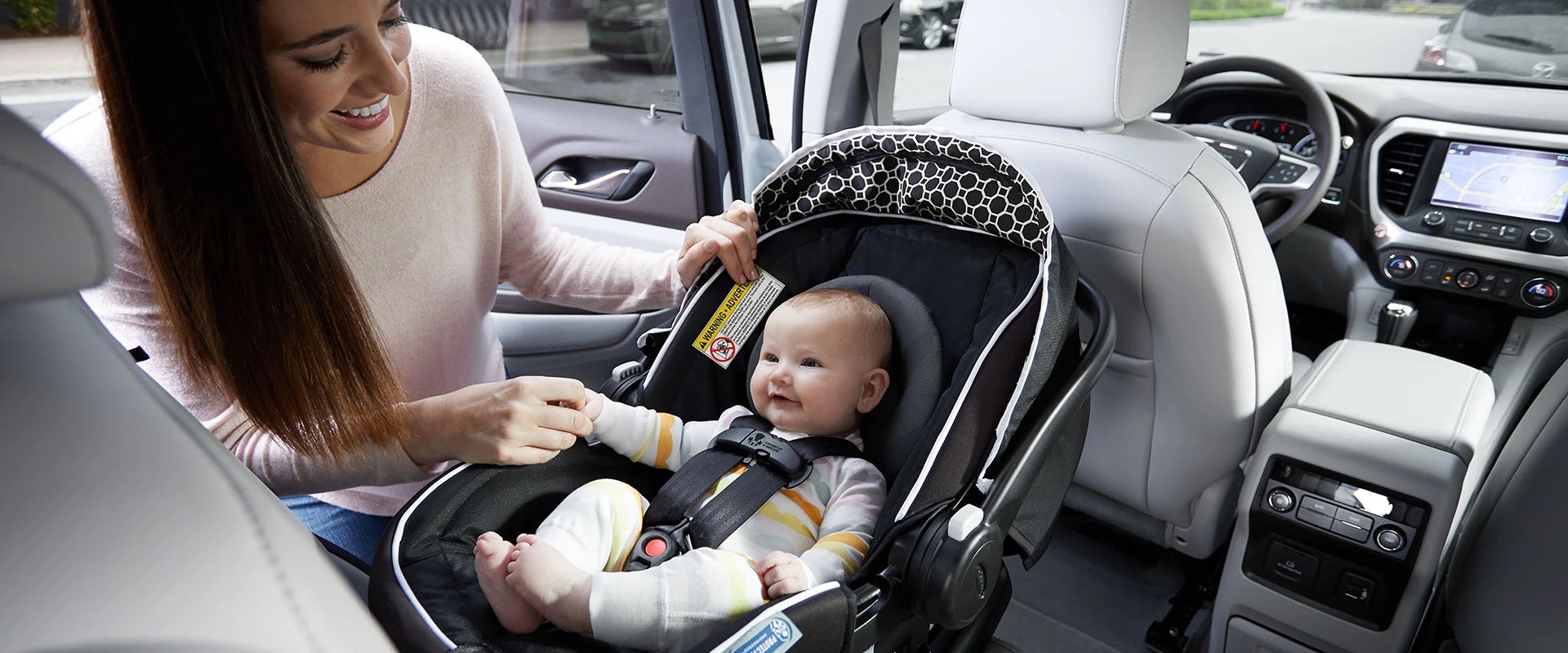
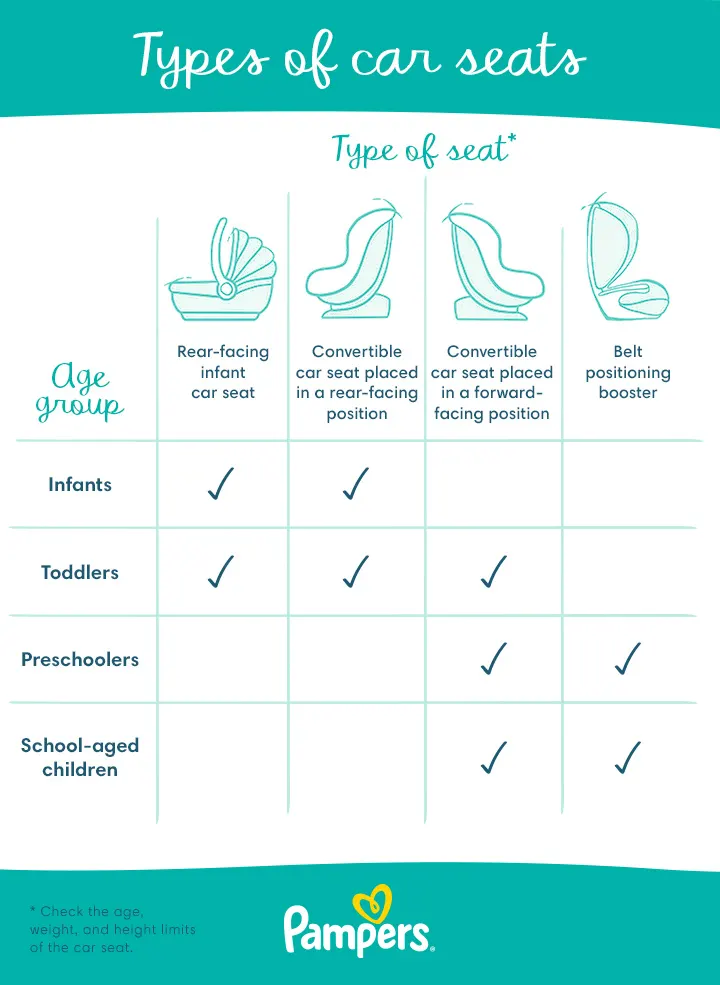
Choosing the right infant car seat ensures your baby’s safety during travel. There are different types of car seats for infants. Each has unique features and weight limits. Understanding these options helps in making an informed choice.
Rear-facing Seats
Rear-facing seats are designed for the youngest passengers. These seats provide excellent support for your baby’s head and neck. They typically accommodate infants weighing up to 22 to 35 pounds. This type is crucial for babies under two years of age.
Rear-facing seats offer maximum protection in a crash. They distribute impact forces across the back. Keep your baby in a rear-facing seat as long as possible. It’s the safest position for little ones.
Convertible Seats
Convertible seats grow with your child. They can be used as rear-facing for infants and later turned forward-facing. These seats have a higher weight limit, often up to 40 or 50 pounds. This makes them a cost-effective choice for long-term use.
Convertible seats are versatile and durable. They provide safety for toddlers who exceed the rear-facing weight limit. Transitioning from rear to forward-facing is simple. This flexibility makes convertible seats popular among parents.
Safety Considerations
Ensuring the safety of an infant in a car seat is crucial. Many parents worry about the weight limit. But understanding safety considerations is essential. Proper installation and harness adjustments play key roles. Let’s delve deeper into these aspects.
Proper Installation
Correct installation ensures the car seat functions as intended. Always follow the manufacturer’s instructions. Use the vehicle’s seat belt or LATCH system. Ensure the seat doesn’t move more than an inch. Check the angle of the car seat. It should be reclined enough to support the baby’s head. A recline indicator can assist with this. Regularly check for recalls on your car seat model.
Harness Adjustments
A properly adjusted harness keeps the baby safe and secure. The harness should be snug. You shouldn’t pinch any harness fabric. Position the chest clip at armpit level. This prevents the baby from slipping out. Adjust the harness as your baby grows. Regularly check the fit, especially in winter when clothing layers change. Always refer to the car seat manual for guidance.
Transitioning To The Next Seat
Understanding the weight limit for infant car seats is crucial for child safety. Most car seats accommodate infants up to 30 pounds. Check your car seat’s specific guidelines to ensure safe and comfortable transitions.
Transitioning from an infant car seat to the next stage is crucial. As your baby grows, safety needs change too. Knowing the right time for this shift ensures your child’s comfort and security. Let’s explore the signs that show your little one is ready for the next seat. We’ll also discuss how to choose the right upgrade for your growing child.Signs Your Child Is Ready
Babies grow quickly. Their height and weight can surpass the infant seat limits. Watch for these signs to see if it’s time for a change. If your baby’s head reaches the top of the seat, it’s time to switch. Another sign is if your child’s shoulders are above the top harness slots. A snug fit is necessary for safety. When these limits are exceeded, your baby needs more space. The weight limit is equally important. Infant seats usually support up to 22 pounds. If your child is heavier, it’s time to upgrade. Always check the seat’s manual for specific weight and height guidelines. Keeping track of your child’s growth helps ensure timely transitions.Choosing The Right Upgrade
Selecting the next car seat requires careful thought. Convertible car seats are a popular choice. They adjust from rear-facing to forward-facing. This flexibility suits growing children. Ensure the seat fits your car well. Some seats are bulkier than others. Check installation ease and space requirements. Safety should be your top priority. Look for seats with strong side-impact protection. Five-point harness systems offer enhanced security. Consider your child’s comfort too. Soft padding and adjustable headrests provide a cozy ride. Research different models. Read reviews from other parents. They offer valuable insights into real-world use. Ensure the new seat meets all safety standards. The National Highway Traffic Safety Administration provides valuable guidelines. Keep these factors in mind as you select the next car seat. Your child’s safety and comfort depend on it.Common Myths
When choosing an infant car seat, many myths cause confusion. Parents often hear conflicting advice, making decisions harder. Understanding these myths helps in making informed choices. Let’s explore some common myths about infant car seats.
Misconceptions About Expiry Dates
Many parents think car seats last forever. This belief is false. Car seats have expiry dates for safety reasons. Materials degrade over time, affecting performance. Check the expiry date on your car seat. It ensures your child’s safety on the road.
Weight Limit Misunderstandings
Weight limits on car seats often confuse parents. Some believe a higher weight limit means better safety. This is not always true. Each car seat has a specific weight range. Use the seat only within this range for safety. Following guidelines ensures proper protection for your child.
Credit: www.pampers.com
Tips For Parents
As a parent, ensuring the safety of your baby is a top priority. Understanding the weight limits of an infant car seat is crucial. But knowing the limits isn’t enough. You also need practical tips to guarantee your child’s safety during every ride.
Ensuring A Safe Fit
A proper fit is vital for your baby’s safety in the car seat. Always check the harness straps. They should be snug and lie flat against your baby’s body. The chest clip must be at armpit level. This ensures the best protection in case of sudden stops.
Never use bulky clothing under the harness. It can prevent a snug fit. Instead, place a blanket over the harness to keep your baby warm.
Regular Inspections
Regular inspections of the car seat are essential. Check for wear and tear frequently. Make sure all parts are functioning properly. Inspect the seat for cracks or damage. If the seat has expired, replace it immediately.
Also, check the car seat installation. Ensure it is tightly secured. The base should not move more than an inch from side to side.
Frequently Asked Questions
What Is The Standard Weight Limit For Infant Car Seats?
Most infant car seats have a weight limit ranging from 22 to 35 pounds. This limit ensures safety during travel. It’s crucial to check the manufacturer’s guidelines for specific weight limits. Always follow these guidelines to ensure your baby’s safety.
Can Infant Car Seats Accommodate Heavier Babies?
Yes, some infant car seats are designed for heavier babies. These models can accommodate up to 35 pounds. Always check the seat’s specifications before purchase. Choosing the right car seat ensures optimal safety and comfort for your baby.
How Do I Know If My Baby Outgrew The Car Seat?
Check the manufacturer’s weight and height limits for your car seat. If your baby exceeds these limits, it’s time for an upgrade. Look for visible signs like shoulders above the top harness slots. Ensuring the right fit is essential for your baby’s safety.
When Should I Transition To A Convertible Car Seat?
Transition when your baby reaches the infant car seat’s weight or height limit. Convertible car seats offer higher weight and height limits. They provide extended rear-facing options for enhanced safety. Always follow guidelines to determine the right time for a switch.
Conclusion
Understanding the weight limit for an infant car seat is vital. It ensures the safety and comfort of your baby. Always check the manufacturer’s guidelines. They provide specific weight limits for each model. Regularly adjust the car seat as your baby grows.
This keeps them secure during travel. Replace the seat when your child outgrows it. Safety should always be a priority. Make informed decisions for your baby’s well-being. Consult with professionals if uncertain. They can offer guidance and clarity. Choose wisely to ensure every journey is safe and sound for your little one.


