


How a Newborn Should Look in a Car Seat: Safety Tips

You’re about to take your precious newborn on their very first car ride. This moment is filled with excitement, but also a touch of anxiety.
You want to ensure your baby is not only comfortable but, most importantly, safe. How exactly should a newborn look in a car seat? This question might seem simple, but it’s crucial for the well-being of your little one. In this guide, you’ll discover the key details that transform your baby’s car seat from a simple seat into a protective cocoon.
By the end, you’ll feel confident that your baby is secured properly, allowing you to focus on what truly matters—enjoying those first precious moments together. Dive in to learn the secrets behind a properly fitted car seat and ensure your newborn’s safety on every journey.
Choosing The Right Car Seat
Ensuring your newborn’s safety during car rides begins with choosing the right car seat. This decision is crucial for both comfort and security. The correct car seat can make all the difference in protecting your child. Parents often face confusion when selecting from numerous options available in the market.
Types Of Car Seats For Newborns
Infant car seats offer portability and convenience. They are designed for newborns up to 22 pounds. Convertible car seats grow with your child. Use them from birth until toddlerhood. All-in-one car seats provide long-term value. They accommodate from infancy to booster seat stage.
Features To Look For
Ensure the car seat has a five-point harness. This provides better restraint during sudden stops. Look for adjustable straps. They allow customization for comfort as your baby grows. Side impact protection is a must. It adds an extra layer of safety. Removable and washable covers are practical for cleaning. Choose a seat with an easy installation system. This reduces the risk of improper setup.
Proper Installation
Ensuring your newborn’s safety in a car seat starts with proper installation. A correctly installed car seat can protect your baby in case of sudden stops. Many parents feel unsure about the right steps. Understanding the key aspects can ease this worry.
Installation Guidelines
Begin by choosing the right car seat for your newborn. Rear-facing seats are the safest for infants. Position the car seat in the back seat of your vehicle. Use either the seat belt or LATCH system to secure it. Follow the seat’s manual for specific instructions. Ensure the seat doesn’t move more than an inch side to side. The angle of the seat should allow your baby’s head to rest comfortably. Make sure the harness is snug and at or below your baby’s shoulders.
Common Mistakes To Avoid
Many parents make simple errors during installation. One common mistake is not tightening the seat enough. A loose seat can shift during travel. Another mistake is incorrect harness positioning. The harness should be tight enough that you can’t pinch any slack. Placing the seat in the front seat is dangerous. The front seat airbag can harm your baby. Avoid using aftermarket products not approved by the car seat manufacturer. These can interfere with safety features.
Positioning Your Newborn
Securing your newborn in a car seat is crucial for their safety. Proper positioning ensures comfort and protection. It’s not just about buckling up. It’s about placing them correctly. Understanding the right way to position your newborn can prevent injuries.
Head And Neck Support
Newborns have delicate necks. Their heads need extra support. Use a car seat with a padded headrest. This helps to cradle their head gently. Roll small towels if more support is needed. Place them on each side of the baby’s head. Never put anything behind the neck. It can push the head forward.
Adjusting Harness Straps
Ensure the harness straps fit snugly. They should be at or below the shoulders. Check the chest clip position. It should sit at armpit level. Loose straps can cause your baby to slip. Tighten them to the point where you can fit only one finger. Regularly check the fit as your baby grows.

Credit: www.reddit.com
Ensuring Comfort And Safety
Proper placement in a car seat is vital for newborns. Comfort and safety should be your top priorities. Babies are delicate and need support and protection.
A car seat provides this, but correct setup is crucial. Pay attention to how your baby looks and feels. Make sure every detail enhances their well-being.
Temperature Control
Newborns are sensitive to temperature changes. Car seats should not be too hot or cold. Keep your vehicle at a comfortable temperature.
Dress your baby in breathable layers. Avoid bulky clothing that can interfere with seat straps. Use a blanket if needed, but don’t cover them too much.
Safe Accessories
Choose accessories designed for car seats. Neck supports or headrests help keep your baby stable. Ensure they fit well without pushing your baby’s head forward.
Avoid extra padding that wasn’t included with the seat. These can affect the safety features. Always check the manufacturer’s guidelines.
Safe toys can also keep your baby entertained. Ensure they are soft and securely attached. Never place hard objects in the seat with your baby.
Signs Of Improper Positioning
Ensuring a newborn is correctly positioned in a car seat is vital. Improper positioning can jeopardize their safety during travel. It’s crucial to recognize the signs of incorrect placement to protect your little one. This guide will help identify these signs and provide simple corrective measures.
Red Flags To Watch For
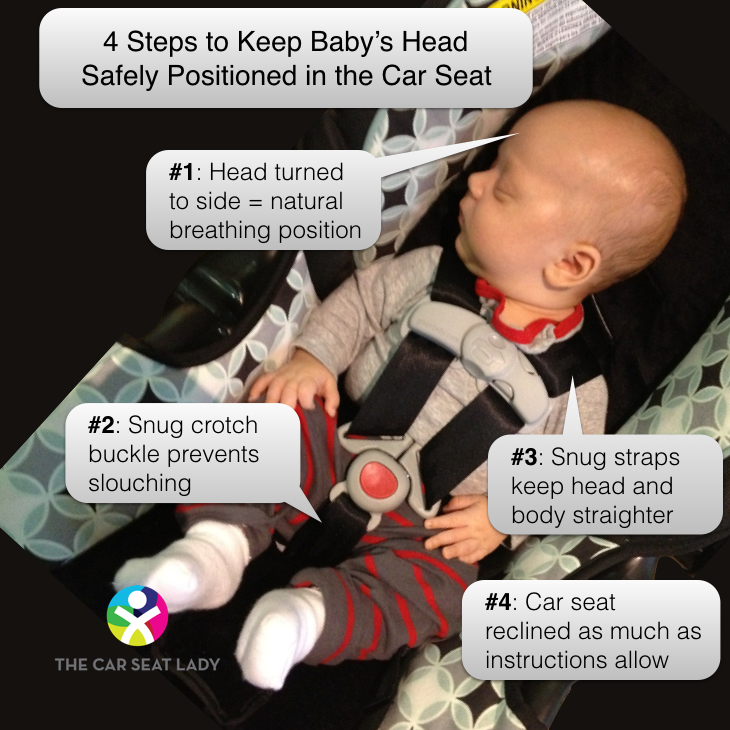
A newborn’s head should not tilt forward. This can block their airway. Check that their chin is not resting on their chest. Their back should lie flat against the seat. A slouched position indicates incorrect placement.
The car seat straps should fit snugly. Loose straps are a safety hazard. If the harness is twisted, it can cause discomfort. Ensure the straps lie flat and untangled.
Observe the baby’s legs. They should not hang over the seat edge. Legs should rest naturally within the seat boundaries.
Corrective Measures
Adjust the harness to fit snugly around your baby. Use the pinch test. Try to pinch the strap at the shoulder. If you can pinch it, it’s too loose. Tighten the harness until it’s snug.
Check the seat’s recline angle. Most seats have indicators to guide you. Adjust the seat to keep the baby’s head back.
Use rolled towels or blankets for side support. Place them on each side of the baby. This ensures proper alignment and comfort.
Regularly review the car seat manual. Each seat might have specific instructions. Follow them closely for optimal safety.
Credit: thecarseatlady.com
Expert Recommendations
Ensuring a newborn’s safety in a car seat is crucial. Expert recommendations offer valuable insights. Parents often seek guidance to ensure their child is securely fastened. This section explores advice from professionals, focusing on safe practices.
Advice From Pediatricians
Pediatricians emphasize proper positioning. A baby’s head should rest comfortably. No slumping or tilting. Straps must be snug yet gentle. Avoid loose fitting. Keep the chest clip at armpit level. This prevents sliding and ensures stability.
Choose seats designed for infants. Newborns need specific support. Look for features providing head and neck protection. Pediatricians recommend checking the seat’s recline angle. It should support breathing and avoid airway blockage.
Industry Standards
Car seat manufacturers follow strict regulations. Seats undergo tests to ensure safety. Look for seats meeting federal safety standards. Labels often indicate compliance. Choose seats with a clear expiration date. Materials degrade over time.
Installation guides are vital. Follow instructions closely. Incorrect installation poses risks. Car seats often include LATCH systems. These systems ease installation. Ensure the seat is firmly attached. No movement beyond one inch.

Credit: unpreparedmom.com
Frequently Asked Questions
How Should A Newborn Be Positioned In A Car Seat?
A newborn should be positioned with their back flat against the seat. Ensure the harness is snug at shoulder level. The baby’s head should not slump forward. Use the car seat’s recline feature to maintain a safe angle, usually between 30 and 45 degrees.
What Is The Safest Car Seat Angle For Newborns?
The safest car seat angle for newborns is between 30 and 45 degrees. This angle prevents the baby’s head from slumping forward. It ensures the airway remains open. Adjust the car seat’s recline feature to achieve this angle. Always follow the manufacturer’s instructions for optimal safety.
Can A Newborn Wear A Coat In A Car Seat?
A newborn should not wear a bulky coat in a car seat. Bulky clothing can prevent the harness from fitting snugly. Instead, dress the baby in thin layers. Use a blanket over the harness for warmth. This ensures safety without compromising comfort.
What Is The Proper Harness Tightness For Newborns?
The harness should be snug enough that you can’t pinch any slack. Place the harness at or just below the newborn’s shoulders. This ensures the baby is securely fastened. Always check and adjust the harness before each trip for optimal safety.
Conclusion
Ensuring your newborn’s safety in a car seat is crucial. Always check the seat’s installation. Your baby should fit snugly, without room to wiggle. Straps must be tight and secure. Position the seat at the right angle. Support your baby’s head and neck.
Regularly inspect the car seat for any wear. Follow the manufacturer’s guidelines carefully. Your baby’s safety comes first on every journey. Protect them with a correctly fitted car seat. Drive with peace of mind knowing your baby is safe. Safe travels for you and your little one!


