


When Did Car Seat Laws Start: A Crucial Safety Timeline Revealed

Have you ever wondered when car seat laws actually began? If you’re a parent, caregiver, or just someone who wants to keep kids safe on the road, this question is more important than you might think.
Understanding the history behind these laws can help you appreciate why they exist and why following them is crucial for your child’s safety. Keep reading to discover how car seat regulations started and evolved, and why knowing this history could change the way you protect your little ones every time you drive.
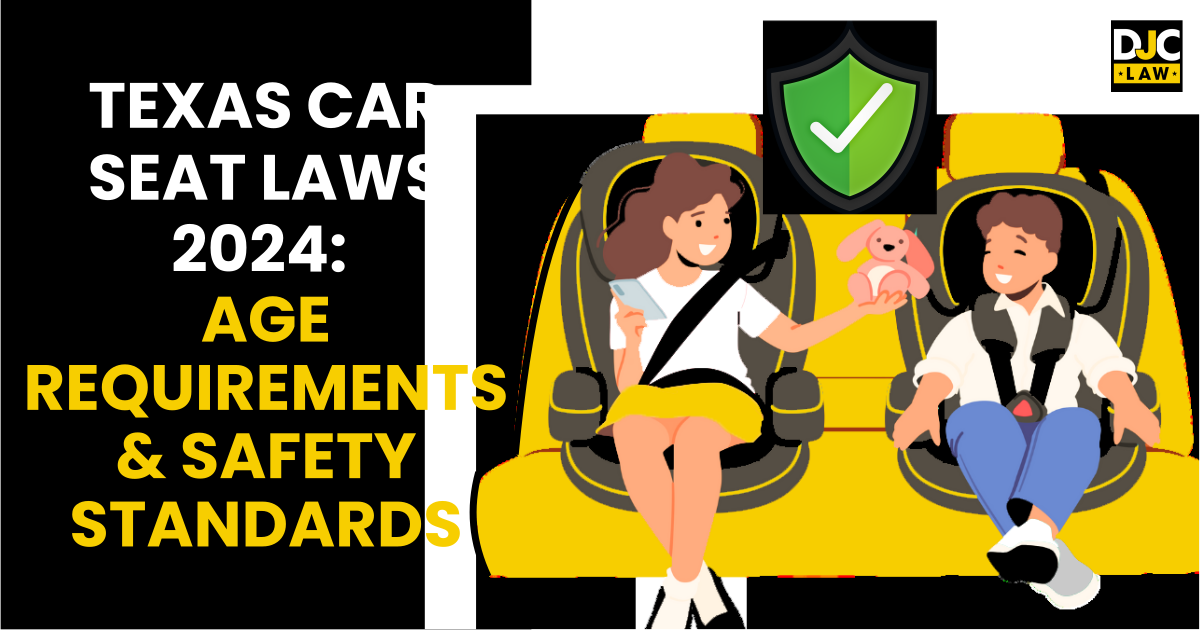
Credit: teamjustice.com
Early Child Passenger Safety
Child passenger safety has come a long way over the years. In the early days of cars, few protections existed for children. Parents often placed kids on their laps or in front seats without special restraints. This lack of safety measures led to many injuries and deaths during accidents.
As cars became more common, people started to see the dangers clearly. The need for rules and devices to protect young passengers grew stronger. This period marks the beginning of efforts to improve child safety on the road.
Pre-seatbelt Era Risks
Before seatbelts were common, car rides were very risky for children. Cars lacked any safety devices to hold passengers in place. In crashes, children could be thrown from seats or hit hard surfaces inside the car. Many injuries were severe or fatal. Parents had no easy way to protect their kids during travel.
Even simple stops could cause children to fall or get hurt. The absence of safety gear made accidents far more dangerous. Many accidents showed how badly children needed protection.
Initial Safety Concerns
Early safety experts raised concerns about child passengers. They warned about high injury rates and the need for special seats. Doctors and engineers started studying crash effects on kids. They realized adult seatbelts did not fit small bodies well.
These findings pushed for designs made just for children. Early child restraint systems aimed to reduce injuries and save lives. Awareness began to grow, leading to the first laws and guidelines for child safety in cars.
First Car Seat Laws
Car seat laws began as a response to rising child injuries in car accidents. These rules aimed to protect young passengers. Early laws set the foundation for today’s safety standards. Understanding the first car seat laws shows how safety grew over time.
These laws marked a crucial step in child passenger safety. They focused on making sure children had proper restraints in cars. The idea was simple: keep children secure during travel.
Pioneering Legislation
The first car seat laws appeared in the 1960s. California was among the first to act. The state passed a law requiring children under six to use child safety seats. This law was a new concept in traffic safety. It showed a clear concern for children’s protection on the road.
These early laws were basic but important. They helped raise awareness about child safety in vehicles. The legislation encouraged manufacturers to create better car seats. This step led to safer travel for millions of children.
States Leading The Way
After California, other states followed quickly. New York and Florida introduced similar laws in the late 1970s. Each state added rules to improve child safety. They set age and size requirements for car seat use.
These state laws helped spread the idea nationwide. They pushed for stronger safety measures in cars. States became key players in protecting children during travel. Their efforts made car seat use common and accepted.
Evolution Of Regulations
The rules for car seats have changed a lot over the years. These changes keep children safer while riding in cars. Laws started simple but grew to cover more ages and sizes. They also became part of broader safety rules, including seatbelt laws. Understanding how these laws evolved helps us see why they matter today.
Expanding Age And Size Requirements
At first, car seat laws only covered babies. Over time, rules began to include toddlers and older children. The focus shifted to children’s weight and height, not just age. This helped ensure seats fit children properly. Laws now require booster seats for kids who outgrow infant seats. These steps protect children as they grow.
Integration With Seatbelt Laws
Car seat laws linked closely with seatbelt laws later on. Seatbelts became mandatory for all passengers, including children. This made car seats part of a complete safety system. States started requiring children to use seatbelts once they outgrew car seats. This connection improved overall road safety for kids. Combining these rules made cars safer for every trip.
Technological Advances In Car Seats
Car seat technology has evolved greatly over the years. These changes helped make car travel safer for children. Early car seats were simple and offered little protection. Today’s car seats use advanced designs and materials. These improvements protect children better in crashes. Understanding these advances shows why car seat laws began and grew.
From Basic To Advanced Designs
Early car seats were just small chairs with straps. They held children in place but lacked safety features. Over time, manufacturers added padding and stronger frames. Seats began to include harnesses that fit snugly. Modern car seats have side impact protection and energy-absorbing foam. Some even adjust automatically to a child’s size and weight. These advances reduce injury risks in accidents.
Impact On Legislation
As car seats improved, lawmakers saw their value. Better designs made it clear children needed special protection. This led to the first car seat laws in the 1960s and 1970s. Laws required children to use car seats that met safety standards. Over the years, rules became stricter as technology advanced. Today, laws reflect the latest safety research and car seat technology. They help keep more children safe on the road.
National Standards And Guidelines
National standards and guidelines shaped car seat laws in the United States. They created uniform rules to protect children in vehicles. These standards guide manufacturers, lawmakers, and parents on proper car seat use. They ensure car seats meet safety requirements before reaching the market.
Federal Involvement
The federal government began setting car seat safety rules in the 1960s. The National Highway Traffic Safety Administration (NHTSA) plays a key role today. NHTSA develops and enforces safety standards for car seats. These rules include crash tests and design requirements. They help reduce injuries and deaths in car accidents.
Role Of Safety Organizations
Safety groups also influence car seat laws and guidelines. Organizations like the American Academy of Pediatrics (AAP) provide expert advice. They recommend the best car seat types and usage for children. These groups conduct research and educate parents on child safety. Their input supports lawmakers and federal agencies in creating rules.

Credit: www.eldoradocounty.ca.gov
Global Adoption Of Car Seat Laws
Car seat laws have spread around the world to protect children in cars. Different countries started these laws at different times. These rules help keep kids safe during travel. Understanding the global adoption shows how safety became a priority everywhere.
International Milestones
The first car seat law appeared in the 1970s. Sweden was among the earliest countries to require child restraints. Their law focused on children under six years old. After Sweden, many European countries followed. The United States introduced federal car seat standards in 1971. Other parts of the world, like Australia and Canada, created laws in the 1980s and 1990s. These milestones mark key steps in child passenger safety worldwide.
Comparing Regional Approaches
Europe tends to have strict car seat laws and clear guidelines. Laws often include age, weight, and height limits. In North America, rules vary by state or province but usually cover similar criteria. Asia shows mixed adoption; some countries have strong laws, others are still developing rules. Many African and Latin American countries are gradually introducing car seat laws. Differences in enforcement and public awareness affect how well these laws work.
Current Car Seat Requirements
Car seat laws protect children and reduce injury risks in accidents. These laws set clear rules on using car seats based on a child’s age, weight, and height. Understanding these rules helps parents keep their kids safe every trip.
Age, Weight, And Height Criteria
Car seat rules depend on a child’s age, weight, and height. Infants usually need rear-facing seats until at least 2 years old. Toddlers and preschoolers switch to forward-facing seats with a harness. Older kids use booster seats before moving to regular seat belts. Each stage matches a child’s size and strength for better protection.
Enforcement And Penalties
Police officers check car seat use during traffic stops. Drivers can get fines if children are not properly secured. Some states add points to driving records. These penalties encourage following car seat laws. Keeping kids safe is the main goal of these rules and penalties.
Impact On Child Safety Today
Car seat laws have changed the way children stay safe in vehicles. These laws require children to use car seats or booster seats based on their age, height, and weight. The goal is to reduce injuries and deaths from car crashes. Today, these laws help protect millions of young passengers every day. Safety experts agree that car seat laws have made a real difference. The impact is clear in both statistics and real-world stories.
Statistical Improvements
Since car seat laws started, child car crash deaths have dropped significantly. Studies show a steady decline in fatal injuries for children under five. More kids now use the right car seats correctly. This proper use lowers the risk of serious harm. Emergency rooms report fewer child injuries from car crashes. States with strict car seat laws see better safety results. These numbers prove the laws save lives and reduce harm.
Ongoing Challenges
Not all children are fully protected yet. Some parents do not use car seats properly. Others do not follow the age or size rules. Car seats can be hard to install or adjust. Some families lack access to the right car seats. Education and support remain key to improving safety. Laws alone cannot fix every problem. Continued awareness and help are needed to protect all children.
Frequently Asked Questions
When Did Car Seat Laws First Begin?
Car seat laws first began in the late 1970s. California was the first state to pass a law in 1971. These laws aimed to improve child safety during car travel.
Why Were Car Seat Laws Introduced?
Car seat laws were introduced to reduce child injuries and fatalities in car accidents. They ensure children are properly secured in vehicles. This helps protect young passengers from harm.
How Have Car Seat Laws Evolved Over Time?
Car seat laws have become stricter and more specific. They now include age, weight, and height requirements. States continuously update laws to enhance child passenger safety.
Which Age Groups Do Car Seat Laws Cover?
Car seat laws typically cover infants, toddlers, and young children. Requirements vary by state, usually up to ages 8 to 12. Laws ensure kids use appropriate restraints for their size.
Conclusion
Car seat laws started to protect children in cars. They help keep kids safe during travel. Over time, rules became stricter and more detailed. Today, most places require car seats for young children. These laws save lives and reduce injuries.
Parents and drivers should follow them carefully. Safety is always the top priority on the road. Using a car seat correctly makes a big difference. Remember, every child deserves the best protection. Stay informed and keep your little ones secure every trip.
Safety rules have come far and still improve.


