


What are the New Car Seat Laws: Essential Updates You Must Know

Are you sure your child’s car seat meets the latest safety rules? New car seat laws have been introduced that could affect how you keep your little ones safe on the road.
These changes might seem confusing, but understanding them is crucial for your child’s protection and to avoid fines. Keep reading to discover exactly what has changed, how it impacts you, and what you need to do to stay compliant and secure.
Don’t miss out on this important information that every parent and caregiver should know.
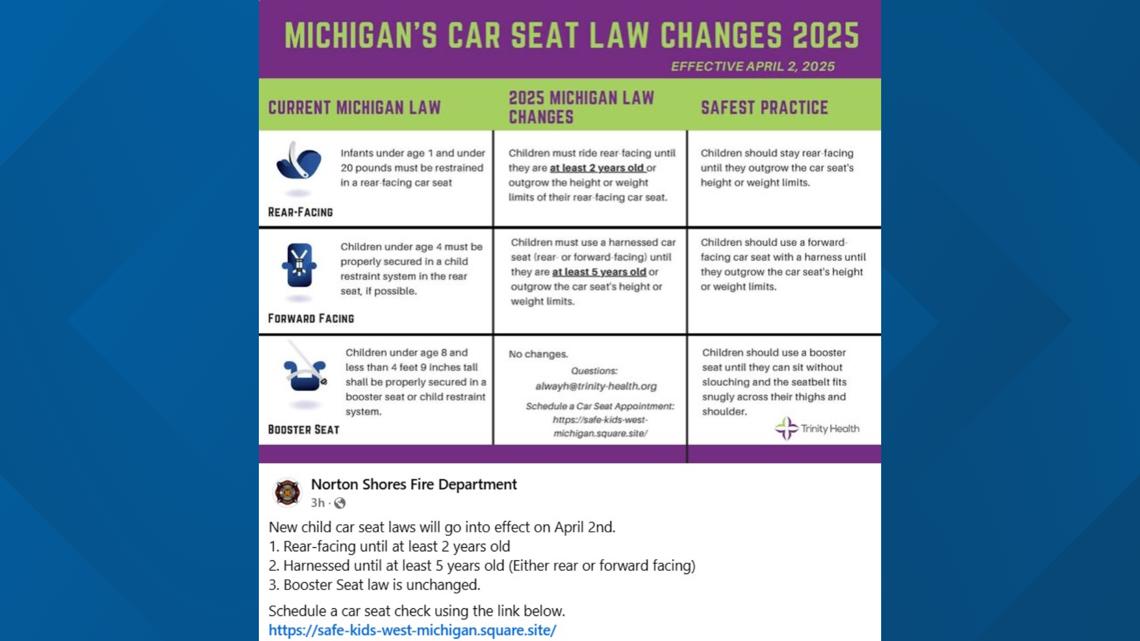
Credit: www.wzzm13.com
Recent Changes In Car Seat Laws
Car seat laws have changed recently to improve child safety on the road. These updates aim to protect children better during travel. Knowing the new rules helps parents and caregivers follow the law and keep kids safe.
The changes focus on age, weight, and size requirements. States update laws based on new research and safety tests. Staying informed about these updates is important for every driver with children.
New Age And Weight Requirements
Many states now require children to stay in rear-facing seats longer. This change helps protect young children’s heads and necks in crashes. The minimum age or weight for moving to a forward-facing seat has increased in some areas.
Extended Use Of Booster Seats
Booster seat rules have also changed. Children must use booster seats until they reach a certain height or weight. This ensures seat belts fit correctly and work properly. Some laws now require booster seats for older kids than before.
Stricter Enforcement And Penalties
Law enforcement agencies have increased checks on car seat use. Fines and penalties for not following car seat laws have grown. This encourages more people to use the right seats for their children.
New Guidelines For Special Needs Children
New laws include clear rules for children with special needs. These rules help parents choose the safest seat type. Medical advice often guides the selection of car seats for special needs kids.
Age And Weight Requirements
New car seat laws focus on keeping children safe during travel. Age and weight requirements guide parents on the right car seat type. These rules help reduce injuries in accidents. Understanding updated limits is important for every caregiver.
Updated Age Limits
Children must remain in rear-facing seats longer than before. The new law sets the minimum age at 2 years. Some states require children to stay rear-facing until age 4. Forward-facing seats are for kids older than these limits. Booster seats are now mandatory for children under 8 years. These changes ensure children get proper protection as they grow.
New Weight Guidelines
Weight limits have increased for many car seat types. Rear-facing seats now support children up to 40 pounds. Forward-facing seats can hold children up to 65 pounds. Booster seats are recommended for kids weighing between 40 and 100 pounds. These updated weight rules match children’s growth better. Car seats must fit both the child’s size and weight for safety.
Types Of Approved Car Seats
Choosing the right car seat is key for child safety. Laws require specific types of car seats for different ages and sizes. Understanding the approved types helps parents follow rules and protect their children.
Infant Car Seats
Infant car seats are designed for newborns and babies up to about 1 year. They face the rear of the car. This position helps protect the baby’s head and neck during a crash. These seats are lightweight and easy to carry.
Convertible Car Seats
Convertible car seats grow with the child. They can face backward for infants and switch to forward-facing for toddlers. These seats last longer and provide more support. Parents use them for children up to 4 years or more.
Booster Seats
Booster seats are for older children who outgrow car seats but are too small for seat belts alone. They raise the child so the seat belt fits correctly. Booster seats improve safety until the child is tall enough for regular seat belts.
Installation And Usage Rules
New car seat laws focus a lot on how to install and use car seats correctly. Proper installation keeps children safe during travel. Misuse or wrong setup can reduce the seat’s protection. Understanding the rules helps parents follow the law and protect kids.
Proper Installation Techniques
Use the seat belt or LATCH system to secure the car seat. Make sure the seat does not move more than one inch side to side. The car seat should face the right direction for the child’s age and size. Rear-facing seats offer better protection for babies and toddlers. Tighten all straps and belts to keep the seat firm. Always check the car seat manual and your vehicle’s guide. Double-check each time you install the seat.
Common Mistakes To Avoid
Do not place the car seat in the front seat if airbags are active. Avoid loose straps; they reduce safety in a crash. Using expired or damaged car seats is unsafe. Do not use car seats with missing parts or unclear instructions. Avoid bulky clothing on children during travel; it can interfere with harness fit. Never add extra padding under the child unless the seat manual allows it. Skip making adjustments without reading the manual first.
Penalties For Non-compliance
Failing to follow new car seat laws can lead to serious penalties. These rules protect children’s safety. Breaking them can cause fines and other legal problems. Understanding these penalties helps keep children safe and avoids trouble.
Fines And Legal Consequences
Authorities enforce fines for not using the correct car seat. The amount varies by state or region. Some fines can be quite expensive. Repeated violations may lead to higher fines or court appearances. In some cases, drivers might face points on their license. These consequences serve to encourage following the law strictly.
Impact On Insurance
Insurance companies notice car seat law violations. Such violations can increase your insurance premiums. Insurers see non-compliance as risky behavior. This risk can lead to denied claims after accidents. Following the laws helps keep insurance costs lower. It also ensures smoother claim processes if needed.
State-specific Variations
Car seat laws differ from state to state. Each state sets its own rules based on safety research and local needs. Knowing these differences helps parents keep children safe and follow the law. Understanding state-specific rules avoids fines and protects your child in the car.
Notable Differences Across States
Some states require children to stay in rear-facing seats longer. Others set different age or weight limits for booster seats. Height and weight rules also change across states. Certain states have stricter laws for using seat belts with car seats. These differences affect how you choose and use a car seat.
Resources For Local Regulations
State government websites provide clear and updated car seat laws. Many health departments offer guides and checklists. Local police stations often share safety tips and enforce laws. National organizations list state laws in easy-to-read formats. These resources help parents follow the correct rules and keep kids safe.
Tips For Choosing The Right Car Seat
Choosing the right car seat is very important for your child’s safety. Different car seats fit different ages and sizes. Understanding what to look for helps you pick the best seat. Focus on key points that keep your child safe and comfortable.
Safety Ratings To Consider
Check the safety ratings before buying any car seat. Look for seats tested and approved by safety organizations. Seats with high crash test scores offer better protection. Also, find seats with side-impact protection to guard your child’s head and chest. Make sure the seat fits well in your car and has clear installation instructions.
Budget-friendly Options
Good car seats don’t always cost a lot. Find models that balance price and safety features. Avoid very cheap seats without safety certifications. Many affordable brands meet all safety standards and give great value. Look for sales or discounts at trusted stores. Remember, safety is the most important factor, not the price tag.
Future Trends In Car Seat Safety
Car seat safety continues to evolve with new rules and better technology. These changes aim to protect children more effectively during car rides. The future holds exciting trends that could improve safety even further.
Technological Innovations
New car seats may include smart sensors to check if the seat is installed correctly. Some seats might alert parents if a child unbuckles too soon. Advances in materials will make seats lighter but stronger. Future designs could adapt automatically as a child grows. Technology will help reduce errors in using car seats.
Potential Legislative Changes
Lawmakers plan to update rules to match new safety research. Future laws might require all car seats to have specific safety features. Age and weight limits for seats could be revised. Some states may enforce stricter penalties for incorrect use. These changes aim to make travel safer for all kids.
Frequently Asked Questions
What Are The Latest Car Seat Laws For Children?
New car seat laws require children to use age and size-appropriate seats. Rear-facing seats are mandatory for infants. Booster seats are needed until children reach a certain height or age, enhancing safety during travel.
When Should Children Transition From Car Seats To Booster Seats?
Children should switch to booster seats when they outgrow forward-facing seats. Typically, this is around 4 years old and 40 pounds. Boosters ensure seat belts fit correctly, offering better protection in case of a crash.
Are There New Height And Weight Requirements For Car Seats?
Yes, laws now specify height and weight limits for each car seat type. Rear-facing seats have lower weight limits, while forward-facing and booster seats have higher limits. These rules aim to maximize child safety on the road.
How Do New Car Seat Laws Affect Carpooling Or Rideshares?
New laws require that each child has an appropriate car seat, even in carpools or rideshares. Drivers and parents must ensure compliance, as improper restraint can lead to fines and increased injury risk.
Conclusion
New car seat laws help keep children safer on the road. Parents should know these rules well. Following the laws can prevent injuries during accidents. Always check your car seat fits the new standards. Stay updated as laws may change over time.
Safety starts with understanding and using the right seat. Protect your child with proper car seat use every trip. Simple steps make a big difference in child safety. Keep your family safe by following these new rules.


