


How Long is a Convertible Car Seat Good for: Essential Lifespan Guide

Are you wondering how long your convertible car seat will keep your child safe? Choosing the right car seat is one of the most important decisions you make as a parent or caregiver.
But it’s just as important to know when it’s time to replace it. Using a car seat past its safe limit can put your child at risk, and you might not even realize it. You’ll discover exactly how long a convertible car seat lasts, the signs you should look for, and why timing matters for your child’s safety.
Keep reading to protect your little one every mile of the way.
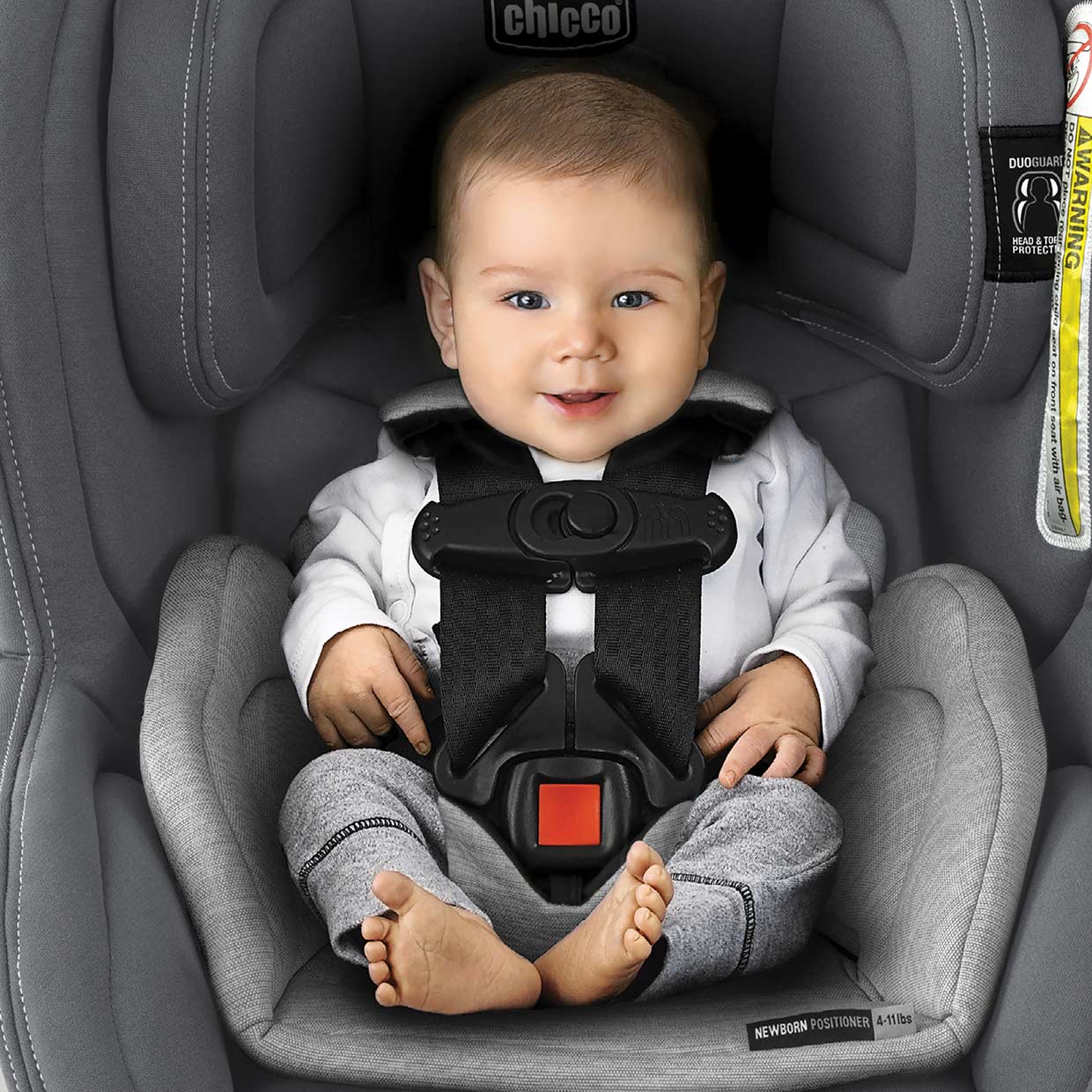
Credit: www.chiccousa.com
Convertible Car Seat Basics
Convertible car seats are essential for child safety in vehicles. They adapt to your child’s growth, providing protection from infancy through toddler years. Understanding the basics helps you choose the right seat and use it properly.
Knowing the types of convertible car seats and their limits ensures your child stays safe. It also helps you know when to switch to the next stage seat.
Types Of Convertible Car Seats
There are two main types of convertible car seats. Rear-facing seats are for infants and small toddlers. They protect the head, neck, and spine in a crash.
Forward-facing seats are for older toddlers and preschoolers. They have a harness and sometimes a booster option. Some seats can switch from rear-facing to forward-facing.
Weight And Height Limits
Every car seat has weight and height limits. These limits tell you how long the seat can be used safely. Rear-facing seats usually support children from 5 to 40 pounds.
Forward-facing seats often support children up to 65 pounds or more. Height limits vary but usually range from 30 to 50 inches. Always check the seat’s label for exact numbers.
Typical Lifespan Of Convertible Car Seats
Convertible car seats are designed to last for several years. They grow with your child, fitting infants and toddlers alike. Understanding their typical lifespan helps parents plan for safe travels. Age, wear, and safety standards all play a role in how long these seats remain effective.
Manufacturer Recommendations
Most car seat makers suggest using their product for about 6 to 10 years. Each brand sets a specific expiration date. This date considers material wear and safety rule changes. You can usually find this date on a label or molded into the plastic. Using the seat past this date is risky. The materials may weaken and not protect well in crashes.
Factors Affecting Durability
Heat, sunlight, and humidity can damage a car seat. Constant exposure can weaken plastic and fabric parts. Frequent installation and removal also cause wear. Accidents can harm the seat’s structure even if damage is not visible. Clean the seat regularly but avoid harsh chemicals. Proper care helps maintain strength and safety. Always inspect for cracks, broken parts, or frayed straps before use.
Signs It’s Time To Replace Your Car Seat
Knowing when to replace a convertible car seat is very important. A car seat keeps your child safe. Using a worn-out seat can be dangerous. Look for clear signs that show the seat is no longer safe.
Visible Damage And Wear
Check the car seat carefully for cracks or breaks. Look at the plastic shell and frame. Cracks weaken the seat and lower its safety. Also, examine the straps and buckles. Frayed straps or broken buckles cannot protect your child well. Any visible damage means the seat should be replaced soon.
Expiration Dates And Labels
Every car seat has an expiration date on its label. This date shows how long the seat remains safe to use. Materials like plastic and foam degrade over time. Using a seat past its expiration can reduce protection in a crash. Find the label and note the expiration date. Replace the seat once it expires to keep your child safe.

Credit: safety1st.com
Safety Standards And Regulations
Safety standards and regulations play a big role in how long a convertible car seat stays safe to use. These rules help keep your child protected during every ride. They ensure car seats meet strict tests for crash protection and quality. Knowing these standards helps parents choose the best and safest seats.
Federal Safety Requirements
Convertible car seats must meet federal safety rules before sale. These rules set crash test standards for protection in different car crashes. The seats must pass tests for side and front impacts. Labels on car seats show they follow these federal rules. This ensures the seat can protect your child in most accidents.
Updates In Car Seat Technology
Car seat makers improve technology to meet new safety rules. Newer seats often have better side impact protection. Some use better materials for comfort and safety. Harness systems get easier to adjust and more secure. These updates make newer seats safer than old models. Check your seat’s manufacture date to know its technology level.
Maintaining Your Convertible Car Seat
Keeping your convertible car seat in good shape helps protect your child. Regular care can extend its life and keep it safe. Small habits make a big difference in safety and comfort.
Check the seat often for wear and tear. Clean it properly and install it right every time. These steps ensure the seat stays strong and reliable.
Cleaning Tips
Remove crumbs and dirt regularly. Use a vacuum with a soft brush to clean tight spots. Wipe plastic parts with a damp cloth.
Wash the seat cover according to the label instructions. Avoid harsh chemicals or bleach. Let the cover air dry to keep its shape.
Keep straps clean but do not soak them. Use mild soap and water for stains. Dry the straps completely before use.
Proper Installation Practices
Always follow the manufacturer’s instructions. Check the seat’s manual or labels for correct installation steps. Make sure the seat is tightly secured in your vehicle.
Use the correct belt path for your child’s weight and age. Double-check the harness fits snugly without twists. Test the seat by pushing it side to side; it should not move more than an inch.
Reinstall the seat after every removal. Never guess the placement or angle. Proper installation keeps your child safe during every ride.
When To Upgrade To A New Car Seat
Knowing when to upgrade a convertible car seat is important for your child’s safety. Car seats have limits based on size and age. Using a seat too long can be risky. Some situations require a new car seat right away. Watch for signs that your child has outgrown the seat. Also, check for any safety issues after accidents or recalls. These steps help keep your child safe on every trip.
Outgrowing Size Limits
Convertible car seats have weight and height limits. These limits vary by model. Your child must stay within these limits to be safe. Once your child passes these, it’s time to get a new seat. Check the car seat manual for exact numbers. Make sure the harness fits snugly. The headrest should protect the head well. Moving too late can reduce protection during a crash.
After Accidents Or Recalls
Even minor accidents can damage a car seat. Invisible cracks or broken parts may form. These make the seat unsafe to use. Replace the seat after any crash. Check for recalls regularly. Manufacturers recall seats for safety problems. Using a recalled seat can put your child at risk. Follow recall instructions carefully to keep your child safe.

Credit: maxicosi.com
Frequently Asked Questions
How Long Can I Use A Convertible Car Seat?
Convertible car seats typically last 6 to 10 years. Check the manufacturer’s expiration date on the seat. Regular wear and safety standards affect the lifespan.
When Should I Replace My Convertible Car Seat?
Replace your car seat after any moderate or severe crash. Also, replace it if it’s past its expiration date or shows visible damage.
Can A Convertible Car Seat Be Used For Toddlers And Infants?
Yes, convertible car seats are designed for both infants and toddlers. They convert from rear-facing for babies to forward-facing for older children.
What Affects The Lifespan Of A Convertible Car Seat?
Factors include exposure to sunlight, frequent use, and manufacturer guidelines. Damage or missing parts also reduce the seat’s safe lifespan.
Conclusion
Convertible car seats usually last about 6 to 10 years. Check the seat’s label for the exact expiration date. Always inspect for cracks or missing parts before use. Using an expired seat can risk your child’s safety. Keep the seat clean and stored properly to extend its life.
Replace the seat after any serious crash, even if it looks fine. Choosing the right seat age and weight limits helps protect your child well. Safety first—regular checks keep your little one secure on every ride.


