

How to Install a Safety First Infant Car Seat: Easy Guide

Are you a new parent excited about your little one’s first car ride? Or perhaps you’re just looking to ensure your baby travels safely and comfortably?
Installing a Safety First infant car seat is a crucial step in safeguarding your child during every journey. You might feel a bit overwhelmed with the idea, but don’t worry—you’re not alone. Many parents feel the same way, and that’s exactly why this guide is here for you.
Imagine the peace of mind you’ll have knowing your baby is secure, allowing you to focus on the road ahead. You’ll learn step-by-step how to confidently and correctly install your infant car seat, turning this task from daunting to doable. So, let’s dive in and make sure your little one’s car seat is as safe as it should be.
Choosing The Right Car Seat Model
Choosing the right car seat model is crucial for your baby’s safety. With many options available, finding the best fit can be daunting. Each Safety First infant car seat has unique features. Understanding these features helps make an informed decision. Consider your car’s design and your lifestyle before choosing.
Understanding Different Models
Safety First offers various models. Each model varies in design and features. Some models focus on ease of installation. Others prioritize comfort or additional safety measures. Research each model thoroughly. This ensures you choose the best one for your needs.
Considering Your Car’s Compatibility
Check your car’s seat compatibility. Not all car seats fit every car. Measure your car’s back seat dimensions. Compare these measurements with the car seat model. Ensure the car seat fits securely. A secure fit is essential for safety.
Evaluating Safety Features
Safety features should be a priority. Look for models with side-impact protection. Consider models with adjustable harness systems. These features enhance safety during travel. Read reviews from other parents. This gives insight into real-world performance.
Assessing Ease Of Use
Ease of use is important. Consider models with user-friendly installation. Check if the seat is easy to adjust. A complicated seat can be frustrating. Choose a model that simplifies daily use. Convenience adds to safety by reducing errors.
Exploring Comfort And Design
Comfort matters for long journeys. Look for padded seats and head support. Consider breathable materials for comfort. Design should also match your style. A well-designed seat keeps your baby happy and secure.
Preparing Your Vehicle
Easily install your Safety First infant car seat with these steps. First, read the car seat manual carefully. Next, securely attach the base using the car’s seat belt or LATCH system. Finally, ensure the seat is snug and doesn’t move more than an inch side to side.
Preparing your vehicle properly ensures a secure car seat installation. This step is crucial for your baby’s safety. Let’s explore how to make the area ready for your Safety First Infant Car Seat.Clearing The Installation Area
Remove any clutter from the back seat. Toys, trash, and loose items can hinder installation. A clean space is easier to work in. Ensure the seat is free from debris. This helps the car seat sit properly. Check the floor for loose objects. They can roll under the seat, affecting stability.Inspecting The Seatbelt System
Examine your vehicle’s seatbelt. Ensure it works smoothly. Tug on the belt to check for resistance. It should retract easily without catching. Look for signs of wear or damage. Frayed edges weaken the belt’s effectiveness. If necessary, consider getting it repaired. A functional seatbelt is vital for car seat security.Unpacking And Inspecting The Car Seat
Getting ready to install your Safety First infant car seat? Start with unpacking. This step ensures the car seat is ready for installation and use.
Carefully remove the car seat from its box. Use scissors or a knife to cut through any packaging. Avoid scratching or damaging the car seat.
Once unpacked, inspect the car seat. Look for any signs of damage. Make sure it is in perfect condition before using it for your baby’s safety.
Checking For Missing Parts
Check the manual that comes with the car seat. It will list all the parts. Place the car seat on a flat surface. Organize all the parts around it.
Ensure every part is present. Buckles, harness straps, and the base should be included. If anything is missing, contact the manufacturer immediately.
Understanding Safety Labels
Look for safety labels on the car seat. These labels provide essential information. They include weight limits and installation instructions.
Read each label carefully. Understanding these labels ensures proper use and installation. This step is crucial for your child’s safety during travel.
Safety labels also provide important reminders and warnings. Familiarize yourself with them. It helps prevent mistakes that could compromise safety.
Installing The Base
Installing the base of your Safety First infant car seat is crucial. A secure base ensures your baby’s safety during every car journey. Proper installation involves positioning and securing the base effectively. Let’s explore how to position the base correctly and secure it with a seatbelt or LATCH system.
Positioning The Base
Place the base on the car seat. Ensure the bottom is flat and stable. Avoid any leaning or uneven placement. Check the level indicator on the base. This helps confirm the right angle. Adjust the recline angle if necessary. The base should be firm and level.
Securing With Seatbelt Or Latch
Choose between seatbelt or LATCH for securing. Both methods are safe and effective. For seatbelt installation, thread the belt through the base slots. Pull the seatbelt tight and lock it securely. Test the tightness by gently pulling the base. It should not move more than an inch.
For LATCH installation, find the lower anchors in your car. Connect the base’s LATCH connectors to the anchors. Tighten the straps until the base is stable. Check the tightness again. Ensure minimal movement of the base. Both methods provide a safe and secure fit.
Attaching The Car Seat
Attaching a Safety First infant car seat is crucial for safety. Proper installation ensures your baby’s protection during car rides. This section guides you through aligning and locking the car seat effectively.
Aligning With Base
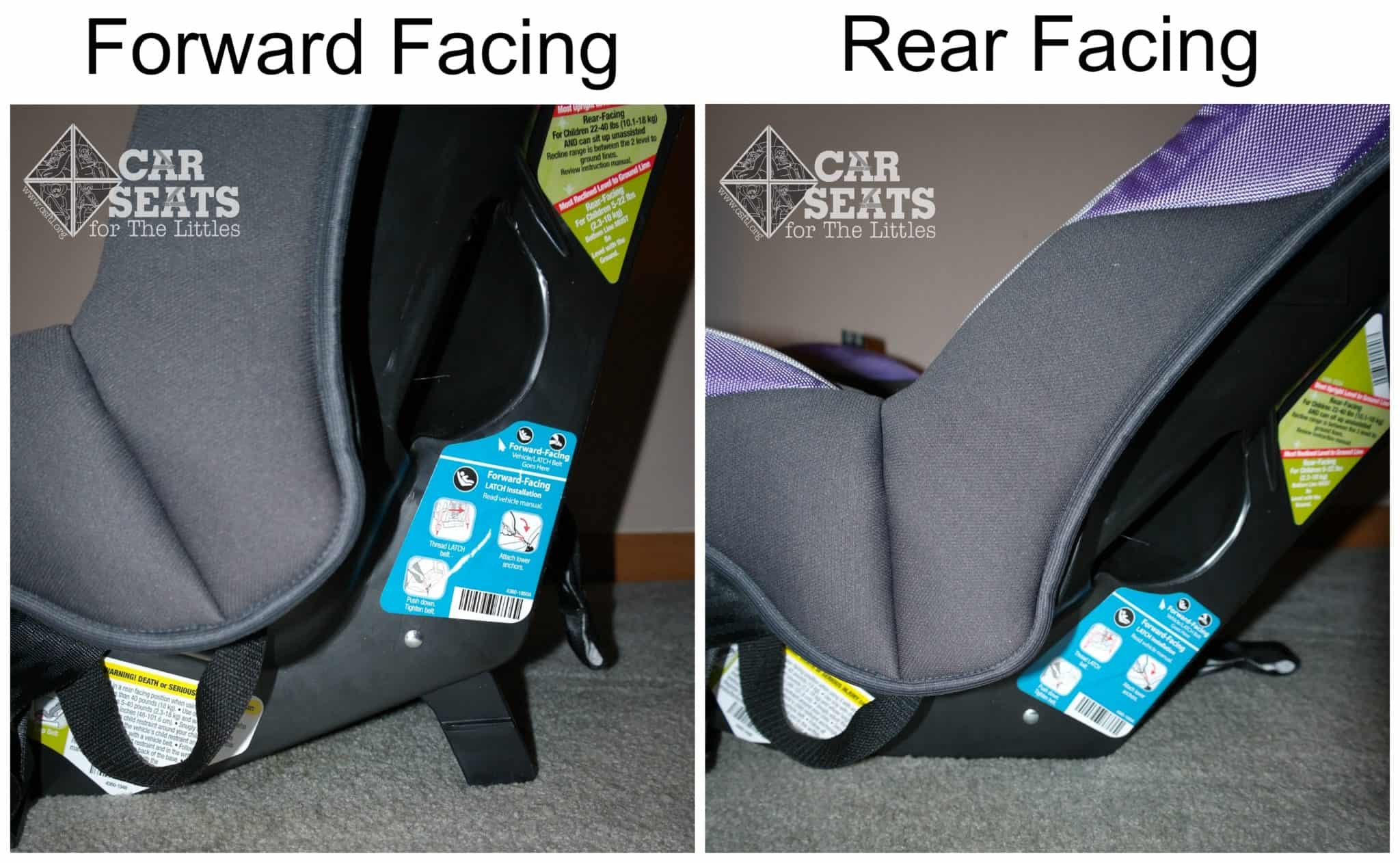
Start by placing the car seat on the base. Ensure the seat is facing the correct direction. The seat must align with the base indicators. These indicators are usually color-coded. Check for them on the side of the base. They guide you in proper alignment. Adjust until the seat fits snugly. A properly aligned seat prevents unnecessary movement. It enhances safety during travel.
Ensuring Proper Locking Mechanism
Next, focus on the locking mechanism. A secure lock is essential for safety. Press down on the car seat. Listen for a clicking sound. This sound indicates the seat is locked. Tug the seat gently to check its security. The seat should not move freely. If it does, recheck the alignment and try again. Some bases have an additional latch. Ensure this latch clicks into place. A properly locked seat stays secure during the journey.
Credit: csftl.org
Adjusting The Harness System
Adjusting the harness system in a Safety First infant car seat is crucial. It ensures your baby’s safety during travel. Proper adjustment keeps your baby snug and secure. Let’s explore how to set the harness height and fasten the buckles effectively.
Setting Harness Height
First, check your baby’s shoulder level. The harness straps should be at or below the shoulders. Locate the harness slots on the car seat. Adjust the straps to the correct slot. This provides a secure fit for your baby. Ensure the straps are not twisted. Twisted straps can compromise safety.
Fastening The Buckles
Begin by placing your baby in the seat. Pull the harness straps over the shoulders. Insert the harness buckle tongues into the buckle. Listen for a click sound to confirm secure fastening. Check the chest clip position. It should be at armpit level. Tighten the straps gently. The harness should fit snugly without pinching.
Checking Installation Safety
Ensuring your infant car seat is safely installed is crucial. A proper installation prevents movement during sudden stops. This keeps your baby secure. The process might seem daunting. But a few simple checks can make a huge difference.
Performing The Wiggle Test
First, check the seat’s stability. Try moving it side to side. The seat shouldn’t wiggle more than one inch. This test shows if the seat is tightly secured. It gives peace of mind. A stable car seat means better safety.
Verifying Seat Angle
Next, check the seat’s angle. Many infant seats have angle indicators. These are often colored or marked. Make sure the seat is positioned correctly. This ensures your baby’s head stays upright. Incorrect angles can cause breathing issues.
Check the base level. Use a towel or pool noodle if needed. This helps in leveling the seat. A properly angled seat boosts safety. It ensures the best protection for your child.
Credit: www.reddit.com
Common Installation Mistakes
Installing a Safety First Infant Car Seat can be tricky. Many parents make common mistakes. These errors can affect your child’s safety. Knowing these mistakes helps you avoid them.
Avoiding Loose Installations
A loose car seat is dangerous. Ensure the seat is tight. It should not move more than an inch. Use your body weight to press down. Pull the seatbelt or strap tight. This ensures the seat is secure.
Correcting Strap Twists
Strap twists can cause discomfort. They also reduce safety. Check for twists in the straps. Straighten them before buckling. Smooth straps distribute force evenly. This keeps your child safer.
Maintenance And Care
Proper maintenance and care for your Safety First infant car seat is crucial. It ensures safety and extends the lifespan of the seat. Regular cleaning and inspections are vital.
Cleaning The Car Seat
Remove the seat cover carefully. Check the label for washing instructions. Use mild soap and warm water for stains. Avoid harsh chemicals. Let it air dry completely before reassembling. Clean the plastic parts with a damp cloth. Ensure no moisture remains.
Inspecting For Wear And Tear
Examine the straps and buckles regularly. Look for frays or damage. Test the locking mechanism. Ensure it clicks securely. Check the fabric for signs of wear. Replace any damaged parts promptly. Inspect the frame for cracks. Keep the seat in top condition.
Credit: www.youtube.com
Frequently Asked Questions
How Do I Install A Safety First Car Seat?
To install a Safety First car seat, start by positioning it in the back seat. Use either the LATCH system or seat belt, following the manual. Ensure the seat is tightly secured and doesn’t move more than an inch. Double-check the harness and recline angle for your baby’s comfort and safety.
What Is The Latch System In Car Seats?
The LATCH system stands for Lower Anchors and Tethers for Children. It provides an easier way to secure car seats using built-in anchors in vehicles. Locate the lower anchors in your car and attach the car seat’s connectors. This system helps ensure a secure installation without using seat belts.
How Tight Should The Car Seat Harness Be?
The harness should be snug with no slack. You should not be able to pinch extra webbing at the shoulder. Ensure the chest clip is at armpit level for optimal safety. A properly adjusted harness keeps your baby securely in place during travel.
Why Is The Car Seat Recline Angle Important?
The recline angle prevents your baby’s head from falling forward, which can obstruct their airway. Check the car seat’s angle indicator to ensure it’s correct. Adjust the base as needed for a proper recline, ensuring your baby’s safety and comfort during travel.
Conclusion
Installing a Safety First infant car seat is simple with clear steps. Follow the guide for a secure fit. Ensure the seat clicks into place. Double-check the harness for snugness. Safety matters for your baby. Regularly inspect for wear and tear.
Adjust as your child grows. Read the manual for specific details. Practice makes perfect for fast installations. Stay calm and take your time. Your baby’s safety is the priority. Share your installation tips with fellow parents. A properly installed seat keeps your child protected.
Feel confident on every ride. Keep learning about car safety.


