


Where Should Shoulder Straps Be on Infant Car Seat: Guide

Choosing the right car seat for your infant is crucial, but ensuring it’s properly adjusted is just as important. One critical aspect of car seat safety is the placement of the shoulder straps.
You might wonder, “Where should shoulder straps be on an infant car seat? ” This is a question every parent should ask to ensure their child’s safety during every ride. The correct positioning of these straps isn’t just a recommendation; it’s a vital step in protecting your little one from potential harm.
By the end of this article, you’ll have a clear understanding of how to adjust these straps for optimal safety and comfort, allowing you to travel with peace of mind. Keep reading to learn how to keep your baby safe and secure on every journey.
Credit: rampi.sk
Importance Of Correct Strap Positioning
Correct strap positioning in infant car seats ensures safety during travel. The straps hold your baby securely, preventing movement during sudden stops or accidents. Incorrect positioning can lead to serious injuries. It’s crucial to understand how to adjust these straps properly.
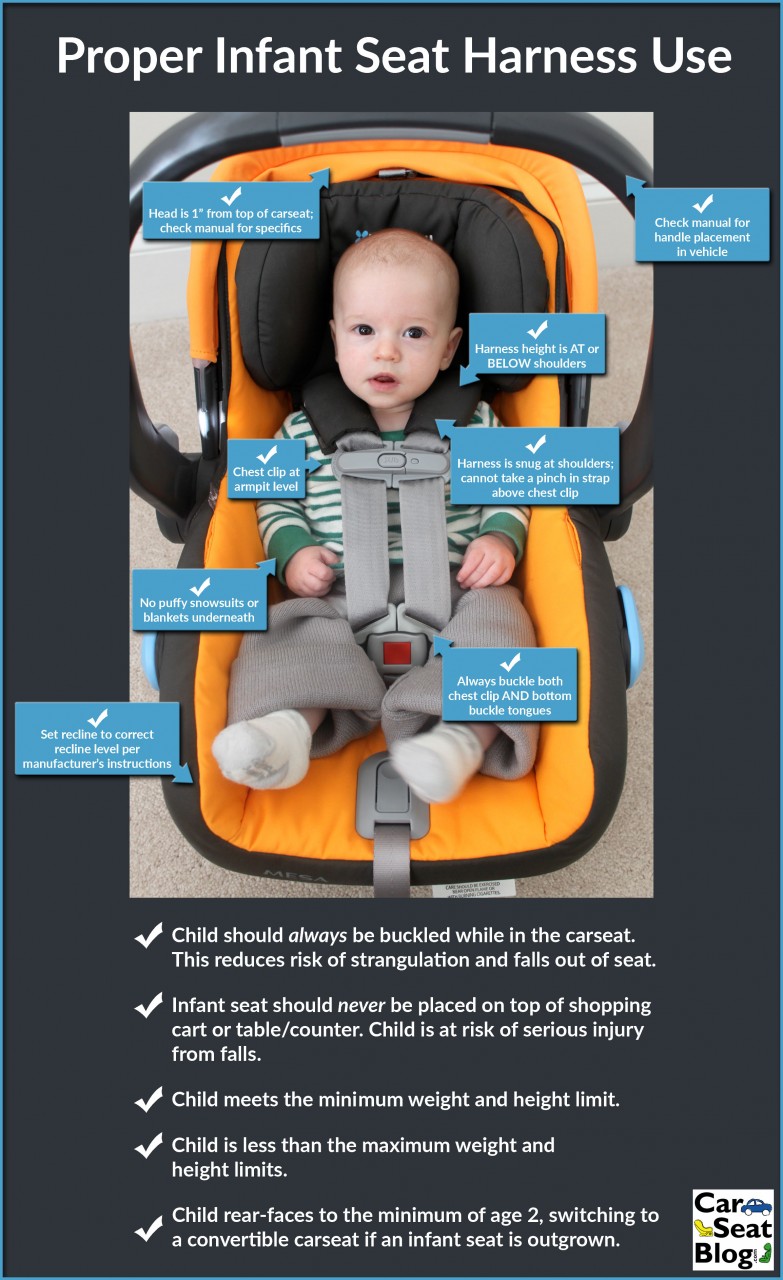
The right strap placement keeps your child secure. Straps should be at or below the shoulders for rear-facing seats. This position prevents your baby from sliding upwards in a crash. Consistent checks of the strap height ensure ongoing protection as your child grows.
Enhanced Safety
Proper strap positioning minimizes injury risks. In an accident, well-placed straps distribute forces evenly. Poor strap positioning could lead to neck or spinal injuries. Always prioritize checking and adjusting straps before each trip.
Peace Of Mind
Knowing your child is safely strapped in eases parental worry. Regularly adjusting straps as your infant grows ensures a snug fit. Take time to learn the proper adjustment techniques. It’s worth the effort for your peace of mind.
Easy Adjustments
Adjusting straps is simple with most car seats. Follow the manufacturer’s instructions carefully. Check the straps after placing your infant in the seat. Ensure they are snug and positioned correctly.
Visual Indicators
Many car seats feature visual indicators for strap positioning. Use these to quickly verify proper placement. They help ensure straps are not too loose or too tight. Always check these indicators during installation.
Age And Size Considerations
Choosing the right position for shoulder straps on an infant car seat is crucial. Proper strap placement ensures both safety and comfort for your child. Age and size play a significant role in determining the ideal strap position. Adjusting straps correctly can be a lifesaver. Let’s delve into the specifics.
Newborns And Infants
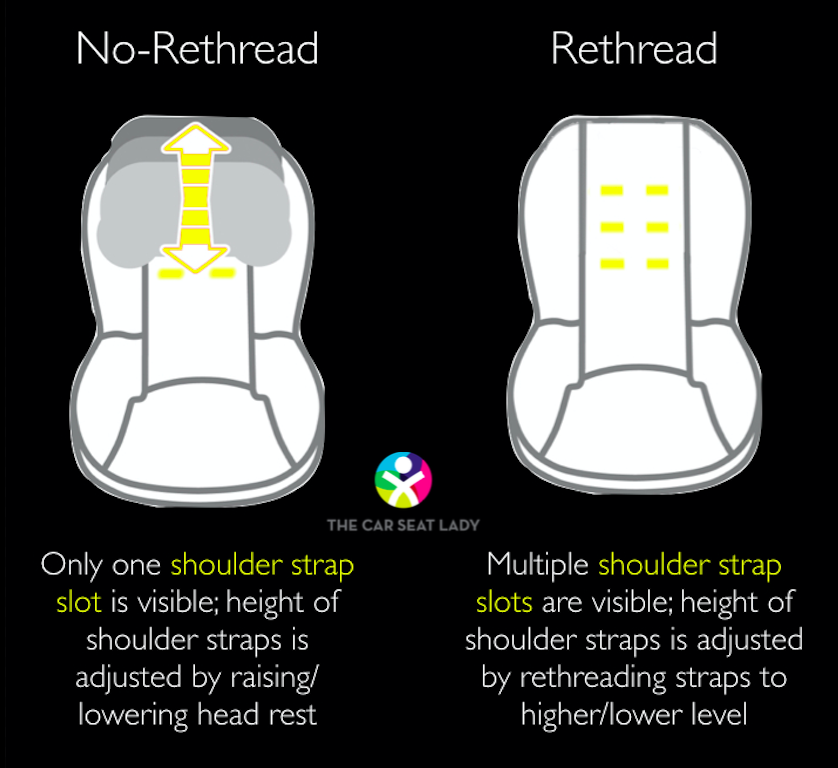
For newborns, the shoulder straps must be at or below their shoulders. This positioning prevents the infant from moving upward in a crash. Infant seats often have multiple slots for strap adjustment. Always ensure the straps fit snugly but not too tight. You should be able to slip just one finger between the strap and the baby’s shoulder.
Consider the baby’s weight and height too. As they grow, frequently check strap placement. Always refer to the car seat manual for specific guidelines. Every seat might have slight variations.
Toddlers And Older Children
As children grow into toddlers, their needs change. Strap height should be at or above the shoulders for forward-facing seats. This adjustment keeps them secure during sudden stops or impacts. Toddlers are more active, so regular checks are essential. Ensure the harness doesn’t twist or slack.
Older children still need the right fit. Once a child outgrows the car seat, consider a booster. Proper strap positioning is key for transitioning safely. Always ensure the car seat fits the child’s current size and weight.
Steps To Adjust Straps Properly
Ensure the shoulder straps on an infant car seat are at or below the baby’s shoulders. Check alignment regularly for safety. Adjust as the child grows to maintain proper fit.
Adjusting shoulder straps on an infant car seat ensures safety. Proper strap adjustment is crucial for your child’s protection. Let’s explore the steps to adjust these straps correctly. Follow these simple guidelines to ensure a snug and secure fit for your little one.
Checking Strap Height
Start by positioning the straps at the correct height. Ensure the straps are at or below the shoulders for rear-facing seats. This position helps keep the baby secure during a drive. Check regularly as your child grows. Adjust the height to maintain safety.
Securing The Buckle
The buckle should be positioned at the center of the chest. This placement prevents the child from slipping out in case of sudden stops. Listen for a click when fastening. It confirms the buckle is secure. Confirm the position before each trip.
Tightening The Harness
The harness must be snug but comfortable. Tighten until you can only fit one finger between the strap and the chest. Loose straps can compromise safety. Always check for slack. A tight harness keeps your baby safe during travel. Regular checks are vital.
Common Mistakes In Strap Adjustment
Adjusting shoulder straps on infant car seats can be tricky. Parents often make common mistakes that compromise safety. Understanding these errors is crucial for your baby’s protection. Let’s explore them.
Loose Straps
Loose straps pose a serious risk. They fail to secure the infant properly. Straps should be snug against the baby’s chest. Check for gaps regularly. Use the pinch test to ensure tightness. If you can pinch the strap, it’s too loose. Tighten until the strap lies flat.
Incorrect Strap Height
Strap height plays a vital role in safety. Position the straps at or below the shoulders for rear-facing seats. For forward-facing seats, straps should be at or above the shoulders. Adjusting incorrectly may affect the seat’s performance. Always verify the strap height with each use.
Misaligned Buckle
A misaligned buckle can lead to discomfort and danger. The buckle should sit at the baby’s waist, not higher. Misalignment can cause the straps to twist. This reduces their effectiveness. Check the buckle position regularly. Adjust it to ensure a comfortable fit.
Safety Standards And Regulations
Safety standards are crucial for infant car seats. They ensure a baby’s protection during travel. Regulations guide the design and use of these seats. Proper use of shoulder straps is vital. It reduces the risk of injury in accidents. Understanding these standards helps parents keep their infants safe. This section explores key safety standards.
Legal Requirements For Car Seats
Every country has specific rules for car seats. These rules dictate seat design and installation. They ensure that all car seats provide maximum safety. Parents must follow these legal requirements. Knowing the rules helps in choosing the right seat. It ensures that infants travel securely.
Importance Of Proper Strap Positioning
The position of shoulder straps impacts safety. Straps must be at or below the infant’s shoulders. This position prevents the baby from moving too much. It keeps the infant snug in the seat. Proper positioning reduces the risk of injury during sudden stops.
Testing And Certification Of Car Seats
Car seats undergo rigorous testing. These tests simulate crash scenarios. They check the seat’s ability to protect an infant. Certified seats meet all safety standards. Look for certification labels when buying a car seat. It ensures the seat has passed safety tests.
Regular Updates To Safety Standards
Safety standards evolve over time. New research leads to updates in regulations. These updates improve the safety of car seats. Stay informed about changes in standards. It ensures you use the safest car seat available.
Credit: thecarseatlady.com
Tips For Ensuring Strap Safety
Ensuring your infant’s car seat straps are correctly placed is vital. Proper strap positioning guarantees safety during travel. Follow these tips to keep your little one secure.
Regular Strap Checks
Check the straps often. Make sure they are tight. Loose straps can be dangerous. Adjust them regularly. After every trip is a good time. Inspect for wear and tear. Replace damaged straps immediately.
Using Strap Covers
Strap covers add comfort. They protect delicate skin. Choose soft, breathable materials. Ensure they do not interfere with safety. Avoid bulky covers. They can affect strap positioning. Always check after adding covers.
Professional Installation Advice
Seek professional help for installation. Experts know best practices. They ensure the seat is secure. They check strap placement too. This is crucial for safety. They provide valuable tips on maintenance.
Frequently Asked Questions
How Should Shoulder Straps Fit On Infant Seats?
Shoulder straps should be at or below the infant’s shoulders. This ensures a snug, secure fit. Proper positioning minimizes movement in case of sudden stops or impacts. Always adjust the straps according to the car seat’s manual for optimal safety.
Why Are Shoulder Strap Positions Important?
Correct shoulder strap positioning is crucial for your infant’s safety. It ensures the harness holds your baby securely. Incorrect positioning can lead to increased movement during travel. This might compromise safety in the event of an accident.
Can Shoulder Straps Be Too Loose Or Tight?
Yes, shoulder straps can be improperly adjusted. Straps that are too loose won’t hold the infant securely. Straps that are too tight can cause discomfort or injury. Always perform the “pinch test” to ensure proper tightness.
How Often Should Strap Positions Be Checked?
Regularly check strap positions, especially after adjusting the car seat. Growth spurts or clothing changes can affect fit. It’s advisable to check before every trip. This habit ensures your infant’s safety and comfort at all times.
Conclusion
Choosing the right spot for shoulder straps is vital. It ensures your baby’s safety in their car seat. Always check strap placement before each trip. This helps avoid injuries during sudden stops or turns. Straps should sit at or below the shoulders for rear-facing seats.
For forward-facing seats, straps must be at or above the shoulders. Adjusting straps correctly provides comfort too. Comfortable babies stay calm during car rides. Remember, secure straps mean secure journeys. Regular checks make travel safer and more enjoyable. Keep your baby safe by understanding and adjusting strap positions correctly.
Safety comes first. Every ride.


