

How Long Can 6 Month Old Be in Car Seat: Safety Tips

As a parent, you always want the best for your child, especially when it comes to their safety. One question that might be on your mind is, “How long can a 6-month-old be in a car seat?”
You’re not alone in wondering this. Ensuring your baby’s comfort and safety during car rides is a common concern for many parents. Understanding the right duration for car seat use is crucial for your baby’s health and well-being. You’ll discover helpful guidelines and expert tips to make informed decisions about your baby’s car seat usage.
Keep reading to find out how you can keep your little one safe and comfortable on every journey.
Car Seat Safety Guidelines
Understanding car seat safety guidelines is crucial for your child’s protection. Parents often wonder how long their little ones can safely stay in car seats. It’s essential to ensure comfort and safety during travels. This section provides key insights on the recommended practices for car seat usage.
Proper Positioning For Maximum Safety
A car seat should be positioned at a 45-degree angle. This angle supports the baby’s head and neck. It prevents airway obstruction during travel. Ensure the harness is snug, with no slack. The chest clip should be at armpit level for optimal safety.
Recommended Duration For Car Seat Usage
Experts suggest limiting time in a car seat to two hours. This is particularly crucial for infants. Long periods may lead to discomfort or health issues. Regular breaks allow your baby to stretch and move. Plan your trips with breaks to ensure safety.
Signs Of Discomfort To Watch For
Pay attention to signs of discomfort in your child. Fussiness or crying may indicate unease. Red marks on the skin suggest pressure points. Adjust the seat if these signs appear. Keep your child’s comfort a priority.
Choosing The Right Car Seat Size
Select a seat that matches your child’s weight and height. Check manufacturer guidelines for specifications. A correct fit ensures better protection. Review size adjustments regularly as your baby grows. This helps maintain a proper fit for safety.
Duration Limits For 6-month-olds
Understanding how long your 6-month-old can sit in a car seat is crucial. Babies at this age need special care during travel. Their bodies are still developing, and extended periods in a car seat can impact them.
Parents often wonder about safe travel times. Experts provide guidelines to ensure safety and comfort for little ones. Let’s dive into these duration limits and the reasons behind them.
Recommended Maximum Time
For 6-month-olds, the maximum recommended time in a car seat is two hours. This limit is for a single stretch of travel. Exceeding this can lead to discomfort and health issues.
Impact On Baby’s Health
Prolonged car seat usage can affect a baby’s posture. It may strain their developing spine and neck. Babies also need freedom to move and stretch, which is limited in a car seat.
Regular Breaks Importance
Frequent breaks during travel help your baby relax. These breaks allow them to stretch, move, and change positions. Taking a break every hour is often advised for longer trips.
Safe Travel Tips
Always ensure the car seat is properly installed. Double-check the harness for a snug fit but not too tight. Keep the car seat rear-facing to provide extra protection.
Signs Of Discomfort
Watch for signs of discomfort or distress in your baby. Fussiness, crying, or restlessness may indicate they need a break. Respond promptly to these signs for their well-being.
Plan Your Journey
Plan trips considering your baby’s comfort and safety. Schedule stops to coincide with feeding or diaper changes. This approach helps minimize their time in the car seat.
Risks Of Extended Time In Car Seats
Parents often use car seats for their little ones’ safety. But, prolonged use can pose risks, especially for a 6-month-old. Understanding these risks helps in making better decisions. Let’s explore these potential dangers.
1. Breathing Difficulties
Babies’ muscles are still developing. Sitting in a car seat for long periods can strain their neck. This may lead to breathing issues. It’s vital to ensure their airway remains clear.
2. Spine And Posture Problems
Prolonged sitting affects a baby’s spine. Their bones are soft and need proper support. Extended time in a car seat can lead to posture problems. It’s essential to allow them to stretch and move freely.
3. Skin Irritation
Car seats can cause skin irritation. Babies’ skin is sensitive. Extended contact with car seat materials can lead to rashes. Regular breaks help in reducing this risk.
4. Overheating Risks
Car seats can trap heat. Babies can’t regulate body temperature well. This might lead to overheating. Keeping them comfortable is crucial. Ensure proper ventilation and frequent checks.
5. Decreased Comfort And Increased Fussiness
Sitting for too long can make babies uncomfortable. They might become fussy or restless. It’s crucial to listen to their cues. Frequent breaks can help soothe them.
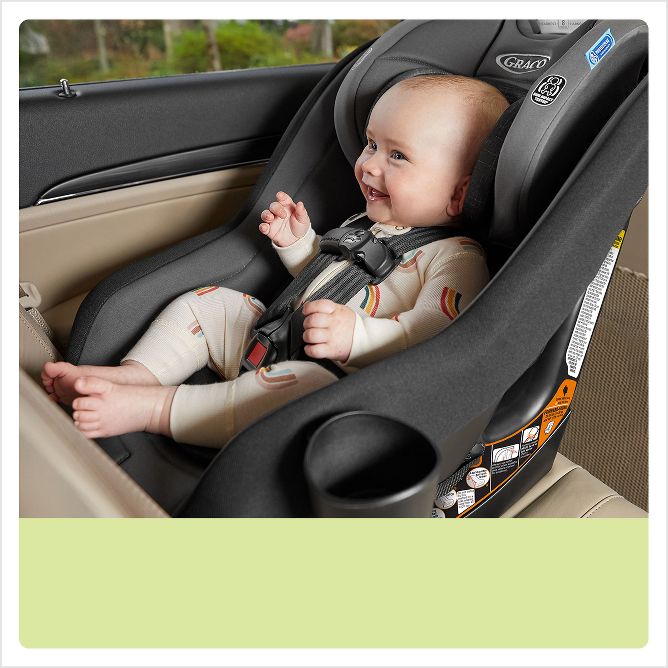
6. Risk Of Flat Head Syndrome
Babies’ heads are soft and moldable. Long periods in a car seat can cause flat spots. Changing their position often is key. Encourage varied movements to prevent this.
Credit: wearecedars.com
Signs Of Discomfort Or Distress
Understanding the signs of discomfort or distress in a baby is crucial. Babies can’t verbalize their feelings. Parents must learn to recognize non-verbal cues. This is especially important during car rides. Long periods in a car seat can lead to discomfort.
Recognizing Physical Signs
Watch for physical signs of discomfort. Look for red marks from straps. These could indicate tightness. Check if your baby is sweating excessively. This might mean they are too warm. Observe any unusual body movements. Arching the back or constant squirming are signs.
Listening For Vocal Cues
Listen to your baby’s cries. Different cries mean different things. A whiny or high-pitched cry often signals discomfort. Pay attention to grunts or moans. These sounds can indicate distress. Respond to any change in the baby’s vocal patterns quickly.
Monitoring Facial Expressions
Facial expressions reveal a lot. A frown or furrowed brow shows discomfort. Watch for clenched fists. This can also indicate unease. Tears or a sad expression are strong indicators. A relaxed face usually means the baby is comfortable.
Observing Sleep Patterns
Changes in sleep can signal distress. If your baby struggles to sleep, they might be uncomfortable. Frequent waking during a car ride is a concern. Ensure the car seat is not causing this disruption. A comfortable baby usually sleeps peacefully.
Evaluating Breathing Patterns
Monitor your baby’s breathing. Rapid or shallow breaths may indicate distress. Listen for any wheezing or coughing. This could mean the baby needs a break. Ensure the baby’s airways are always clear. Proper posture in the car seat helps.
Choosing The Right Car Seat
Choosing the right car seat for your 6-month-old is crucial. Safety and comfort are key factors. A well-chosen car seat ensures peace of mind during travel. Parents must consider several important aspects.
Features To Look For
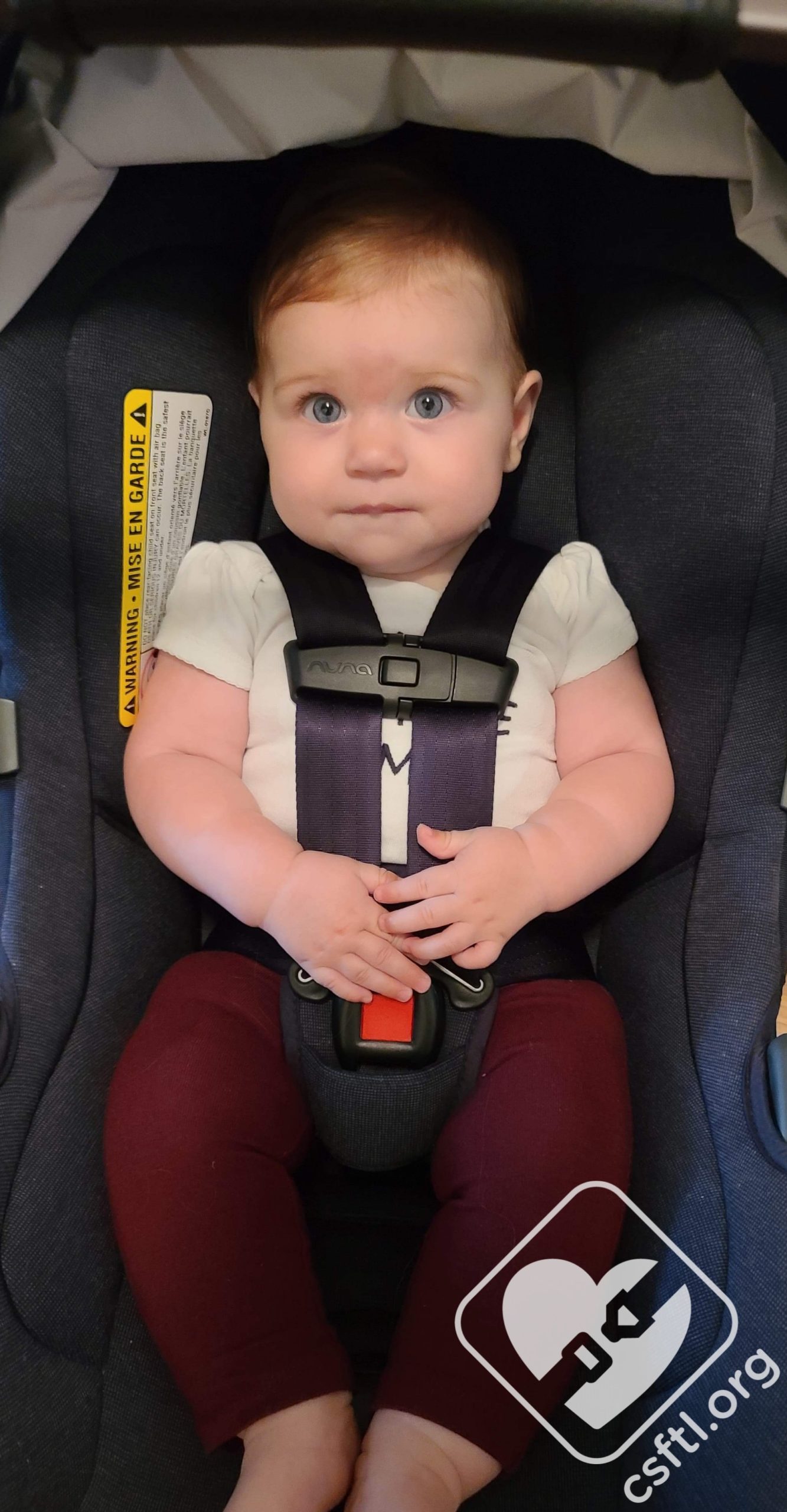
Look for a car seat with a five-point harness. This keeps your baby secure. The seat should offer side-impact protection. Cushioned sides absorb shock during collisions. Consider a seat with adjustable recline positions. It ensures comfort on long trips. Removable and washable covers are essential. Babies can be messy.
Ensuring Proper Fit
The car seat must fit your vehicle securely. Check compatibility before buying. Ensure the seat fits your baby’s size and weight. The harness should be snug but comfortable. Adjust the straps regularly as your baby grows. The seat should recline at a safe angle. Too upright can strain the baby’s neck. Too reclined is unsafe in crashes.
Credit: csftl.org
Tips For Safe Car Seat Usage
Ensuring your 6-month-old’s safety during car rides is crucial. Proper use of a car seat is essential. Follow these tips to make travel safe and comfortable. These guidelines help in maintaining your child’s safety while traveling.
Frequent Breaks
Take regular breaks during long car journeys. Babies need to stretch and move. Sitting for too long isn’t ideal for their health. Plan stops every hour or two. This gives your baby time to relax outside the car seat. It helps prevent discomfort and fussiness.
Proper Installation
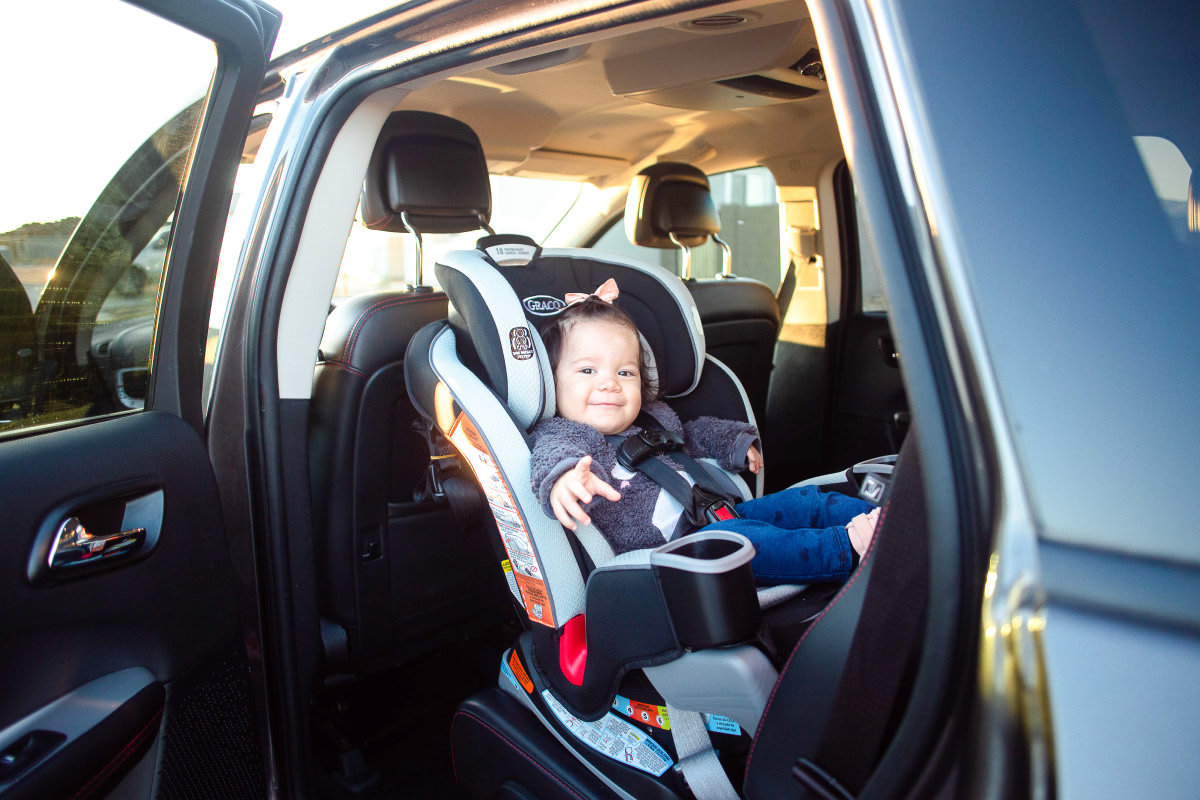
Ensure the car seat is installed correctly. Read the manual carefully. Follow all instructions step by step. Check that the seat is firmly attached. Make sure the harness fits snugly. A loose harness can be dangerous. Regularly inspect the seat for wear and tear. A well-installed seat keeps your baby secure.
Alternatives To Long Car Rides
Traveling with a 6-month-old can be challenging. Long car rides often lead to discomfort for infants. Finding alternatives to long car rides can create a more pleasant experience for your baby. Explore various options that ensure safety and comfort.
Plan Shorter Trips
Consider planning shorter trips. This reduces the time your baby spends in the car seat. Schedule frequent breaks to allow your baby to stretch. Fresh air and movement can soothe them.
Use Public Transportation
Public transport options such as buses or trains can be less stressful. They allow for more space to move around. Babies can benefit from the varied environment. This can help keep them entertained and calm.
Walk Or Use A Stroller
If the distance is manageable, walking is a great option. Use a stroller for comfort and safety. Walking allows your baby to explore sights and sounds. It also gives you a chance to bond with them.
Explore Local Attractions
Visit local parks or playgrounds instead of distant places. Local attractions provide a change of scenery. They offer opportunities for play and interaction. These activities can be more enjoyable than being confined to a car seat.
Schedule Play Dates
Arrange play dates with nearby friends or family. This avoids long car rides and gives your baby social interaction. Play dates can stimulate your baby’s development. They also create a fun environment without the need for travel.
Credit: www.babylist.com
Expert Recommendations
Ensuring the safety of your child during car journeys is crucial. Experts provide guidelines on how long a 6-month-old can safely remain in a car seat. Following these recommendations can help protect your infant’s well-being. Understanding these guidelines is essential for every parent.
Understanding Time Limits
Experts suggest infants shouldn’t stay in a car seat for over two hours. This guideline helps prevent any risk of breathing difficulties or discomfort. Babies need frequent breaks to stretch and move. Prolonged periods can lead to muscle strain.
Importance Of Regular Breaks
Regular breaks are vital during long car trips with infants. Stop every hour to allow your baby to move and relax. These intervals help reduce any potential risk of developing flat spots on the head.
Ensure your car seat is appropriate for your baby’s age and weight. A rear-facing car seat provides the best protection for infants. Confirm the seat is installed correctly to maximize safety.
Monitoring Your Baby’s Comfort
Monitor your baby’s comfort throughout the journey. Adjust the straps to ensure they are snug but not too tight. Check for signs of discomfort or distress regularly.
Consulting With Pediatricians
Pediatricians can provide personalized advice for your child’s needs. They can offer guidance on car seat safety and duration. Consulting a professional helps ensure you follow the best practices for your child’s safety.
Frequently Asked Questions
How Long Can A Baby Stay In A Car Seat?
A baby should not remain in a car seat for more than two hours. Extended periods can cause discomfort and potentially harm their developing spine. Always take breaks during long journeys to allow your baby to stretch and move. Ensure they remain comfortable and safe throughout the trip.
Is It Safe For A 6-month-old To Nap In A Car Seat?
While a car seat is safe for travel, it isn’t ideal for naps. Prolonged periods in a car seat can affect a baby’s breathing and posture. Transfer them to a flat surface for longer naps whenever possible. Always monitor your baby closely during short car rides.
What Are The Signs Of Discomfort In A Car Seat?
Signs include excessive crying, squirming, and restlessness. If a baby appears uncomfortable, take a break and let them stretch. Ensure the car seat straps are correctly adjusted to provide comfort and safety. Regularly check the seat’s positioning to ensure your baby’s comfort.
How Can I Make Car Seat Rides Enjoyable For My Baby?
Use toys and soothing music to entertain your baby during rides. Ensure the car seat is properly installed for maximum comfort. Take regular breaks to stretch and interact with your baby. Familiarity with the route can help in reducing anxiety during travel.
Conclusion
Keeping your baby safe in a car seat matters. Limit travel time to two hours. Give breaks. Let your baby stretch and move. Plan trips with care. Schedule stops for fresh air. Always ensure the seat fits well. Adjust straps for comfort.
Check the seat regularly. Stay attentive to your baby’s needs. Follow safety guidelines. Prioritize comfort and safety. Short trips are best. Your baby’s health is important. Make travel enjoyable and safe. Happy travels!


