


How to Get Milk Out of a Car Seat: Quick Solutions

Picture this: you’re driving home, and suddenly, you hear the dreaded splash of milk soaking into your car seat. Whether it’s from a sippy cup mishap or a grocery bag gone rogue, dealing with milk stains can be frustrating.
You’ve probably tried a quick wipe or scrub, but the stubborn smell and stain just won’t budge. We know how annoying it is when your car’s interior gets compromised by spills. You’re not alone in wanting a clean, fresh-smelling vehicle.
That’s why we’ve crafted this guide on how to get milk out of a car seat effectively. Stick with us, and we’ll show you simple steps to restore your seat’s look and feel, so you can drive stress-free. Ready to reclaim your car’s cleanliness? Let’s dive in!
Immediate Action Steps
Spilling milk on a car seat is never fun. It’s essential to act quickly to avoid stains and odors. Immediate action steps are crucial for preserving the seat’s condition.
Assess The Spill
First, determine the extent of the spill. Is it a large puddle or a few drops? This will guide your next actions.
Blot, Don’t Rub
Use a clean cloth or paper towel to blot the milk. Rubbing spreads the liquid and worsens stains.
Apply Cold Water
Pour cold water over the spill area. Cold water helps dilute the milk and prevents setting.
Use Mild Detergent
Mix mild detergent with cold water. Apply the solution gently using a cloth.
Blot Again
Continue blotting with a clean towel. Ensure you soak up the detergent and milk mixture.
Dry The Area
Let the car seat air dry. A fan can speed up the drying process.
Credit: www.yourmechanic.com
Blotting Techniques
Spilling milk on a car seat can be a frustrating experience. The key to removing milk stains lies in effective blotting techniques. Blotting helps absorb the liquid before it seeps deeper into the fabric. Using the right approach can save time and keep the car seat clean.
1. Gather Your Supplies
Get a clean cloth or paper towel. Avoid colored materials that can transfer dyes. You may also need a bowl of cool water.
2. Initial Blotting
Start by gently pressing the cloth onto the spill. Do not rub, as this can spread the milk. Lift the cloth and check if it absorbs the milk.
3. Reapply and Repeat
Use fresh sections of the cloth to continue blotting. Ensure the cloth remains absorbent. Repeat until no more milk transfers to the cloth.
4. Use Cool Water
Dampen another cloth with cool water. Continue blotting to remove lingering milk residues. Avoid soaking the seat, as excess water can lead to mold.
5. Drying the Area
After blotting, dry the area with a fresh, dry cloth. Press gently to absorb any remaining moisture. Leave the windows open to aid drying.
Homemade Cleaning Solutions
Removing milk stains from car seats is easier with homemade solutions. Start by blotting the spill with a clean cloth. Mix equal parts water and white vinegar, then gently scrub the area. Rinse with a damp cloth and let it air dry.
Removing milk stains from car seats can be a tricky task. Using homemade cleaning solutions offers an effective and eco-friendly approach. These solutions use common household items. They are safe, cost-effective, and easy to make. Here are some simple mixtures to tackle milk stains effectively.
Vinegar And Water Mix
Create a solution using vinegar and water. Combine one part vinegar with two parts water. Use a spray bottle for easy application. Spray the mixture onto the stained area. Let it sit for about five minutes. The vinegar helps break down the milk residue. It also neutralizes odors. Gently scrub the area with a soft brush. Use a clean cloth to blot the area dry.
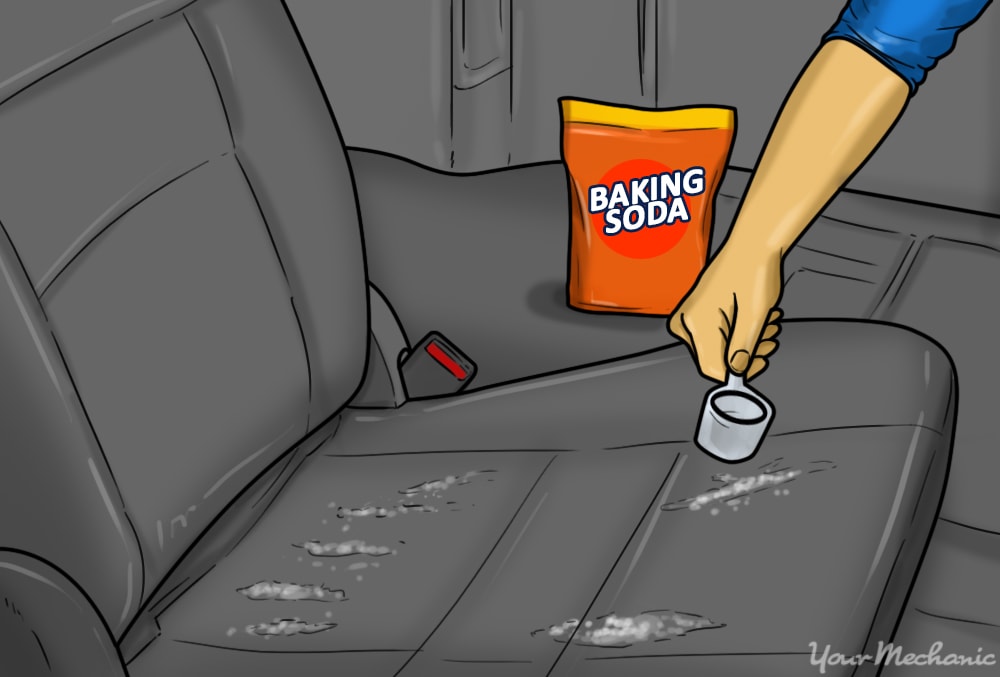
Baking Soda Paste
Baking soda can absorb stains and odors. Make a paste using baking soda and water. Mix them until you get a thick consistency. Apply the paste to the milk stain. Leave it on for 15 to 20 minutes. This allows the baking soda to work effectively. Use a damp cloth to wipe away the paste. Repeat if necessary for stubborn stains. Baking soda not only cleans but also refreshes the fabric.

Credit: www.reddit.com
Commercial Cleaners
Spilling milk on a car seat can be frustrating. The smell and stains can linger if not cleaned properly. Commercial cleaners can help tackle the problem efficiently. These products are specially formulated to remove stains and odors from car seats. They come with easy-to-follow instructions and are widely available in stores. Using the right cleaner can save time and ensure a thorough cleaning.
Choosing The Right Product
Not all cleaners are the same. It’s important to choose a product suited for car upholstery. Check the label for compatibility with your seat material. Leather seats require different care compared to fabric ones. Read reviews and seek recommendations for effective products. Ensure the cleaner is safe for children and pets. This information is usually available on the packaging.
Application Tips
Start by blotting the spill with a clean cloth. This absorbs excess milk before applying the cleaner. Spray the cleaner directly onto the stained area. Use a soft brush to gently scrub the surface. Be careful not to damage the seat fabric. Wipe away the cleaner with a damp cloth. Repeat the process if stains persist. Allow the seat to air dry completely. This prevents mold and bad odors from developing.
Odor Removal Tips
Spilled milk on a car seat can cause a lingering smell. Blot the spill immediately with a clean cloth. Use a mixture of water and vinegar to scrub the area. Dry thoroughly with a fan or open windows to prevent odors.
Removing the milk odor from a car seat can be tricky. It requires effective techniques and materials. Here are some tips to help you eliminate the smell.
Using Charcoal
Charcoal is a natural odor absorber. It helps in removing unwanted smells. Place some charcoal briquettes on the car seat. Let them sit overnight to absorb the odor. Make sure to use non-toxic, natural charcoal. This ensures safety for your car’s interior. Charcoal works well because it traps odor particles. It does not mask the smell but removes it.
Essential Oils
Essential oils offer a pleasant scent and combat odors. Use oils like lavender or lemon for best results. Mix a few drops with water in a spray bottle. Lightly spray the car seat surface. Don’t oversaturate, as it may stain. Essential oils freshen the air and provide a calming effect. They are a great choice for those who prefer natural solutions.
Drying Techniques
Milk spills on car seats can be a headache. Removing the stain is only half the battle. Drying the seat properly is crucial to prevent lingering odors and damage. Here are simple drying techniques to make your job easier.
Air Drying
Air drying is the simplest method. Start by blotting the milk with a towel. Open the car doors and windows. This allows fresh air to circulate. Fresh air helps evaporate the moisture. Leave the car doors open for a few hours. This method is ideal on sunny days. Sunlight speeds up the drying process. Be patient as air drying takes time.
Use Of Fans
Fans are effective for faster drying. Place a fan near the wet area. Direct the airflow onto the damp seat. Fans help in quick evaporation. Adjust the fan speed for optimal results. Ensure the fan is stable to avoid accidents. Use fans in combination with open windows. This creates a cross breeze for better drying. Fans are handy during rainy or cloudy weather.
Preventing Future Spills
Spills in cars are a hassle, especially when milk is involved. It leaves stains and an unpleasant odor. Preventing future spills can save you from such troubles. Simple steps can make your car spill-proof. This section will guide you on how to do that.
Use Of Spill-proof Containers
Spill-proof containers are a smart choice for car journeys. They come with secure lids that prevent leaks. Choose containers designed for travel. They are easy to use and maintain. Ensure the lid is properly closed before placing in the car. This simple step reduces the risk of spills significantly.
Protective Seat Covers
Protective seat covers act as a shield. They protect your car seats from spills and stains. Choose covers that are waterproof and easy to clean. These covers can be removed and washed. This makes maintaining cleanliness easier. Installing them is a straightforward process. Consider them a wise investment for a cleaner car interior.
Frequently Asked Questions
How To Clean Milk From A Car Seat?
To clean milk from a car seat, blot the spill immediately. Use a mixture of mild detergent and water. Gently scrub the area with a soft cloth. Rinse with clean water and blot dry. Ensure the seat is completely dry to prevent odors.
Can Baking Soda Remove Milk Odor From Seats?
Yes, baking soda is effective for removing milk odors. Sprinkle a generous amount on the affected area. Let it sit for several hours or overnight. Vacuum the baking soda to eliminate the smell.
What If Milk Stain Is Old On A Car Seat?
For old milk stains, mix equal parts vinegar and water. Apply the solution to the stain and let it sit for 10 minutes. Gently scrub with a soft brush, then blot dry. Repeat if necessary to fully remove the stain.
Is Professional Cleaning Necessary For Milk Spills?
Professional cleaning is not always necessary for milk spills. However, if the odor or stain persists, consider professional help. It ensures thorough cleaning and prevents long-term damage to the car seat fabric.
Conclusion
Removing milk from a car seat is simple with the right steps. Act quickly to prevent stains and odors. Start by blotting the spill with a clean cloth. Use mild soap and water for cleaning. Rinse well to avoid residue.
Dry the area thoroughly to stop mold. Baking soda can help absorb lingering smells. Repeat cleaning if needed for stubborn stains. Regular checks keep your car seats fresh and clean. Your car will smell pleasant, and the seats will look neat.
Happy cleaning!


