

How to Place a Car Seat for Newborn: Ultimate Guide

Navigating the world of parenting can be overwhelming, especially when it comes to the safety of your newborn. Placing a car seat correctly might seem straightforward, but there are crucial details that can make all the difference in ensuring your baby’s safety on the road.
Are you confident you’ve got it right? Understanding how to secure your newborn’s car seat properly is not just about following a set of instructions—it’s about peace of mind every time you buckle up. In this guide, you’ll discover step-by-step tips that transform stress into confidence.
You’ll feel empowered knowing your little one is safe and sound. Ready to master the art of car seat placement? Let’s dive in.
Choosing The Right Car Seat
Choosing the right car seat for your newborn is crucial. Safety is the top priority. A correct choice ensures protection and comfort. Understanding car seat types and features helps in making an informed decision.
Types Of Car Seats
There are different car seats for newborns. Infant car seats are popular. They are designed for babies up to 35 pounds. These seats are portable and easy to use. Convertible car seats are another option. They grow with your child. They can be used rear-facing and later forward-facing. All-in-one car seats offer flexibility. They accommodate a child from infancy to booster seat stage. It’s essential to choose one that fits well in your car.
Features To Look For
Look for car seats with a five-point harness. This feature secures your baby safely. Side-impact protection is another key feature. It provides extra safety in a collision. Check for adjustable recline positions. This allows for added comfort. A removable and washable cover is practical. It keeps the seat clean and hygienic. Ensure the seat has easy installation features. Using a latch system makes installation simpler. Finally, consider the seat’s expiration date. It ensures the car seat remains safe to use.
Credit: www.chiccousa.com
Installing The Car Seat
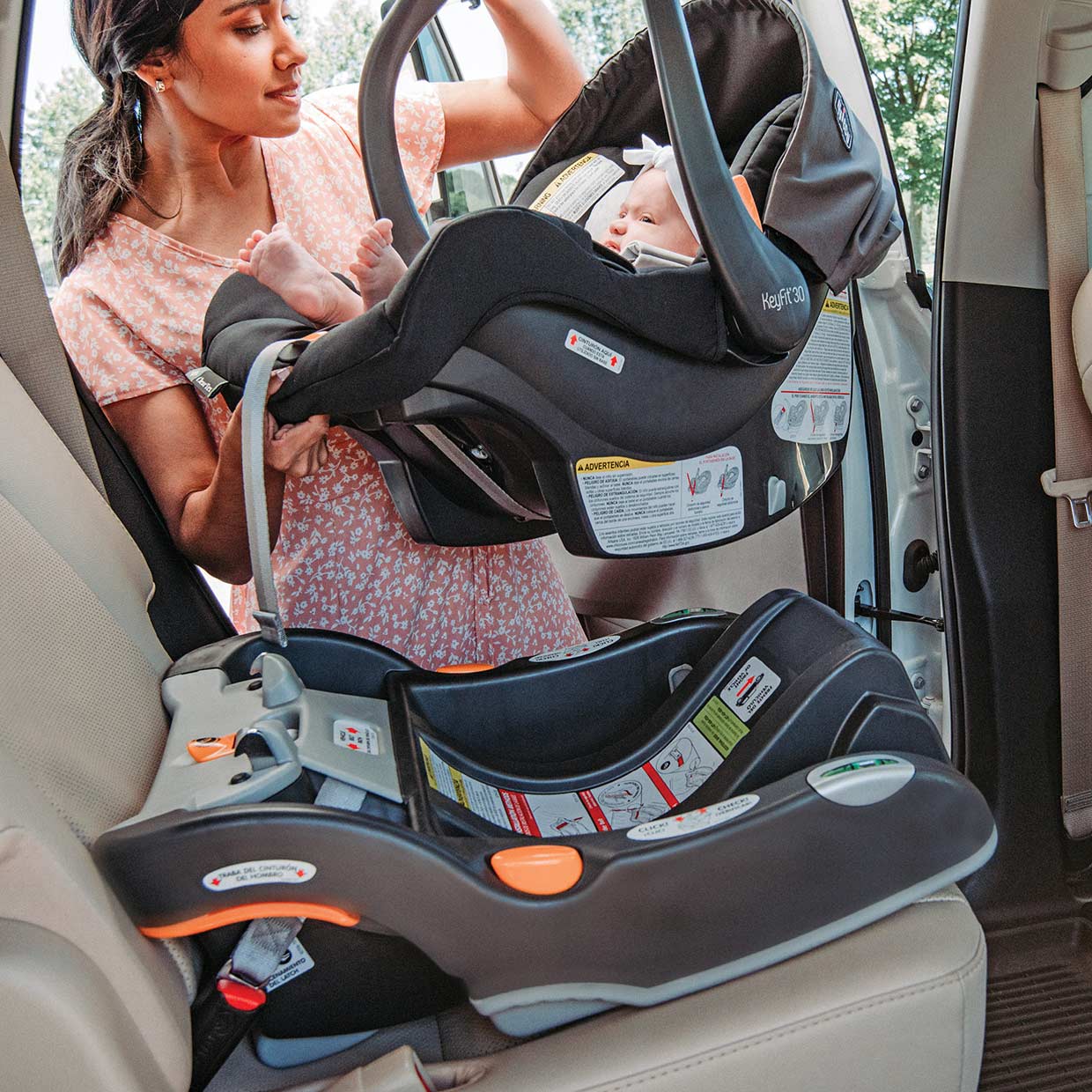
Installing a car seat for your newborn is crucial for safety. A well-installed seat ensures your baby’s protection during car rides. This guide will help you understand the steps involved in installation.
Positioning In The Vehicle
Place the car seat in the back seat of the vehicle. The center position is often the safest spot. Ensure the seat is rear-facing, as this is safest for newborns. Check the angle indicator on the car seat. It should be set at the correct angle to support your baby’s head and neck.
Using The Latch System
Many vehicles come with the LATCH system. It stands for Lower Anchors and Tethers for Children. This system helps secure the car seat without using the seat belt. Attach the car seat’s lower connectors to the vehicle’s lower anchors. Ensure the connection is tight and secure. Wiggle the seat slightly; it should not move more than an inch.
Securing With A Seat Belt
If your car lacks the LATCH system, use the seat belt. Thread the seat belt through the car seat’s belt path. Buckle it securely and lock the seat belt. Use your weight to press the car seat into the vehicle seat. Tighten the belt until the car seat moves less than an inch side-to-side. Double-check all connections before starting your journey.
Adjusting For Newborn Safety
Ensuring newborn safety starts with correctly placing the car seat. Position it in the back seat, facing rearwards for optimal protection. Fasten seat belts securely, checking for a snug fit that prevents movement.
Ensuring your newborn’s safety in a car seat is crucial. Proper adjustments can make all the difference. Let’s explore how to create the safest environment for your little one.Reclining The Seat
The car seat’s angle is vital for your baby’s safety. Newborns need to lie at a semi-reclined angle. This supports their head and neck. A too-upright position can cause breathing issues. Most car seats have a recline indicator. Check it to ensure the correct angle. Adjust until the indicator shows it’s safe for a newborn.Adjusting Harness Straps
Harness straps keep your baby secure. They should be at or below shoulder level. Check that the harness lies flat. No twists or slack should be present. A snug fit is essential. You shouldn’t pinch any extra webbing. Make sure the chest clip is at armpit level. This ensures maximum safety during travel. Pay attention to these details. They make every journey safer for your newborn.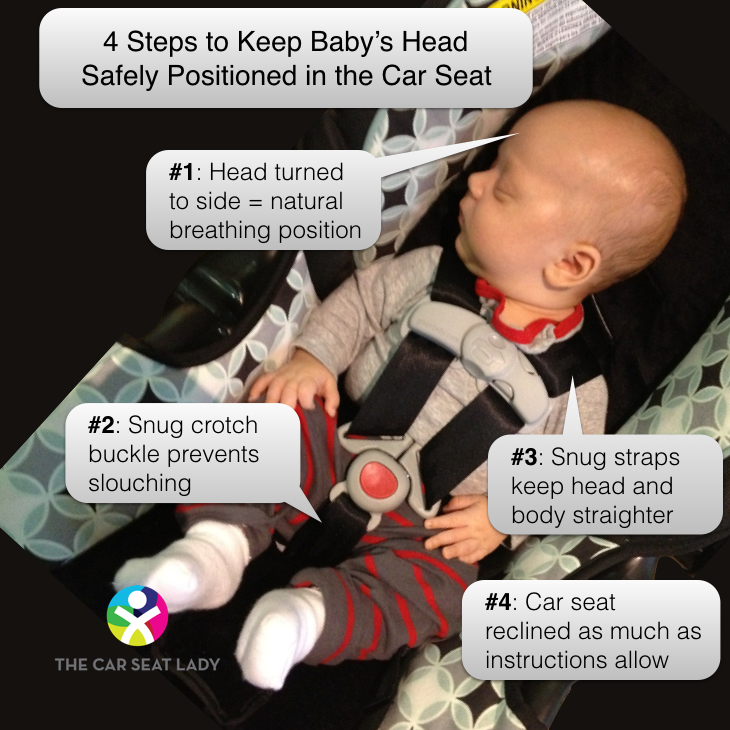
Credit: thecarseatlady.com
Ensuring Proper Fit
Placing a car seat correctly is crucial for your newborn’s safety. A proper fit ensures that the seat provides the best protection. Every detail matters, from harness tightness to chest clip alignment. Careful attention to these factors can make all the difference.
Checking Harness Tightness
The harness should be snug against your baby. Too loose, and it won’t protect. Too tight, and it’s uncomfortable. Use the pinch test to check. Try to pinch the harness strap at your baby’s shoulder. If you can pinch any material, it’s too loose. Adjust until you can’t pinch any.
Aligning Chest Clip
The chest clip plays a vital role in safety. It should sit at armpit level. Too high, and it could hurt your baby. Too low, it won’t hold the harness in place. Check the clip position every time you secure your baby. Adjust as needed to ensure it’s in the right spot.
Common Mistakes To Avoid
Installing a car seat for your newborn is crucial. Mistakes can compromise safety. Many parents unknowingly commit errors. Understanding common mistakes helps ensure your baby’s safety.
Incorrect Seat Angle
The seat angle is vital for newborns. A steep angle can cause breathing issues. A too-flat angle affects support. Always refer to the manual for guidance.
Loose Harness Straps
Harness straps should be snug. Loose straps pose a safety risk. Check that the straps are tight. You should fit only one finger between strap and chest.
Ignoring Weight Limits
Every car seat has weight limits. Ignoring these can be dangerous. Ensure the seat fits your baby’s weight. Always check the manufacturer’s guidelines.
Credit: thecarseatlady.com
Tips For Safe Travel
Traveling with a newborn requires extra care and attention to safety. Correct car seat placement is crucial for your baby’s well-being. This section covers practical tips to make travel safer for your newborn. Focus on dressing your baby properly and avoiding unnecessary car seat accessories.
Dressing The Baby For The Car
Choose clothes that are comfortable and not bulky. Overly thick clothing can interfere with harness straps. Consider layers for adjusting temperature. A thin sweater can be added or removed easily. Avoid hats that cover the baby’s face. Ensure your baby can move freely. Check that arms and legs are not restricted.
Avoiding Car Seat Accessories
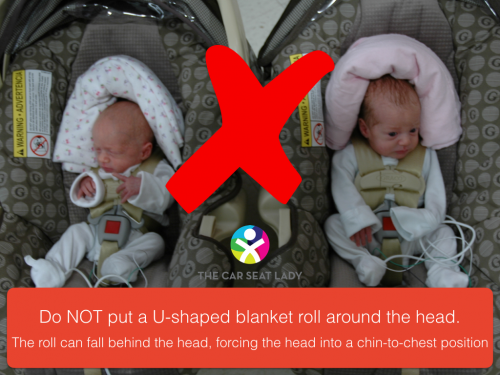
Many accessories look helpful but can compromise safety. Avoid items not approved by car seat manufacturers. Extra padding may affect the snug fit of the harness. Toys attached to the seat can become projectiles in a crash. Mirrors may distract the driver. Keep the area around your baby clear. Focus on securing the seat tightly and correctly.
Frequently Asked Questions
How To Correctly Position A Newborn Car Seat?
To position a newborn car seat, ensure it’s rear-facing and secured tightly. The harness straps should be at or below the baby’s shoulders. Always follow the manufacturer’s instructions for installation. Check the angle indicator on the car seat to ensure proper recline.
This ensures the baby’s airway remains unobstructed.
What Is The Safest Car Seat Position For Newborns?
The safest position for a newborn’s car seat is the rear middle seat. It offers the best protection during a collision. Ensure the seat is rear-facing and installed correctly. This reduces the risk of injury significantly. Always consult your vehicle’s manual for specific installation guidance.
Can A Newborn Sit In A Car Seat For Long?
Newborns shouldn’t sit in a car seat for more than two hours. Prolonged sitting can affect their developing spine and restrict airflow. Take regular breaks during long trips. This ensures your baby’s comfort and safety. Always monitor your baby’s position to prevent slumping.
How Tight Should The Car Seat Straps Be?
Car seat straps should be snug but not too tight. You should not be able to pinch any slack. Ensure the harness clip is at armpit level. This positioning offers maximum protection. Always adjust the straps as your baby grows to maintain safety.
Conclusion
Securing your newborn in a car seat is crucial for safety. Practice helps perfect the installation process. Always check straps for snugness and comfort. Follow the car seat manual closely for guidance. Keep the seat rear-facing for added safety. Regularly inspect the car seat for any damage.
Swap seats as your child grows for continued safety. Trust your instincts, and never rush the process. Your newborn’s safety depends on careful installation. Remember, a well-placed car seat provides peace of mind. Safe travels on your parenting journey!


