


How Should Baby Look in Car Seat: Safety Tips Explained

When you buckle your baby into a car seat, you’re doing more than just keeping them in place—you’re ensuring their safety in every journey, big or small. But how can you be sure your baby is positioned correctly?
Are their straps snug enough without being too tight? Is the angle right for their tiny frame? These are the questions every parent asks, yet few are confident they have the right answers. Imagine driving with peace of mind, knowing your little one is as safe as possible.
In this guide, we’ll unravel the mystery of how your baby should look in a car seat, so you can hit the road with confidence. Keep reading to discover essential tips that could make all the difference in your child’s safety.
Credit: thecarseatlady.com
Choosing The Right Car Seat
Choosing the right car seat for your baby is crucial. It ensures their safety during travels. Not all car seats are the same. Each has unique features and benefits. Understanding these differences helps you make the best choice for your child.
Types Of Car Seats
There are three main types of car seats. Infant seats are for newborns and small babies. These seats face the rear of the car. Convertible seats can be adjusted as your child grows. They start as rear-facing and can be turned forward-facing. Booster seats are for older children. They help position the seat belt correctly. Each type serves a different age and size. Knowing the types helps in selecting the right one.
Age And Weight Guidelines
Car seats have specific age and weight guidelines. Infant car seats are suitable for babies up to 20 pounds. Convertible seats are for children from 20 to 65 pounds. Booster seats are for kids weighing over 40 pounds. It’s important to follow these guidelines. They ensure your child’s safety and comfort during travel. Always check the manufacturer’s recommendations. This helps in making informed decisions about your child’s car seat.

Credit: unpreparedmom.com
Correct Installation
Ensuring a baby’s safety in a car seat is crucial. One of the most important steps is correct installation. Proper installation keeps your little one secure and comfortable. It also prevents potential injuries during sudden stops or accidents.
Installation Techniques
Read the car seat manual carefully. It provides specific instructions for your model. Use the LATCH system if available. It offers a secure fit. Ensure the car seat doesn’t move more than an inch. Check the angle of the seat. It should align with the manufacturer’s guidelines. This prevents the baby’s head from falling forward.
Common Mistakes
Many parents overlook the tightness of the seat. A loose seat can be dangerous. Incorrect harness positioning is another frequent error. The harness should be at or below the baby’s shoulders. Always fasten the harness snugly. Bulky clothing can interfere with proper harness fit. Consider removing jackets before strapping in. Placing the seat at the wrong angle can also be risky. Follow the angle indicators on the seat for guidance. Regularly review the installation to ensure continued safety.
Securing Your Baby
Ensuring your baby’s safety in a car seat is crucial. Properly securing your child minimizes risks during travel. Let’s explore essential steps to secure your baby effectively.
Harness Adjustments
Adjust the harness to fit snugly against your baby’s body. The harness should lie flat without any twists. Position the shoulder straps at or below your baby’s shoulders. This positioning supports your child’s neck and back properly.
Proper Strapping Methods
Use the chest clip to secure the harness straps. Place the chest clip at armpit level. It ensures the straps remain on the shoulders. Buckle the harness and pull to tighten. You should not pinch any slack in the straps. Check the fit by sliding two fingers between the harness and your baby’s collarbone. If you can pinch the strap, it’s too loose. Remember, a secure fit means better protection.
Positioning The Baby
Properly positioning your baby in a car seat is crucial. It ensures safety and comfort during travel. Many parents face challenges in getting it right. This guide will help you understand the essential aspects of positioning your baby. Let’s explore some key areas to focus on.
Head And Neck Support
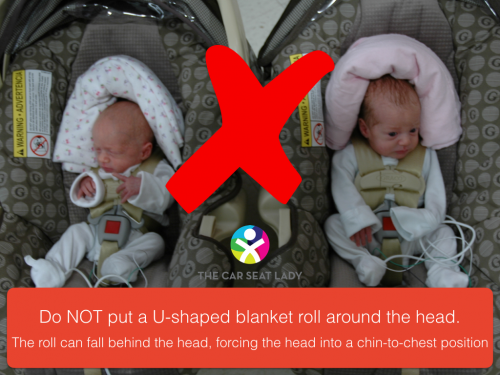
A baby’s head needs firm support. Use the car seat’s built-in headrest. Adjust it to fit snugly around the baby’s head. The head should not fall forward. It can obstruct their breathing. Keep the neck in a natural position. Many car seats have additional padding. These provide extra support and comfort.
Leg And Feet Placement
The legs should not dangle. Ensure they are not cramped either. Position them comfortably over the seat. Feet should rest naturally. Some babies may cross their legs. This is normal and safe. Always check for comfort. Adjust the seat as needed. Make sure the seatbelt does not press on the thighs.
Seasonal Considerations
Ensuring your baby is secure in a car seat requires seasonal awareness. Each season presents unique challenges for comfort and safety. Adjusting car seat practices according to the weather keeps your little one safe and cozy. Here’s how to tackle seasonal considerations effectively.
Winter Clothing Adjustments
Thick coats can interfere with car seat straps. They create too much bulk, making it hard to secure your baby properly. Remove bulky coats before buckling up. Use blankets over the straps for warmth instead. Ensure the harness is snug on your baby’s body. This prevents slipping and provides safety.
Consider using fleece layers. They provide warmth without bulk. Always check the harness tightness after dressing your baby. This ensures the straps are secure and comfortable.
Summer Heat Precautions
Hot weather impacts car seat comfort. Direct sunlight overheats the seat, making it unbearable for your baby. Use sun shades to block direct sunlight. This keeps the seat cool and comfortable.
Dress your baby in light, breathable clothing. Avoid thick fabrics that trap heat. Keep the car well-ventilated to circulate air. Regularly check your baby’s temperature. Ensure they aren’t overheating or dehydrating.
Offer water frequently to keep your baby hydrated. This maintains their comfort and well-being during travel.
Monitoring During Travel
Ensuring your baby’s comfort and safety during travel is crucial. Always keep an eye on their position in the car seat. A well-adjusted car seat can prevent discomfort and potential hazards. Monitoring your baby closely helps in making necessary adjustments promptly.
Signs Of Discomfort
Watch for signs of discomfort in your baby. Fussiness or crying may indicate an issue. Check if the straps are too tight or loose. A red mark on the skin could be a sign of pressure. Babies may arch their back if they feel uncomfortable.
Regular Safety Checks
Regularly check the car seat’s installation. Ensure it is secure and stable. Verify that the harness fits snugly. The chest clip should be at armpit level. Make sure there are no twists in the straps. Adjust the seat’s recline angle if necessary.
Car Seat Maintenance
Proper car seat maintenance ensures your baby’s safety during travels. Keeping the car seat clean and checking for wear and tear are key aspects. Regular upkeep helps maintain the car seat’s functionality and appearance.
Cleaning Tips
Start by removing the car seat cover, if possible. Use mild soap and warm water. Gently scrub the fabric to remove stains. Avoid using harsh chemicals as they can damage the material.
Wipe down plastic and metal parts with a damp cloth. Make sure they are dry before reassembling. Vacuum the seat to remove crumbs and debris. Regular cleaning keeps the car seat hygienic and fresh.
Checking For Wear And Tear
Inspect the straps for fraying or damage. Ensure the buckles work smoothly. Check the padding for signs of wear. Replace any damaged parts immediately.
Examine the car seat shell for cracks or weaknesses. Look for loose screws or bolts. A thorough inspection prevents future accidents. Keeping an eye on wear and tear extends the car seat’s lifespan.
Legal Guidelines
Ensuring your baby is secure in the car seat is crucial. Legal guidelines help protect your child during travel. They dictate how a baby should be seated in a car. These rules vary across states but share common principles.
State Regulations
Each state has its own car seat laws. These laws determine the minimum requirements for car seat usage. Age, weight, and height factors influence these regulations. Parents must familiarize themselves with local rules. This helps avoid penalties and ensures your child’s safety.
Certification Standards
Car seats must meet specific certification standards. These standards ensure the seat’s safety and reliability. Look for labels that confirm federal compliance. Certified seats provide peace of mind during travel. Always check for these labels before purchasing a car seat.

Credit: www.reddit.com
Frequently Asked Questions
How Should Baby Sit In Car Seat?
Ensure your baby sits upright, with their bottom against the seat’s back. Straps should be snug over shoulders. The chest clip should be at armpit level. The baby’s head should not slump forward. Proper positioning ensures safety and comfort during travel.
Are Car Seat Straps Supposed To Be Tight?
Yes, car seat straps should be snug, allowing only one finger between strap and chest. Ensure the harness is securely adjusted. A tight fit prevents movement and maximizes safety. Loose straps increase injury risk during sudden stops or accidents.
When To Switch Baby To Forward-facing Seat?
Switch your baby to a forward-facing seat when they reach the manufacturer’s weight and height limits for rear-facing. Typically, children should remain rear-facing until age two. Always refer to your car seat manual for specific guidelines and recommendations.
What Angle Should Car Seat Recline?
The car seat should recline at a 30-45 degree angle. This angle prevents your baby’s head from falling forward, ensuring open airways. Adjust the recline using the car seat’s built-in level indicators. Proper recline is crucial for infant safety and comfort.
Conclusion
Ensuring your baby is safe in the car seat is crucial. Always check the harness fit. It should be snug, not too tight. Keep the chest clip at armpit level. Make sure your baby’s head stays upright. This prevents breathing issues.
Use rear-facing seats for infants. They offer better protection in crashes. Avoid bulky clothing. It affects harness tightness. Regularly inspect the car seat for wear. Replace it after any accident. Your baby’s safety depends on proper use. Stay informed, stay vigilant.
Your little one’s life is precious. Always prioritize their comfort and safety.


