


Why Car Seat Rear Facing: Essential Safety Explained

When it comes to your child’s safety in the car, every decision matters. You want to make sure you’re doing everything right, but with so much information out there, it can be overwhelming.
One of the most important choices you’ll face is how to position your child’s car seat. Have you ever wondered why experts emphasize rear-facing car seats for as long as possible? It’s not just a trend or a suggestion; it’s a critical safety measure.
You’ll discover the compelling reasons why keeping your child’s car seat rear-facing can make all the difference. Stick with us to uncover the vital facts that could protect your little one on every journey.
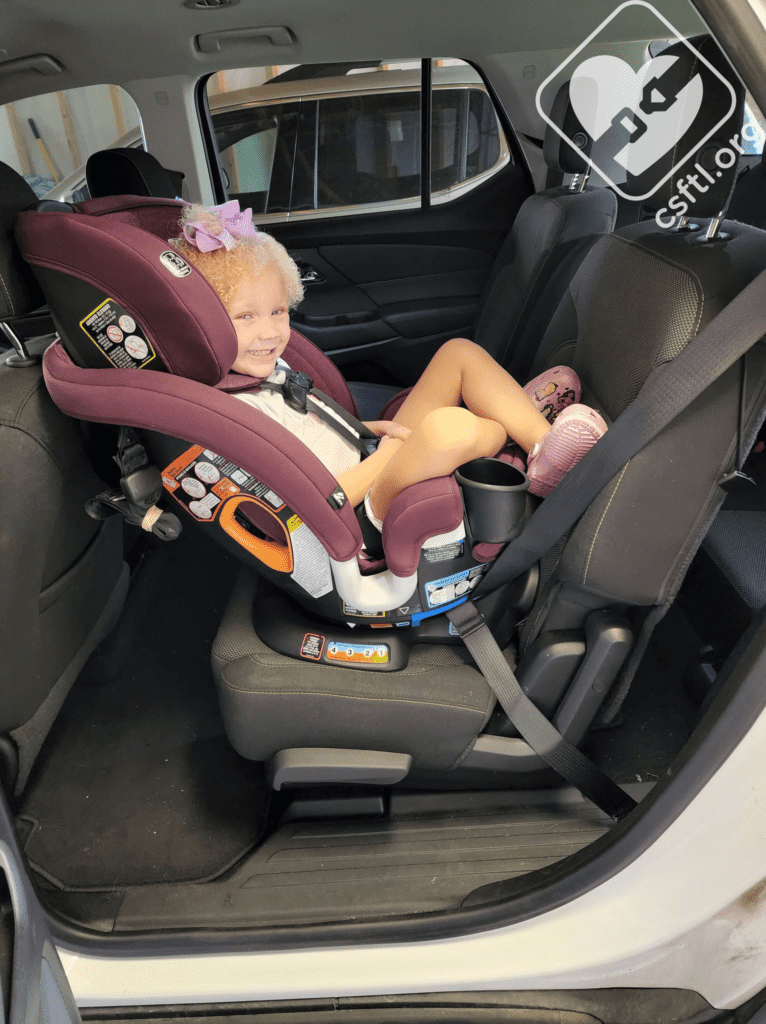
Credit: csftl.org
Importance Of Rear-facing Car Seats
Car seat safety is crucial for young children. Rear-facing car seats are vital for protecting them during travel. They offer the best protection for a child’s head, neck, and spine. The design helps absorb impact in a crash, reducing injury risks.
Why Rear-facing Is Safer
Rear-facing seats distribute crash force across the child’s body. They keep the head and neck aligned. This alignment prevents serious injuries. Front-facing seats can expose the child to more harm. Rear-facing provides a protective shield.
Support From Experts
Pediatricians recommend rear-facing seats for infants and toddlers. They emphasize their effectiveness in preventing injuries. Research supports these recommendations. Studies show rear-facing seats reduce fatalities. Safety experts agree on their importance.
Extended Rear-facing Benefits
Keeping a child rear-facing longer is beneficial. It enhances safety during crucial development years. Many parents turn seats too soon. Experts suggest keeping children rear-facing until the age of two or more. This extra time boosts protection.
Some believe rear-facing seats are uncomfortable. Most children adapt well to them. They often prefer the seated position. Concerns about leg space are common. Children can comfortably bend their legs. Safety outweighs minor discomfort.
Legal Requirements
Many regions enforce rear-facing seat laws. These laws ensure child passenger safety. Parents must comply with regulations. Violations can lead to penalties. It’s essential to follow local guidelines. They protect children during travel.
Crash Dynamics And Child Safety
Understanding crash dynamics helps in keeping children safe in cars. Rear-facing car seats play a vital role in this. They protect children better during accidents. Rear-facing seats absorb impact forces efficiently. These seats offer superior protection in sudden stops or crashes.
Understanding The Physics Of Crashes
In a crash, the car stops suddenly. The body continues moving forward due to inertia. A rear-facing seat supports the child’s head, neck, and spine. It distributes crash forces evenly across the back. This reduces stress on fragile body parts.
Importance Of Head And Neck Support
Children have large heads compared to their bodies. In a crash, their necks can suffer serious injury. Rear-facing seats cradle the head and neck. They minimize the risk of injury by supporting these areas.
Comparing Rear-facing And Forward-facing Seats
Forward-facing seats leave the head and neck unsupported. This can lead to severe injuries in a crash. Rear-facing seats provide a protective shell. They hold the child securely, reducing injury risks.
Keeping children rear-facing longer enhances safety. Most experts recommend it until age two or more. It offers better protection during their crucial early years.
Age And Weight Recommendations
Understanding the age and weight recommendations for rear-facing car seats is vital. Many parents ask why rear-facing is important. Safety experts agree on its importance. Rear-facing seats offer the best protection for young children. They support a child’s head, neck, and spine in a crash. Let’s explore the recommended age and weight for using rear-facing car seats.
Infants And Toddlers: Birth To Age 2
Infants should use rear-facing car seats from birth. These seats are designed for their small size. The American Academy of Pediatrics advises rear-facing until age 2. This guidance ensures maximum safety for infants and toddlers. Rear-facing seats protect against sudden impacts. They cradle and support the child’s body during a collision.
Toddlers: Age 2 To 4
Once children turn 2, they may continue rear-facing. Many seats accommodate toddlers up to 40 pounds. This is often until age 4. Parents should consider the car seat’s height and weight limits. Rear-facing remains safer beyond age 2. It reduces the risk of injury in an accident.
Weight Limits And Seat Types
Different car seats have varying weight limits. Infant seats often support up to 30 pounds. Convertible seats can hold more weight. They allow children to stay rear-facing longer. Checking the manual helps parents understand limits. Ensure the seat fits the child’s current weight and height.
Height Considerations
Height matters as much as weight. A child’s head should not reach the seat’s top. Check regularly as children grow fast. Rear-facing seats offer better support for growing spines. Always follow the manufacturer’s guidelines for height limits.
Benefits Of Extended Rear-facing
Understanding the benefits of extended rear-facing car seats is crucial. This approach offers enhanced safety for children during car travel. It provides better protection to a child’s head, neck, and spine. Extended rear-facing is a recommended practice by safety experts and pediatricians. Let’s explore the key benefits of keeping your child rear-facing longer.
1. Increased Safety For Young Passengers
Rear-facing car seats distribute crash forces over the entire body. This reduces the risk of injury. The head and neck are especially protected. Young children have fragile necks. A rear-facing seat offers crucial support.
2. Improved Head, Neck, And Spine Protection
In a crash, a rear-facing seat supports the head and spine. This reduces stress on the neck. Forward-facing seats do not offer the same protection. Keeping your child rear-facing protects vital areas.
3. Better Support For Developing Bodies
A child’s body is still developing. Bones and muscles need extra care. Rear-facing seats offer better support. This positioning cradles their body during a collision.
4. Recommended By Experts
Experts recommend keeping children rear-facing as long as possible. Pediatricians and safety authorities agree. They suggest rear-facing until age two or more. Following these guidelines enhances child safety.
5. Longer Use Of Car Seats
Many car seats are designed for extended rear-facing use. This means your investment lasts longer. You provide safety without frequently changing seats. Check your car seat’s weight and height limits.
6. Peace Of Mind For Parents
Parents gain peace of mind knowing their child is safer. Rear-facing car seats are a simple way to increase safety. Knowing experts support this choice reassures parents.
Common Misconceptions
Rear-facing car seats offer significant safety benefits for children. Despite this, many parents have questions and concerns. Common misconceptions often lead to confusion. Let’s explore these myths and understand the truth.
Myth 1: Rear-facing Seats Are Uncomfortable
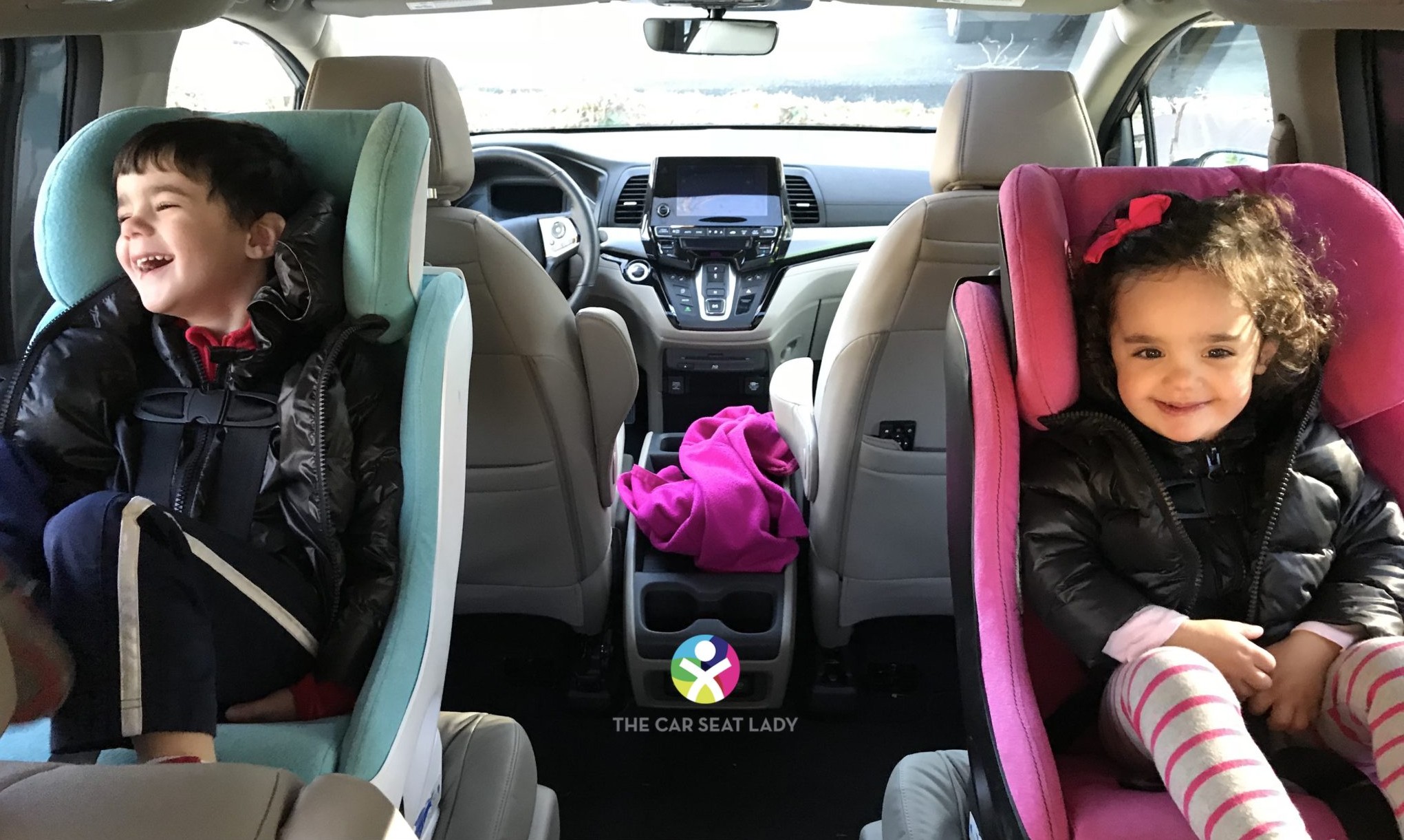
Many parents believe rear-facing seats are uncomfortable for their child. The truth is, children are flexible and find comfort in various positions. Their legs can bend or cross without discomfort.
Myth 2: Rear-facing Seats Limit View
Some worry their child can’t see enough while facing the back. Children facing backward can view the car’s interior. They also see through the rear window, enjoying the outside world.
Myth 3: Rear-facing Is Unsafe In A Crash
It’s a common thought that rear-facing seats are unsafe in crashes. Rear-facing offers better protection, reducing injury risk. In a crash, the seat supports the child’s head, neck, and spine.
Myth 4: Rear-facing Seats Are Harder To Install
Parents often think rear-facing seats are complex to install. Modern designs make installation straightforward. Clear instructions ensure the seat is secure and safe.
Myth 5: Older Children Must Face Forward
There’s a belief that older children should face forward. Rear-facing is safe for older kids until they outgrow the seat’s limit. Check weight and height guidelines to ensure safety.
Credit: thecarseatlady.com
Proper Installation Tips
Ensuring your child’s safety in the car is crucial. Proper installation of a rear-facing car seat is vital. It provides optimal protection during travel. Many parents find this task challenging. But following some simple tips can ease the process. Let’s explore these essential installation guidelines.
Check The Car Seat Angle
The angle of the car seat matters for safety. A reclined seat supports your child’s head and neck. Use the seat’s built-in angle indicator. Adjust as needed to achieve the correct angle. This helps prevent your child’s head from falling forward.
Secure With Latch Or Seat Belt
Choose between the LATCH system or the vehicle’s seat belt. Both methods are safe when used correctly. Make sure to read the car seat manual. It provides specific instructions for each method. Always check for tightness after installation.
Avoid Loose Harness Straps
Loose harness straps can compromise safety. Ensure they are snug against your child’s body. You shouldn’t be able to pinch any strap material. Remember to adjust the harness as your child grows. Regular checks are essential.
Position Away From Airbags
Airbags can be dangerous for rear-facing seats. Place the car seat in the back seat. This reduces the risk of airbag-related injuries. Ensure the seat is firmly secured in its position. Rear-facing is safest until at least age two.
Check For Proper Fit
Each car seat fits differently in vehicles. Ensure your car seat fits well in your car. Test the seat’s movement before traveling. It should not move more than an inch. A proper fit provides better protection during a crash.
Regular Inspection
Inspect the car seat regularly for wear and tear. Check the harness straps and buckles for damage. Replace any worn-out parts immediately. This keeps the car seat in optimal condition. Regular maintenance ensures ongoing safety for your child.
Transitioning To Forward-facing
Transitioning a child from rear-facing to forward-facing car seats is a significant milestone. Many parents wonder when the right time is for this change. Safety experts recommend delaying this transition as much as possible. Rear-facing seats offer better protection during sudden stops or collisions. Understanding the benefits of rear-facing seats helps parents make informed decisions.
Understanding The Safety Benefits
Rear-facing car seats are designed to protect a child’s vulnerable head and neck. During a crash, rear-facing seats distribute force across the back. This reduces the risk of serious injuries. Young children have developing bones and muscles. Keeping them rear-facing allows their bodies to grow stronger.
Recommended Age For Transition
Safety guidelines suggest keeping children rear-facing until at least age two. Some experts advise extending this to age four. Children vary in size and growth, affecting when they should transition. Parents should consider the child’s height and weight before making a decision.
Signs Your Child Is Ready
Observe your child’s comfort in their current seat. If their legs are cramped, it might be time to switch. Look for seats with higher weight limits to extend rear-facing use. Ensure your child fits safely within the seat’s height and weight range.
Choosing The Right Forward-facing Seat
Once ready for the transition, select a seat with proper safety features. Look for seats with a five-point harness for added security. Check for compatibility with your vehicle’s seat belt system. Consider ease of installation and adjustability for growing children.
Regulations And Guidelines
Understanding the regulations and guidelines for rear-facing car seats is crucial. These rules ensure the safety of young passengers during travel. Adhering to them can prevent serious injuries. Parents often seek clear instructions to protect their children. Navigating these guidelines can be challenging, but it is essential. Let’s explore the key regulations and guidelines for using rear-facing car seats.
Regulations And Legal Requirements
Each country has its own car seat regulations. These rules dictate how long a child should remain rear-facing. Some countries mandate rear-facing seats until age two. Others extend this requirement up to age four. It’s vital to check local laws before traveling with children. Compliance ensures legal protection and safety.
Safety Standards And Certifications
Car seats must meet safety standards. Manufacturers test seats for crash protection. Look for certification labels on the seat. These labels guarantee the seat passed rigorous testing. Certified seats offer peace of mind for parents. Always choose seats with recognized safety certifications.
Guidelines From Child Safety Experts
Experts recommend rear-facing seats for as long as possible. This position offers better head and neck protection. Children’s bodies are fragile and need extra care. Rear-facing seats absorb impact in crashes. This reduces the risk of serious injury. Follow expert advice for maximum safety.
Common Misconceptions And Clarifications
Many parents believe forward-facing is safer. This is not always true. Rear-facing provides superior protection. Misunderstandings can lead to dangerous decisions. Educate yourself on the benefits of rear-facing seats. Ensure your child travels safely at all times.
Credit: www.healthychildren.org
Frequently Asked Questions
Why Is Rear-facing Car Seat Safer?
Rear-facing car seats provide better protection for a child’s head, neck, and spine. In a collision, they distribute the force more evenly across the body. This position reduces the risk of severe injuries compared to forward-facing seats.
When Should You Switch To Forward-facing?
It’s recommended to keep your child rear-facing until at least two years old or until they exceed the seat’s height or weight limits. Always refer to your car seat manual for specific guidelines.
How Does Rear-facing Reduce Injury Risk?
Rear-facing seats support the child’s head, neck, and spine in a crash. This position absorbs impact forces and minimizes movement, significantly reducing the risk of serious injuries.
What Is The Rear-facing Weight Limit?
The weight limit for rear-facing car seats typically ranges from 30 to 50 pounds. Always check your car seat manual for specific weight guidelines to ensure maximum safety.
Conclusion
Rear-facing car seats offer vital safety for young children. They protect heads, necks, and spines during sudden stops. Research shows they reduce injury risks significantly. Parents prioritize their child’s safety in every journey. Rear-facing seats are crucial for this protection.
Experts recommend keeping children rear-facing as long as possible. This aligns with safety guidelines. Always check car seat instructions for specific age and weight limits. Safety isn’t just about following rules. It’s about giving your child the best protection possible.
Make informed decisions for peace of mind on the road. Your child’s safety is worth it.


