


When Does the 2 Hour Car Seat Rule End: Essential Guide

You’ve just started your road trip, and the excitement is palpable. But, as you buckle your little one into their car seat, a question lingers: “When does the 2-hour car seat rule end?”
If you’re like most parents, you want to ensure your child’s safety and comfort without turning your trip into a series of constant stops. This question is more than just about timing; it’s about balancing safety and convenience. You’re not alone in this quest for answers, and understanding the guidelines can make all the difference.
Dive into this article to discover how you can navigate this rule effectively, ensuring peace of mind while you travel. Your journey might just become smoother than you imagined.
Credit: www.motherandbaby.com
Understanding The 2 Hour Car Seat Rule
The 2 Hour Car Seat Rule is crucial for infant safety. It suggests limiting car seat time to two hours. This guideline helps prevent health risks in newborns.
Babies have developing bodies. Prolonged time in a car seat can cause discomfort. It may also lead to breathing issues. Understanding this rule is vital for new parents.
What Is The 2 Hour Car Seat Rule?
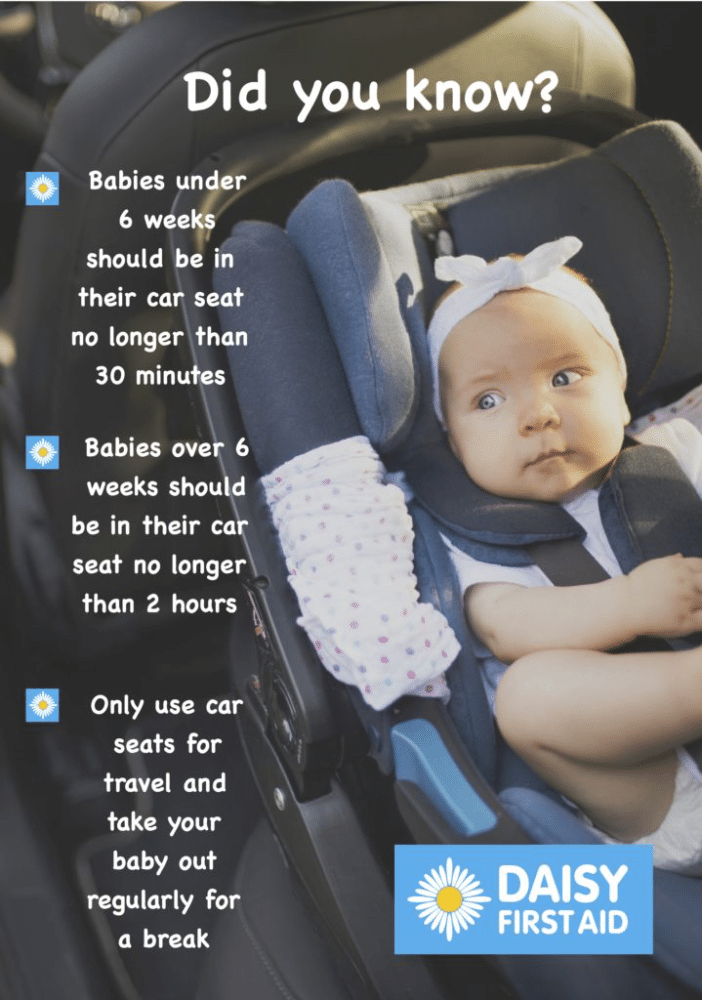
The rule advises parents to avoid extended car seat use. Babies should not stay in a car seat for more than two hours. This is especially important for long trips.
Infants need to stretch and move. Staying in one position for too long can be harmful. Parents should plan breaks during travel.
Why Is The Rule Important?
Following the rule protects your baby’s health. Babies’ bodies are still developing. Extended car seat time may cause breathing difficulties.
Proper positioning is essential. It prevents strain on delicate muscles. Parents should monitor their baby’s comfort regularly.
What Are The Risks Of Ignoring The Rule?
Ignoring the rule can lead to serious health issues. Babies might face breathing problems or reduced oxygen levels. Discomfort is also common when babies remain seated too long.
Parents should be aware of these risks. Regular breaks ensure the baby’s safety and comfort. It’s important to prioritize your infant’s well-being.
How Can Parents Follow The Rule?
Parents should plan trips wisely. Schedule breaks every two hours. Allow your baby to move and stretch during these intervals.
Check your baby’s comfort often. Ensure they are positioned properly. This careful attention keeps your baby safe.
Health Concerns For Prolonged Car Seat Use
Parents often wonder about the risks of prolonged car seat use. While car seats protect babies during travel, extended use can pose health concerns. Knowing these can help ensure your child’s safety and well-being.
Impact On Breathing
Babies have small airways. Extended sitting in a car seat can compress their chest. This might lead to breathing difficulties. Infants, especially, need to lie flat for proper airflow. A semi-reclined car seat position can restrict breathing. Always check your child’s breathing during long trips. Pause every two hours to allow your baby to stretch and breathe freely.
Effects On Spine Development
Infant spines are still developing. Car seats force a curved position. This can stress their spine. Extended periods can impact normal spine growth. Babies need time on a flat surface for healthy spine development. Limit car seat use to travel only. Frequent breaks help in preventing spine issues.
Factors Influencing The 2 Hour Rule
The “2 Hour Car Seat Rule” is a guideline for safe travel. Various factors can influence this rule. Understanding these factors ensures a safer journey for children.
Age And Developmental Stages
Infants have limited neck control and need extra support. They are more vulnerable during long car rides. Young babies should not sit in car seats for over two hours. Their bodies are still developing. Frequent breaks help prevent discomfort or health issues.
As children grow, their needs change. Toddlers have better neck and back strength. They can handle longer rides, but breaks are still important. Older children might endure longer periods in car seats. Yet, regular stops ensure they remain comfortable and safe.
Type Of Car Seat
The type of car seat impacts the two-hour rule. Infant car seats are designed for newborns. They offer more support but limit movement. Convertible seats grow with the child. These provide more comfort for longer trips.
Booster seats cater to older kids. They allow more freedom of movement. Each seat type has different comfort levels. Choose a seat that fits the child’s age and size. Ensure it meets safety standards for optimal protection.
Signs It’s Safe To Extend Car Seat Time
Parents often wonder when it’s safe to extend car seat time beyond two hours. Understanding the signs that indicate your child is ready can help ensure a safer and more comfortable journey. These signs relate to physical readiness and behavioral cues. Knowing what to look for can make a big difference.
Physical Readiness
Your child’s physical growth plays a role in extending car seat time. Check if your child can support their head and neck for long periods. Stronger neck muscles mean less risk of strain during longer rides. Ensure your child fits well in the seat without slumping. A snug fit with proper harness adjustment indicates readiness. Comfort is key. If your child seems at ease, longer trips may be possible.
Behavioral Cues
Observe how your child reacts during car trips. If they remain calm and content, consider extending seat time. Frequent fussiness or distress suggests they might not be ready. Watch for signs of boredom or restlessness. If your child can entertain themselves with toys or songs, longer rides may be easier. Pay attention to sleep patterns. A child who sleeps well during car rides might handle extended trips better.
Tips For Long Car Journeys With Infants
Taking a long car journey with an infant can be challenging. Parents must ensure their baby’s comfort and safety. Breaking the 2-hour car seat rule requires careful planning. This guide offers practical tips to make the trip enjoyable for everyone.
Planning Breaks
Plan regular stops to stretch and relax. Aim for a break every two hours. This helps keep the baby comfortable and prevents restlessness. Use these breaks to check on your baby. Change diapers and feed them if needed. Give your little one some fresh air. A short walk can be refreshing for both of you.
Keeping The Baby Comfortable
Comfort is key during long journeys. Dress your baby in soft, breathable clothes. Avoid overdressing them. Use a sunshade to protect from direct sunlight. Ensure the car seat is properly installed. Adjust it to fit snugly and securely. Pack a favorite toy or blanket. This can provide comfort and distraction. Keep the car temperature comfortable. Not too hot or too cold. A calm and quiet environment helps your baby rest.
Alternatives To Prolonged Car Seat Use
Long car journeys with children can be challenging. The 2-hour car seat rule emphasizes frequent breaks. This helps prevent discomfort and health risks for young passengers. But what if you need alternatives to prolonged car seat use? Here are some practical solutions to consider.
Using Travel Systems
Travel systems combine a car seat and stroller. They offer flexibility for parents on the go. You can easily move your child from the car to a stroller. This avoids keeping them in the car seat for too long. A travel system is convenient and reduces the need for carrying heavy seats. It allows your child to stretch and change positions.
Incorporating Rest Stops
Plan regular rest stops during long drives. These breaks are crucial for everyone. They allow your child to move and play. Short walks or stretching can make a big difference. Rest stops also give parents a chance to relax and refocus. By breaking up the journey, you ensure a safer and more enjoyable trip.
Expert Opinions And Guidelines
Understanding when the 2-hour car seat rule ends can be challenging. Parents often seek expert advice to make informed decisions. Expert opinions provide clarity and help ensure child safety. Guidelines from pediatricians and manufacturers are particularly important.
Pediatricians’ Recommendations
Pediatricians emphasize short car trips for newborns. Babies should not stay in car seats over two hours. This rule helps prevent breathing issues and discomfort. Regular breaks are essential during long journeys. Parents should plan stops to stretch and soothe their babies.
Safety Guidelines From Manufacturers
Car seat manufacturers provide specific usage guidelines. They recommend frequent breaks to ensure child comfort. Each brand may have slightly different advice. It’s vital to read the car seat manual carefully. This ensures proper use and maximizes safety.
Credit: www.henrycountyymca.org

Credit: www.madeformums.com
Frequently Asked Questions
What Is The 2-hour Car Seat Rule?
The 2-hour car seat rule advises against keeping infants in car seats for more than two hours. This recommendation is to prevent restricted airflow and discomfort. When traveling, take frequent breaks to remove the baby from the car seat, ensuring a safe and comfortable journey.
When Should You Stop Using The 2-hour Rule?
The 2-hour rule is primarily for infants and young babies. As children grow and develop better head and neck control, the rule becomes less critical. However, always prioritize your child’s comfort and safety, ensuring they have regular breaks during longer car journeys.
Why Is The 2-hour Car Seat Rule Important?
The 2-hour rule is crucial for preventing breathing difficulties and discomfort in infants. Young babies have limited neck strength, which can restrict airflow when seated for extended periods. Regular breaks help ensure their safety and well-being during car travel.
How Can I Make Long Car Trips Safer For Babies?
To make long car trips safer, plan frequent stops every 1. 5 to 2 hours. Allow your baby to stretch and change positions. Use a properly installed, age-appropriate car seat, and ensure your child is well-hydrated and comfortable throughout the journey.
Conclusion
Understanding the 2-hour car seat rule helps keep children safe. Breaks during long drives provide comfort and prevent discomfort. Parents should prioritize a child’s well-being during trips. Always check the car seat’s fit and condition. Proper use of car seats reduces risks during travel.
Remember, safety comes first. Adjust travel plans to include regular breaks. This ensures a more pleasant journey for everyone. By following these guidelines, you protect your child’s health and happiness. Safe travels make for happy memories.


